下载App
资质规则
旅行
账户

DeanMurphy2020
Gothic preservation and restoration☺
Palace of the Grand Master of the Knights of Rhodes的点评
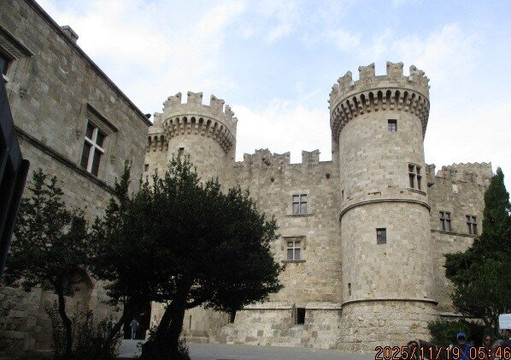
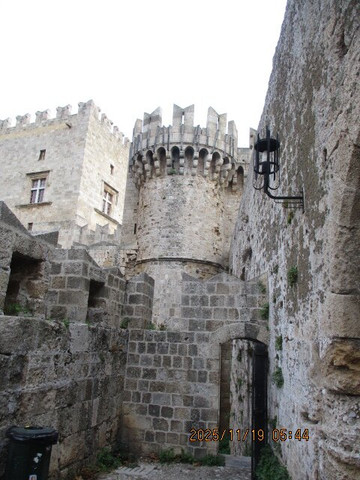
点评:This palace is a rare example of Gothic architecture in Greece, and influence by the European Crusades around 1125. The classic Gothic arch that looks like a bishop’s had hat [or mitre] is rare in Rhodes. Roman arches are rounded. The site used to be a citadel for the Knights Hospitaller, order of Saint John, that functioned as a palace, headquarters and fortress. In Greek antiquity, this was the site of the sun god Helios, and possibly the location for the famed Colossus. The original palace was constructed in late 600s as a Byzantine citadel.
Research reveals that the Ottoman Empire seized the palace in 1522. In 1856, gunpowder stored in an adjacent building that was struck by lightning. That caused destruction of much of the Palace, especially the upper floors. Obviously, the palace has been restored to the Gothic influence. Being a history and architecture buff, this—and the entire Rhodes architectural ensemble—delighted me. The mélange of sculpture styles inside belies the Gothic façade, but all of Greece—especially the islands—have had a multitude of cultural and religious influences, and the crusaders were warriors, not sculptors.
Research reveals that the Ottoman Empire seized the palace in 1522. In 1856, gunpowder stored in an adjacent building that was struck by lightning. That caused destruction of much of the Palace, especially the upper floors. Obviously, the palace has been restored to the Gothic influence. Being a history and architecture buff, this—and the entire Rhodes architectural ensemble—delighted me. The mélange of sculpture styles inside belies the Gothic façade, but all of Greece—especially the islands—have had a multitude of cultural and religious influences, and the crusaders were warriors, not sculptors.
翻译:这座宫殿是希腊哥特式建筑的罕见范例,其风格深受1125年前后欧洲十字军东征的影响。形似主教冠的经典哥特式拱门在罗德岛十分罕见,因为罗马拱门通常是圆形的。这里曾是圣约翰骑士团(医院骑士团)的要塞,集宫殿、总部和堡垒于一体。在古希腊时期,这里是太阳神赫利俄斯的神庙所在地,也可能是著名的罗马巨像的所在地。这座宫殿最初建于公元7世纪末,是一座拜占庭式要塞。
研究表明,奥斯曼帝国于1522年占领了这座宫殿。1856年,邻近建筑中储存的火药被闪电击中,导致宫殿大部分损毁,尤其是上层。显然,宫殿后来被修复,恢复了其哥特式风格。作为一名历史和建筑爱好者,这栋建筑——以及罗德岛的整个建筑群——都让我欣喜不已。内部融合了多种雕塑风格,与哥特式的外立面形成鲜明对比,但整个希腊——尤其是岛屿——都曾受到多种文化和宗教的影响,而十字军战士是战士,而非雕塑家。
研究表明,奥斯曼帝国于1522年占领了这座宫殿。1856年,邻近建筑中储存的火药被闪电击中,导致宫殿大部分损毁,尤其是上层。显然,宫殿后来被修复,恢复了其哥特式风格。作为一名历史和建筑爱好者,这栋建筑——以及罗德岛的整个建筑群——都让我欣喜不已。内部融合了多种雕塑风格,与哥特式的外立面形成鲜明对比,但整个希腊——尤其是岛屿——都曾受到多种文化和宗教的影响,而十字军战士是战士,而非雕塑家。

© 2026 Tripadvisor 版权所有。
部分照片由 VFM Leonardo 提供。
TripAdvisor公司对外部网站的内容一概不负责。优惠价格中不含税和其他费用。
ICP证:沪B2-20200433
沪ICP备20013175号
 沪公网安备31010502005427号
鹰程信息技术(上海)有限公司