下载App
资质规则
旅行
账户
MarcusHurley
Worth a brief photo stop
Vardzia的点评
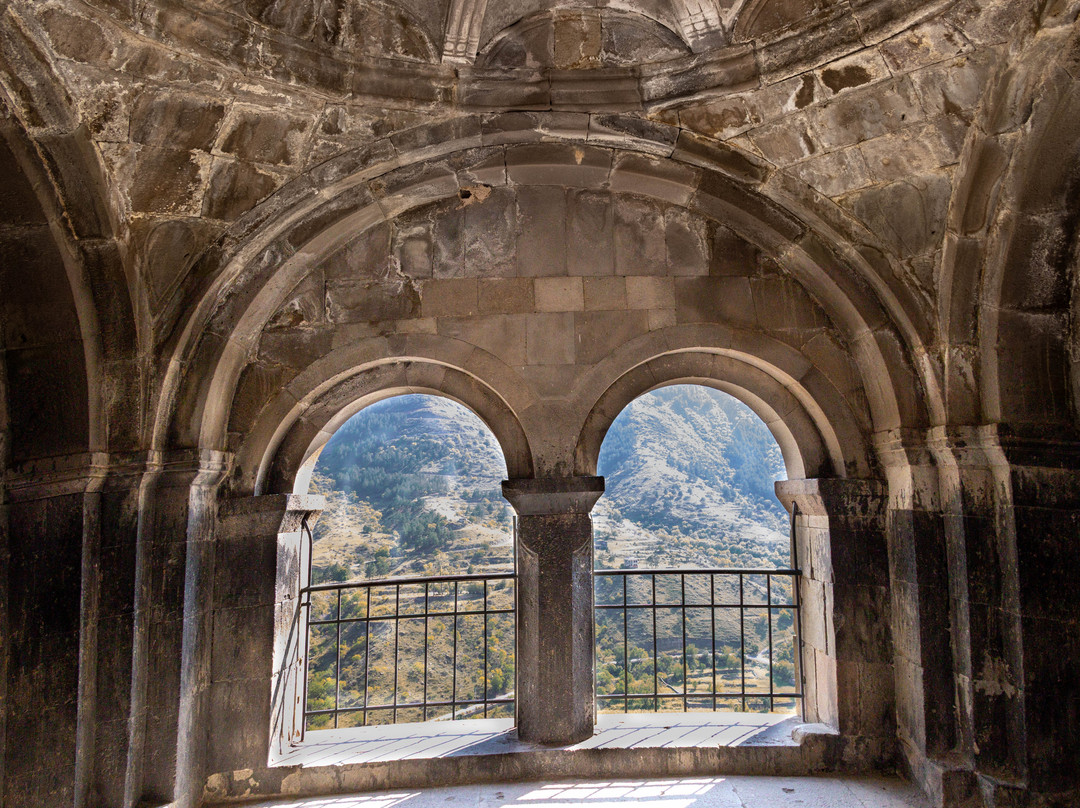
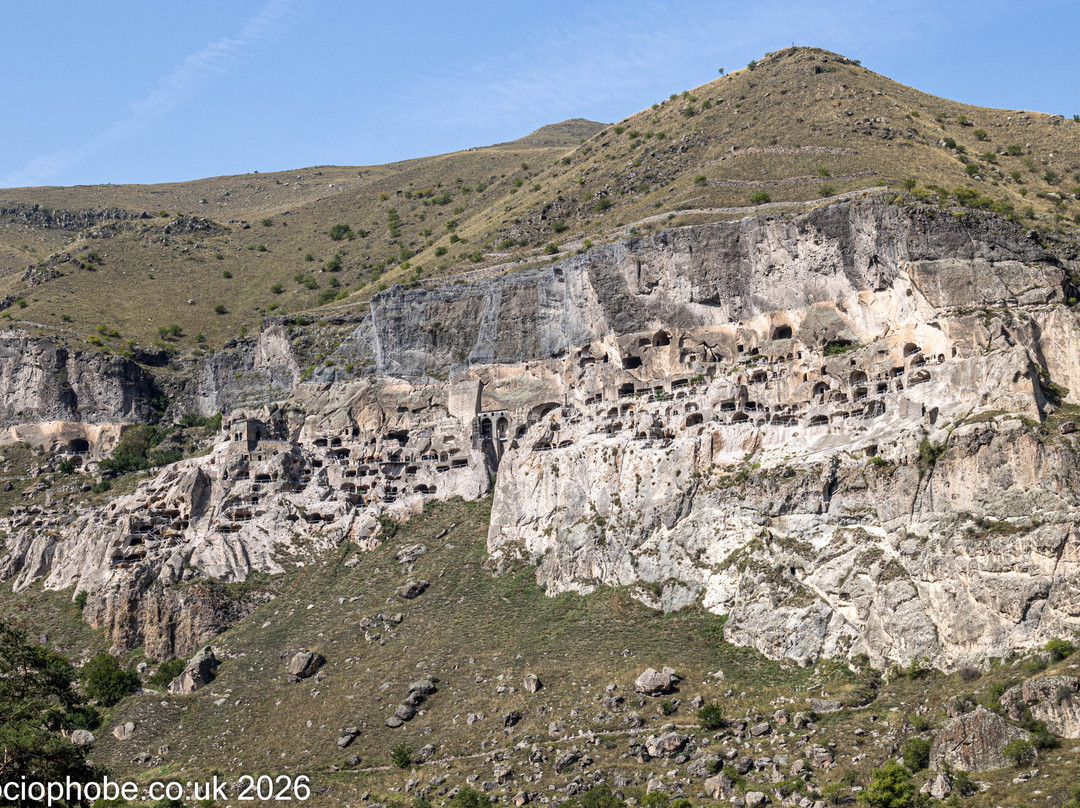
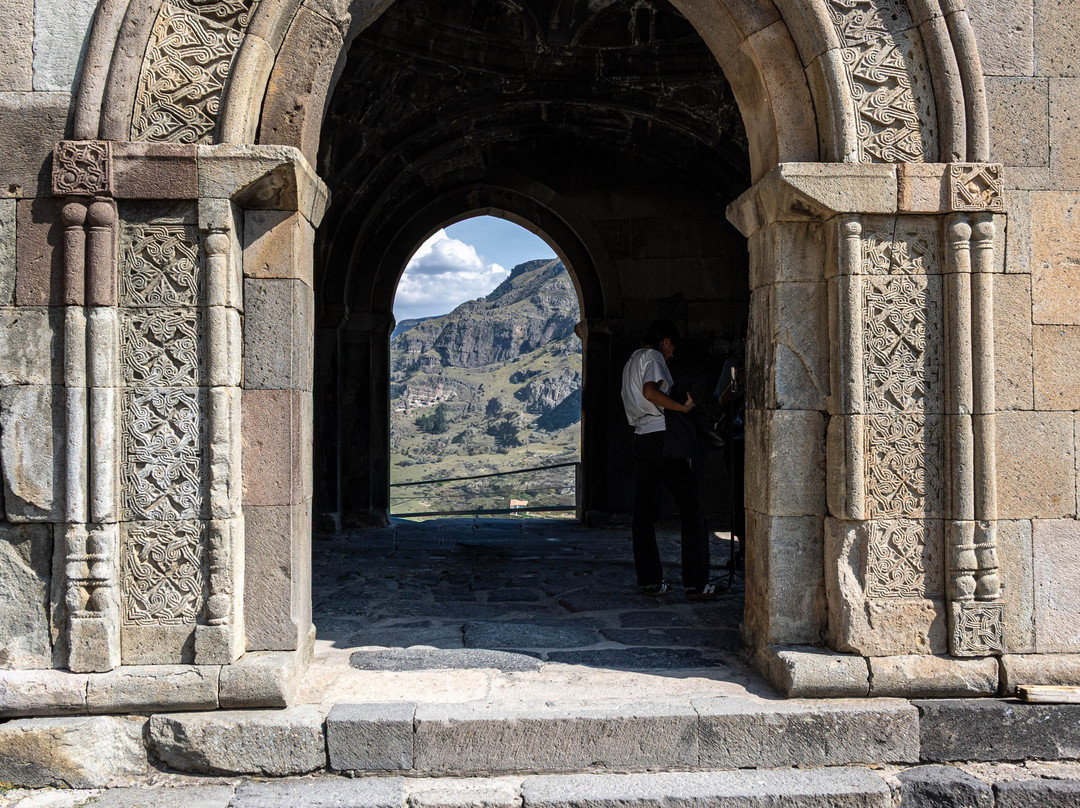
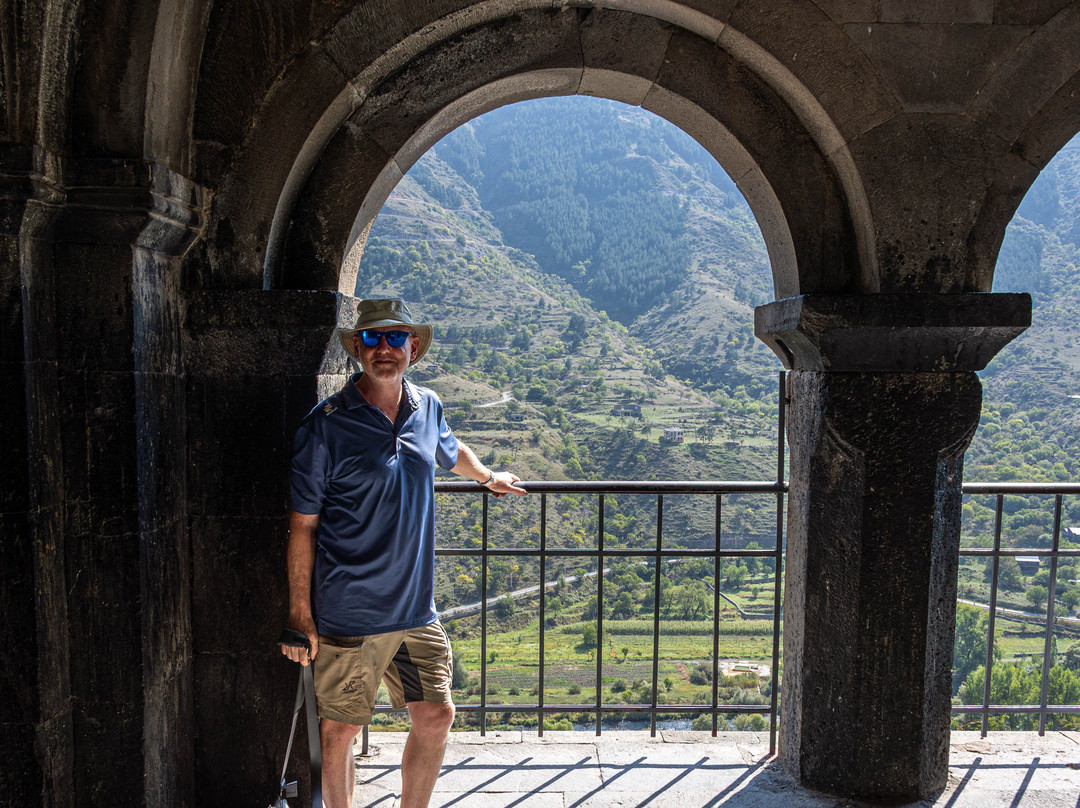
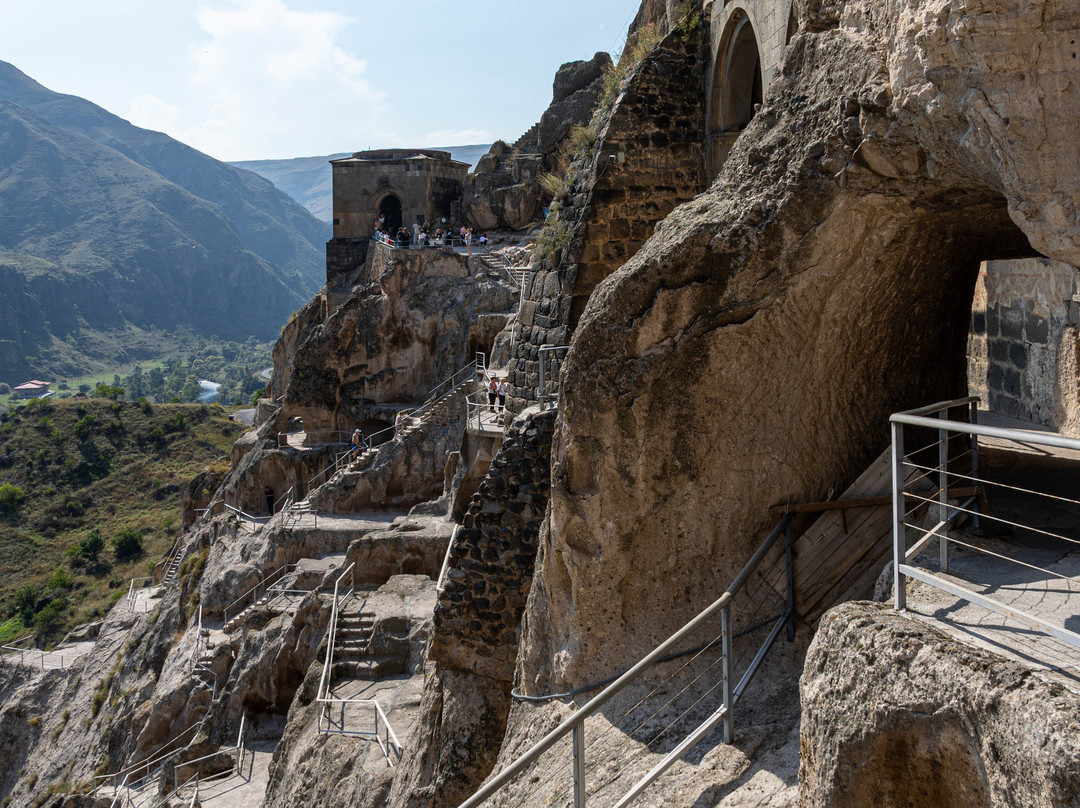
点评:We drove the short distance to the city and paid 15 Gel to enter plus 2 for the minibus to the base of the city. It was rather hot by now but David explained the history of the city to us before we walked up the final distance. The city as we see it was built in the 12th century and was both a monastery, in times of a peace and a refuge, in times of war. There are around 500 caves making up the city which was sacked and looted by the Persians in the 16th century and abandoned by the end of that century after the Ottoman occupation.
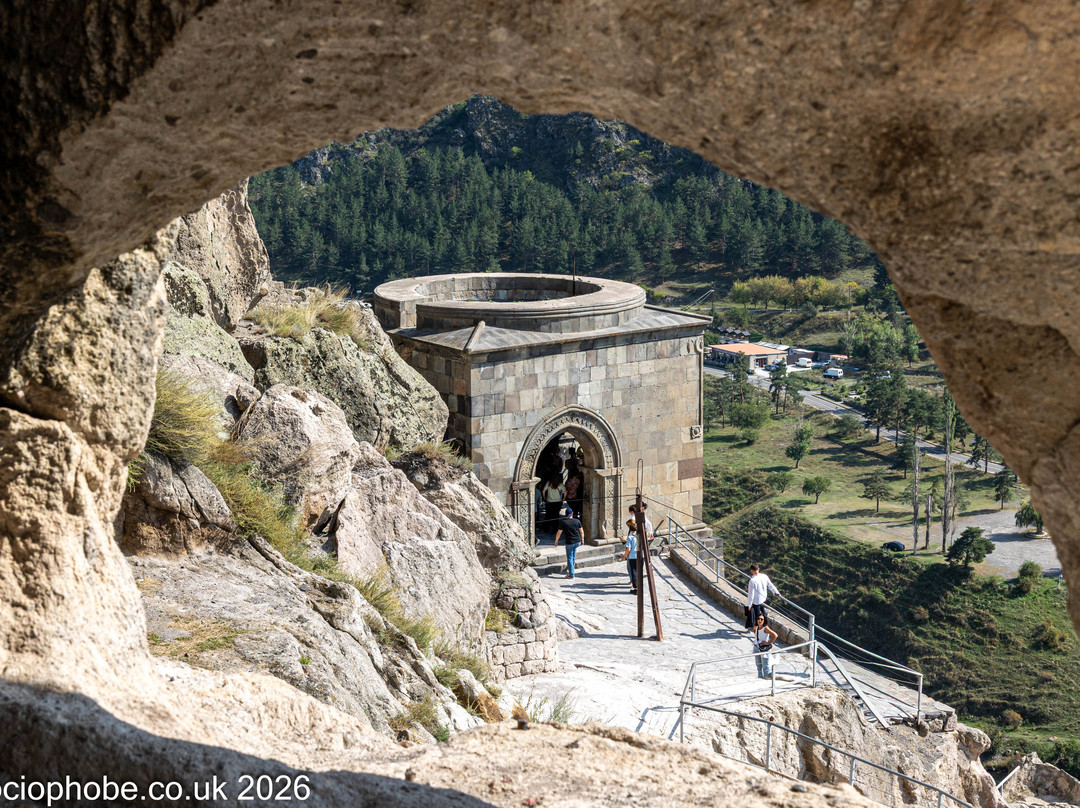
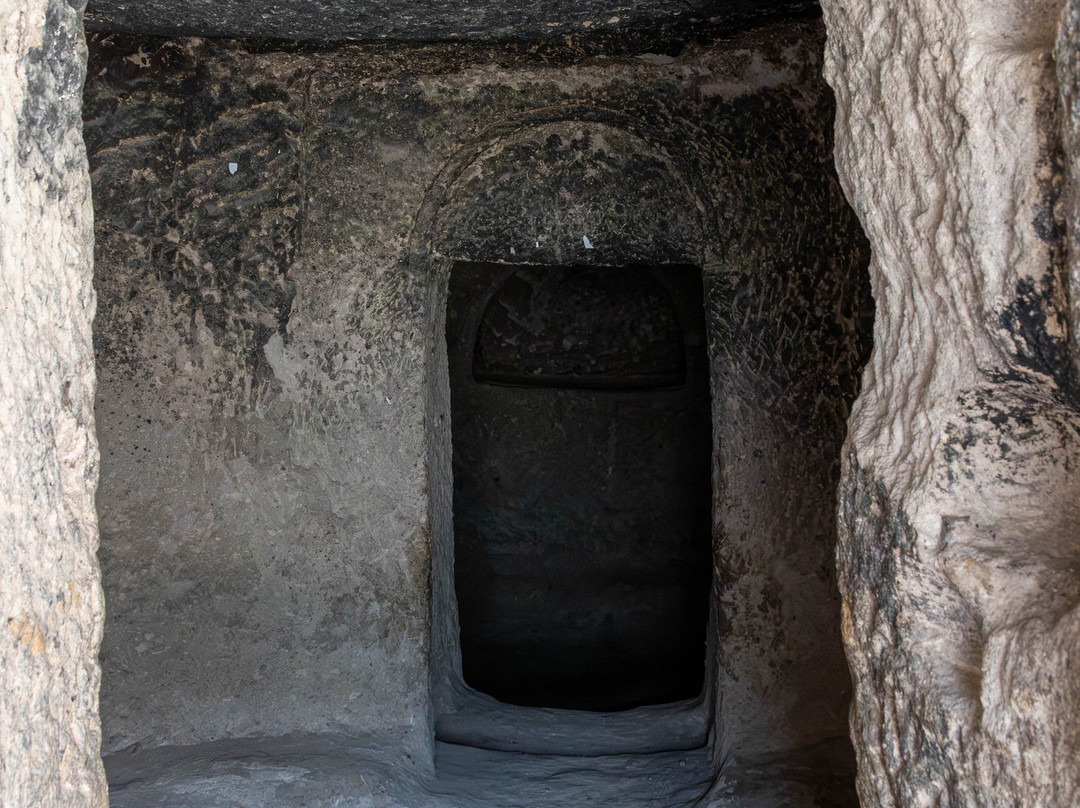
I did walk around and explore quite a lot of the site, just over a third is currently blocked off after a landslide but the rest showed various unadorned rooms, lots of buried wine jars and everything needed for a city of people in this period. The church was the only building with any decoration but we weren't allowed to take photos so when the frescoes fade due to deterioration or Turkish invasion, they will be lost.
I did walk around and explore quite a lot of the site, just over a third is currently blocked off after a landslide but the rest showed various unadorned rooms, lots of buried wine jars and everything needed for a city of people in this period. The church was the only building with any decoration but we weren't allowed to take photos so when the frescoes fade due to deterioration or Turkish invasion, they will be lost.
翻译:我们开车短途前往城市,支付了15格尔作为入场费,又花了2格尔乘坐小巴前往城脚。此时天气相当炎热,但在我们徒步登上最后一段路之前,大卫向我们介绍了这座城市的历史。我们现在看到的这座城市建于12世纪,和平时期它是一座修道院,而在战争时期则作为避难所使用。这座城市由约500个洞穴构成。16世纪时,它遭到波斯人的洗劫与掠夺;奥斯曼帝国占领后,到该世纪末这座城市便被废弃了。
我确实在遗址中四处走动并进行了探索。虽然由于山体滑坡,目前有三分之一的区域无法进入,但其余部分仍能看到许多无任何装饰的房间、大量埋在地下的酒罐,以及那个时代的城市居民所需要的一切物品。那座教堂是唯一有装饰的建筑,但我们不被允许拍照。所以,一旦那些壁画因年久失修或土耳其人的入侵而褪色剥落,它们就将永远消失不见。
我确实在遗址中四处走动并进行了探索。虽然由于山体滑坡,目前有三分之一的区域无法进入,但其余部分仍能看到许多无任何装饰的房间、大量埋在地下的酒罐,以及那个时代的城市居民所需要的一切物品。那座教堂是唯一有装饰的建筑,但我们不被允许拍照。所以,一旦那些壁画因年久失修或土耳其人的入侵而褪色剥落,它们就将永远消失不见。

© 2026 Tripadvisor 版权所有。
部分照片由 VFM Leonardo 提供。
TripAdvisor公司对外部网站的内容一概不负责。优惠价格中不含税和其他费用。
ICP证:沪B2-20200433
沪ICP备20013175号
 沪公网安备31010502005427号
鹰程信息技术(上海)有限公司