下载App
资质规则
旅行
账户

Crystalline4u
Roseate hue
Pink Lake的点评
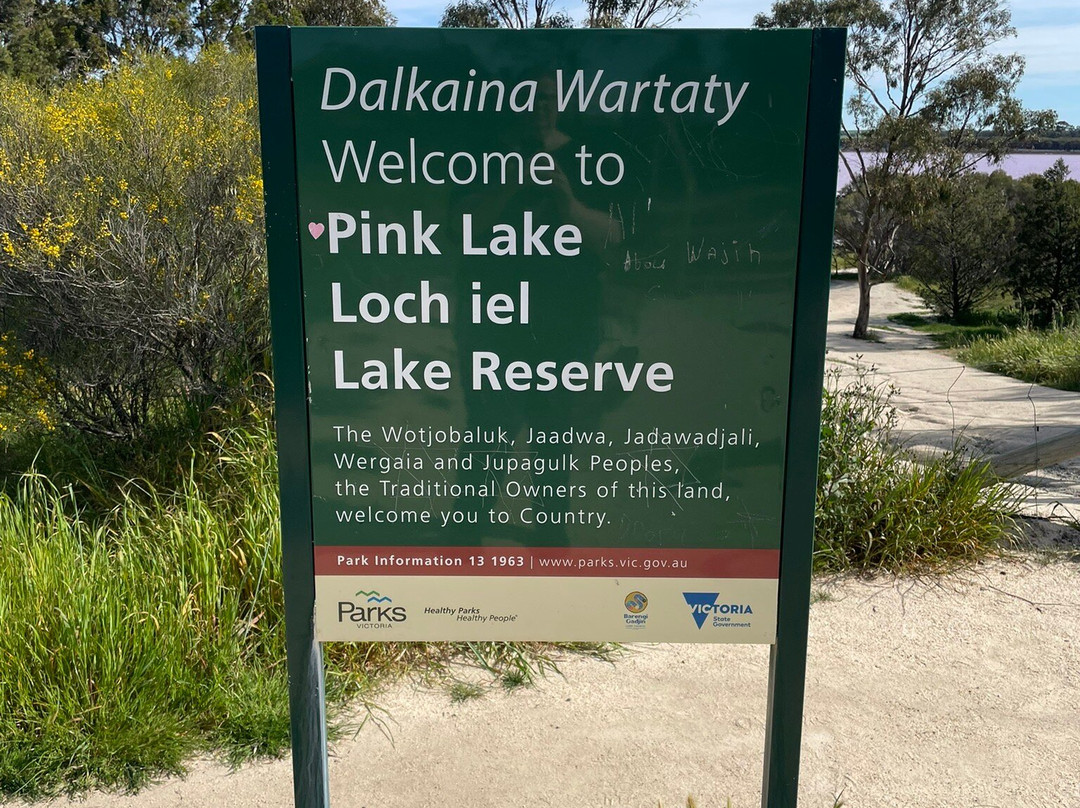
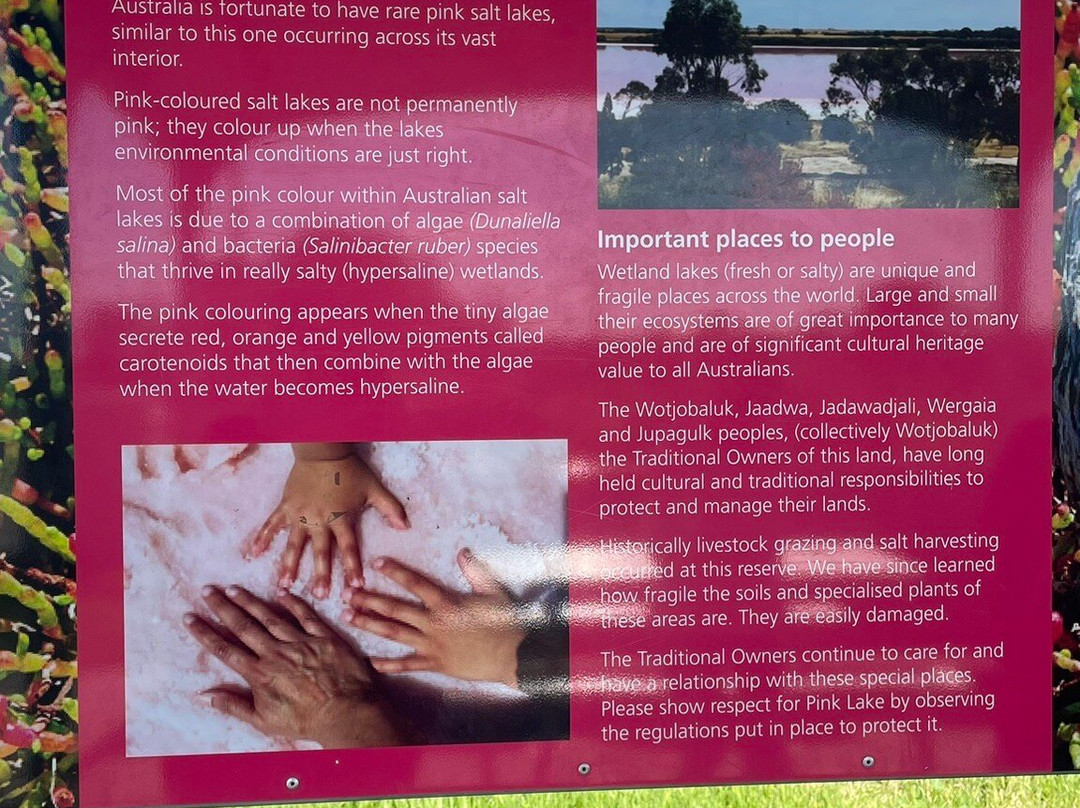
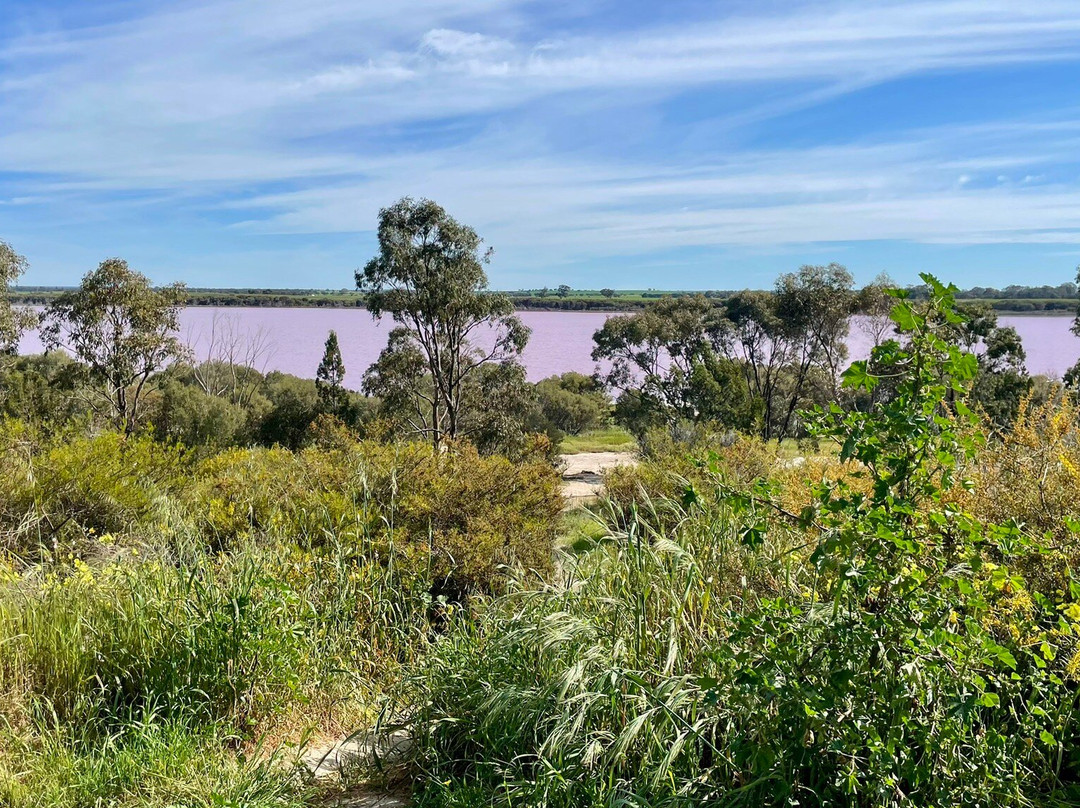
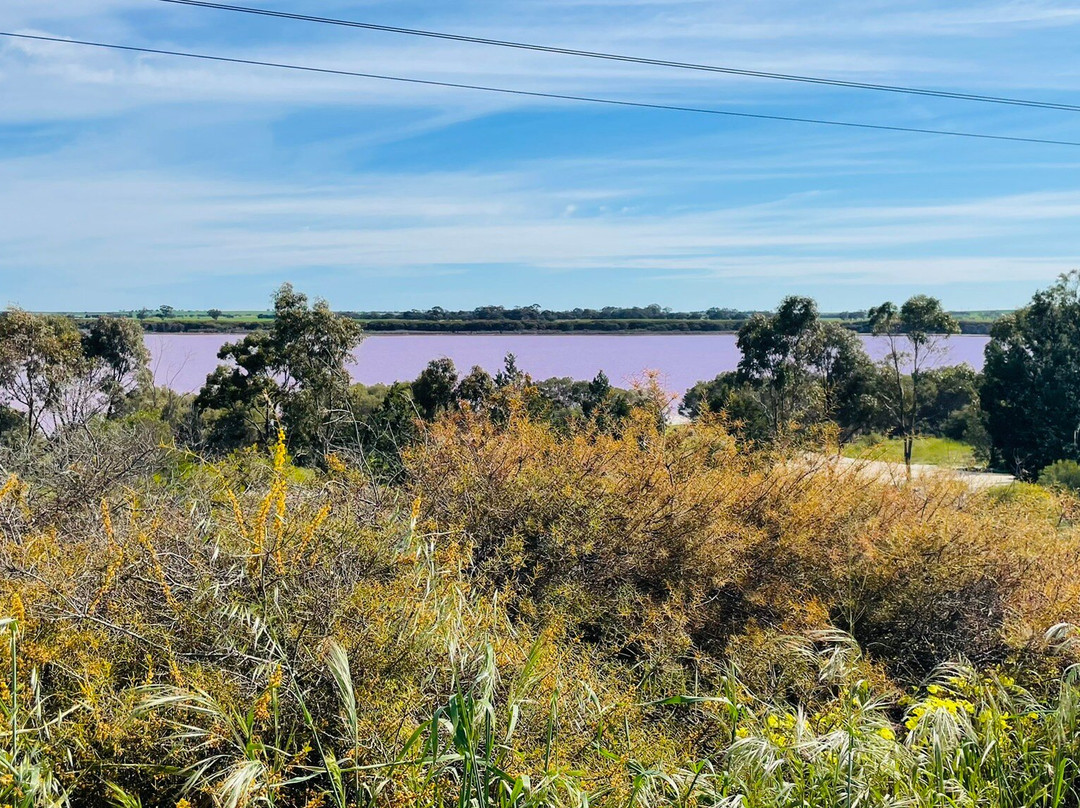
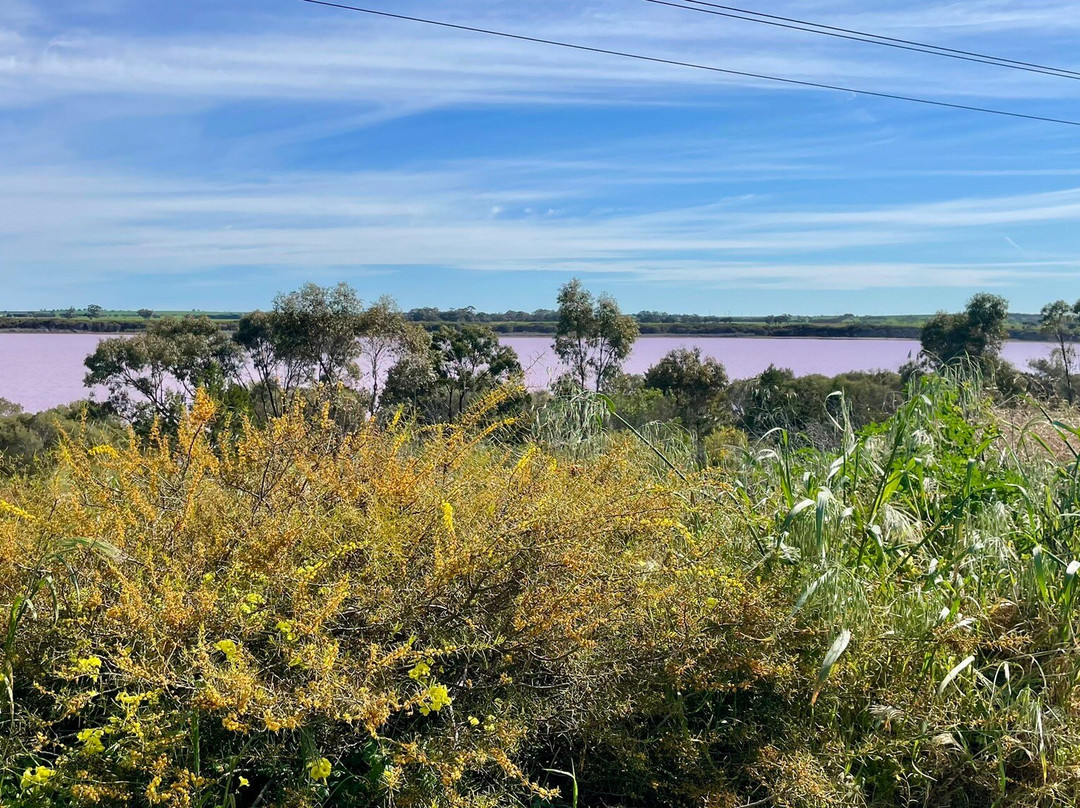
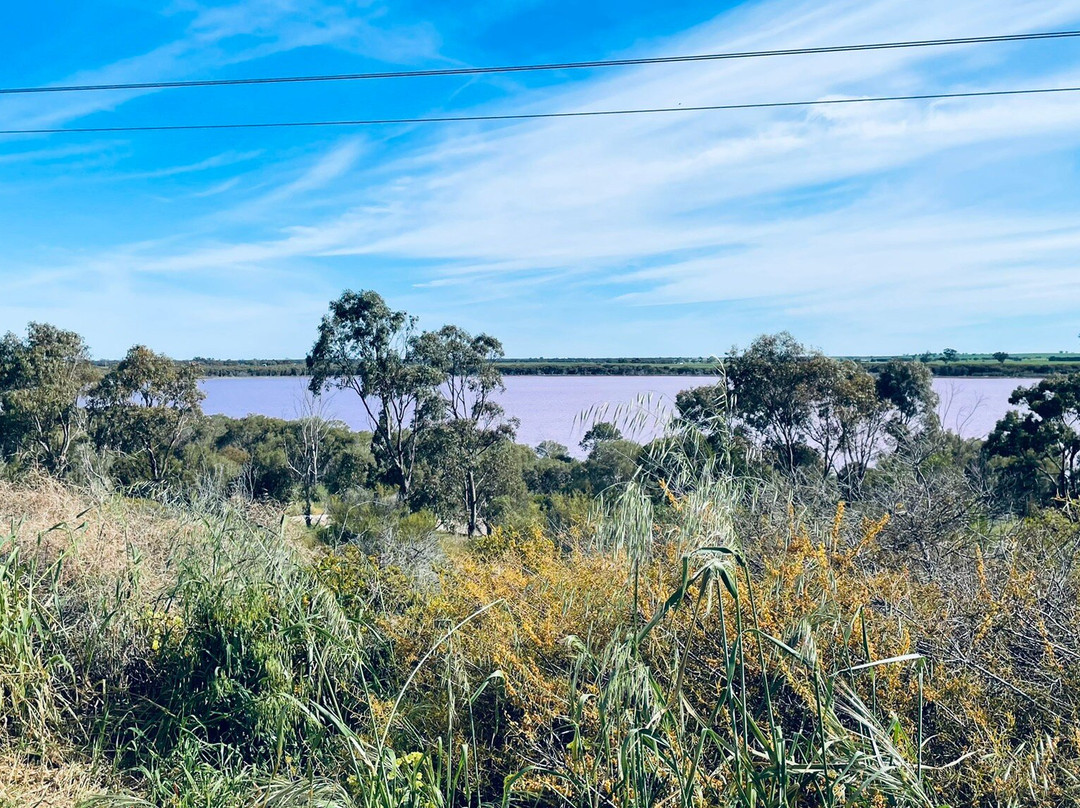
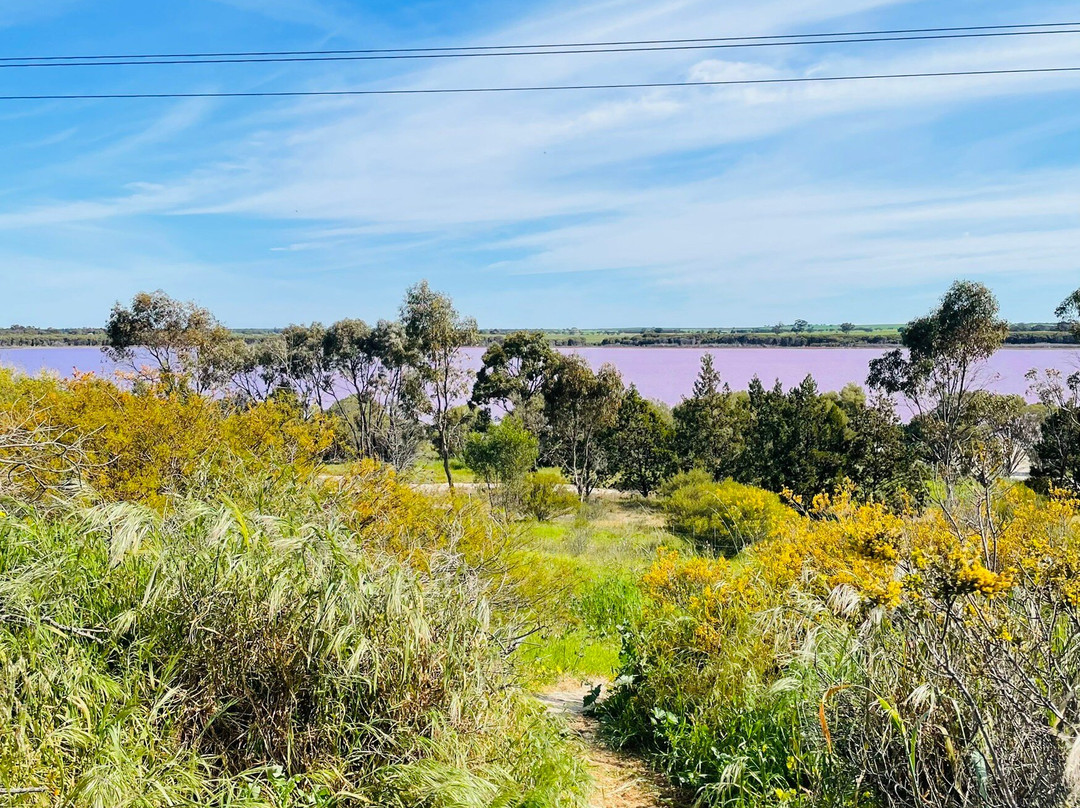
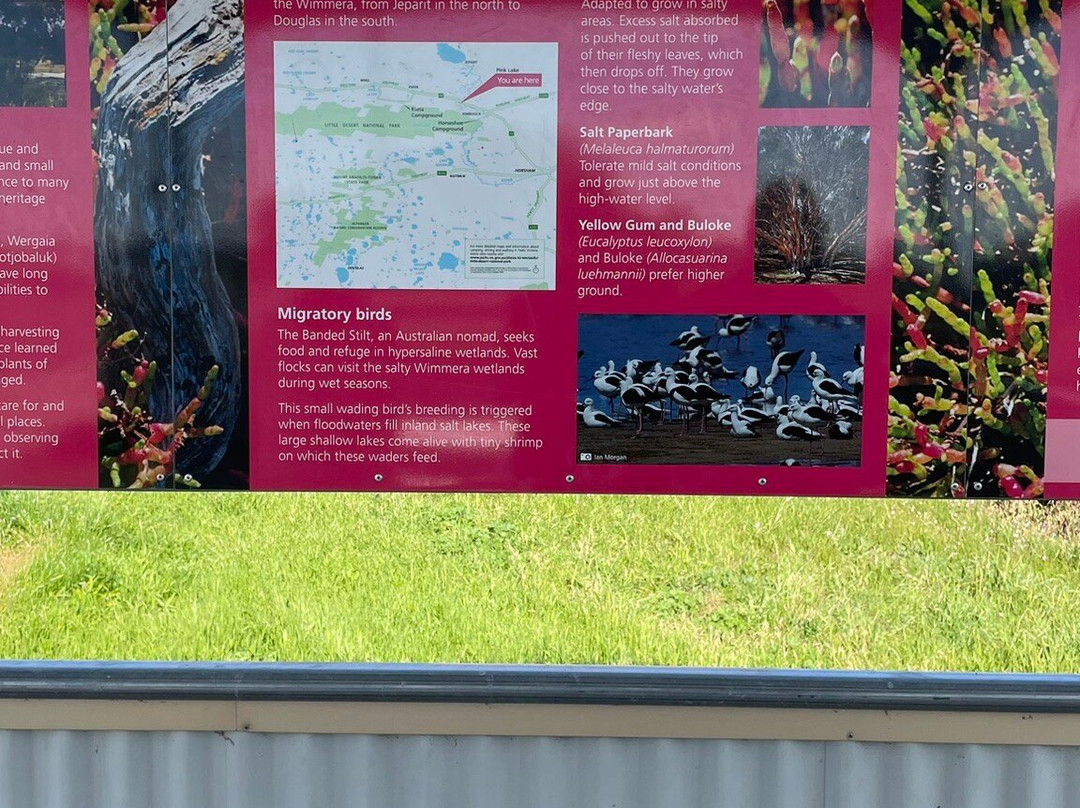
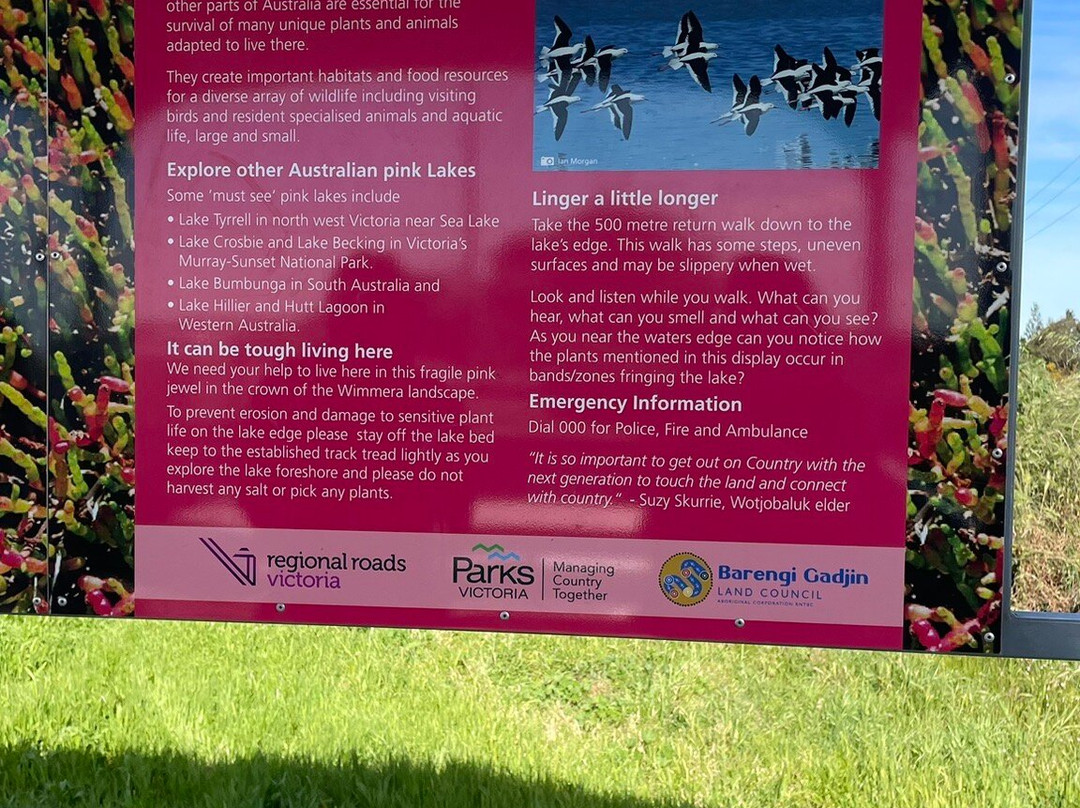
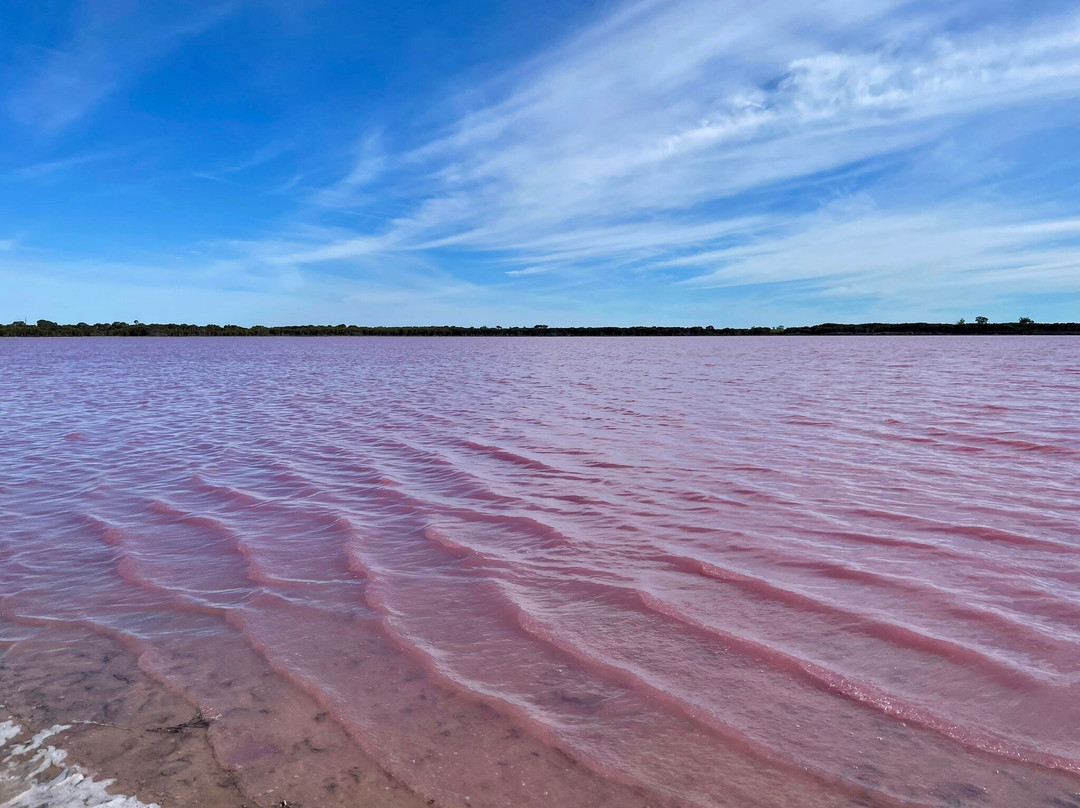
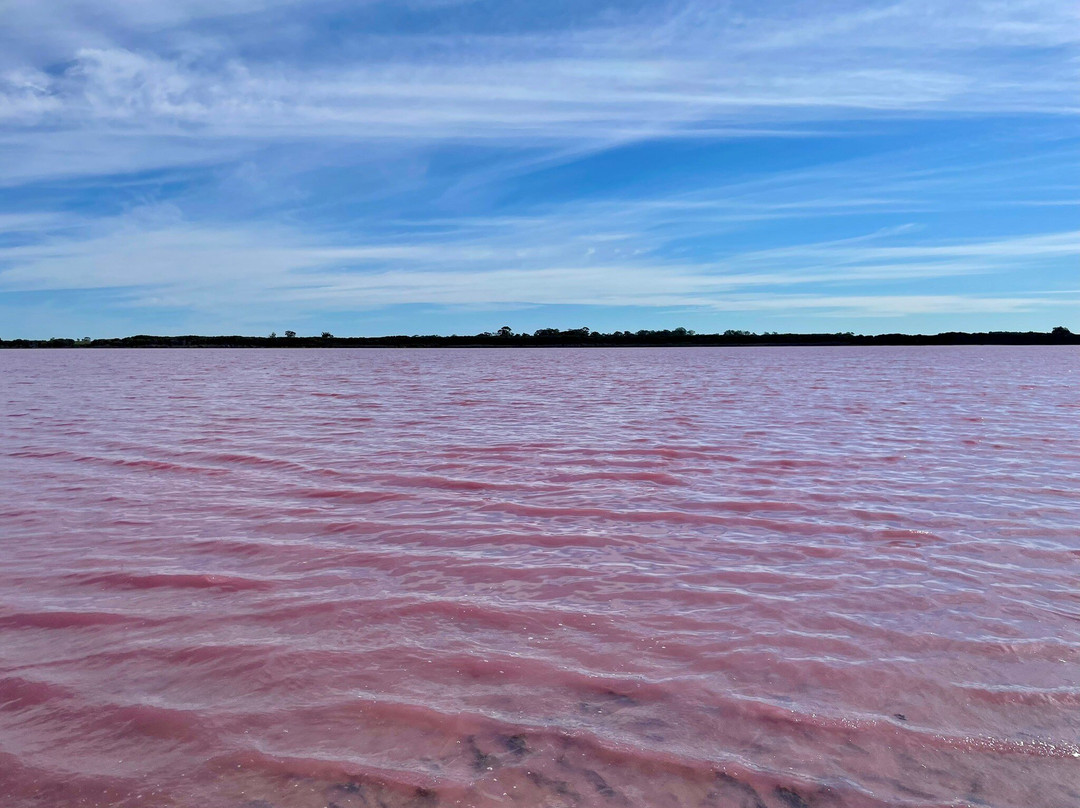
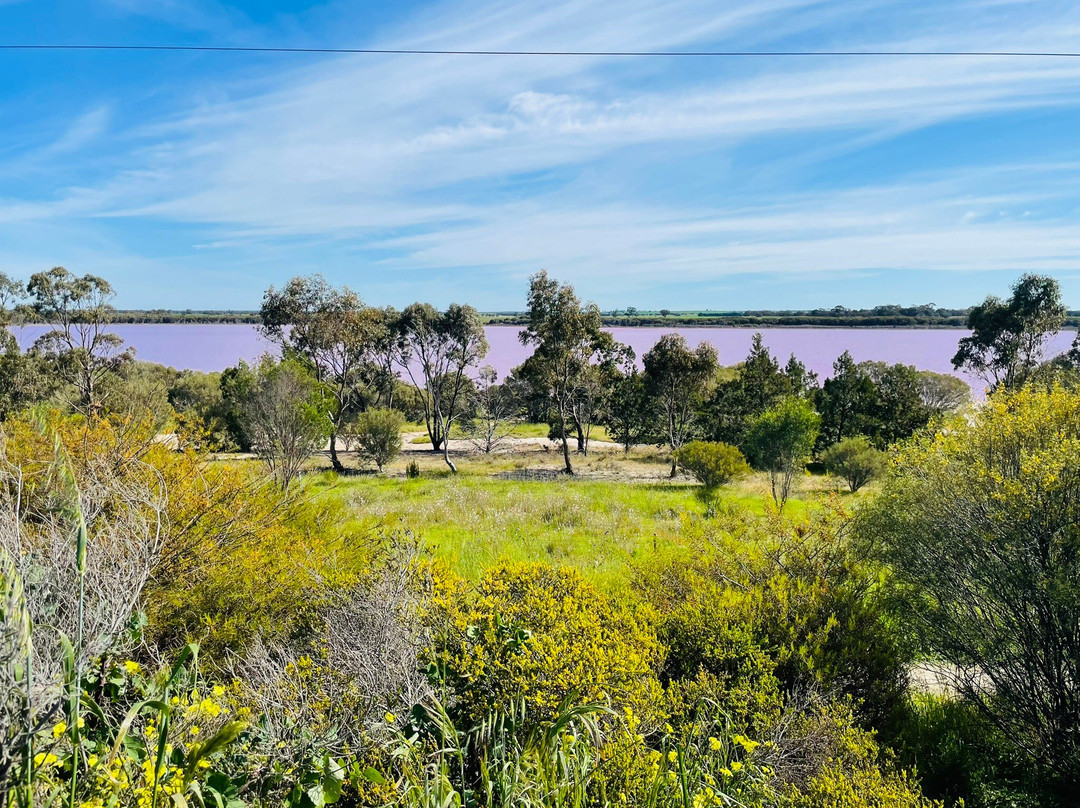
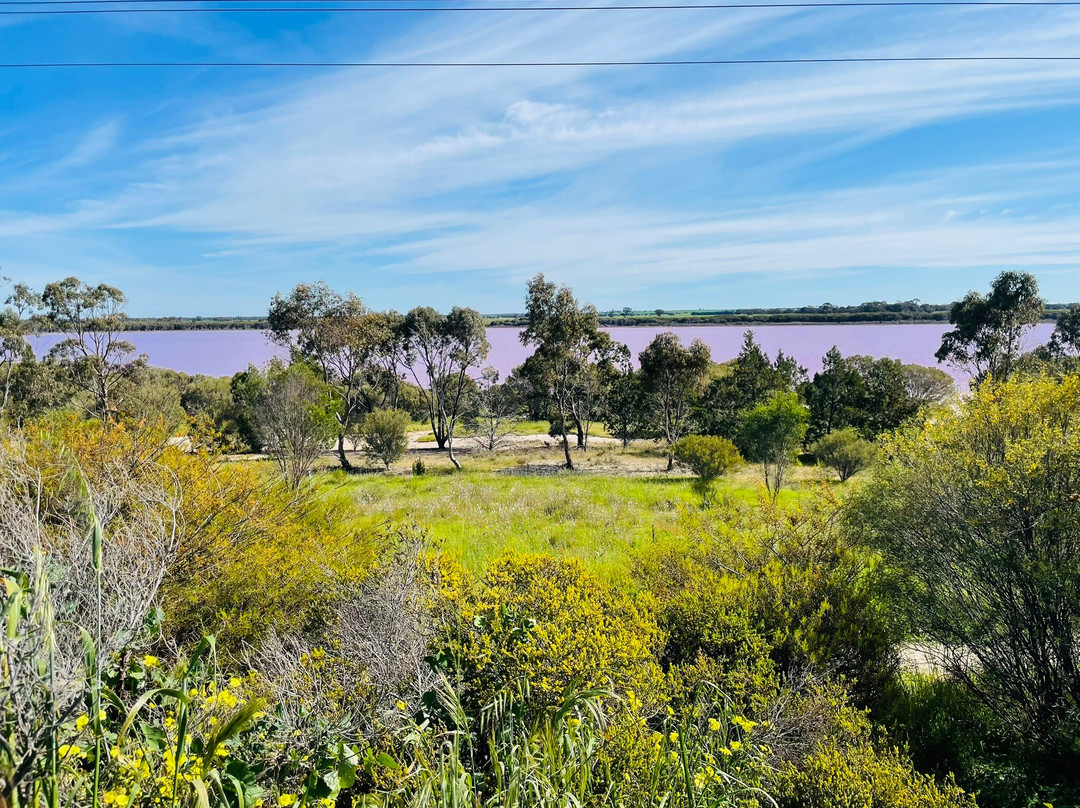
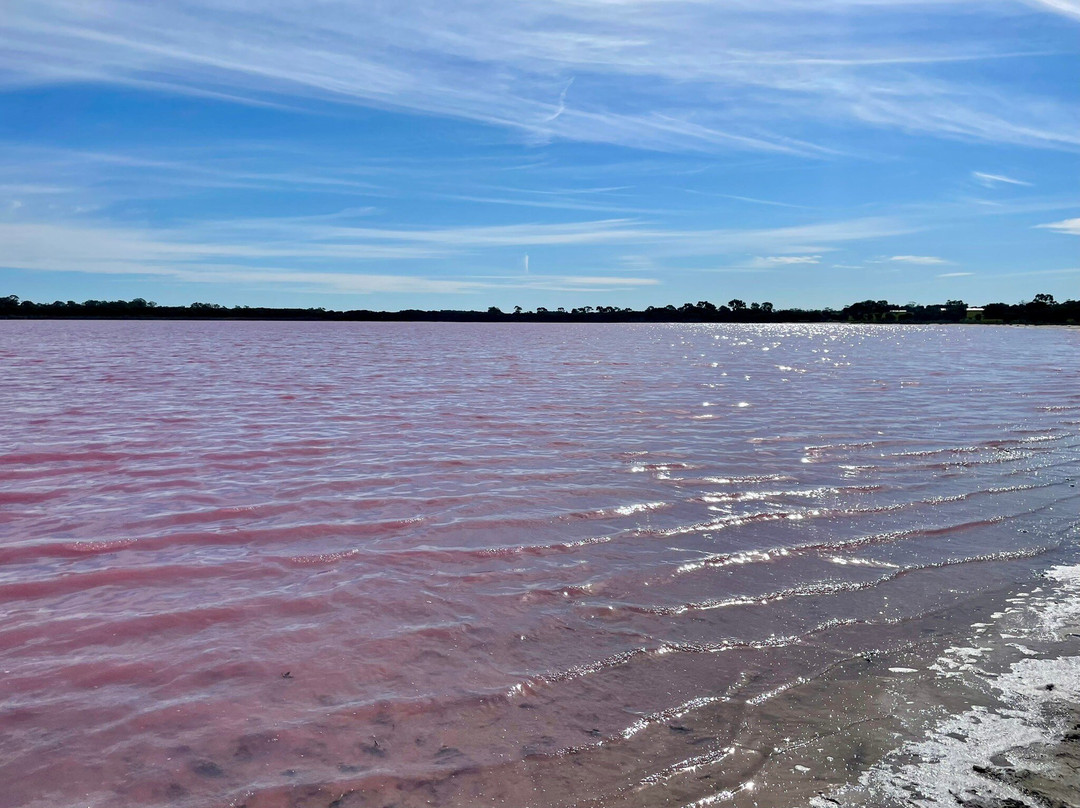
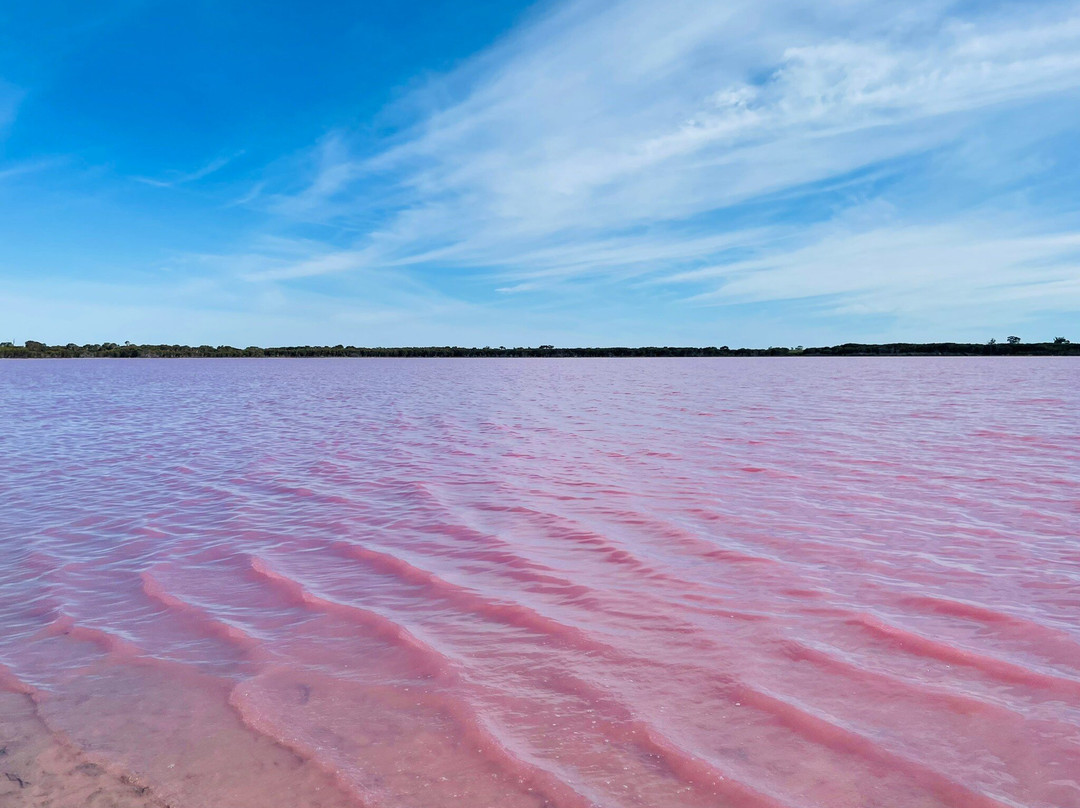
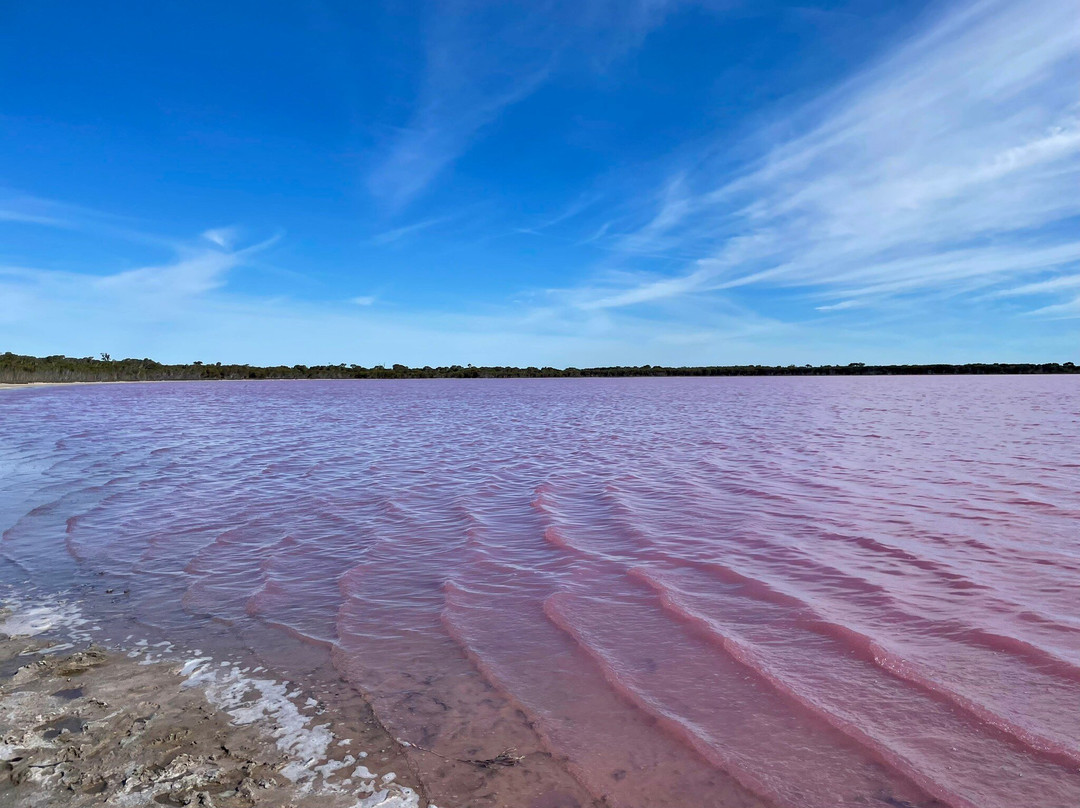
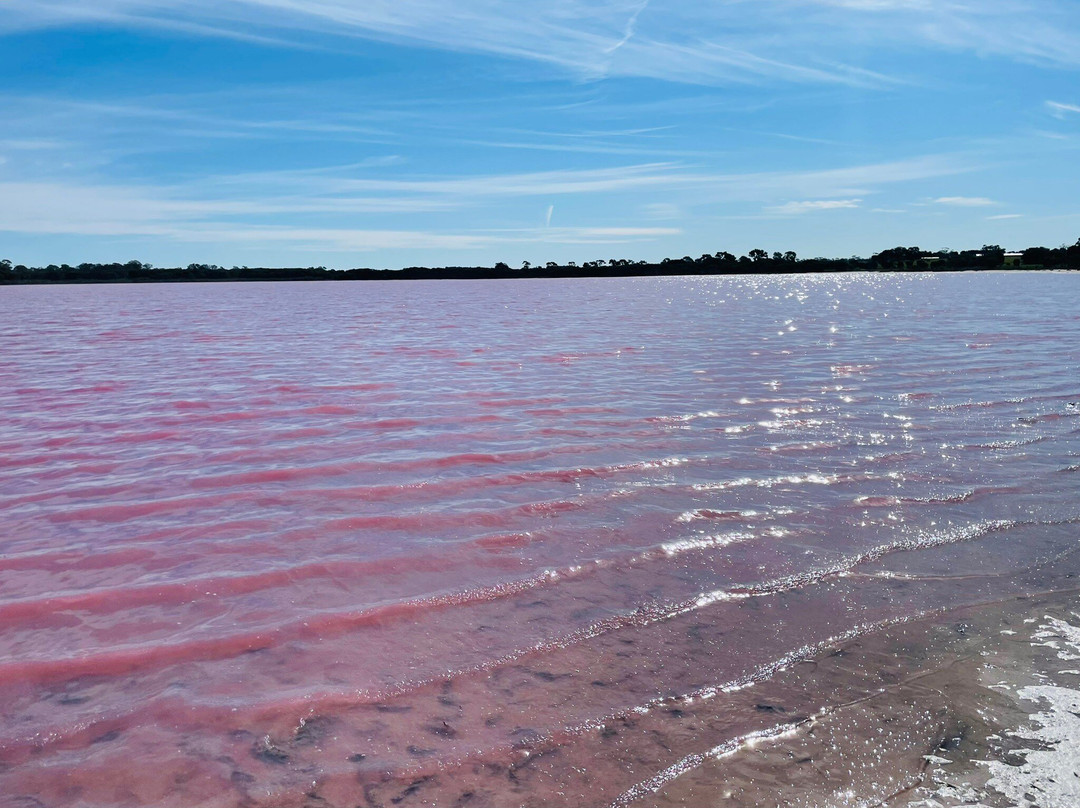
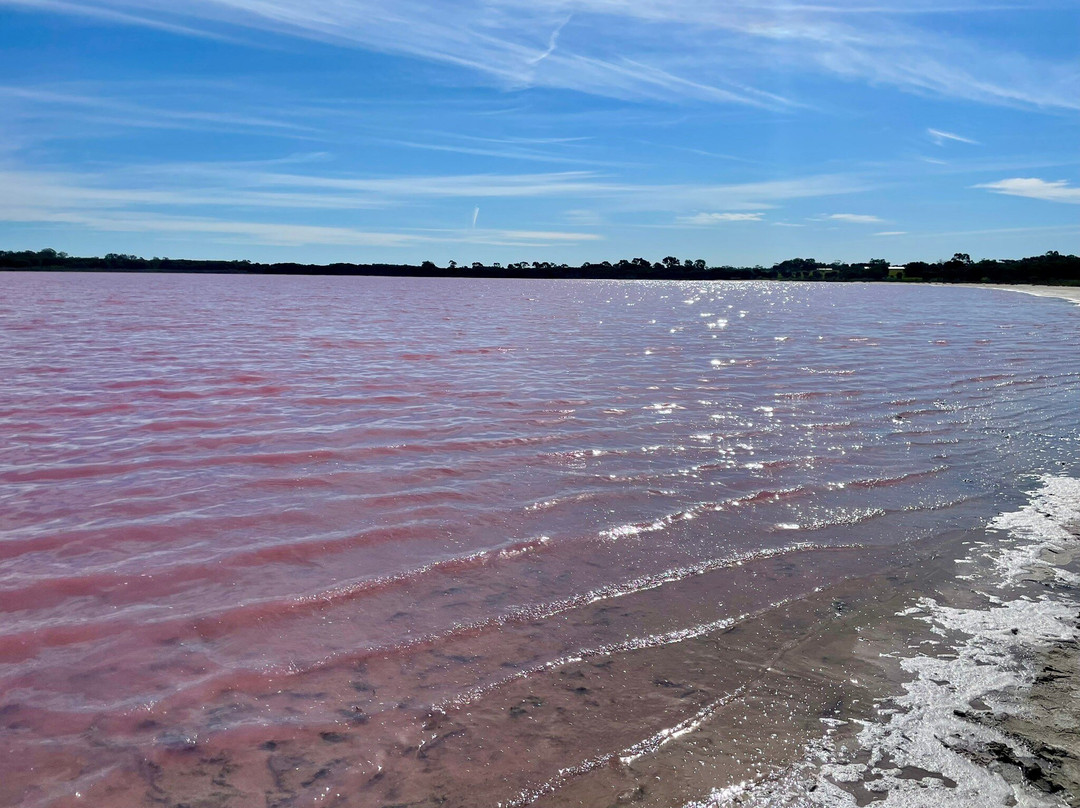
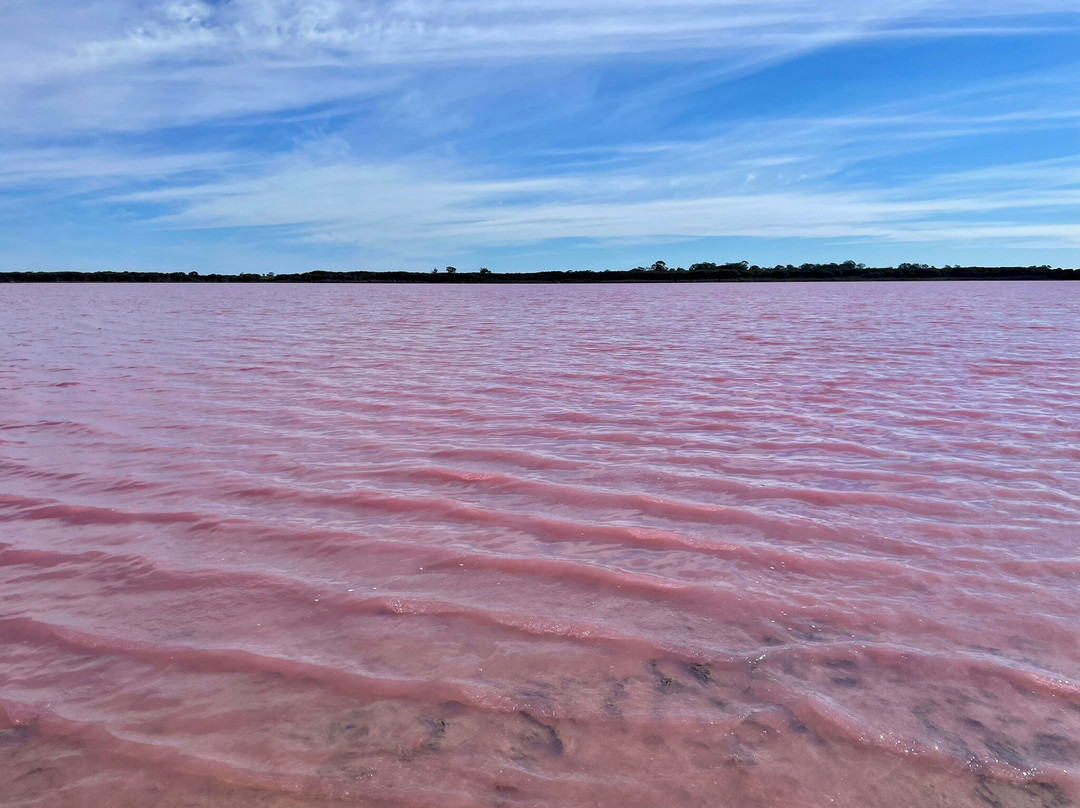
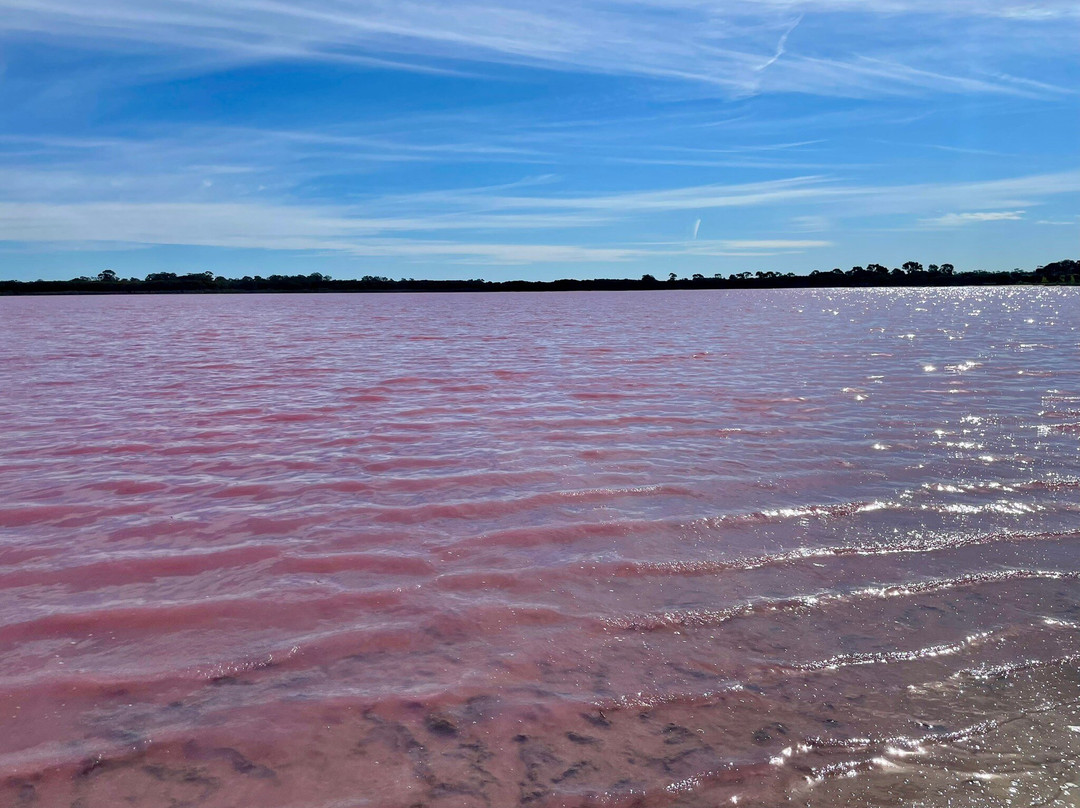
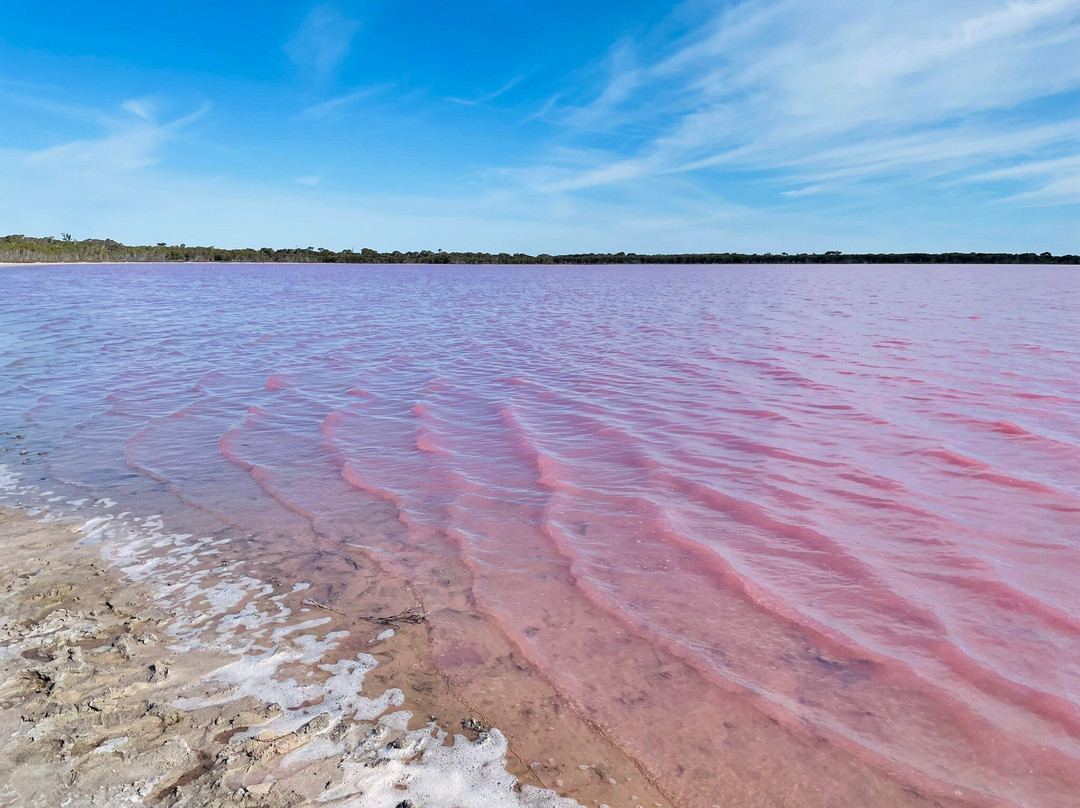
点评:Situated alongside the Western Highway is Pink Lake(historically referred to as Loch Iel) is a fascinating geomorphological marvel characterised by its striking hyper-saline basin. The lake’s distinctive roseate hue is an esoteric ecological phenomenon driven by the proliferation of extremophile microorganisms—specifically the microalgae Dunaliella salina and the halophilic bacteria Salinibacter ruber—which secrete carotene and specialised pigments to survive the hostile, high-salinity environment. Encircled by indigenous yellow gums, salt paperbarks, and specialised halophytic vegetation, this terminal wetland serves as a vivid ecological sanctuary within the broader Wotjobaluk cultural landscape.
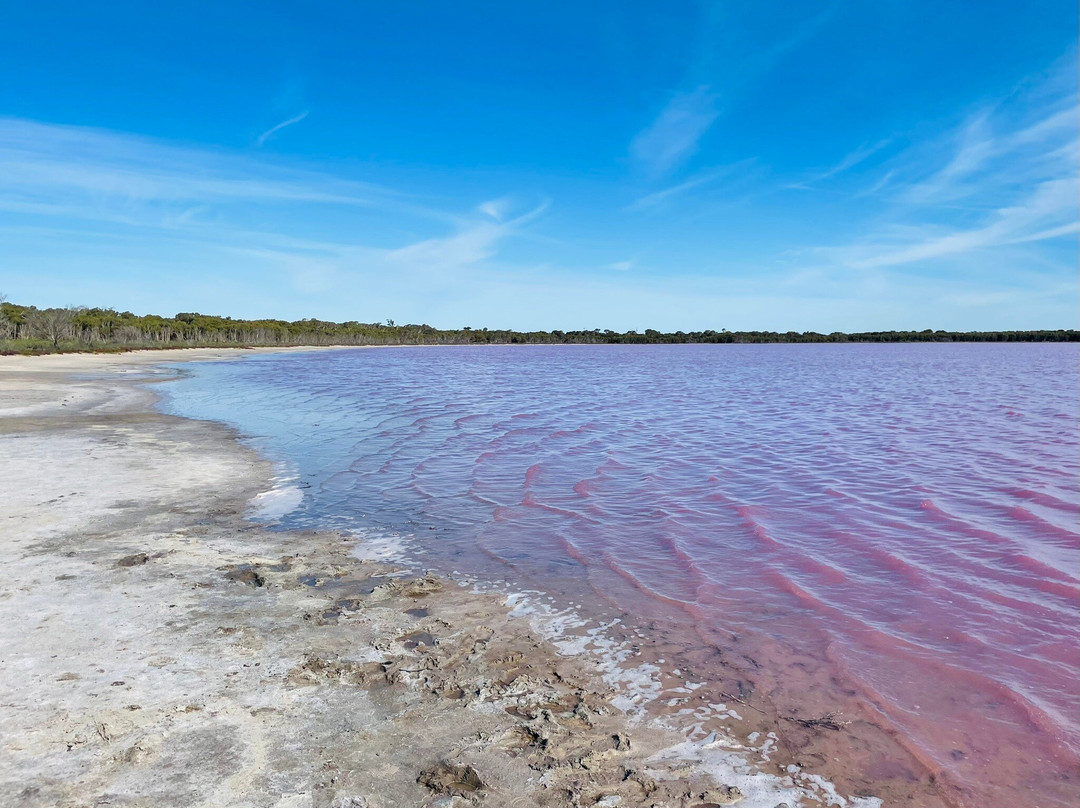
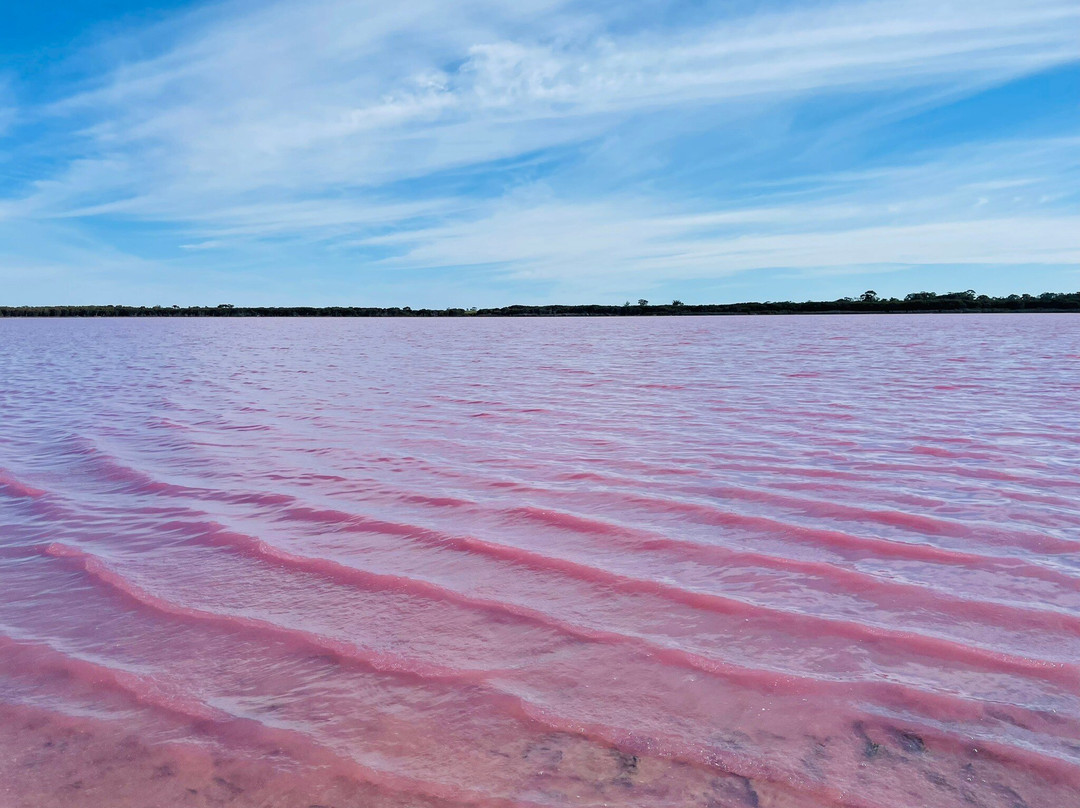
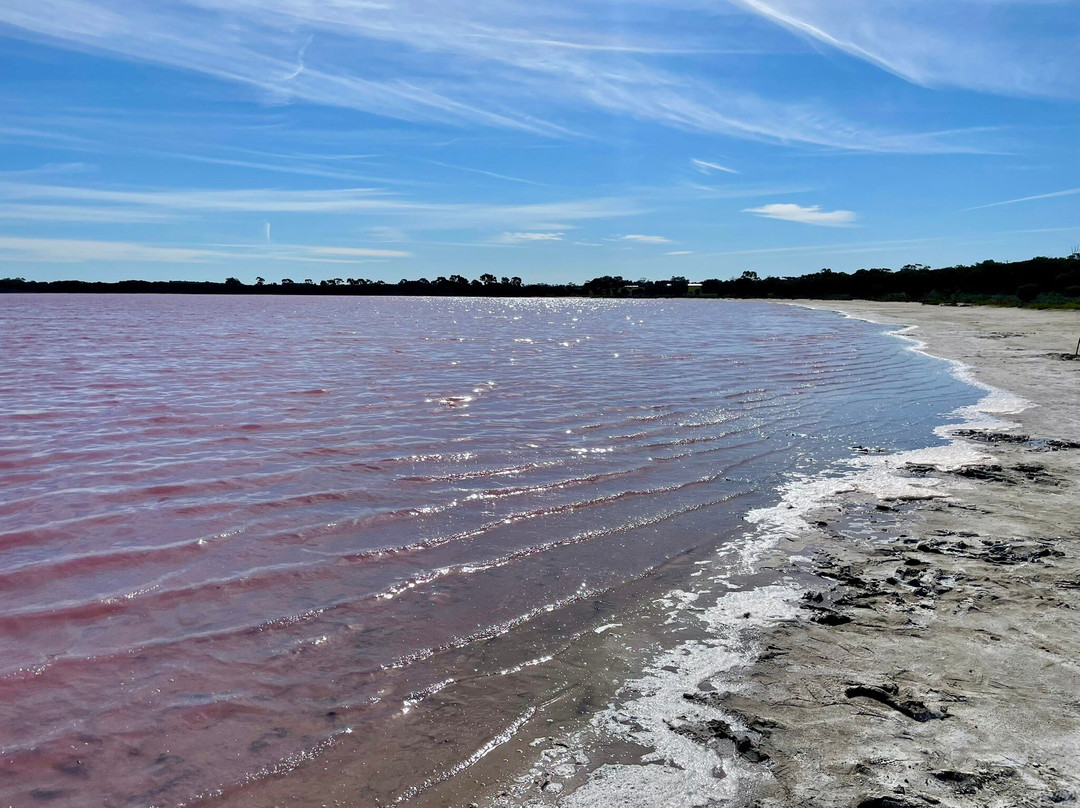
The aesthetic presentation of Pink Lake is intrinsically ephemeral, dictated by the shifting equilibrium of local hydrology, temperature, and solar radiation. Following significant precipitation events, the influx of fresh nutrients stimulates microbial activity, causing the water to luminesce in rich shades ranging from dusky pink to vibrant vermilion. Conversely, the intense thermal evaporation of the Australian summer desiccates the basin, leaving behind a crystalline, calcified crust of white and pastel-pink salt that has been harvested intermittently since the 19th century. Consequently, the lake exists in a perpetual state of limnological flux, presenting an ever-evolving canvas of biochemical synthesis and stark, surreal beauty.
The aesthetic presentation of Pink Lake is intrinsically ephemeral, dictated by the shifting equilibrium of local hydrology, temperature, and solar radiation. Following significant precipitation events, the influx of fresh nutrients stimulates microbial activity, causing the water to luminesce in rich shades ranging from dusky pink to vibrant vermilion. Conversely, the intense thermal evaporation of the Australian summer desiccates the basin, leaving behind a crystalline, calcified crust of white and pastel-pink salt that has been harvested intermittently since the 19th century. Consequently, the lake exists in a perpetual state of limnological flux, presenting an ever-evolving canvas of biochemical synthesis and stark, surreal beauty.
翻译:粉红湖位于西部公路旁,历史上又被称为洛赫伊尔湖。这片湖泊堪称一处极为独特的地质奇观,以其高盐度的湖盆而著称。其独特的粉红色调则是一种奇妙的生态现象:这是由于一些极端环境适应性微生物大量繁殖所致——具体来说就是盐生杜氏藻以及嗜盐红细菌。这些微生物会分泌胡萝卜素及其他特殊色素,以在极其恶劣的环境中存活下来。高盐度环境。这片湿地四周环绕着本地的黄桉树、盐叶桉以及各类耐盐植物,堪称沃特乔巴卢克文化景观中一处生动的生态庇护所。
粉红湖的景观之美本质上是转瞬即逝的,它取决于当地水文、温度和太阳辐射之间的动态平衡。每逢大量降水之后,大量新鲜养分的注入便会促进微生物的活跃生长。这使得湖水呈现出从暗粉色到鲜红色等各种丰富的色调。相反,澳大利亚夏季的高温与强烈蒸发作用则使湖盆逐渐干涸,留下一层由白色和淡粉色盐分构成的结晶外壳;自19世纪起,人们便断断续续地开采这些盐。正因如此,这个湖泊始终处于水文环境的动态变化之中,成为一幅不断演变着的生化反应图景,同时也展现出一种极为奇异而美丽的景致。
粉红湖的景观之美本质上是转瞬即逝的,它取决于当地水文、温度和太阳辐射之间的动态平衡。每逢大量降水之后,大量新鲜养分的注入便会促进微生物的活跃生长。这使得湖水呈现出从暗粉色到鲜红色等各种丰富的色调。相反,澳大利亚夏季的高温与强烈蒸发作用则使湖盆逐渐干涸,留下一层由白色和淡粉色盐分构成的结晶外壳;自19世纪起,人们便断断续续地开采这些盐。正因如此,这个湖泊始终处于水文环境的动态变化之中,成为一幅不断演变着的生化反应图景,同时也展现出一种极为奇异而美丽的景致。

© 2026 Tripadvisor 版权所有。
部分照片由 VFM Leonardo 提供。
TripAdvisor公司对外部网站的内容一概不负责。优惠价格中不含税和其他费用。
ICP证:沪B2-20200433
沪ICP备20013175号
 沪公网安备31010502005427号
鹰程信息技术(上海)有限公司