下载App
资质规则
旅行
账户

RWietlisbach
Experiencing Ainu culture
Lake Akan Ainu Theater Icolo的点评
点评:We watched two performances during our visit to the village.
The first, Ainu Traditional Dance, contained quite a lot of spoken explanations in Japanese. I found these difficult to follow despite my Japanese language ability, and they were naturally completely lost on my brother, who was visiting from Europe. We wished there had been a way to make the story being told more accessible to non-Japanese speakers.
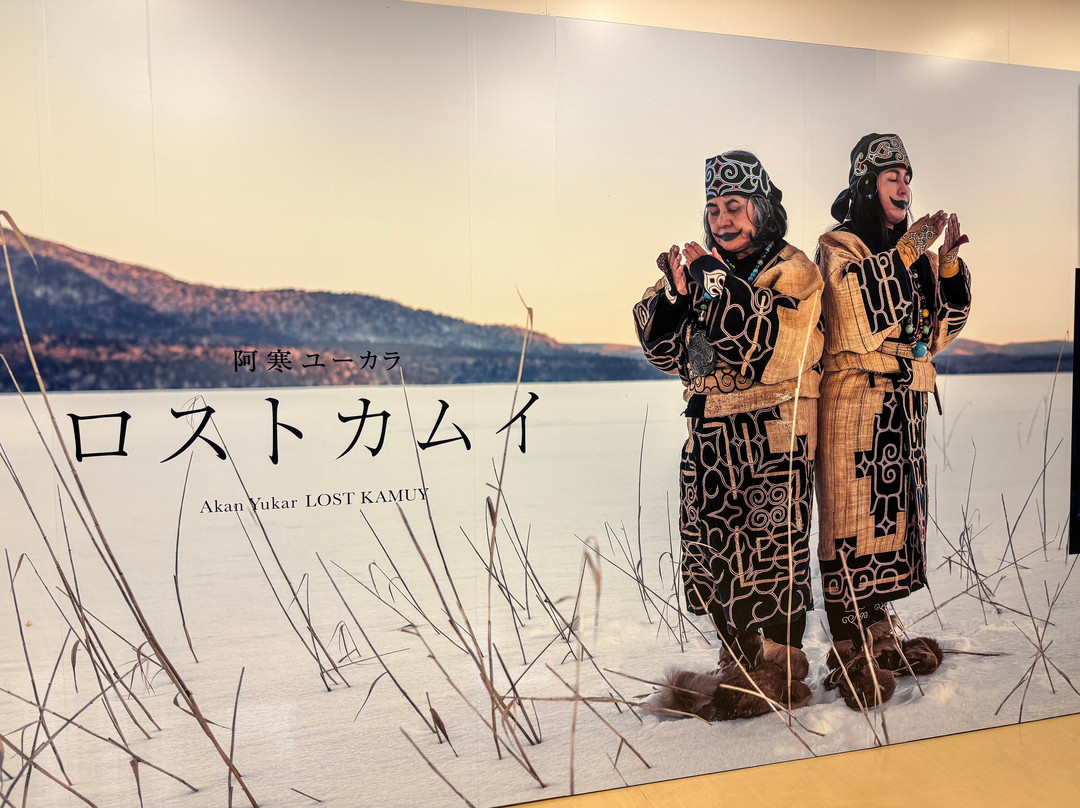
The second performance, Lost Kamuy, was more immersive and relied less on spoken explanations. Even so, we still had to rely on my Japanese wife to explain some important parts of the story.
What we absolutely loved, though, was the dancing at the end, which involved the audience.
That was when something changed.
Rather than being told about Ainu culture, we were suddenly experiencing it. The music, the movement and the sense of participation created something that felt genuinely spiritual.
For a brief moment, we weren’t simply watching a performance about the Ainu.
We were getting a taste of what their culture is about — not explained, but experienced.
I still get goosebumps just remembering it.
The first, Ainu Traditional Dance, contained quite a lot of spoken explanations in Japanese. I found these difficult to follow despite my Japanese language ability, and they were naturally completely lost on my brother, who was visiting from Europe. We wished there had been a way to make the story being told more accessible to non-Japanese speakers.
The second performance, Lost Kamuy, was more immersive and relied less on spoken explanations. Even so, we still had to rely on my Japanese wife to explain some important parts of the story.
What we absolutely loved, though, was the dancing at the end, which involved the audience.
That was when something changed.
Rather than being told about Ainu culture, we were suddenly experiencing it. The music, the movement and the sense of participation created something that felt genuinely spiritual.
For a brief moment, we weren’t simply watching a performance about the Ainu.
We were getting a taste of what their culture is about — not explained, but experienced.
I still get goosebumps just remembering it.
翻译:我们在访问该村期间观看了两场表演。
第一场是阿伊努族传统舞蹈表演,其中包含了大量用日语进行的口头解说。尽管我具备一定的日语能力,但这些解说仍让我难以理解;而对于从欧洲前来的我的弟弟来说,这些解说则完全听不懂。我们希望当时能有某种方式,让非日语使用者也能更好地理解表演所讲述的内容。
第二场表演名为《迷失的卡穆伊》。这种体验更具沉浸感,对口头讲解的依赖也较少。即便如此,我们还是得靠我的日本妻子来解释故事中的一些重要环节。
不过,我们最喜欢的还是结尾处的舞蹈环节,观众们也参与其中。
就在那时,情况发生了转变。
我们不再只是被动地了解阿伊努文化,而是突然间身临其境地体验它。音乐、动作以及那种参与感共同营造出了一种真正带有灵性的氛围。
就在那一瞬间……我们并不只是在观看一场关于阿伊努人的表演。
我们切实体会到了他们的文化——无需任何解释,只需亲身感受。
如今只要一回忆起那段经历,我依然会起鸡皮疙瘩。
第一场是阿伊努族传统舞蹈表演,其中包含了大量用日语进行的口头解说。尽管我具备一定的日语能力,但这些解说仍让我难以理解;而对于从欧洲前来的我的弟弟来说,这些解说则完全听不懂。我们希望当时能有某种方式,让非日语使用者也能更好地理解表演所讲述的内容。
第二场表演名为《迷失的卡穆伊》。这种体验更具沉浸感,对口头讲解的依赖也较少。即便如此,我们还是得靠我的日本妻子来解释故事中的一些重要环节。
不过,我们最喜欢的还是结尾处的舞蹈环节,观众们也参与其中。
就在那时,情况发生了转变。
我们不再只是被动地了解阿伊努文化,而是突然间身临其境地体验它。音乐、动作以及那种参与感共同营造出了一种真正带有灵性的氛围。
就在那一瞬间……我们并不只是在观看一场关于阿伊努人的表演。
我们切实体会到了他们的文化——无需任何解释,只需亲身感受。
如今只要一回忆起那段经历,我依然会起鸡皮疙瘩。

© 2026 Tripadvisor 版权所有。
部分照片由 VFM Leonardo 提供。
TripAdvisor公司对外部网站的内容一概不负责。优惠价格中不含税和其他费用。
ICP证:沪B2-20200433
沪ICP备20013175号
 沪公网安备31010502005427号
鹰程信息技术(上海)有限公司