下载App
资质规则
旅行
账户

Grover R
Amazing Way to Experience the Foundations of Montreal - Great Experience
Pointe-a-Calliere, Montreal Archaeology and History Complex的点评
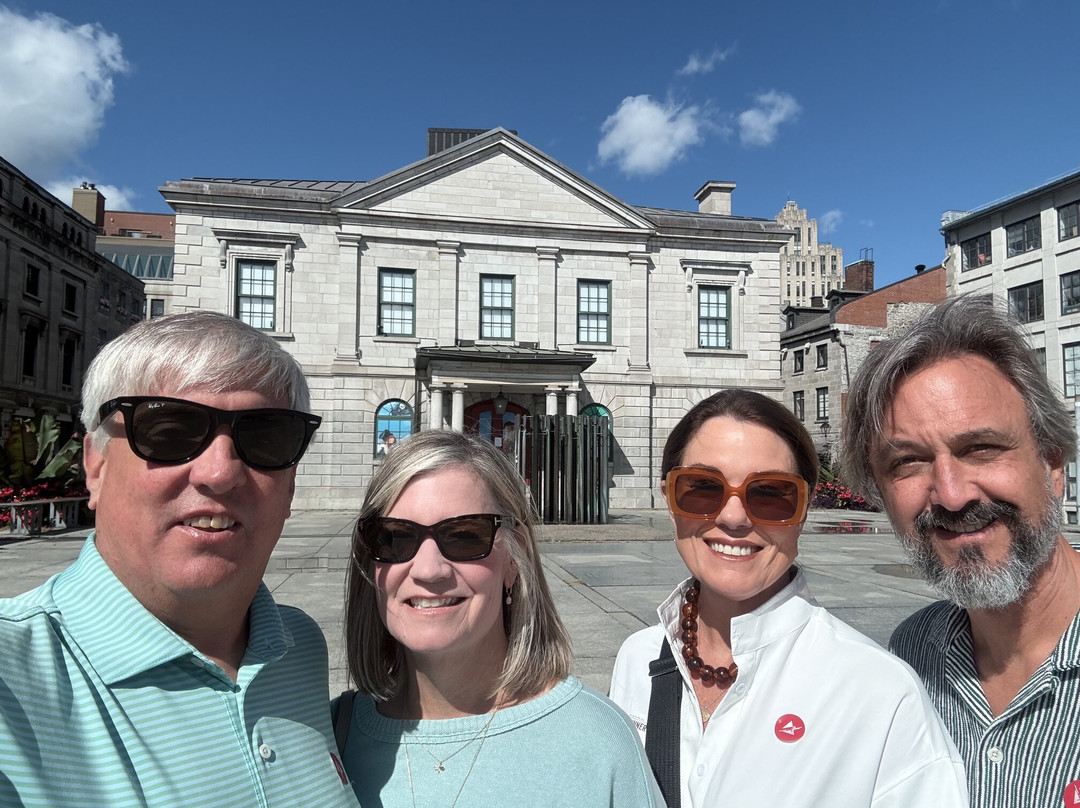
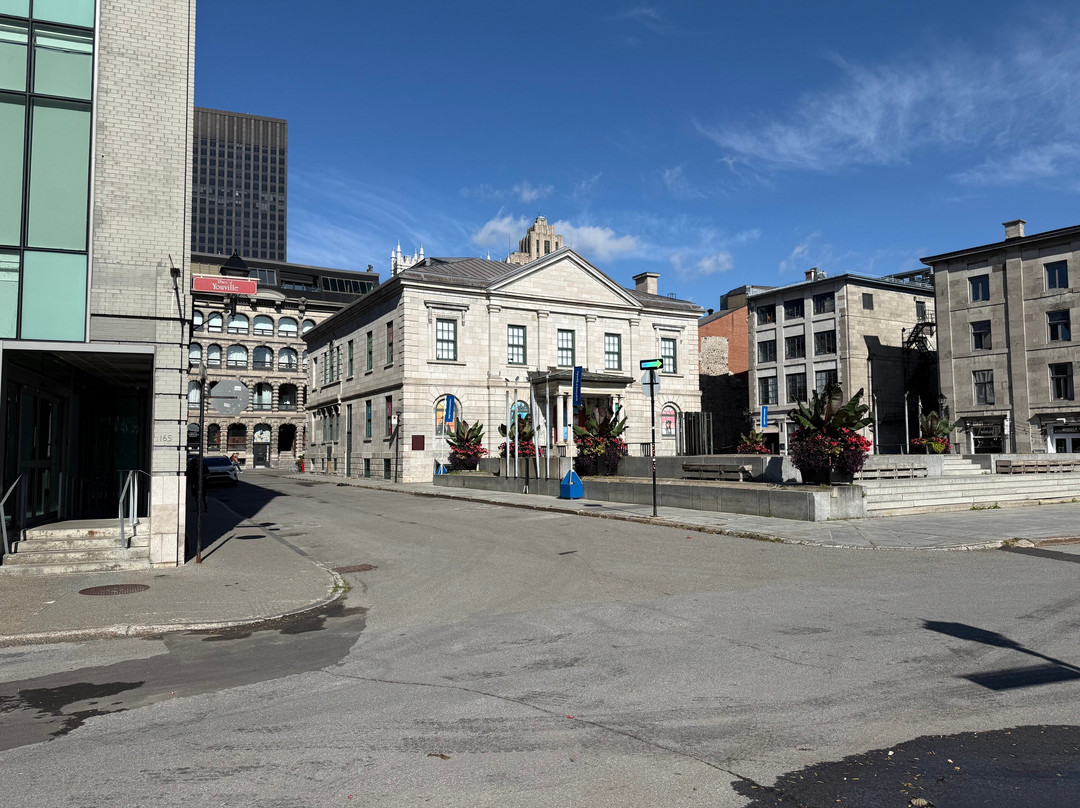
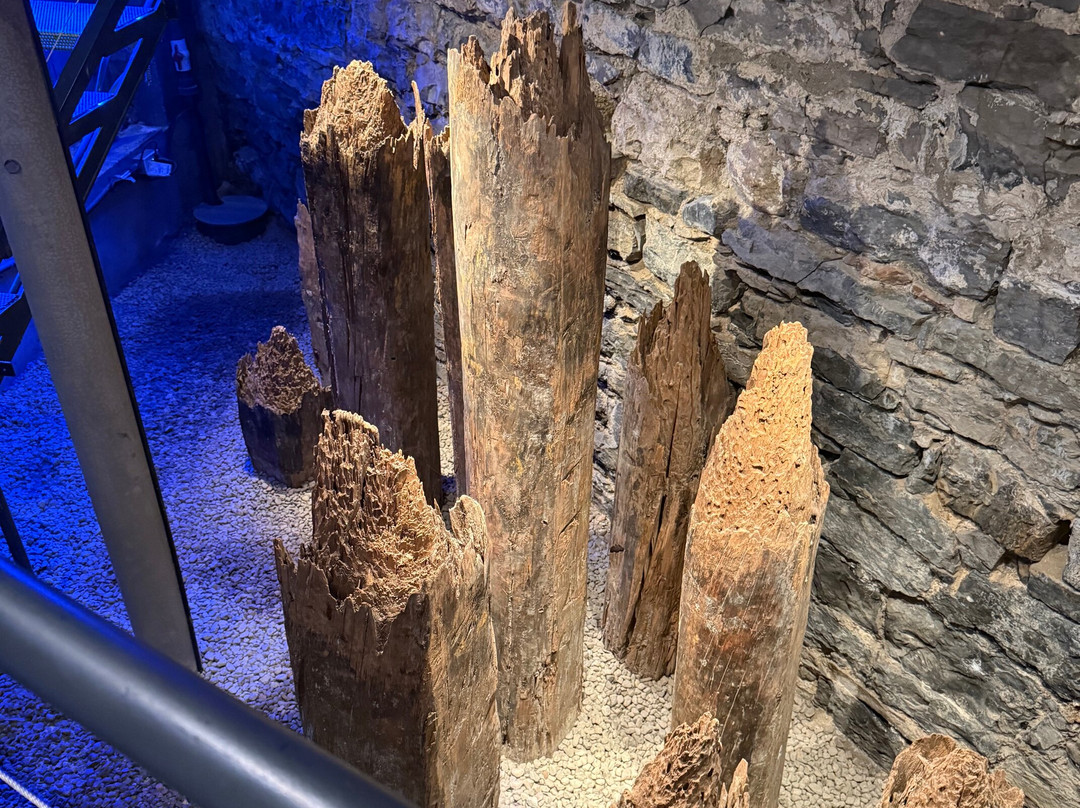
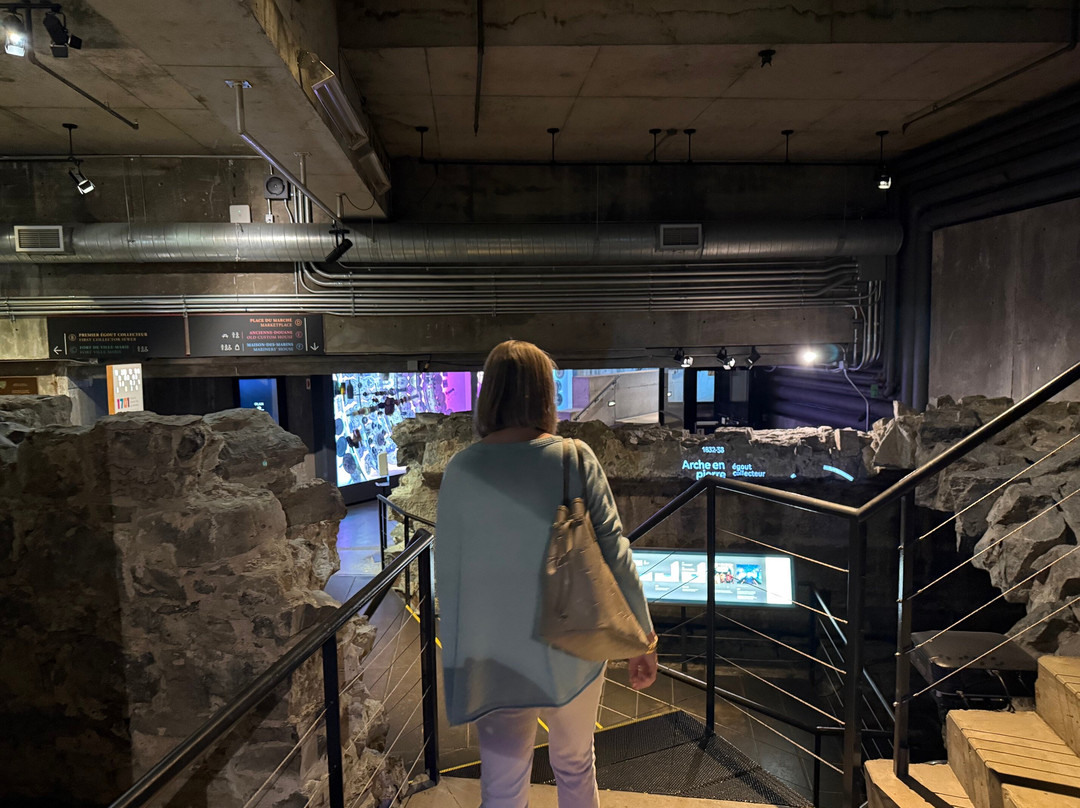
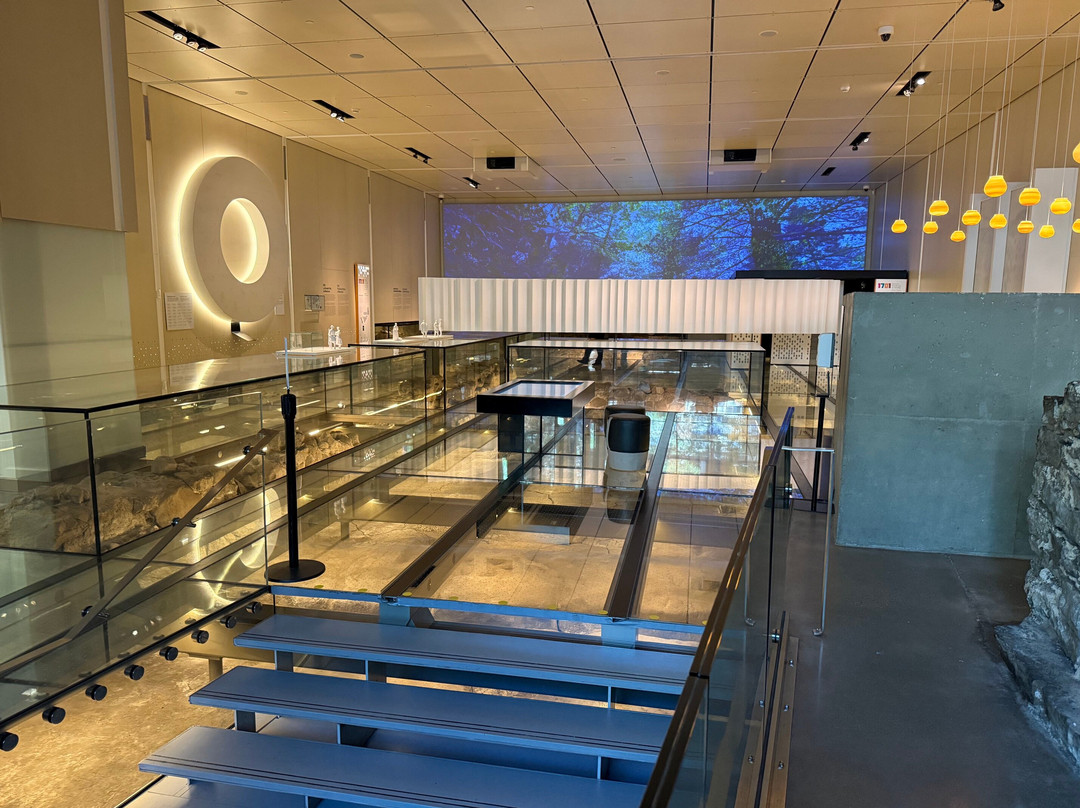
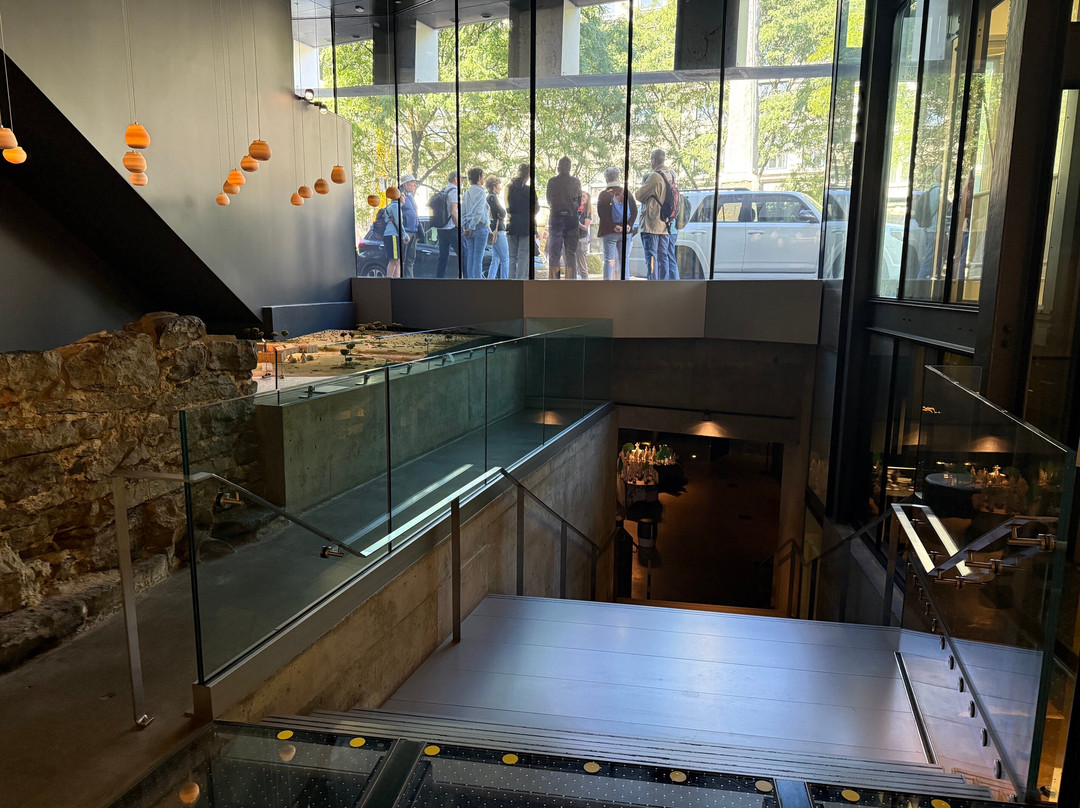
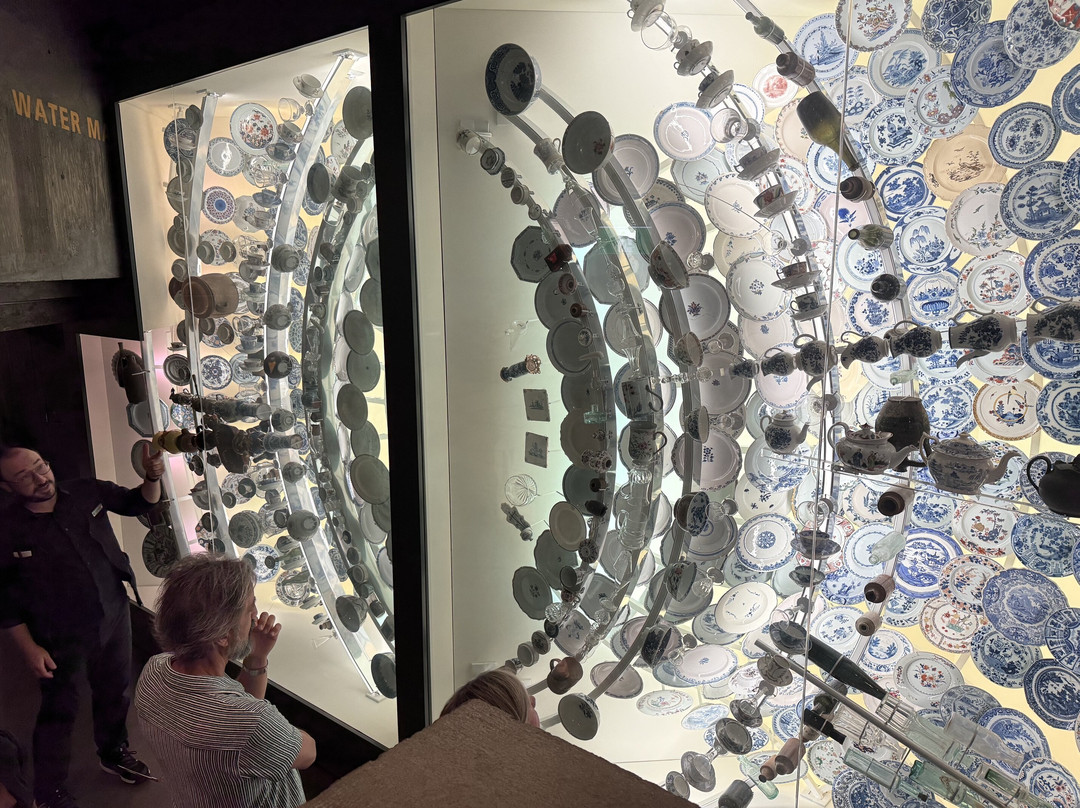
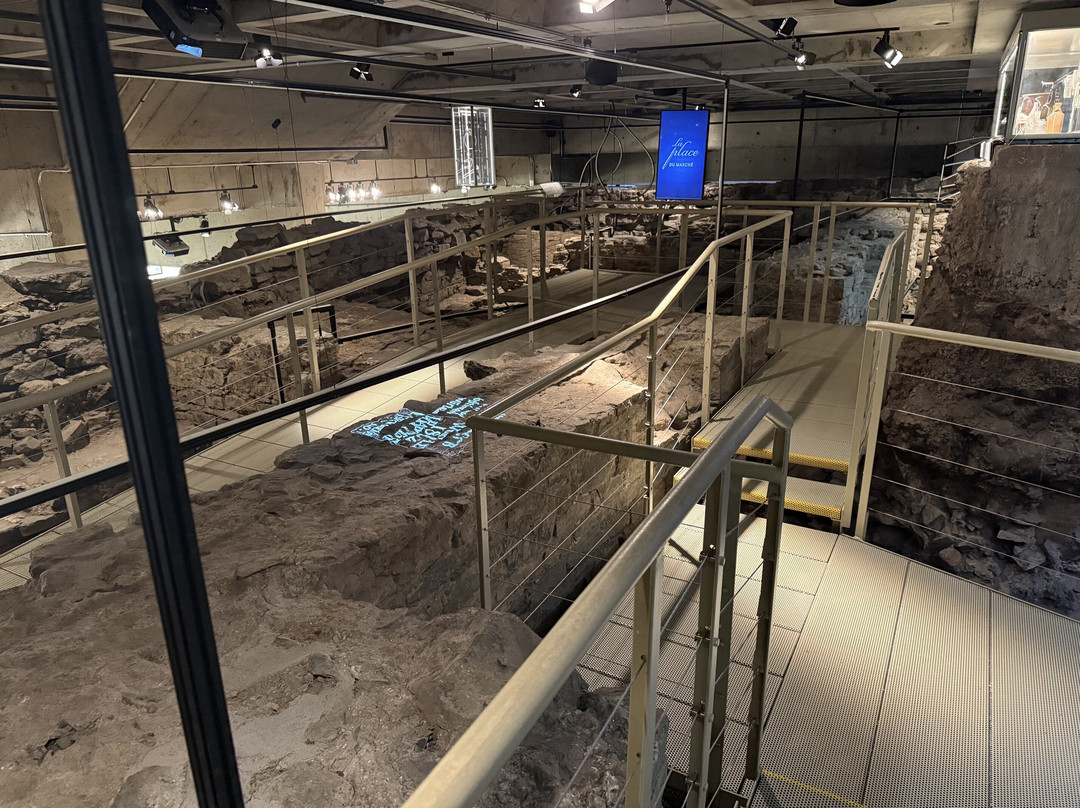
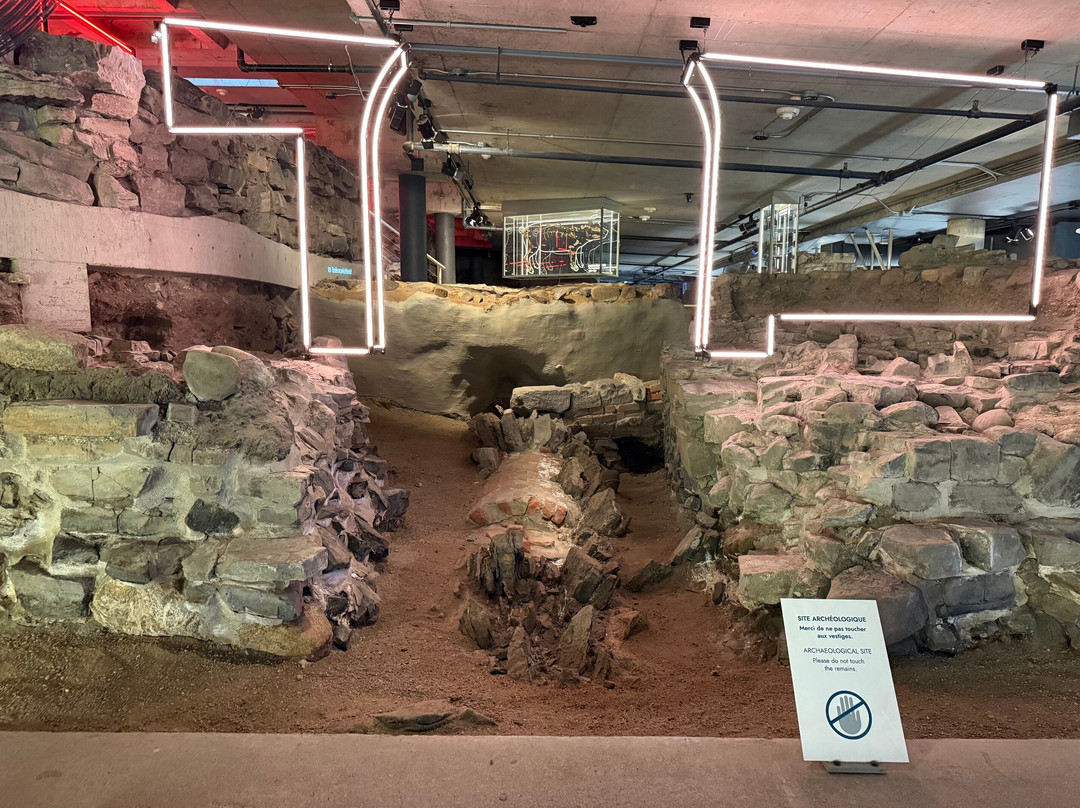
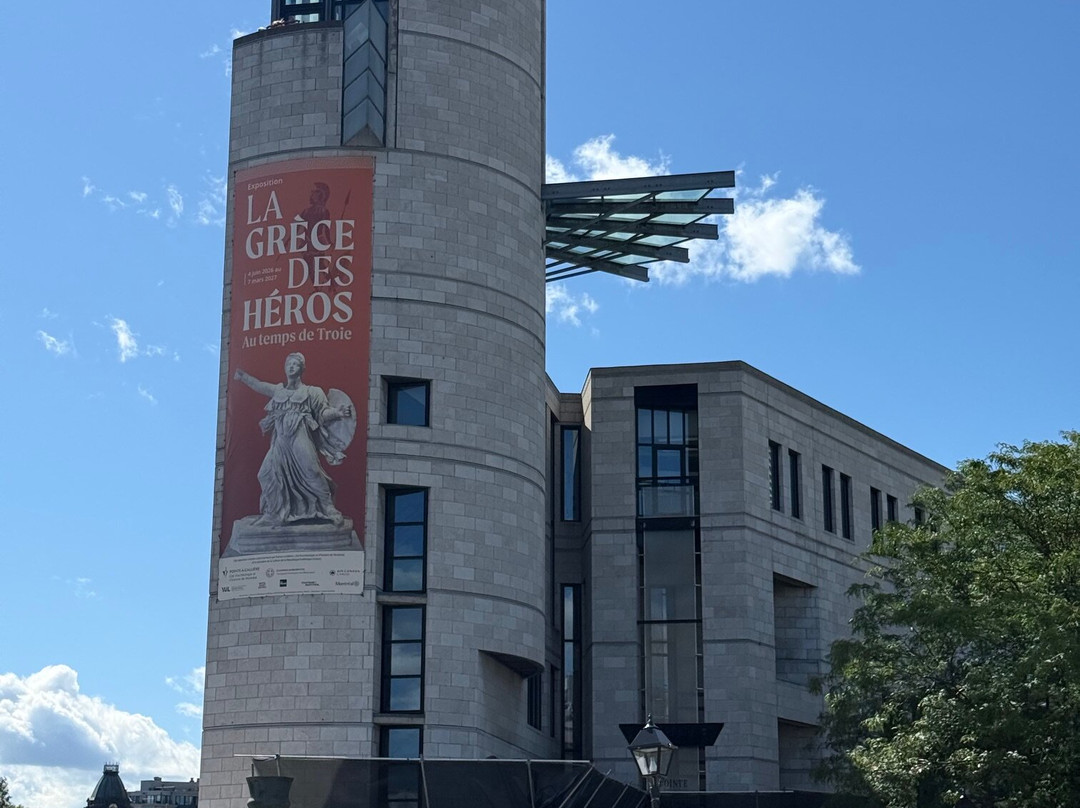
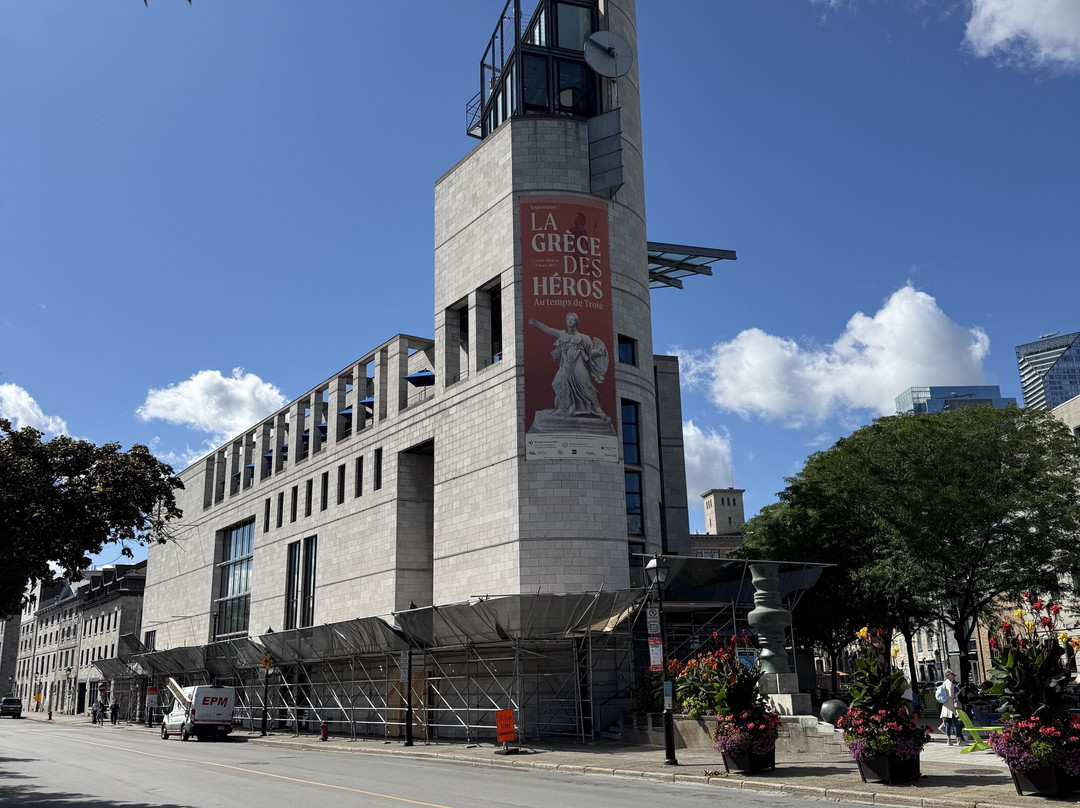
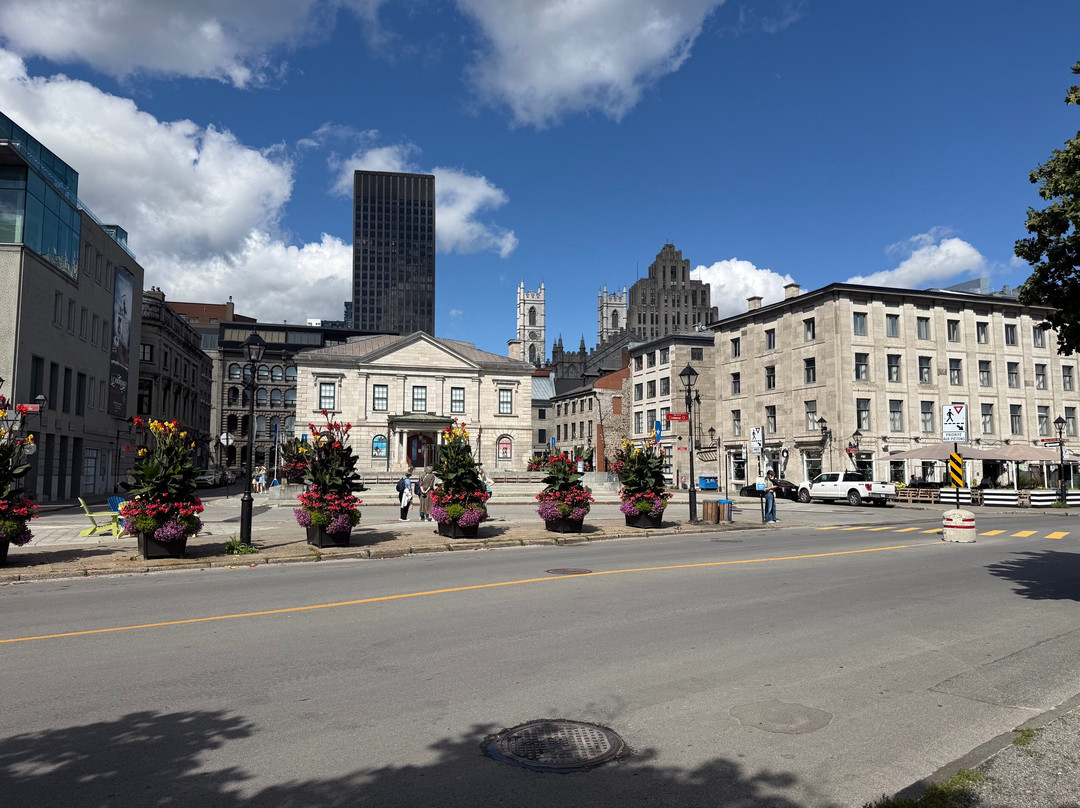
点评:This is a very interesting museum that teaches you the history of Montreal and then allows you actually see its ruins from colonial and 19th century Montreal. Built in the oldest part of Montreal along the waterfront, the museum is a collection of several different buildings that contain historical displays; however, the highlight is below the buildings to the foundational layer of Montreal history. While some of the buildings are newer structures to show the history below, some are historical like the 1836 Old Custom House and the place of the old St. Anne's market.
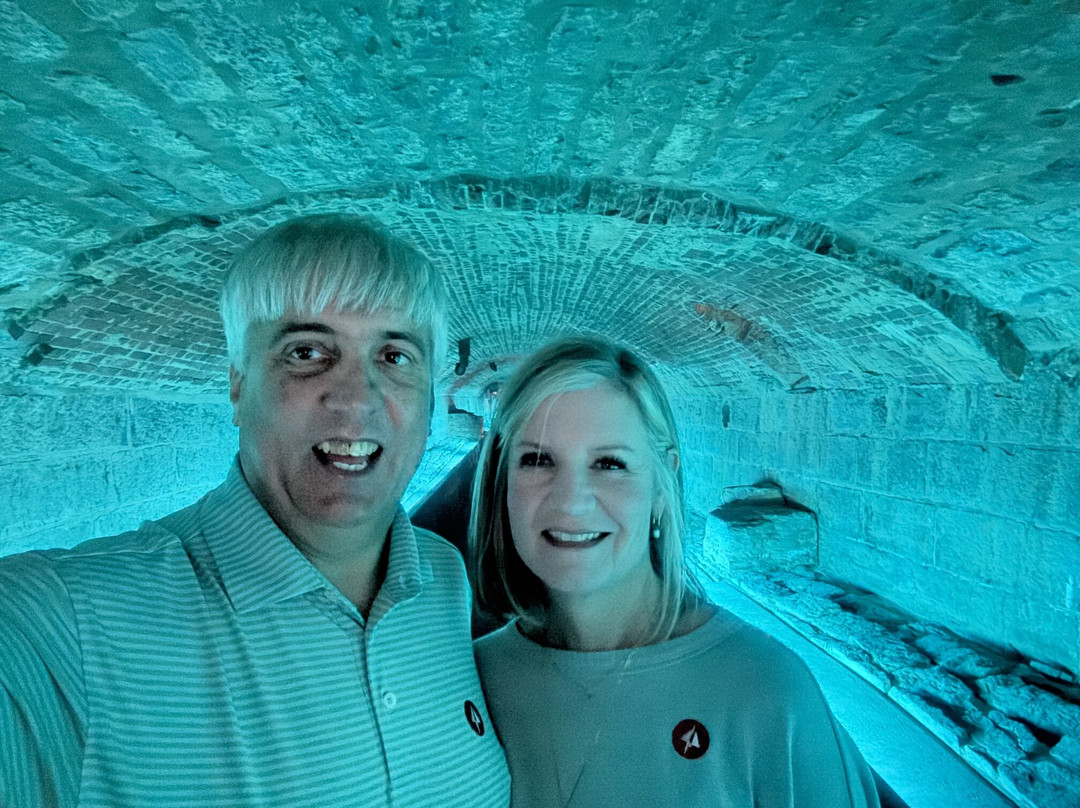
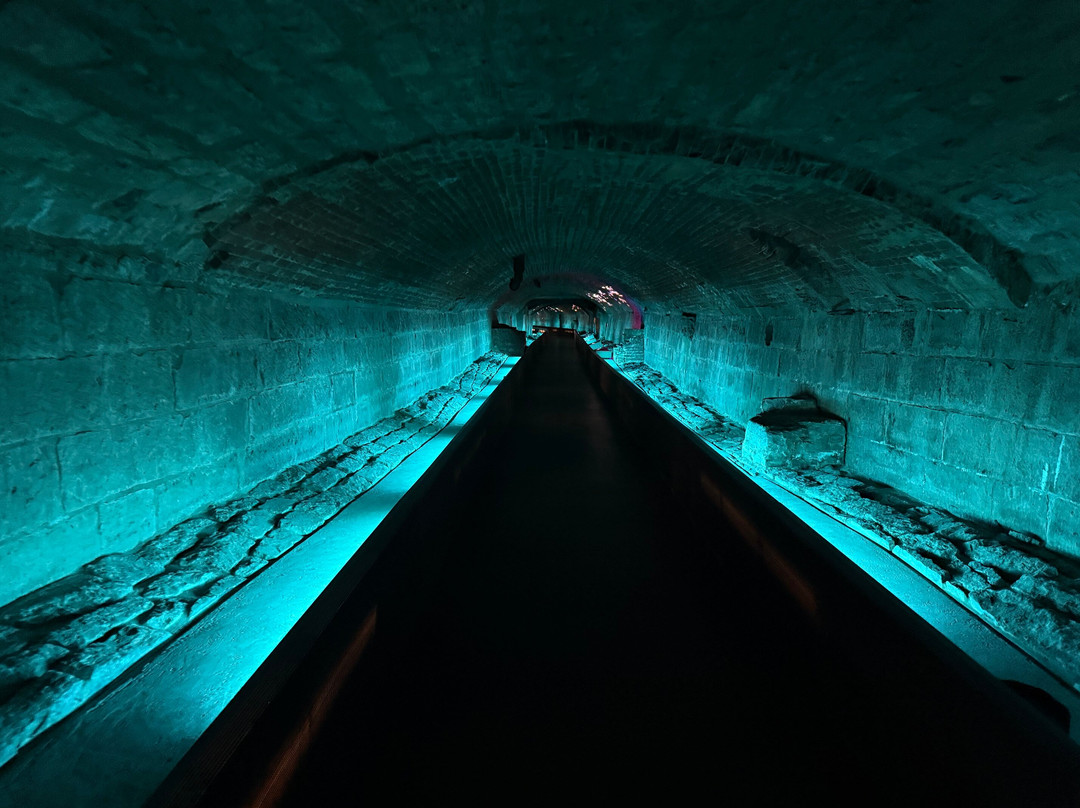
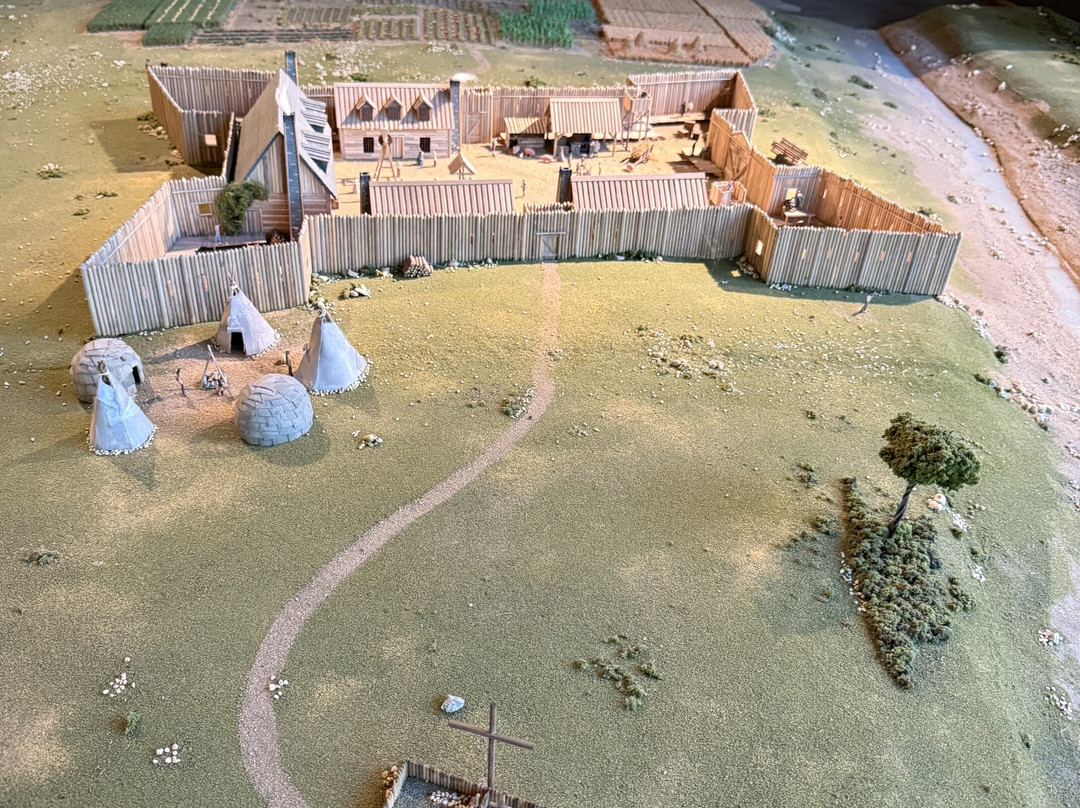
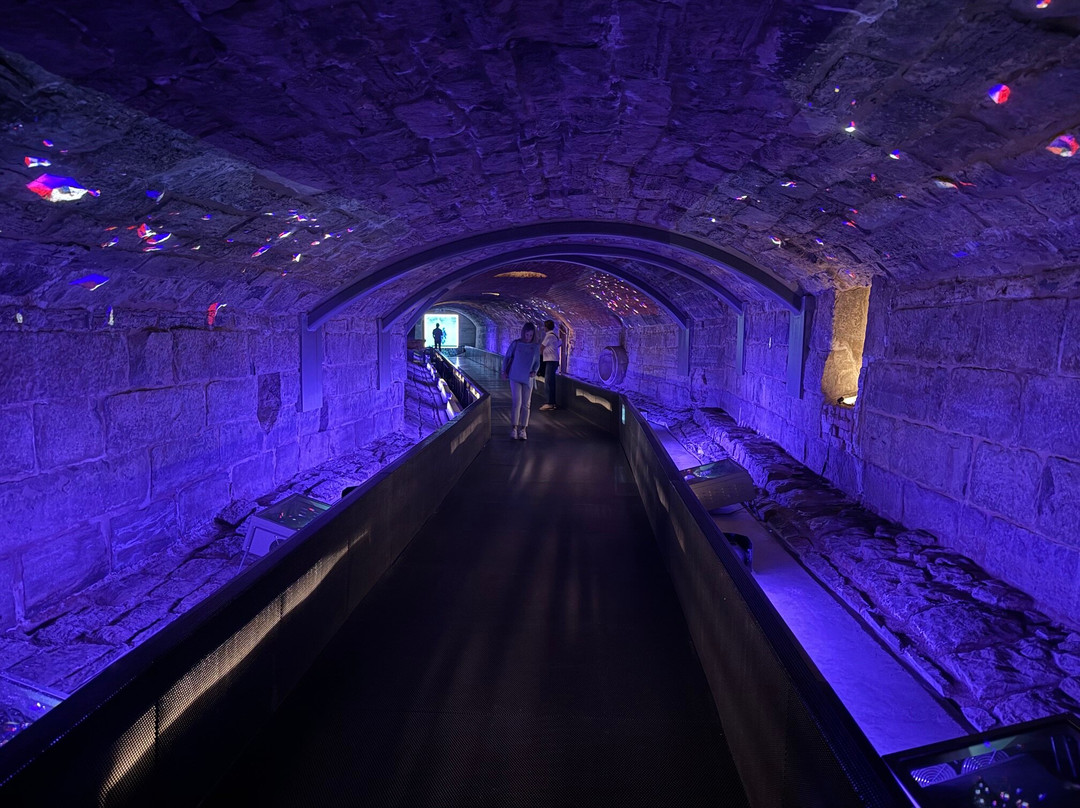
The main building is the landing site of the first French settlers in 1642 who established Fort Ville-Marie, with its foundations as one of the main museum highlights. The fort was strategically built on above the banks of the St. Lawrence River on one side and the Little St. Pierre River on the other. From this fort sprang what would become the City of Montreal. One of the key components to expanding development was the Little St. Pierre River that was canalized and eventually became the William Sewer, one of the most important disposal logistics for both sewer and stormwater in colonial Montreal. Another highlight is walking a great length underground in the William Sewer which was an unexpected highlight of the trip.
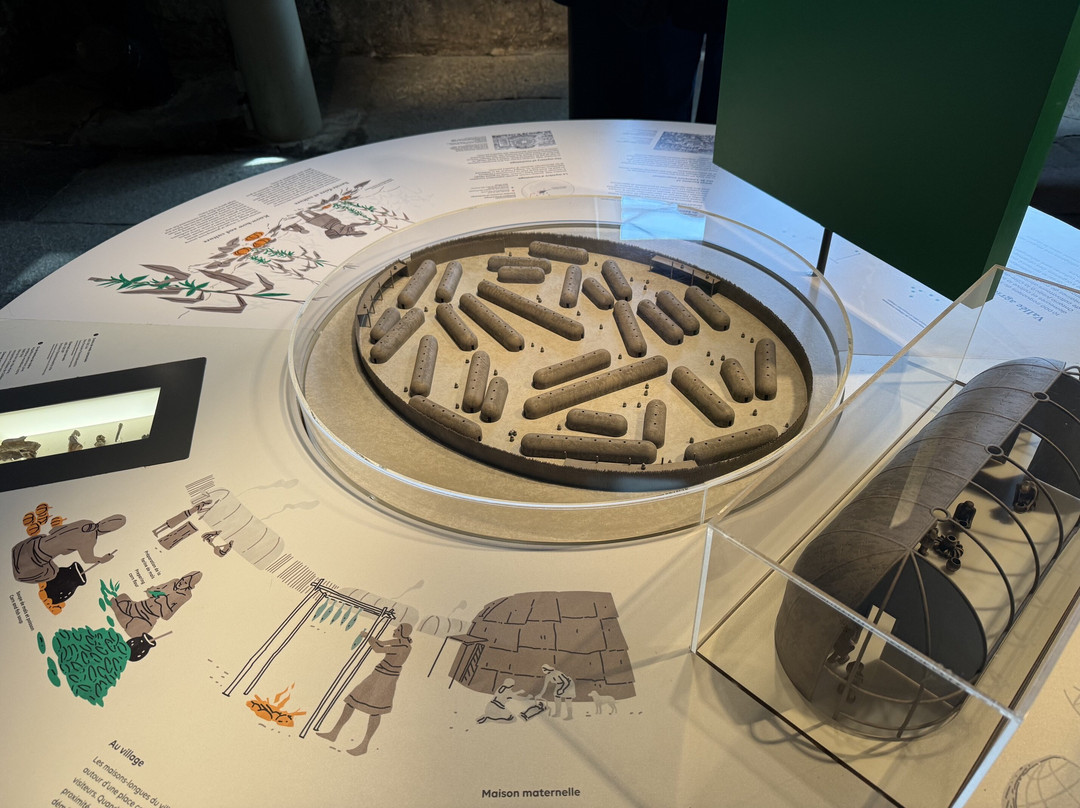
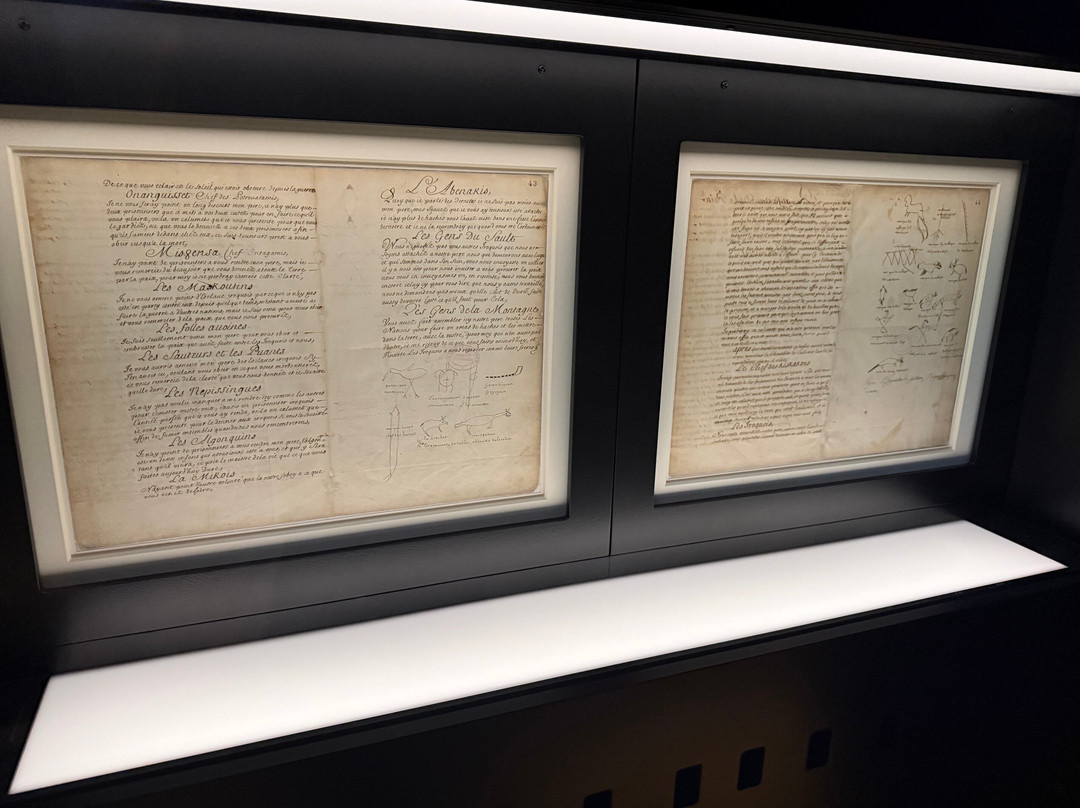
While the permanent exhibits are amazing enough, the museum does have traveling exhibits, and I feel very fortunate to have seen the one currently there on the Great Peace of Montreal. So much of Canada's colonial history is in Quebec City and the Maritime provinces; however, there is one clear place where Montreal takes precedence and that is the Great Peace which ends the Beaver Wars in 1701 between the French settlers and the First Nations, Algonquins and Iroquois. It is this treaty that really allows New France to grow and expand and become the leader in the fur trade. The museum is currently displaying an original of the treaty from France and signed by the French and the First Nation tribes. You can see where each tribe signed by drawing a picture of a different animal that represents that chief and his tribe. This was a very amazing document to see in person and learn about its importance.
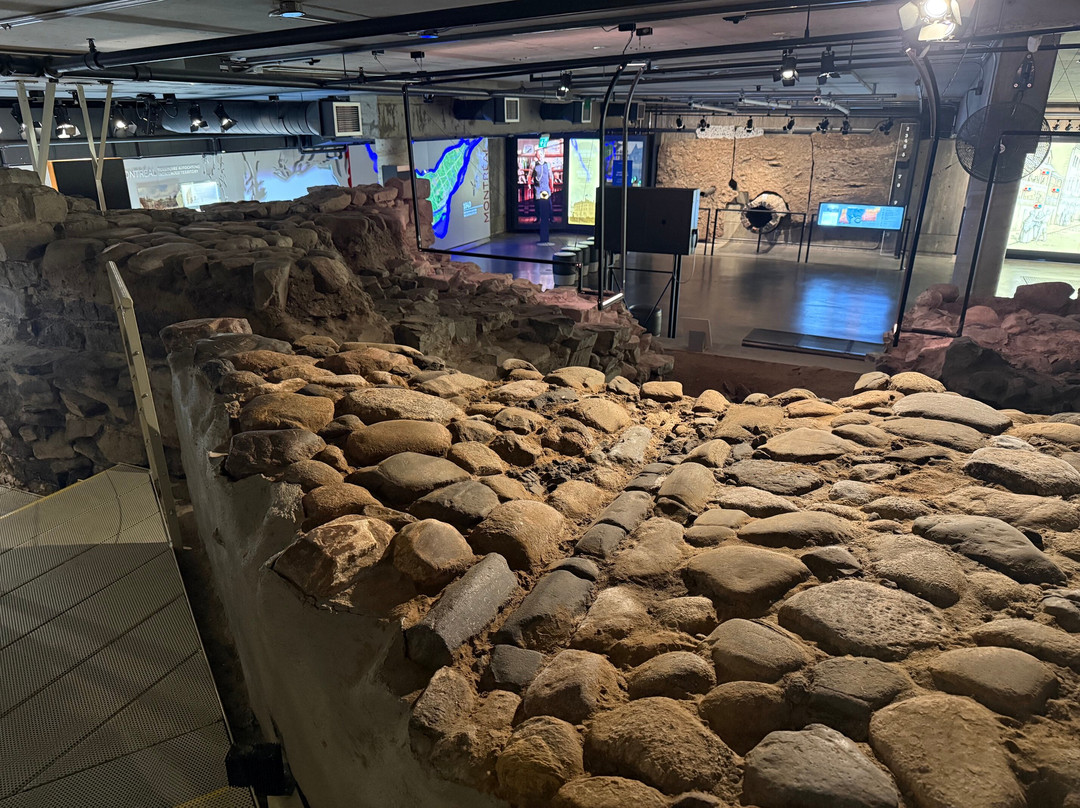
You then go to walk on the original bricks of Place Royal in front of the Old Customs House that was the site of the St. Anne Market and see what has been unearthed by archeological digs. From there, you can continue to an interest and fun display for church in the Old Custom House that allow kids to experience history by playing in it.
We entered the museum shortly after it opened at 10:00 AM and we had no crowds or trouble buying tickets at the door. While you could easily stay for hours, we only spent an hour, going to lunch at the Wolf and Workman directly behind the museum. We also combine our museum visit with an earlier 9:30 AM visit to Notre Dame Basilica when it opened and they work very well to combine due to their proximity. I usually don't really like museums especially when in a different language; however, this is a great museum of content both information and actual archeological historic sites that I could not recommend more. They also do a great job of making English easy and accessible in the displays.
翻译:这是一座非常有趣的博物馆,它向游客介绍蒙特利尔的历史,还能让人亲眼目睹殖民时期及19世纪时蒙特利尔的遗迹。博物馆坐落在蒙特利尔最古老的区域、滨水地带,由多座用于展示历史物品的建筑物组成;不过真正的亮点在于这些建筑物下方——那里展现了蒙特利尔历史的根基。虽然部分建筑是为展现地下历史而新建的……有些建筑具有历史意义,比如建于1836年的旧海关大楼以及曾经的圣安妮市场所在地。
主建筑区则是1642年首批法国定居者登陆并建立维勒玛丽堡的地点,其地基也是该博物馆的重要展品之一。这座堡垒的选址十分具有战略意义:一侧紧邻圣劳伦斯河,另一侧则毗邻小圣皮埃尔河。正是从这座堡垒开始,后来发展成了如今的蒙特利尔市。推动城市发展的重要因素之一,就是对小圣皮埃尔河进行运河化改造,这条河最终演变成了威廉下水道——它曾是殖民时期的蒙特利尔最重要的污水与雨水排放通道。另一个亮点则是沿着威廉下水道在地下行走一段路程,这也成了此次行程中意想不到的精彩体验。
虽然馆内的常设展览已经足够精彩,但该博物馆也会举办各类巡回展览。我非常幸运能够亲眼目睹目前矗立在蒙特利尔大和平广场上的那座纪念碑。加拿大的殖民历史大多与魁北克城及沿海省份相关;不过有一个方面蒙特利尔无疑处于主导地位,那就是1701年终结法国殖民者与原住民——阿尔冈昆人和易洛魁人之间“海狸战争”的《大和平条约》。正是这份条约使得新法兰西得以发展壮大,并跃升为毛皮贸易领域的领头羊。目前,博物馆正在展出一份来自法国的条约原稿,该条约由法国人与原住民部落共同签署。你可以画出代表各部落首领及其族群的动物图案,从而标记出各个部落的签名位置。能亲眼见到这份文件并了解其重要性,真是令人惊叹不已。
接着,你可以踏上位于旧海关大楼前的皇家广场上的那些原始砖块,那里正是圣……的发生地。前往安妮市场,看看考古发掘出了哪些文物。之后,您可以继续前往老海关大楼内举办的展览——那里有各种有趣的互动项目,孩子们可以通过游戏来体验历史。
我们在博物馆上午10点开门后不久便入内参观,当时并无人流拥挤的情况,买票也很顺利。虽然您完全可以在此逗留数小时,但我们只待了一个小时,随后便去博物馆正后方的Wolf and Workman餐厅吃午饭。我们通常会在上午9:30圣母院开馆时先去参观,之后再去博物馆,由于两者相距很近,这样安排十分合适。一般来说我并不太喜欢博物馆,尤其是那些用外语讲解的博物馆;不过这座博物馆的内容实在出色——既有丰富的信息介绍,还有真实的考古遗址可观赏,我极力推荐给大家。此外,他们在展览展示方面也做得很好,让英语解说变得简单易懂。




© 2026 Tripadvisor 版权所有。
部分照片由 VFM Leonardo 提供。
TripAdvisor公司对外部网站的内容一概不负责。优惠价格中不含税和其他费用。
ICP证:沪B2-20200433
沪ICP备20013175号
 沪公网安备31010502005427号
鹰程信息技术(上海)有限公司