下载App
资质规则
旅行
账户

124i-e3244320
this is a MUST SEE when you're in Liverpool
The Old Dock Tour的点评
点评:A visit to Liverpool forced me to completely rethink my understanding of the industrial revolution. I once assumed Manchester’s steam-powered cotton mills were the spark but am now convinced the creation of ports in Liverpool was the true Genesis.
Why do I say that?
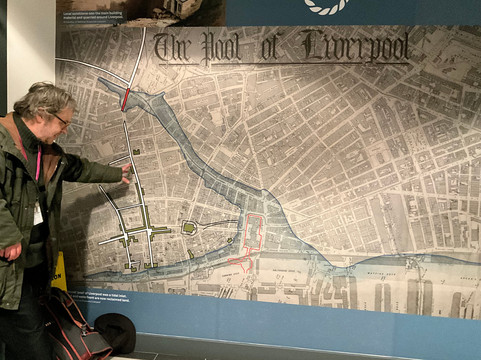
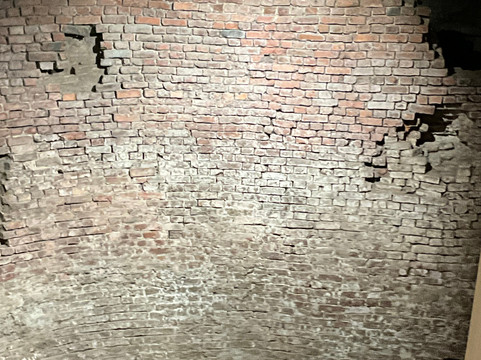
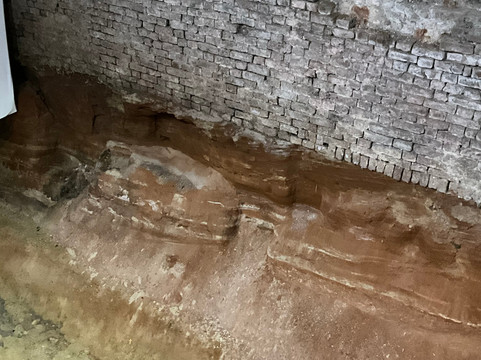
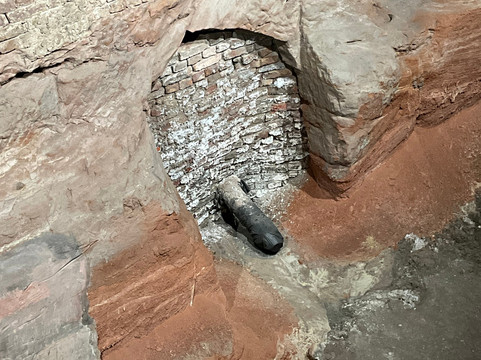
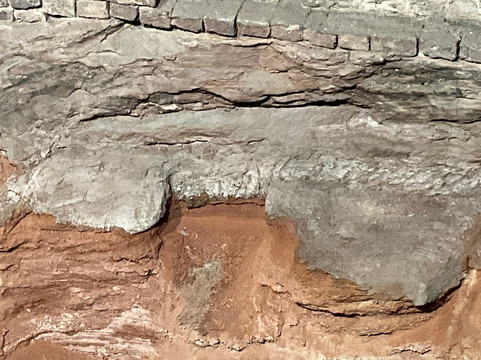
It's thanks entirely to an awesome tour of underground archeological remains of the old docks excavated in 2001. Brilliant guides Simon (Garland-Breeden) and Paul (Miller) shared perhaps the most fascinating history lesson I've ever had.
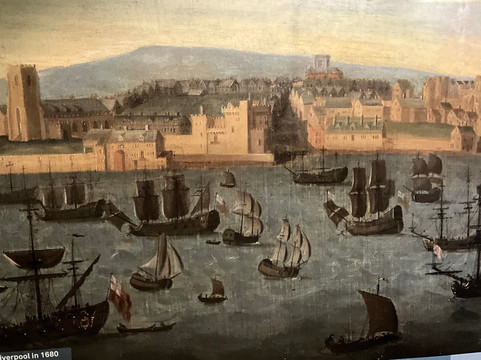
For those curious, centuries ago tidal action prevented large ships from coming directly to most shorelines so loading and unloading ships was painfully slow. Small boats would row in and out to sea to physically manhandle goods.
In 1715 Englishman Thomas Steers realized large gates (i.e. "locks") could trap water at higher tides so a ship could remain in a port where men would unload it speedily. First implemented here in Liverpool, this concept radicalized logistics like nothing else in history. Before long 40% of the world's trade came through the ports of Liverpool, chiefly cotton, sugar and tobacco.
Take the tour, you will not regret it - and say hello to Paul and Simon for me!
Why do I say that?
It's thanks entirely to an awesome tour of underground archeological remains of the old docks excavated in 2001. Brilliant guides Simon (Garland-Breeden) and Paul (Miller) shared perhaps the most fascinating history lesson I've ever had.
For those curious, centuries ago tidal action prevented large ships from coming directly to most shorelines so loading and unloading ships was painfully slow. Small boats would row in and out to sea to physically manhandle goods.
In 1715 Englishman Thomas Steers realized large gates (i.e. "locks") could trap water at higher tides so a ship could remain in a port where men would unload it speedily. First implemented here in Liverpool, this concept radicalized logistics like nothing else in history. Before long 40% of the world's trade came through the ports of Liverpool, chiefly cotton, sugar and tobacco.
Take the tour, you will not regret it - and say hello to Paul and Simon for me!
翻译:一次利物浦之行彻底颠覆了我对工业革命的认知。我曾以为曼彻斯特的蒸汽棉纺厂是工业革命的导火索,但现在我确信利物浦港口的建立才是真正的开端。
我为什么这么说呢?
这完全要归功于一次精彩绝伦的地下考古之旅,那里曾是2001年发掘的旧码头遗址。两位出色的导游西蒙(加兰-布里登)和保罗(米勒)为我讲解了或许是我听过的最引人入胜的历史课。
对于那些好奇的人来说,几个世纪前,潮汐作用阻碍了大型船只直接抵达大多数海岸线,因此装卸货物极其缓慢。人们只能划着小船往返于海中,用人力搬运货物。
1715年,英国人托马斯·斯蒂尔斯意识到,大型闸门(即“船闸”)可以在高潮时阻挡海水,使船只能够停留在港口,以便人们快速卸货。这一理念最初在利物浦实施,它以前所未有的方式彻底改变了物流业。不久之后,全球40%的贸易都经由利物浦港口进行,主要货物包括棉花、糖和烟草。
参加这次参观吧,你绝对不会后悔——也请代我向保罗和西蒙问好!
我为什么这么说呢?
这完全要归功于一次精彩绝伦的地下考古之旅,那里曾是2001年发掘的旧码头遗址。两位出色的导游西蒙(加兰-布里登)和保罗(米勒)为我讲解了或许是我听过的最引人入胜的历史课。
对于那些好奇的人来说,几个世纪前,潮汐作用阻碍了大型船只直接抵达大多数海岸线,因此装卸货物极其缓慢。人们只能划着小船往返于海中,用人力搬运货物。
1715年,英国人托马斯·斯蒂尔斯意识到,大型闸门(即“船闸”)可以在高潮时阻挡海水,使船只能够停留在港口,以便人们快速卸货。这一理念最初在利物浦实施,它以前所未有的方式彻底改变了物流业。不久之后,全球40%的贸易都经由利物浦港口进行,主要货物包括棉花、糖和烟草。
参加这次参观吧,你绝对不会后悔——也请代我向保罗和西蒙问好!

© 2026 Tripadvisor 版权所有。
部分照片由 VFM Leonardo 提供。
TripAdvisor公司对外部网站的内容一概不负责。优惠价格中不含税和其他费用。
ICP证:沪B2-20200433
沪ICP备20013175号
 沪公网安备31010502005427号
鹰程信息技术(上海)有限公司