下载App
资质规则
旅行
账户
JimmySumKahWai
a must see sight, 鶴ヶ城
Tsuruga jo Castle的点评
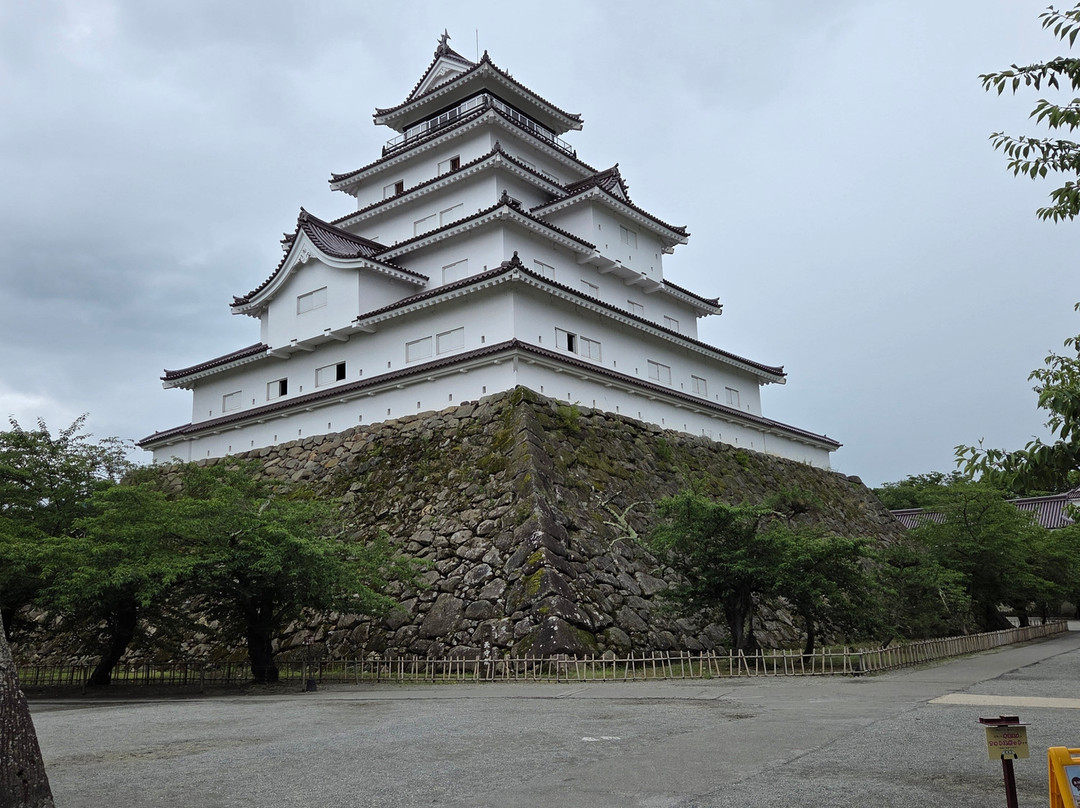
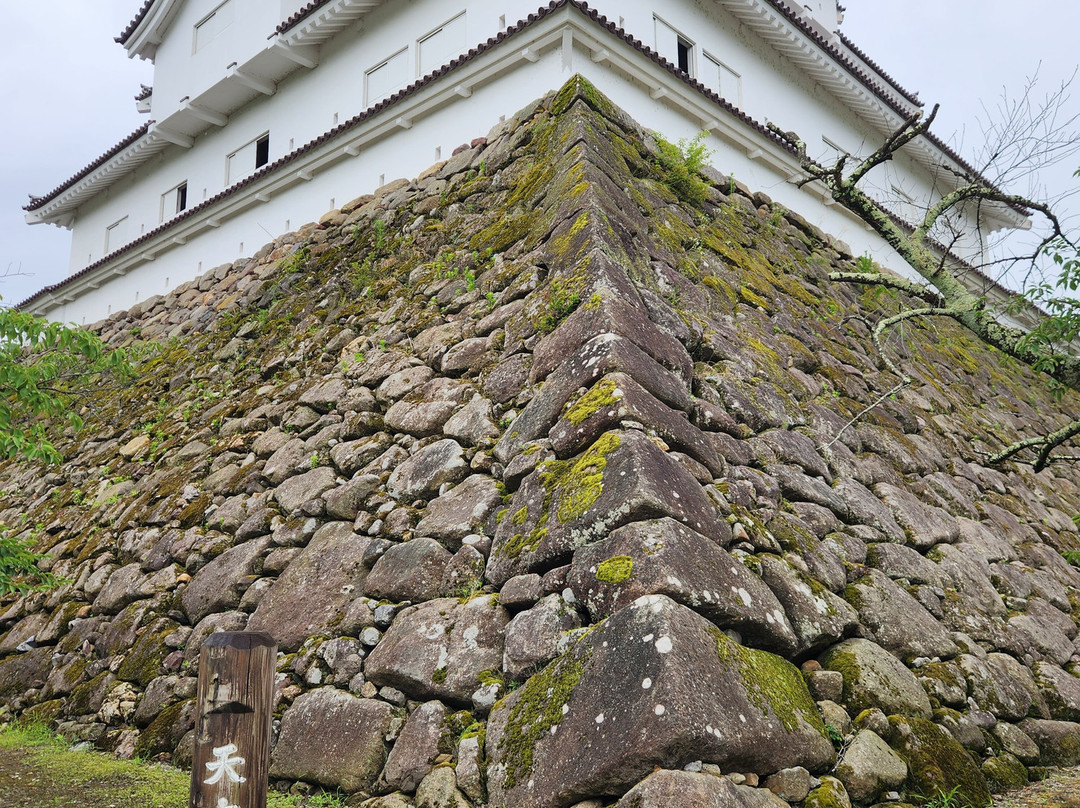
点评:History of the Tsurugajō was that it was built in 1384 and changed hands many times between the different rulers of the Aizu region. It remained as one of the last strongholds of samurai loyal to the shogunate but was destroyed in the Boshin War (1868). The present was rebuilt in 1965 when renovation works completed in 2011. and the castle has 5 Levels. The unique pentagonal layout of Tsuruga Castle, surrounded by deep moats and tall stone walls, is a showcase of strategic Japanese castle design.
The Loop Bus stopped quite a distance upslope so one can image hiking the high castle from lower level. They have combi admission ticket to the castle which includes Rinkaku Tea Ceremony Room & the lovely garden but we only went to see the castle.
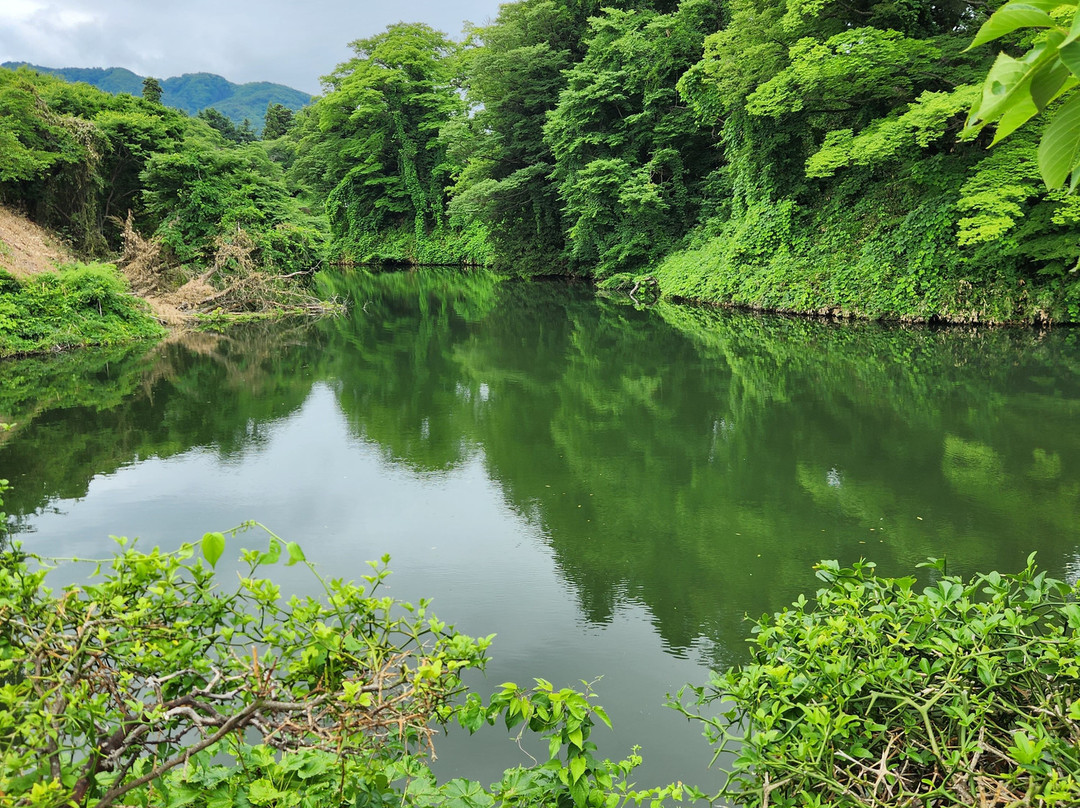
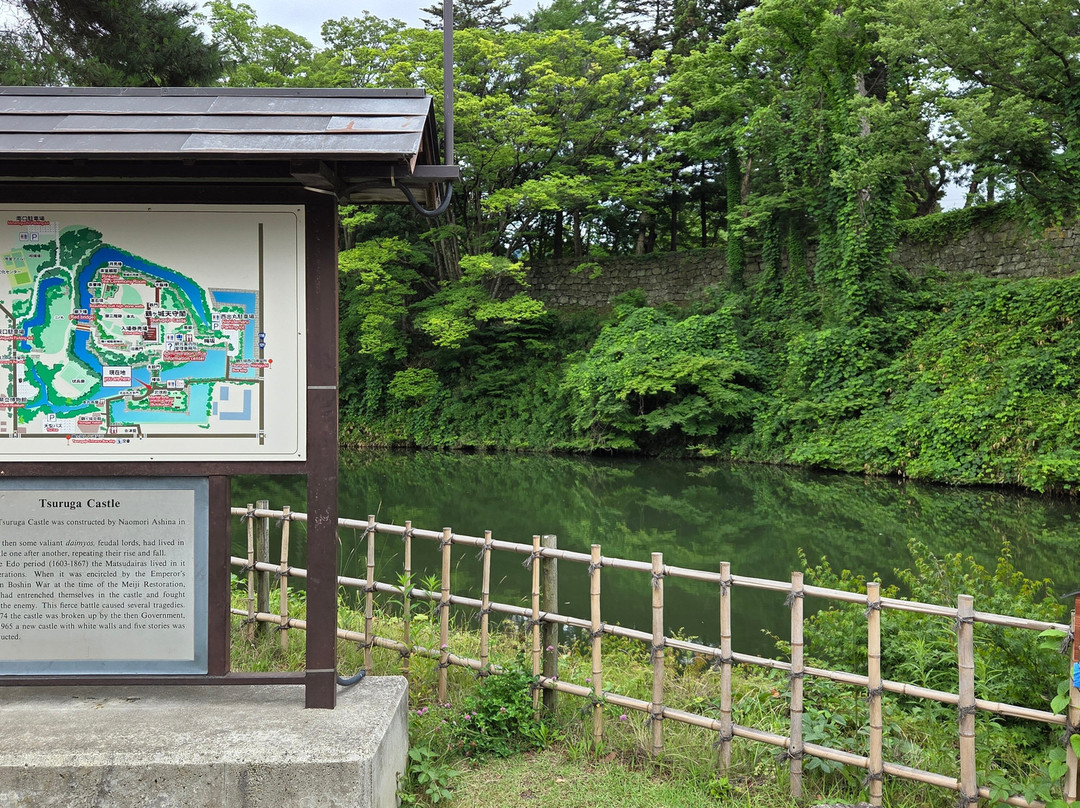
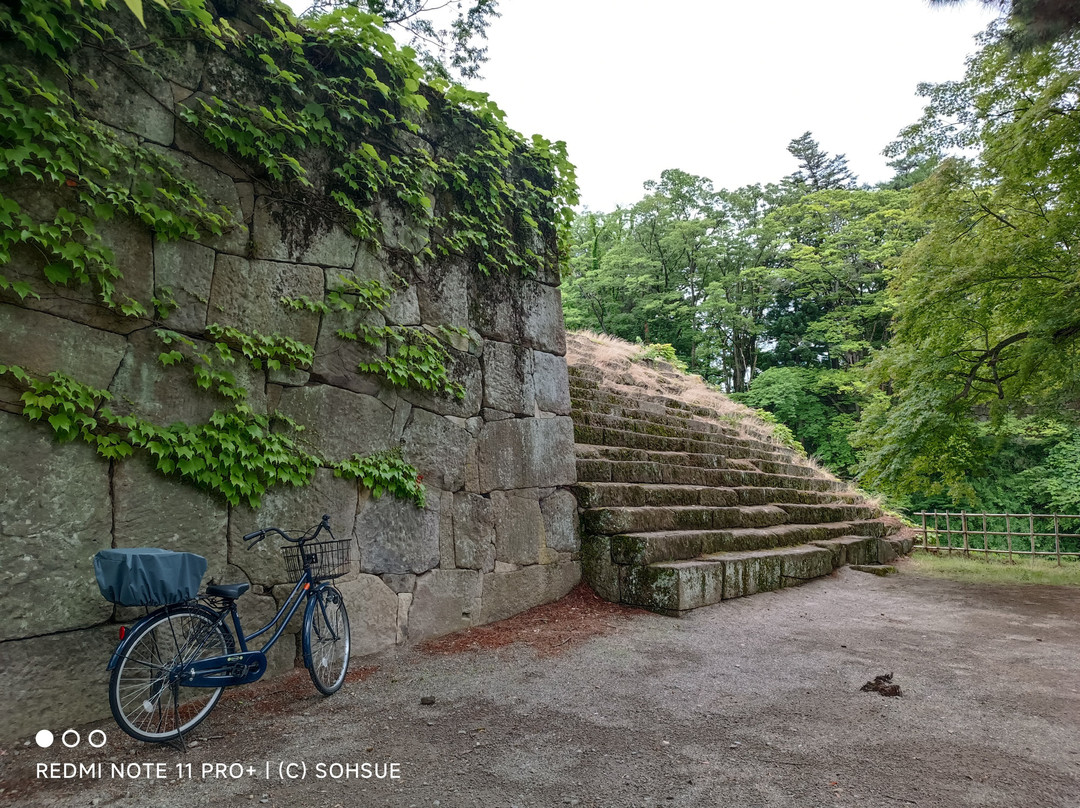
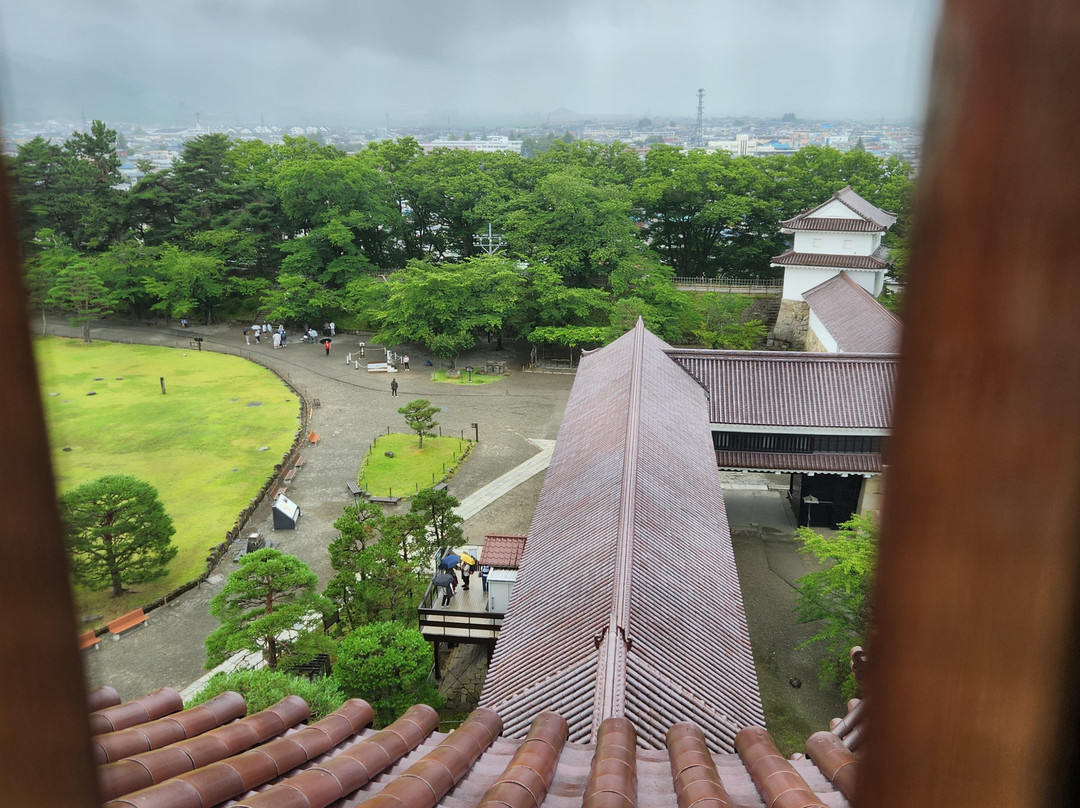
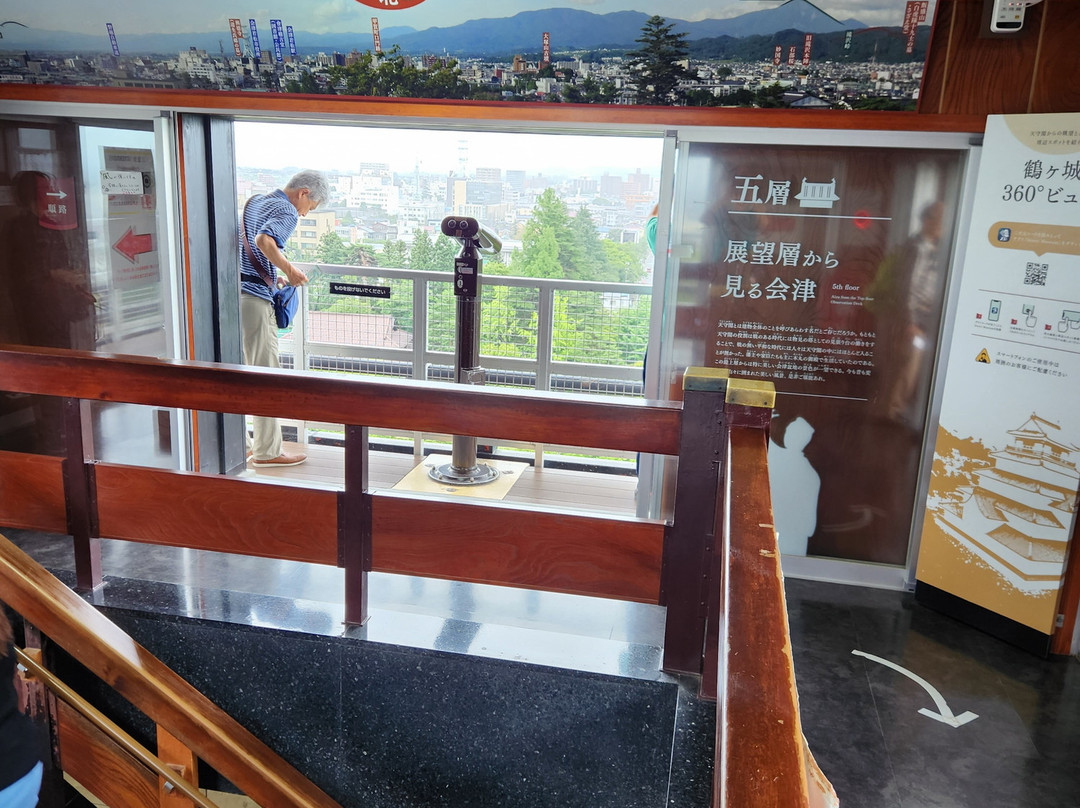
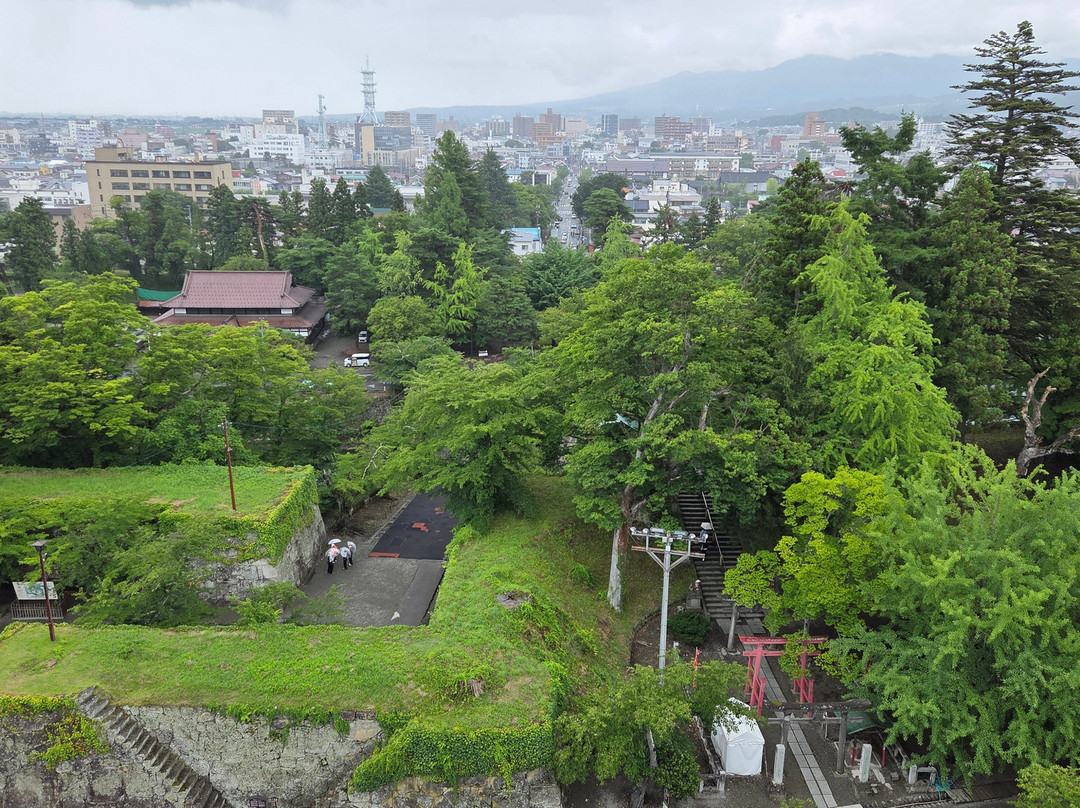
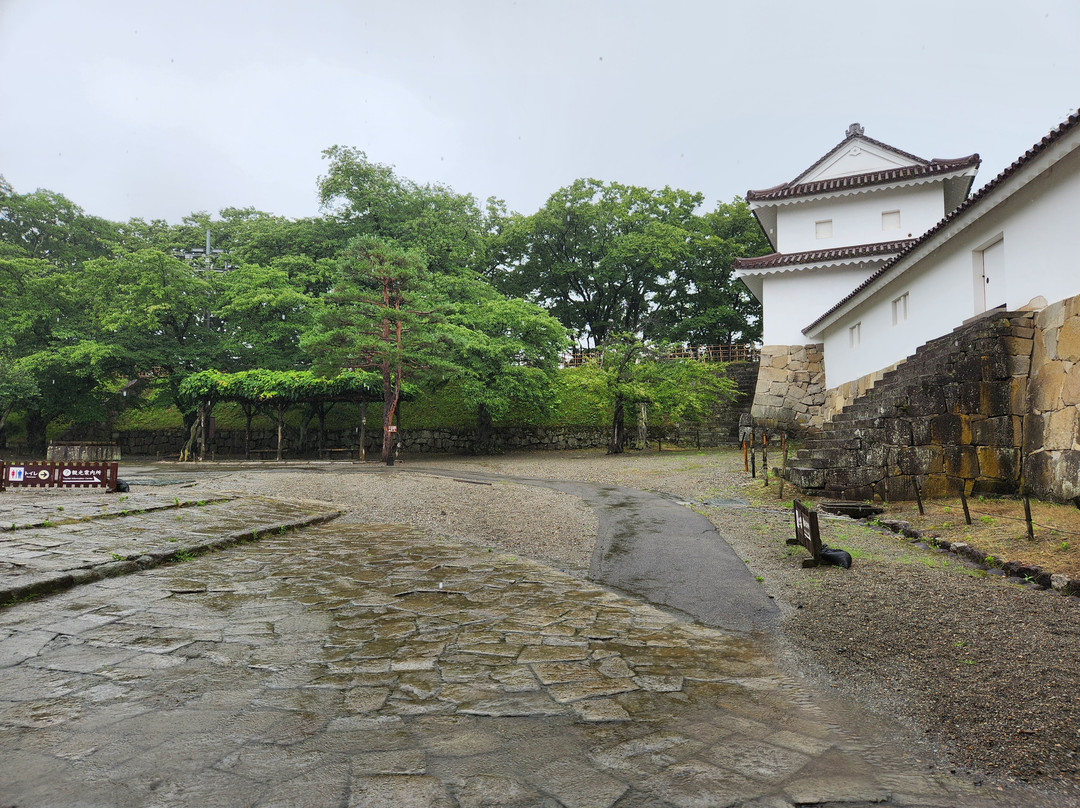
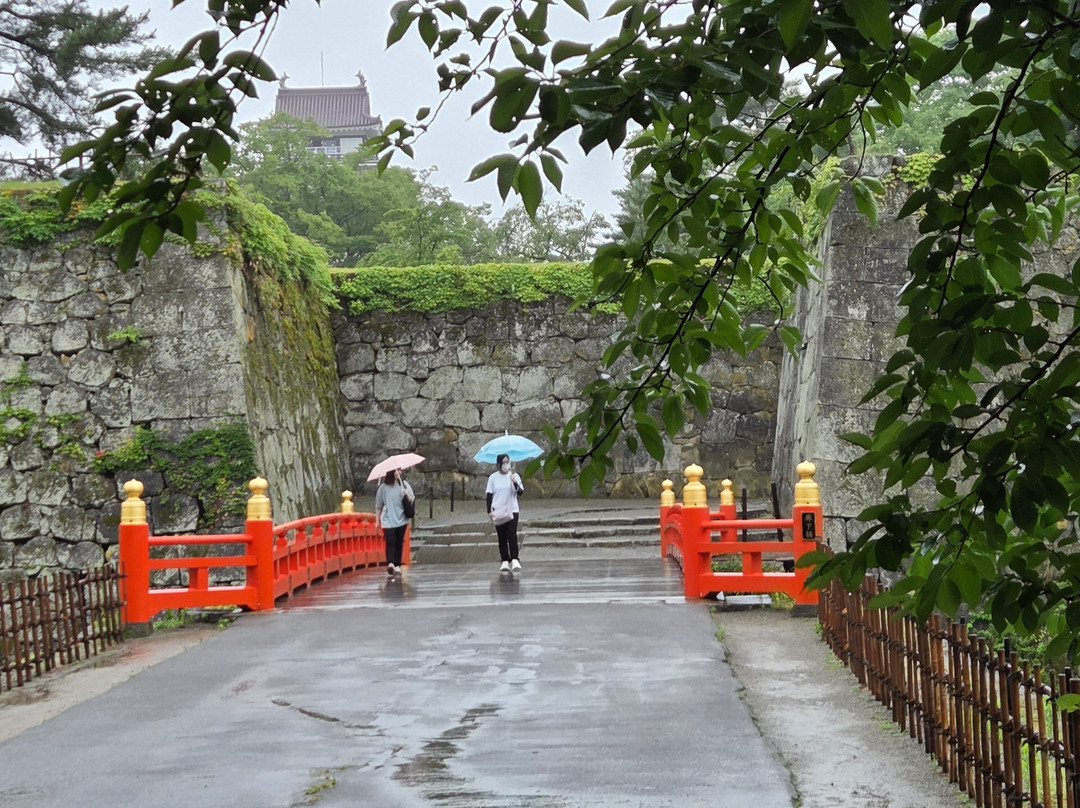
We strolled along the moat and stone walls remnants of the castle and enjoying the visit. Finally we reached the castle keep. The hike up the 5 floors was easier as the renovation must have enlarge the steps width. The view of the townscape was expansive, attached some photos for the review.
There are artifacts and explanation of the castle development/history - the images of Sawara Yoshitsura, founder of the Ashina Clan which ruled the Aizu region for 400 years.
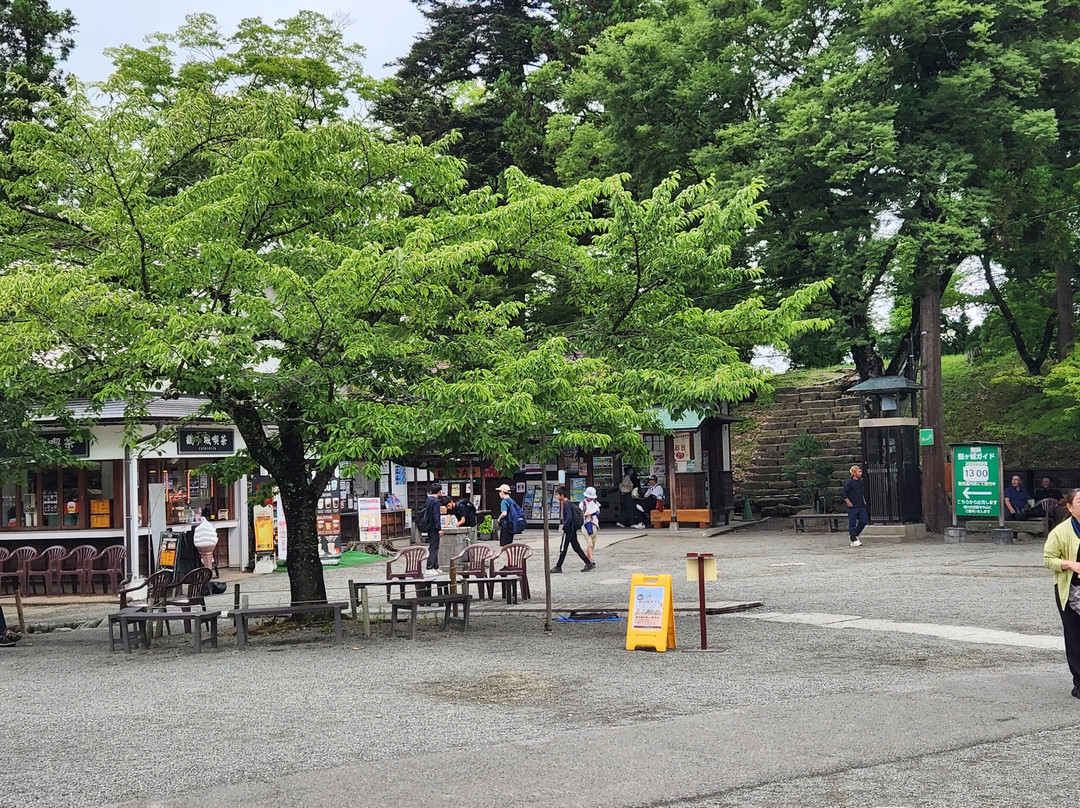
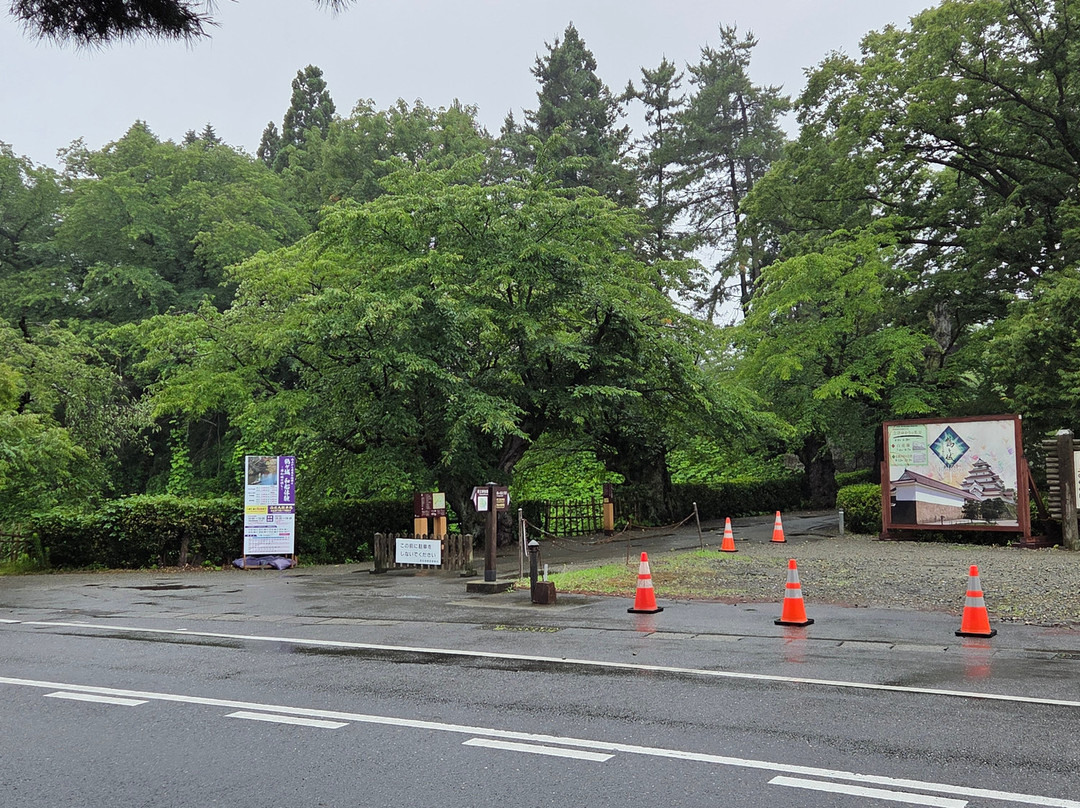
It was early July so not quite a flower blooming period. Instead we were greeted by rain, and got stuck at the Museum souvenir shop. When the rain recedes we make a quick dash to the neighbouring Museum, being short of time for the day..
This was Castle #22 for us, intending to visit Sendai’s castle ruins next.
The Loop Bus stopped quite a distance upslope so one can image hiking the high castle from lower level. They have combi admission ticket to the castle which includes Rinkaku Tea Ceremony Room & the lovely garden but we only went to see the castle.
We strolled along the moat and stone walls remnants of the castle and enjoying the visit. Finally we reached the castle keep. The hike up the 5 floors was easier as the renovation must have enlarge the steps width. The view of the townscape was expansive, attached some photos for the review.
There are artifacts and explanation of the castle development/history - the images of Sawara Yoshitsura, founder of the Ashina Clan which ruled the Aizu region for 400 years.
It was early July so not quite a flower blooming period. Instead we were greeted by rain, and got stuck at the Museum souvenir shop. When the rain recedes we make a quick dash to the neighbouring Museum, being short of time for the day..
This was Castle #22 for us, intending to visit Sendai’s castle ruins next.
翻译:鹤冈城始建于1384年,此后在会津地区的各统治者之间多次易主。它曾是效忠幕府的武士们最后的据点之一,但在戊辰战争(1868年)中遭到破坏。现在的城堡建于1965年,2011年完成修缮工作,共有5层。鹤冈城呈独特的五边形布局,四周环绕着深深的护城河与高大的石墙。这是日本战略性城堡设计的典范。
环城巴士的停靠点位于相当高的坡面上,因此可以想象从低处徒步登上这座高耸的城堡需要多大的体力。那里有包含鳞角茶室及美丽庭园在内的城堡联票,但我们只去参观了城堡本身。
我们沿着护城河和残存的石墙漫步,尽情享受这次游览。最后,我们终于抵达了城堡的主楼。爬上5层楼其实挺轻松的,看来翻修时肯定加宽了楼梯宽度。从楼上可以俯瞰到广阔的城镇景致,附上几张照片供参考。
馆内陈列着各种文物以及关于城堡发展历程与历史的介绍——还有统治会津地区长达400年的芦名氏的创立者——佐原义纲的画像。
当时是7月初,尚不属于花卉盛开的季节。迎接我们的反而是一场雨,结果我们只好被困在博物馆的纪念品商店里了。雨停后,由于当天时间紧迫,我们匆匆赶往附近的博物馆。
这是我们参观过的第22座城堡,接下来我们计划去参观仙台的城堡遗址。
环城巴士的停靠点位于相当高的坡面上,因此可以想象从低处徒步登上这座高耸的城堡需要多大的体力。那里有包含鳞角茶室及美丽庭园在内的城堡联票,但我们只去参观了城堡本身。
我们沿着护城河和残存的石墙漫步,尽情享受这次游览。最后,我们终于抵达了城堡的主楼。爬上5层楼其实挺轻松的,看来翻修时肯定加宽了楼梯宽度。从楼上可以俯瞰到广阔的城镇景致,附上几张照片供参考。
馆内陈列着各种文物以及关于城堡发展历程与历史的介绍——还有统治会津地区长达400年的芦名氏的创立者——佐原义纲的画像。
当时是7月初,尚不属于花卉盛开的季节。迎接我们的反而是一场雨,结果我们只好被困在博物馆的纪念品商店里了。雨停后,由于当天时间紧迫,我们匆匆赶往附近的博物馆。
这是我们参观过的第22座城堡,接下来我们计划去参观仙台的城堡遗址。

© 2026 Tripadvisor 版权所有。
部分照片由 VFM Leonardo 提供。
TripAdvisor公司对外部网站的内容一概不负责。优惠价格中不含税和其他费用。
ICP证:沪B2-20200433
沪ICP备20013175号
 沪公网安备31010502005427号
鹰程信息技术(上海)有限公司