下载App
资质规则
旅行
账户

David D
Small iconic bridge involved in a sad love story
Harimaya Bridge的点评
点评:Wednesday 7th May we were walking around exploring and sightseeing the streets of Kochi.
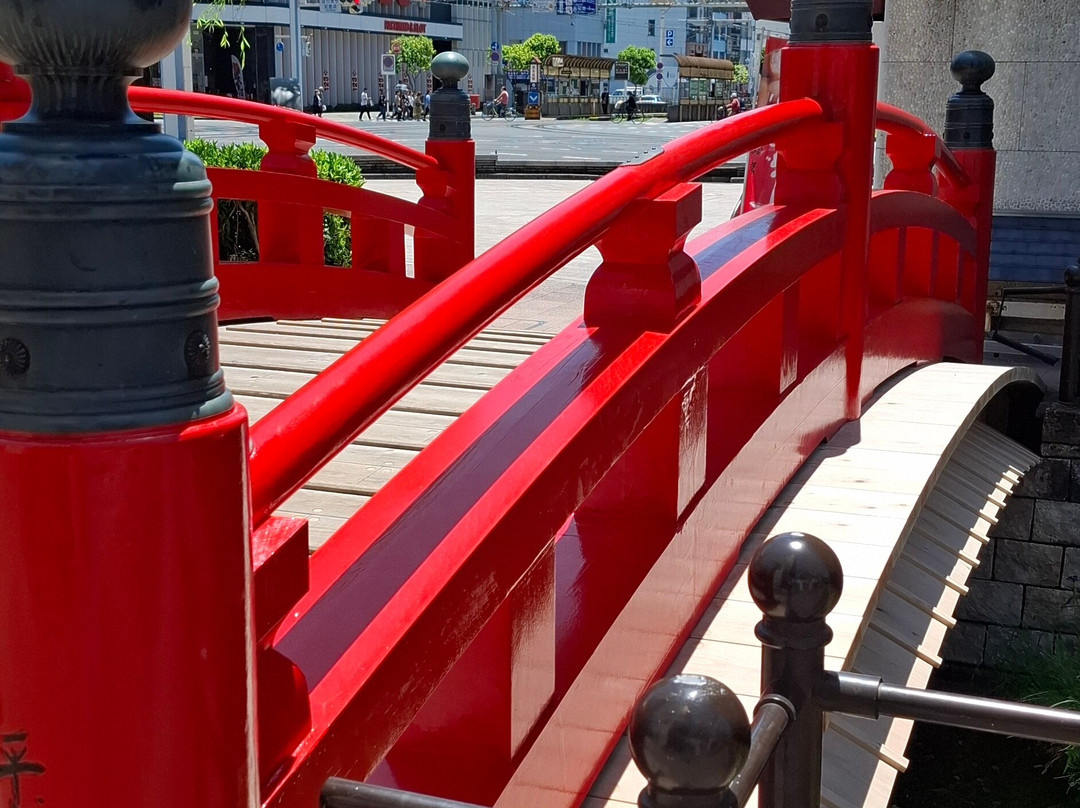
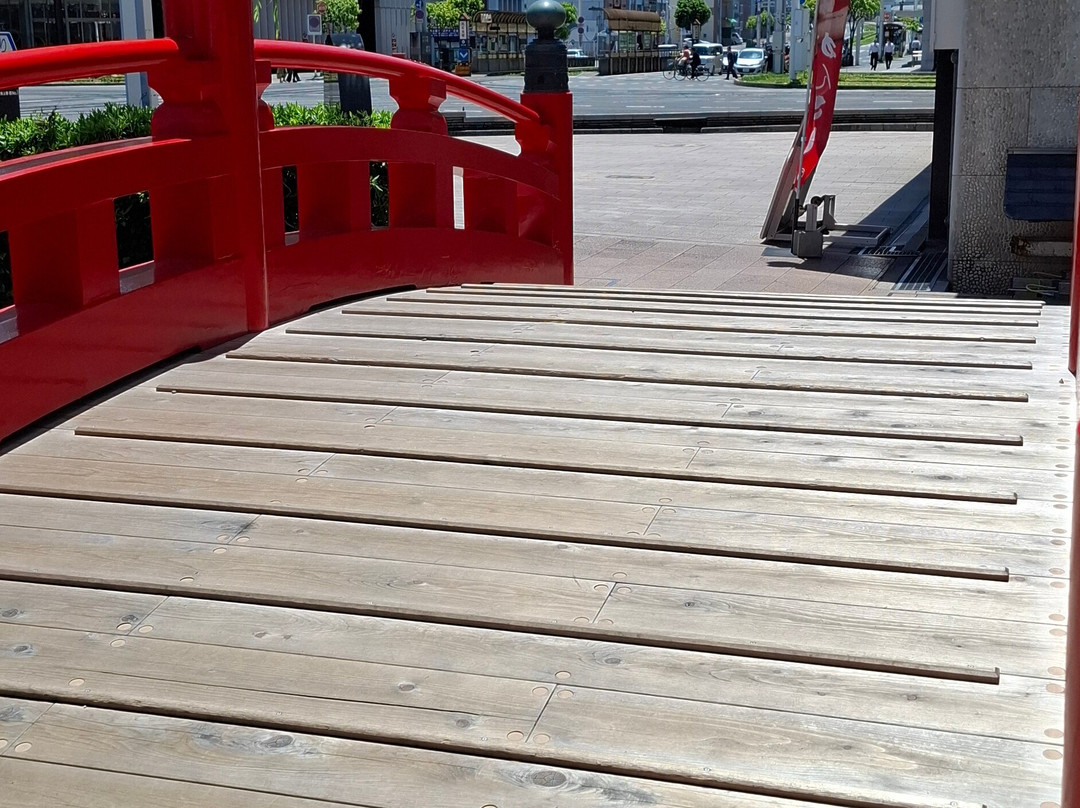
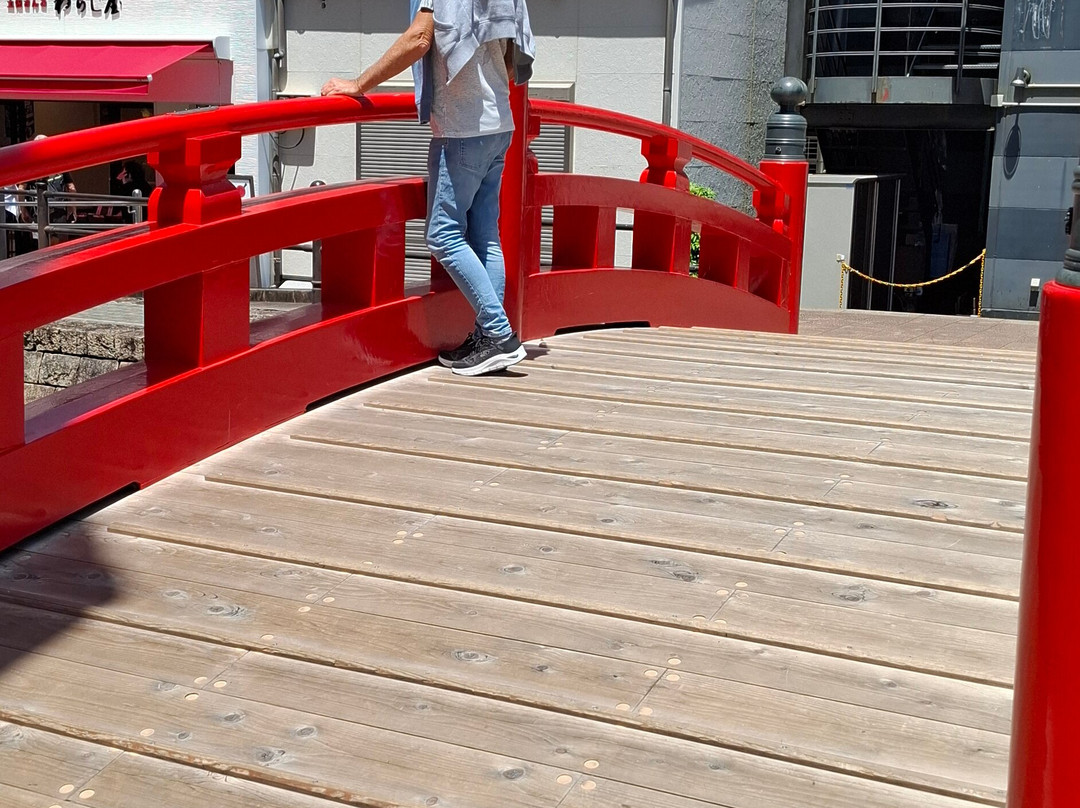
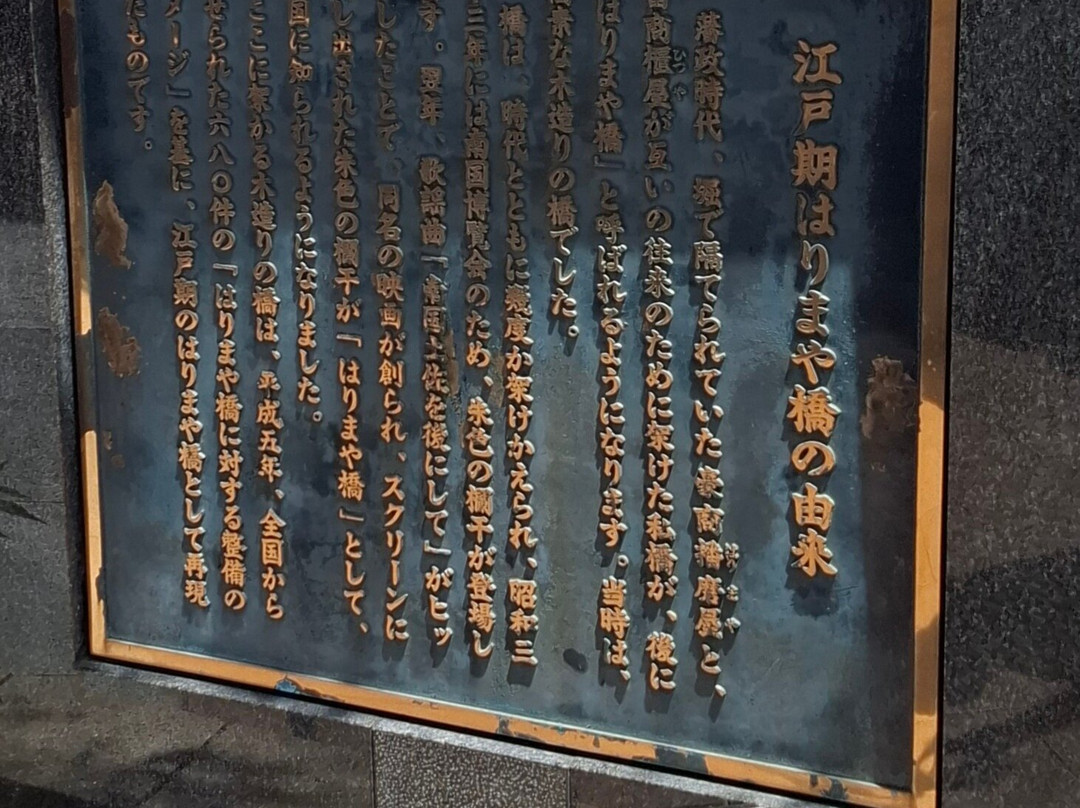
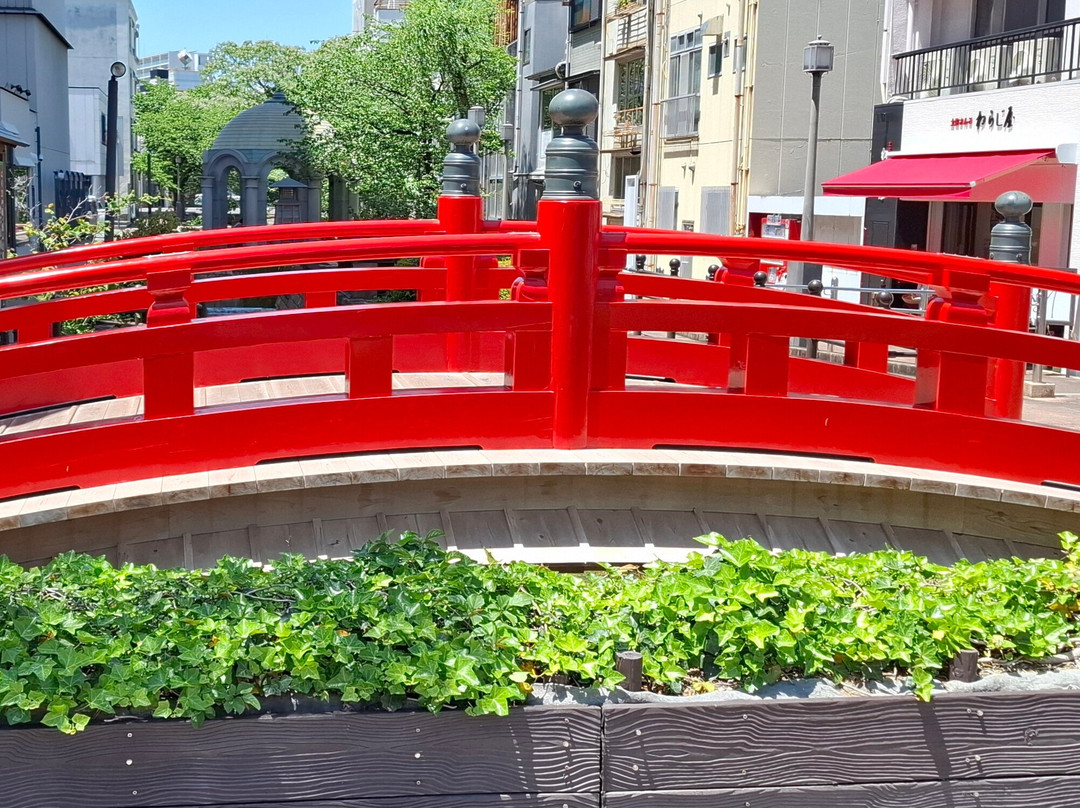
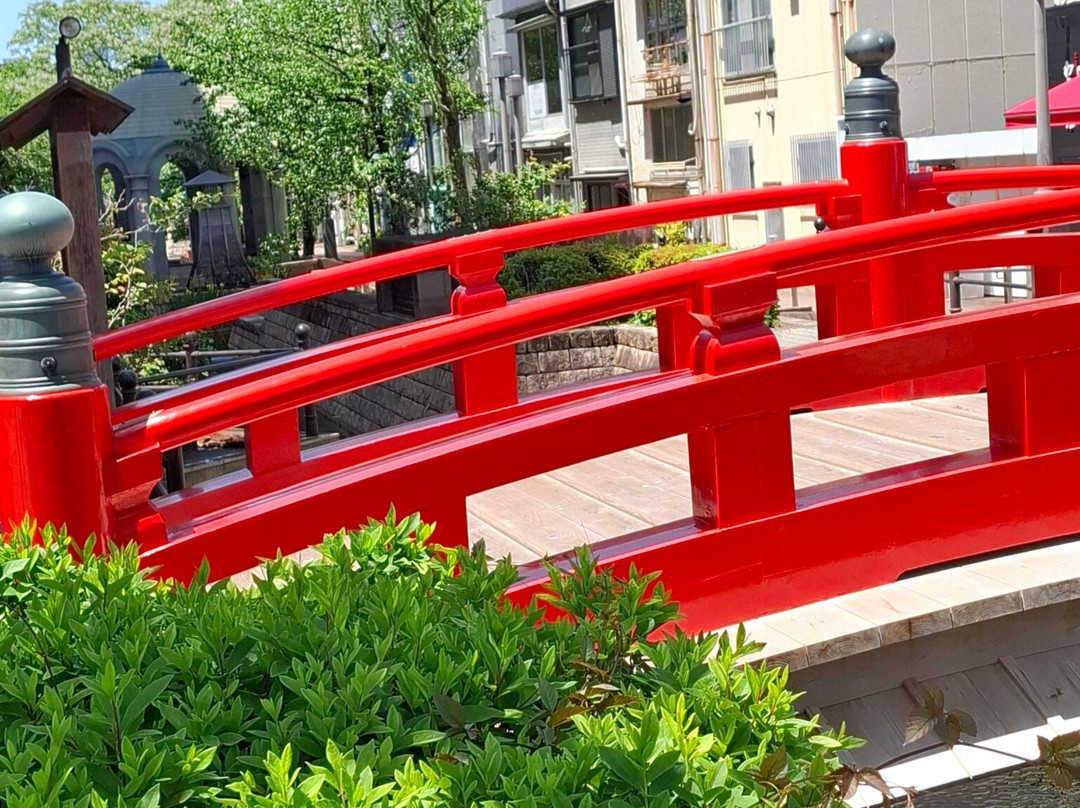
While walking around we came across this small wooden pedestrian bridge, painted a vibrant red. Although small it is an iconic feature in the City.
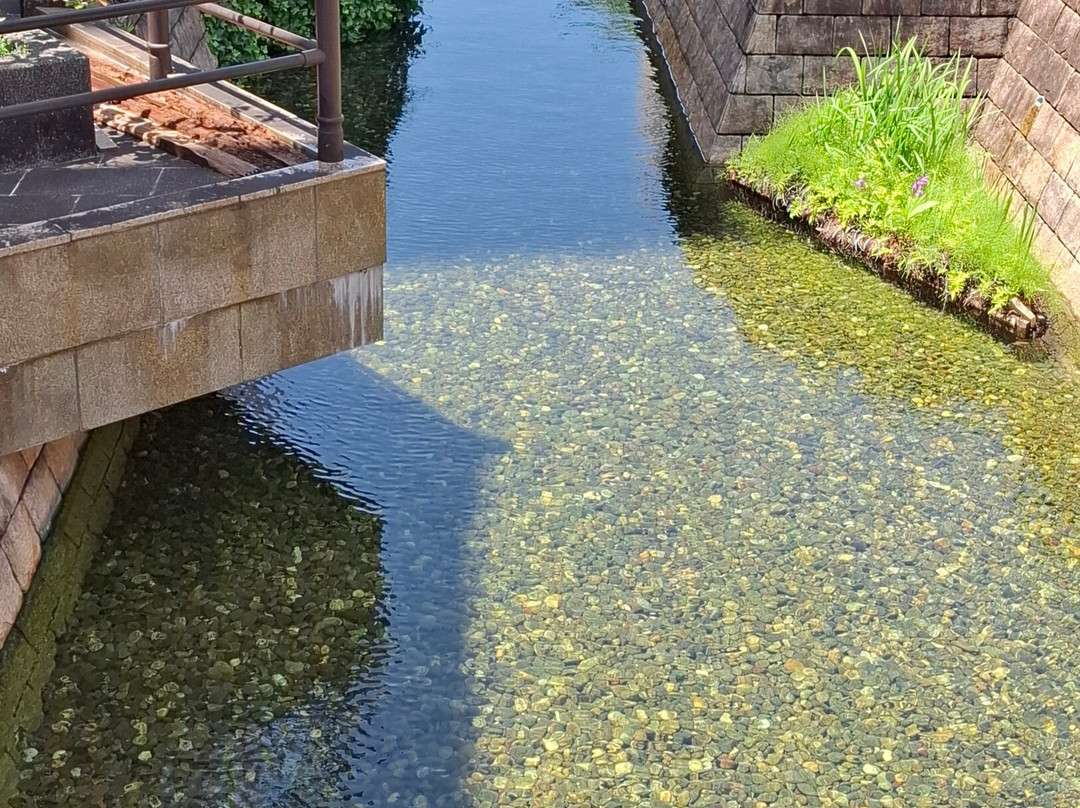
It is known as Harimayabashi (Harimaya Bridge) and spans a man-made stream in a Harimayabashi Park. The Park stretches along a 300 metre man-made waterway, it has a number of benches and gazebos.
Over the years, many changes have happened to the Bridge, including being moved from it's original site and put in the Park, where it stands today.
The Harimaya Bridge is known for the sad story of a love affair between a monk named Junshin and a woman named Ouma. Their story has been immortalised in a famous folk song Yosakoi-bushi.
According to the legend Junshin was seen buying a kanzashi/hairpin for his love, Ouma, in a store near the Bridge. This was the end for the lovers as monks were forbidden to have relationships or marry. As result he was exiled and she was sent away, never to meet again.
There is small white stone statue is nearby the bridge, which depicts Junshin and Ouma and she is wearing a hairpin, reviewed separately.
While walking around we came across this small wooden pedestrian bridge, painted a vibrant red. Although small it is an iconic feature in the City.
It is known as Harimayabashi (Harimaya Bridge) and spans a man-made stream in a Harimayabashi Park. The Park stretches along a 300 metre man-made waterway, it has a number of benches and gazebos.
Over the years, many changes have happened to the Bridge, including being moved from it's original site and put in the Park, where it stands today.
The Harimaya Bridge is known for the sad story of a love affair between a monk named Junshin and a woman named Ouma. Their story has been immortalised in a famous folk song Yosakoi-bushi.
According to the legend Junshin was seen buying a kanzashi/hairpin for his love, Ouma, in a store near the Bridge. This was the end for the lovers as monks were forbidden to have relationships or marry. As result he was exiled and she was sent away, never to meet again.
There is small white stone statue is nearby the bridge, which depicts Junshin and Ouma and she is wearing a hairpin, reviewed separately.
翻译:5月7日,星期三,我们在高知的街道上漫步观光。
漫步途中,我们偶然发现了一座漆成鲜艳红色的小型木质人行桥。虽然桥很小,但却是这座城市的标志性建筑。
它被称为播磨屋桥(Harimayabashi),横跨播磨屋桥公园的一条人工溪流。公园沿着一条300米长的人工水道延伸,桥上设有许多长椅和凉亭。
多年来,这座桥经历了许多变迁,包括从原址搬迁到如今的公园。
播磨屋桥因一位名叫顺信的僧侣和一位名叫欧玛的女子之间悲伤的爱情故事而闻名。他们的故事被载入一首著名的民歌《夜来节》。
根据传说,顺信曾在桥附近的一家商店里为他的爱人欧玛买簪子。这对恋人的爱情就此终结,因为僧侣被禁止交往或结婚。结果,他被流放,她也被送走,从此再也没有见面。
桥边有一座白色的小石像,描绘的是准信和王麻,她戴着发簪,另作评论。
漫步途中,我们偶然发现了一座漆成鲜艳红色的小型木质人行桥。虽然桥很小,但却是这座城市的标志性建筑。
它被称为播磨屋桥(Harimayabashi),横跨播磨屋桥公园的一条人工溪流。公园沿着一条300米长的人工水道延伸,桥上设有许多长椅和凉亭。
多年来,这座桥经历了许多变迁,包括从原址搬迁到如今的公园。
播磨屋桥因一位名叫顺信的僧侣和一位名叫欧玛的女子之间悲伤的爱情故事而闻名。他们的故事被载入一首著名的民歌《夜来节》。
根据传说,顺信曾在桥附近的一家商店里为他的爱人欧玛买簪子。这对恋人的爱情就此终结,因为僧侣被禁止交往或结婚。结果,他被流放,她也被送走,从此再也没有见面。
桥边有一座白色的小石像,描绘的是准信和王麻,她戴着发簪,另作评论。


© 2026 Tripadvisor 版权所有。
部分照片由 VFM Leonardo 提供。
TripAdvisor公司对外部网站的内容一概不负责。优惠价格中不含税和其他费用。
ICP证:沪B2-20200433
沪ICP备20013175号
 沪公网安备31010502005427号
鹰程信息技术(上海)有限公司