下载App
资质规则
旅行
账户

hans-jaguar
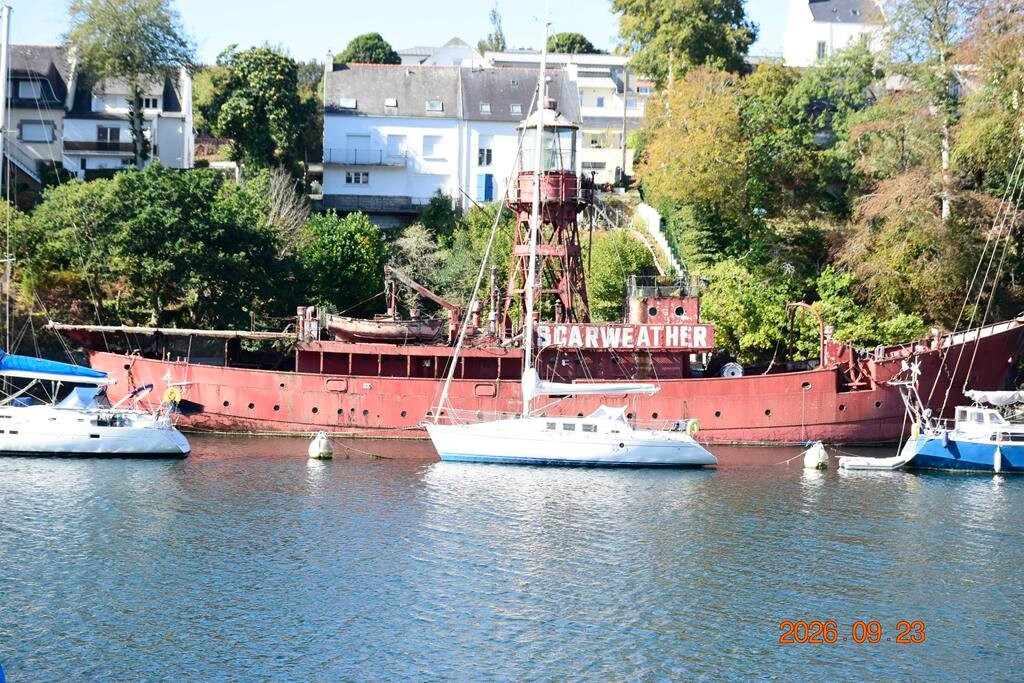
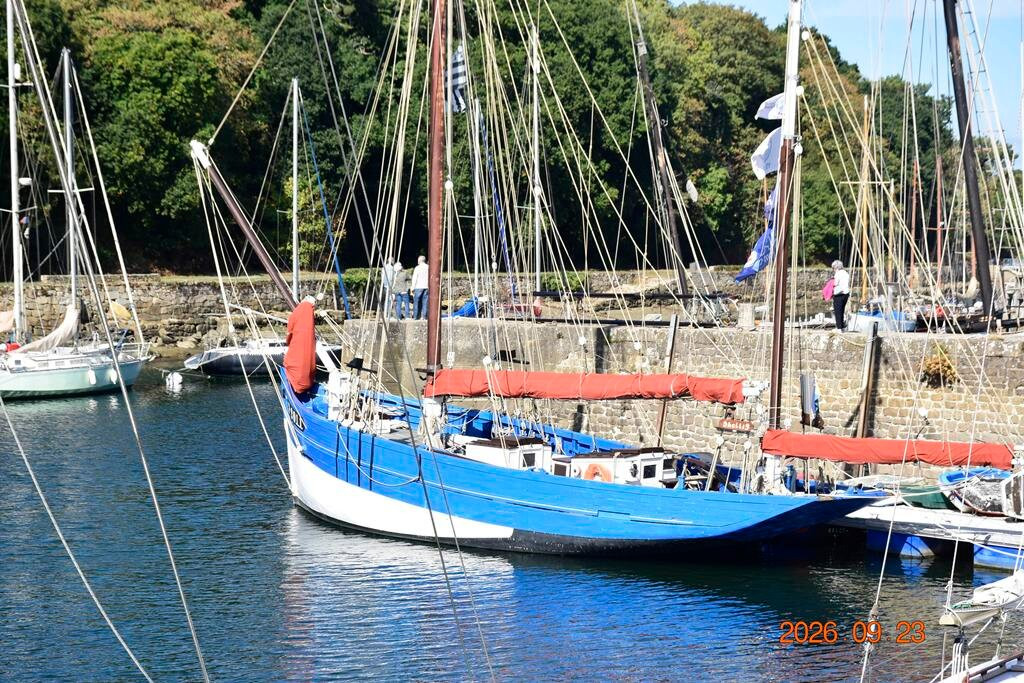
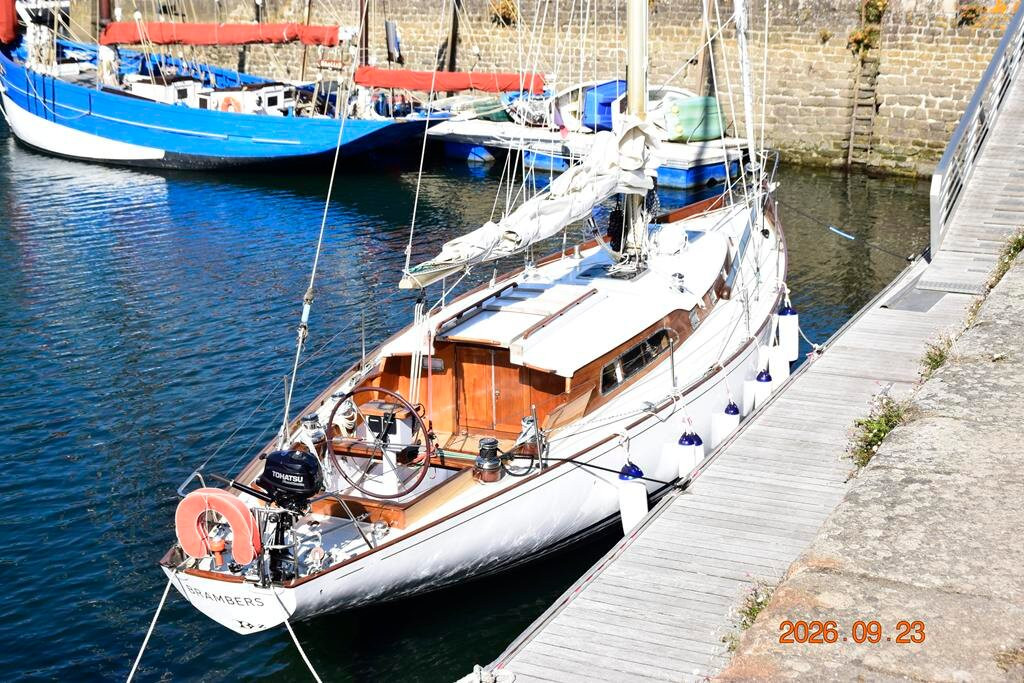
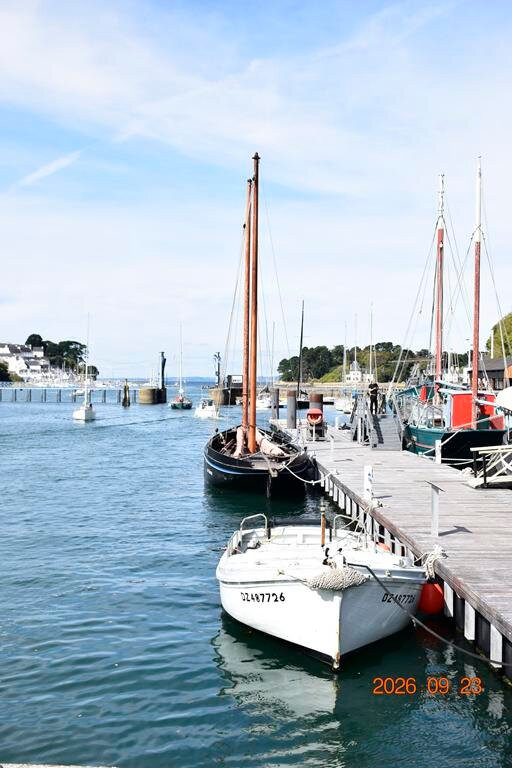
Walking arround in the Port Rhu.
Port Rhu的点评
点评:We had a stop-over in this pretty harbor where we have walked around, and doing so we were able to get close to beautiful boats, who was cool.
The Port-Rhu quays were built in the second half of the 19th century, much like those at Le Rosmeur—Douarnenez’s current fishing port. They extend along the river's right bank and into the Anse de l'Enfer (filled in the year 1901), which was once the hub of commercial activity involving pressed, barrel-packed sardines and, from the year 1870 onwards, the canning industry. The arrival of the railway in the neighboring former commune of Tréboul and the construction of the metal bridge somewhat curtailed merchant sailing traffic at the port. The boom in sardine canning also stimulated trade in salt, oil, and barrel timber, as well as the construction of sardine boats by small local shipyards; it also drove the trade in roe imported from Norway, which served as bait for local fishermen.
The Port-Rhu quays were built in the second half of the 19th century, much like those at Le Rosmeur—Douarnenez’s current fishing port. They extend along the river's right bank and into the Anse de l'Enfer (filled in the year 1901), which was once the hub of commercial activity involving pressed, barrel-packed sardines and, from the year 1870 onwards, the canning industry. The arrival of the railway in the neighboring former commune of Tréboul and the construction of the metal bridge somewhat curtailed merchant sailing traffic at the port. The boom in sardine canning also stimulated trade in salt, oil, and barrel timber, as well as the construction of sardine boats by small local shipyards; it also drove the trade in roe imported from Norway, which served as bait for local fishermen.
翻译:我们在这个风景宜人的港口稍作停留,并四处散步。在漫步过程中,我们得以近距离观赏那些漂亮的船只,真是酷极了。
Port-Rhu的码头建于19世纪下半叶,其样式与勒罗斯穆尔——即杜阿内内现在的渔港——的码头颇为相似。这些码头沿河的右岸延伸,一直延伸到安斯-德-伦费尔湾(该海湾于1901年被填平)。这里曾经是以罐装及桶装沙丁鱼为主的商业活动中心,这一状况从1870年起便持续了很长时间。罐头制造业。铁路通到邻近的原特雷布尔镇,金属桥的修建也在一定程度上减少了港口的商船往来。沙丁鱼罐头产业的繁荣还带动了盐、油脂以及制桶用木材的贸易,也促使当地的小型造船厂开始建造沙丁鱼捕捞船;此外,这一产业还促进了从挪威进口的鱼卵贸易,这些鱼卵被用作当地渔民的诱饵。
Port-Rhu的码头建于19世纪下半叶,其样式与勒罗斯穆尔——即杜阿内内现在的渔港——的码头颇为相似。这些码头沿河的右岸延伸,一直延伸到安斯-德-伦费尔湾(该海湾于1901年被填平)。这里曾经是以罐装及桶装沙丁鱼为主的商业活动中心,这一状况从1870年起便持续了很长时间。罐头制造业。铁路通到邻近的原特雷布尔镇,金属桥的修建也在一定程度上减少了港口的商船往来。沙丁鱼罐头产业的繁荣还带动了盐、油脂以及制桶用木材的贸易,也促使当地的小型造船厂开始建造沙丁鱼捕捞船;此外,这一产业还促进了从挪威进口的鱼卵贸易,这些鱼卵被用作当地渔民的诱饵。







© 2026 Tripadvisor 版权所有。
部分照片由 VFM Leonardo 提供。
TripAdvisor公司对外部网站的内容一概不负责。优惠价格中不含税和其他费用。
ICP证:沪B2-20200433
沪ICP备20013175号
 沪公网安备31010502005427号
鹰程信息技术(上海)有限公司