下载App
资质规则
旅行
账户

geo3
A beautiful slice of Edo-era Japan
Chiran Samurai Residence Garden的点评
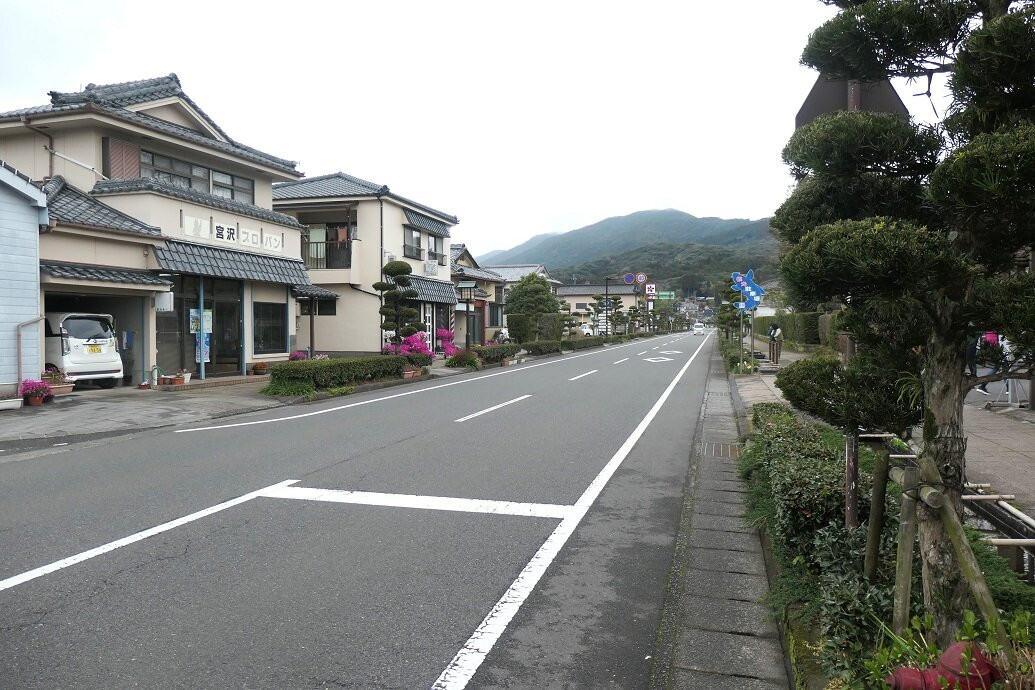
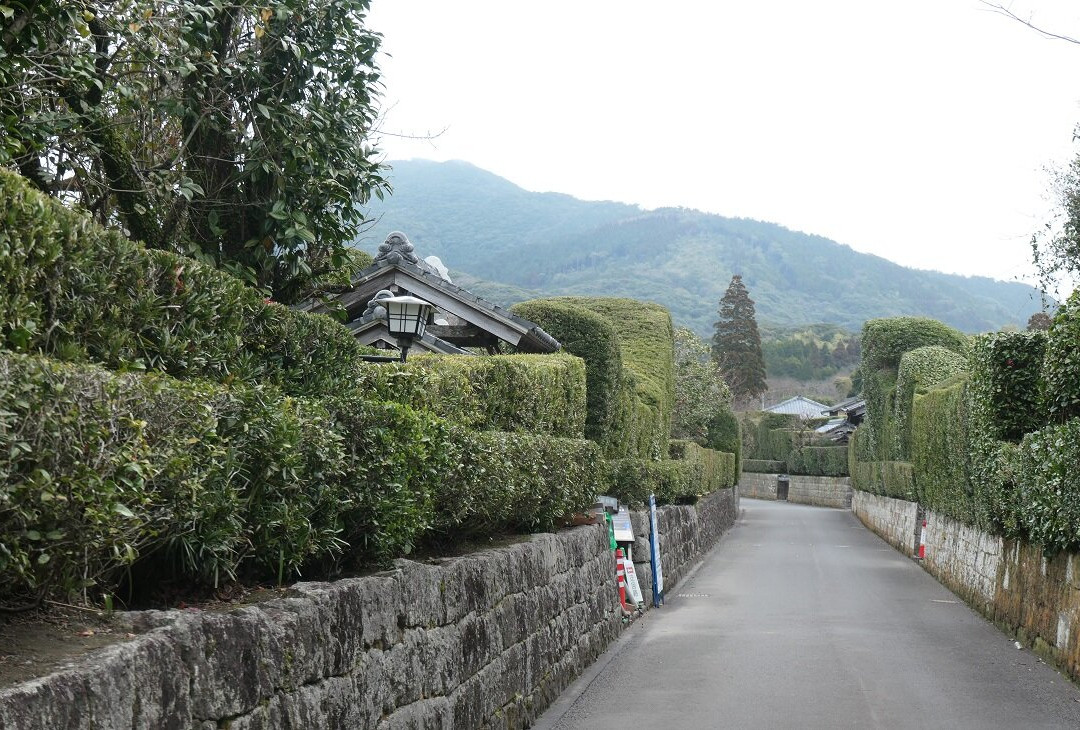
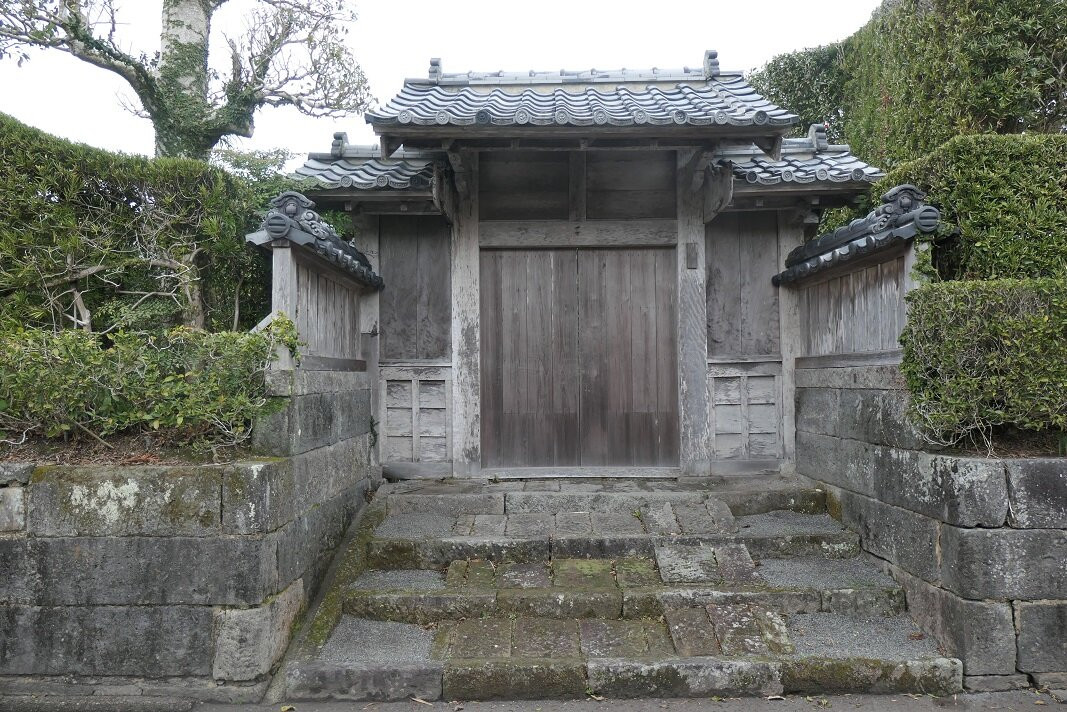
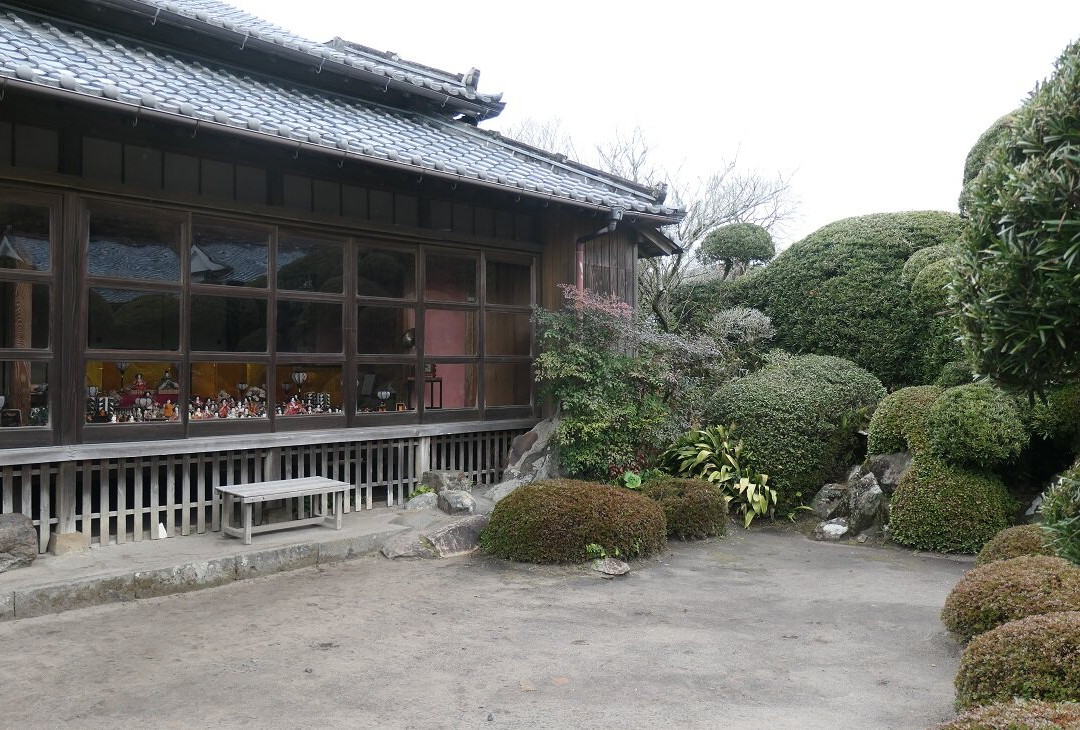
点评:This was a stop on a cruise ship tour, and it was interesting. We spent about three hours here - with a guide, but I found it more enjoyable to simply wander around the historical village and imagine what it would have been like in Samurai times. It has been preserved and/or restored well enough that not too much imagination is required. Most of the buildings and gardens date to the Edo period (17th through mid-19th century)
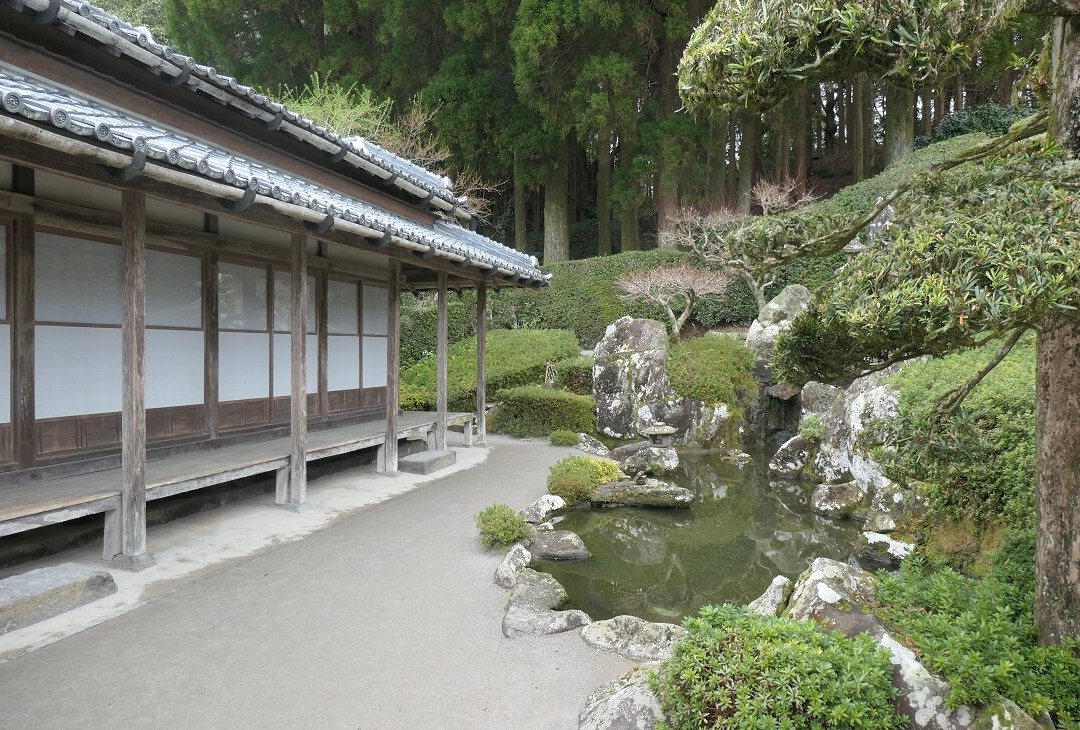
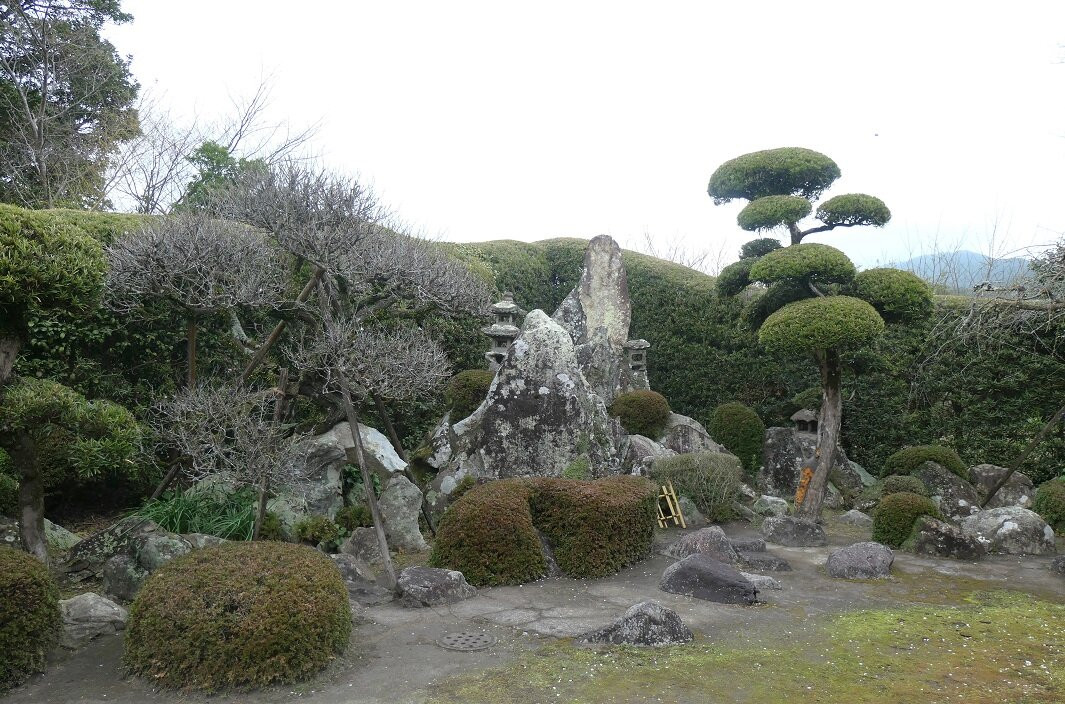
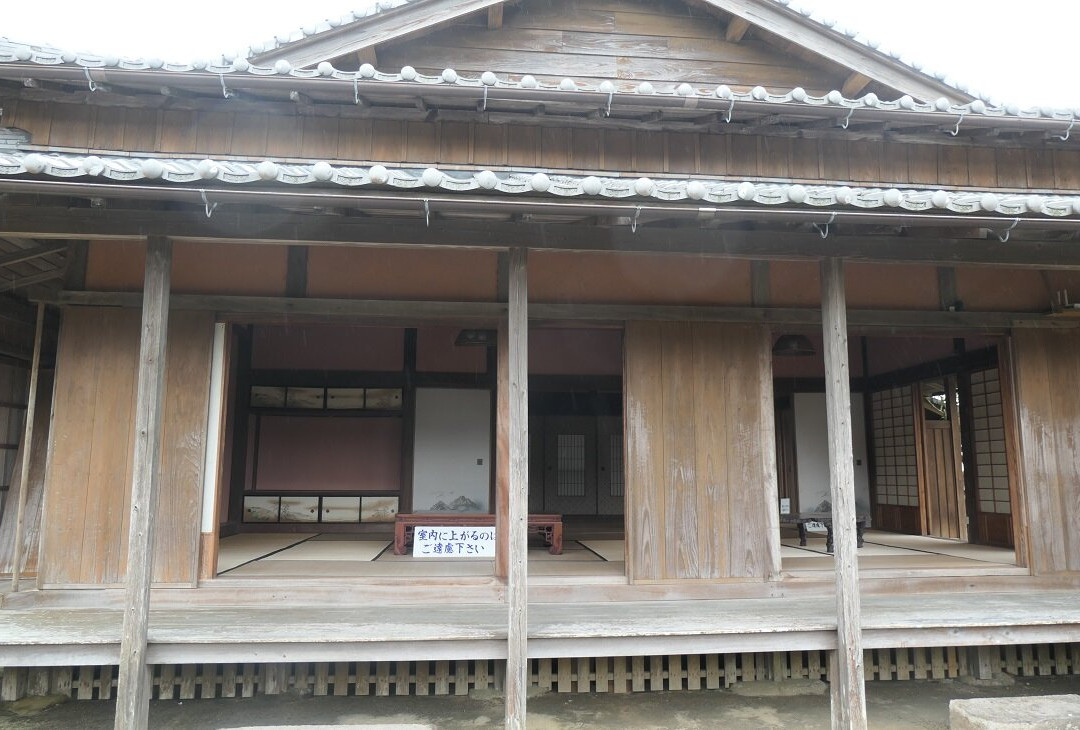
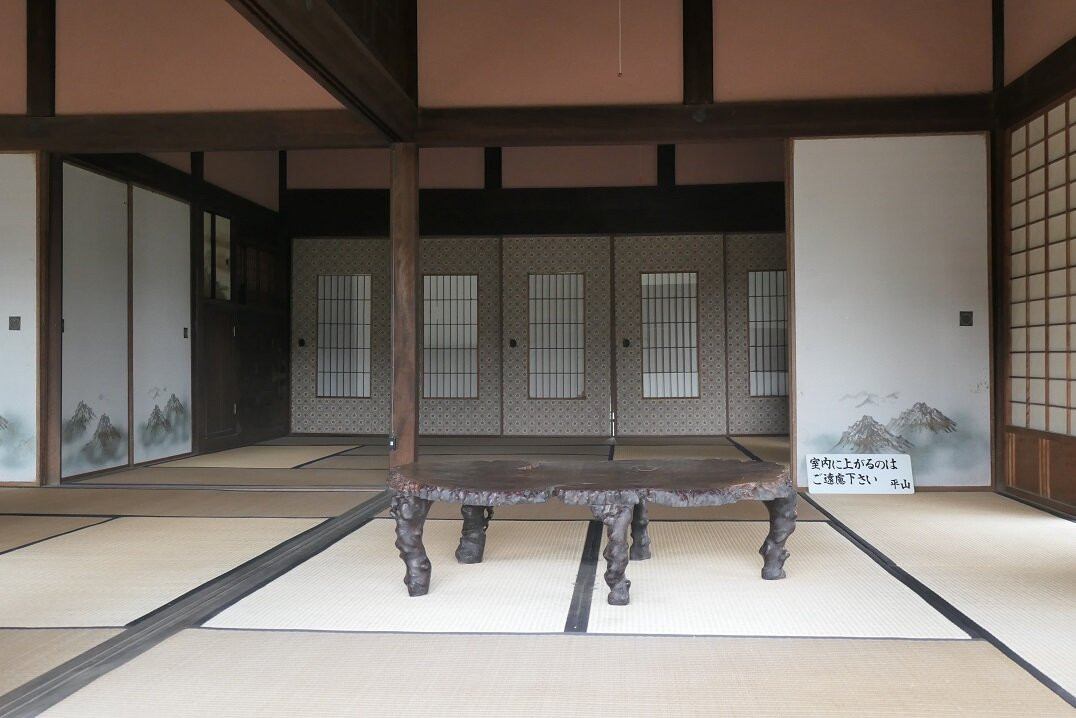
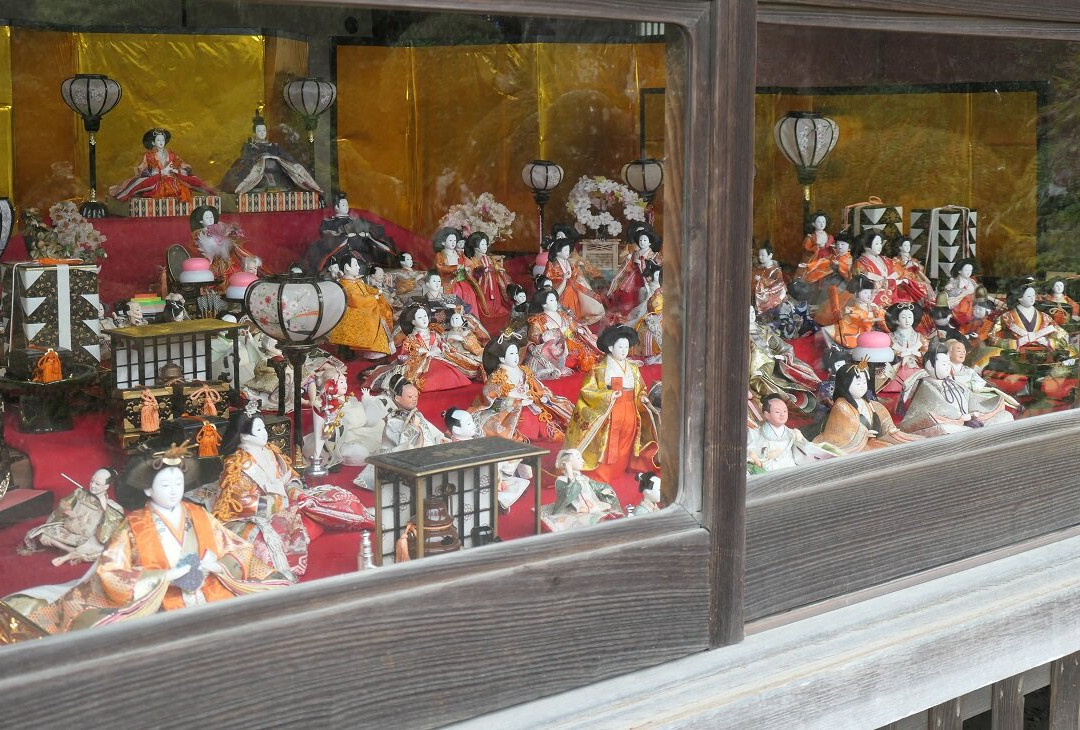
The gardens are really the primary attraction. They are beautiful, and all different. In addition, up to six houses may be open to tour; at the time of our tour, only two houses were open, but they were definitely helpful in seeing how a Samurai household might have lived.
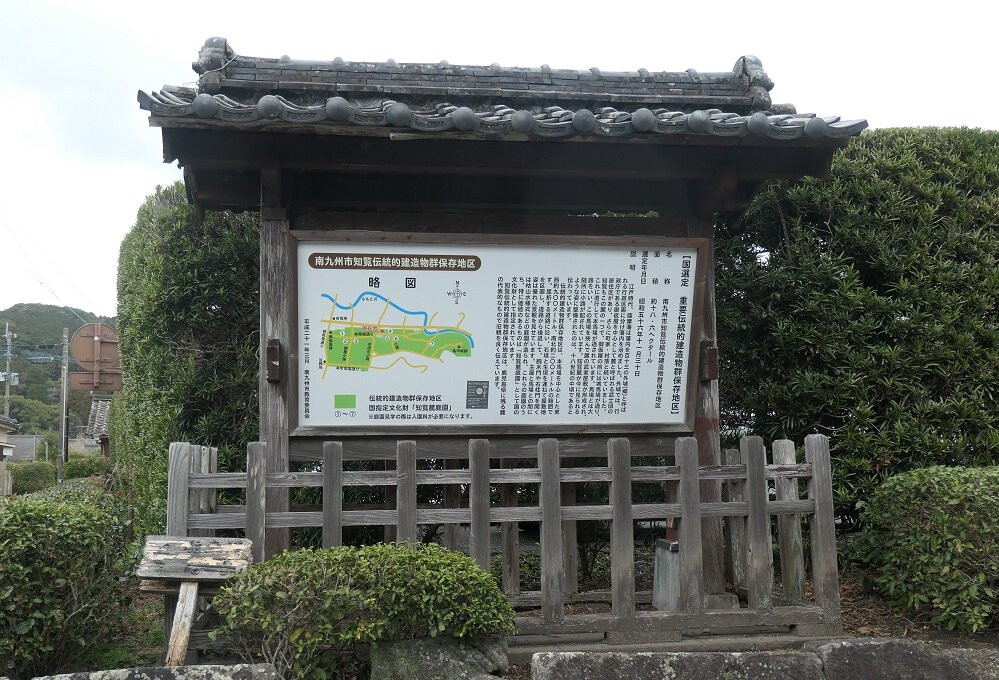
This site is off the beaten path in terms of foreign tourism, and you won't find much English here. However, the information centre did supply a very useful map with explanations in English of the history and significance of the various houses and gardens in the preservation area.
It might take a bit of work to access the attraction by public transit or car, as the area is quite remote (about an hour drive from Kagoshima). Since we came by tour bus, this was not an issue.
The gardens are really the primary attraction. They are beautiful, and all different. In addition, up to six houses may be open to tour; at the time of our tour, only two houses were open, but they were definitely helpful in seeing how a Samurai household might have lived.
This site is off the beaten path in terms of foreign tourism, and you won't find much English here. However, the information centre did supply a very useful map with explanations in English of the history and significance of the various houses and gardens in the preservation area.
It might take a bit of work to access the attraction by public transit or car, as the area is quite remote (about an hour drive from Kagoshima). Since we came by tour bus, this was not an issue.
翻译:这是游轮行程中的一站,非常有趣。我们在这里待了大约三个小时——虽然有导游陪同,但我更喜欢自己漫步在这座历史悠久的村落里,想象武士时代的景象。村落保存或修复得相当完好,无需太多想象。大部分建筑和花园都建于江户时代(17世纪至19世纪中期)。
花园才是这里真正的亮点。它们美丽动人,各具特色。此外,最多可能有六座房屋对外开放参观;我们参观时只有两座,但它们确实有助于了解武士家庭的生活方式。
就外国游客而言,这里算是比较冷门的景点,而且你在这里很难找到英文信息。不过,游客中心提供了一张非常有用的地图,上面用英文解释了保护区内各个房屋和花园的历史和意义。
前往该景点可能需要乘坐公共交通工具或自驾,因为该地区位置较为偏远(距离鹿儿岛约一小时车程)。由于我们是乘坐旅游巴士前往,所以这不成问题。
花园才是这里真正的亮点。它们美丽动人,各具特色。此外,最多可能有六座房屋对外开放参观;我们参观时只有两座,但它们确实有助于了解武士家庭的生活方式。
就外国游客而言,这里算是比较冷门的景点,而且你在这里很难找到英文信息。不过,游客中心提供了一张非常有用的地图,上面用英文解释了保护区内各个房屋和花园的历史和意义。
前往该景点可能需要乘坐公共交通工具或自驾,因为该地区位置较为偏远(距离鹿儿岛约一小时车程)。由于我们是乘坐旅游巴士前往,所以这不成问题。

© 2026 Tripadvisor 版权所有。
部分照片由 VFM Leonardo 提供。
TripAdvisor公司对外部网站的内容一概不负责。优惠价格中不含税和其他费用。
ICP证:沪B2-20200433
沪ICP备20013175号
 沪公网安备31010502005427号
鹰程信息技术(上海)有限公司