下载App
资质规则
旅行
账户
liucy752
16
A moving experience
Otsuka Museum of Art的点评
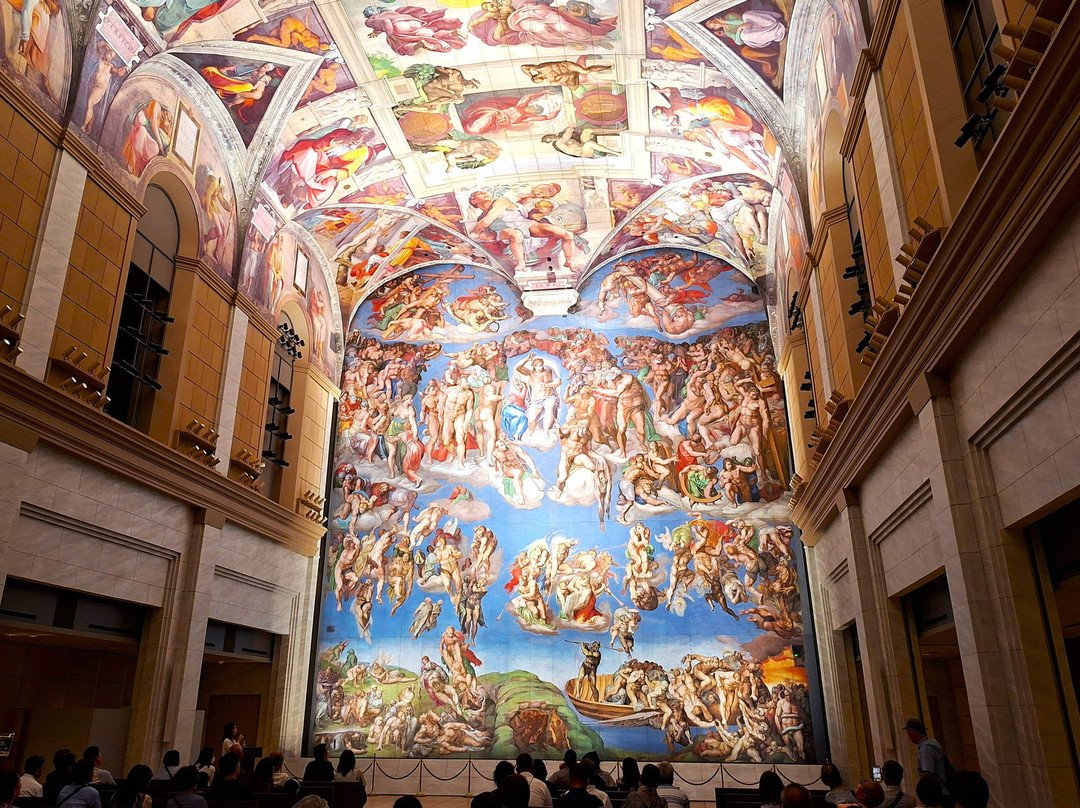
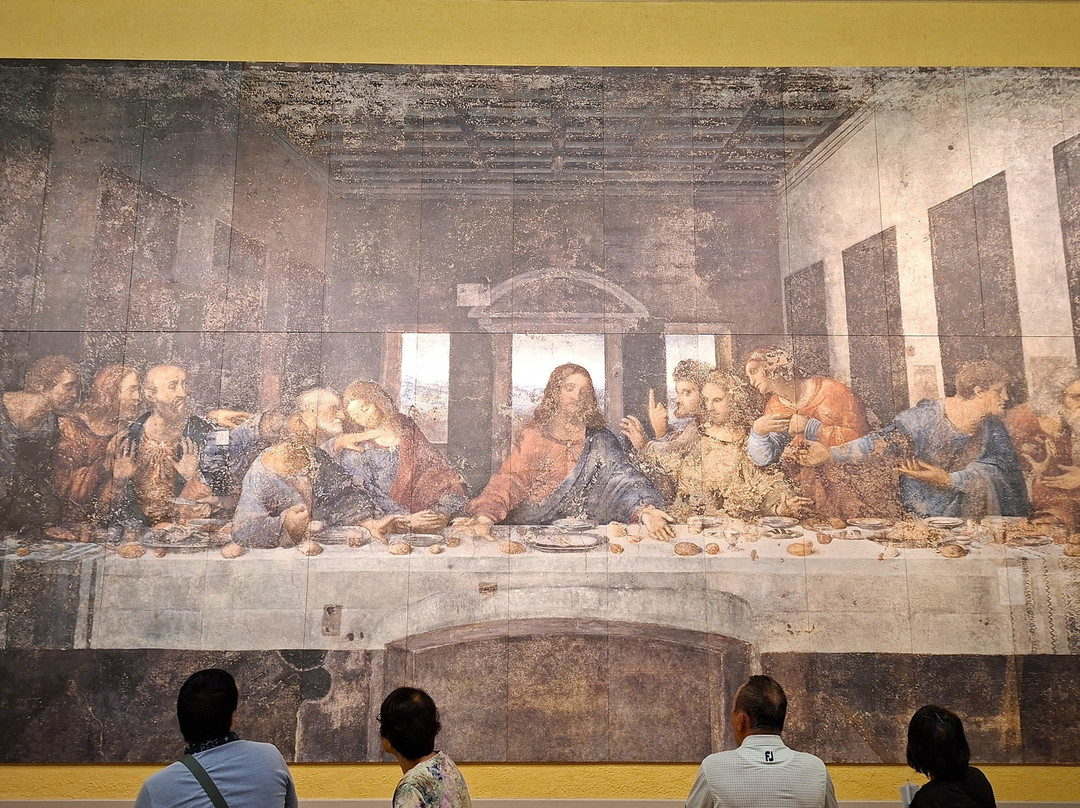
点评:I have visited the Louvre three times, yet each time I could only view the "Mona Lisa" from afar, separated by throngs of people; I visited the Sistine Chapel at the Vatican Museums, but the viewing was rushed and photography was prohibited; I traveled to Milan twice, yet failed to secure a reservation for the 15-minute viewing of Da Vinci’s "The Last Supper" at the Convent of Santa Maria delle Grazie; ......
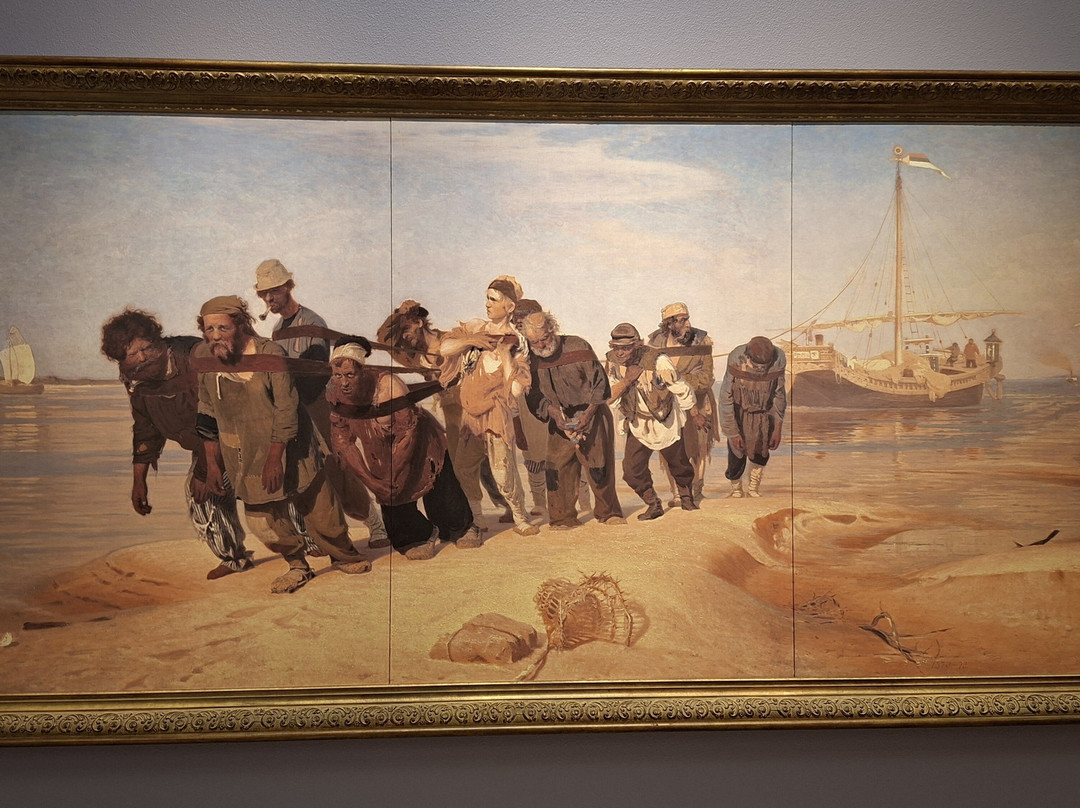
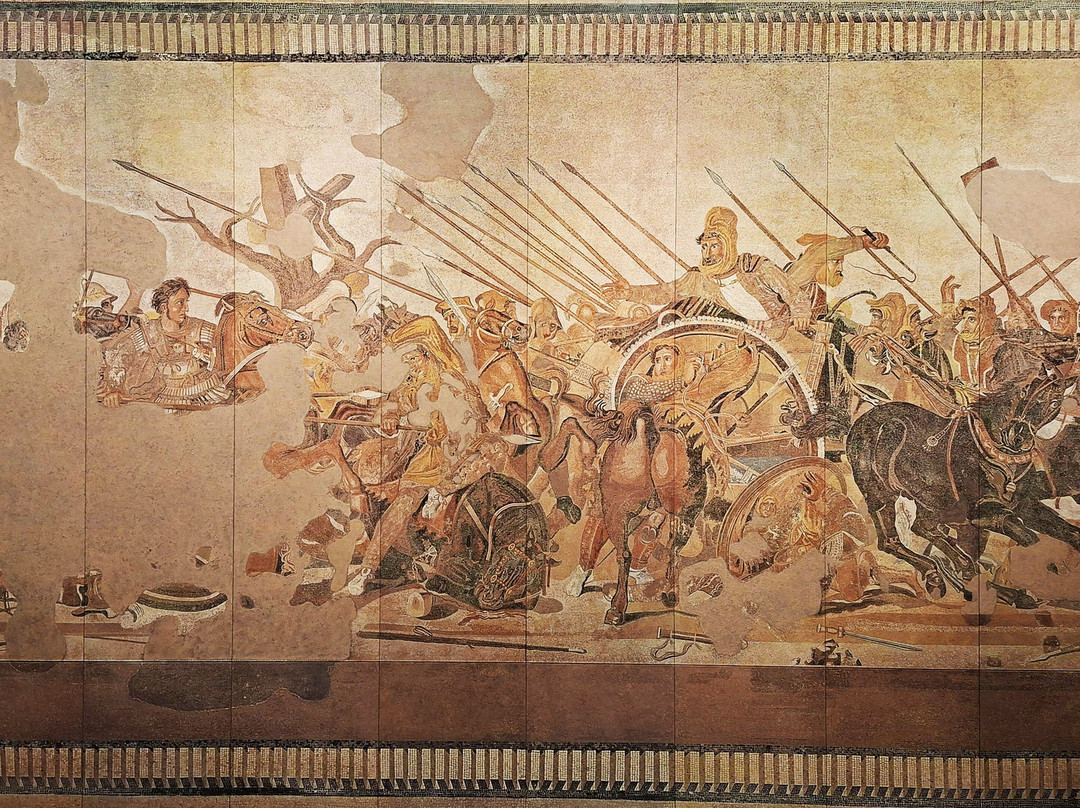
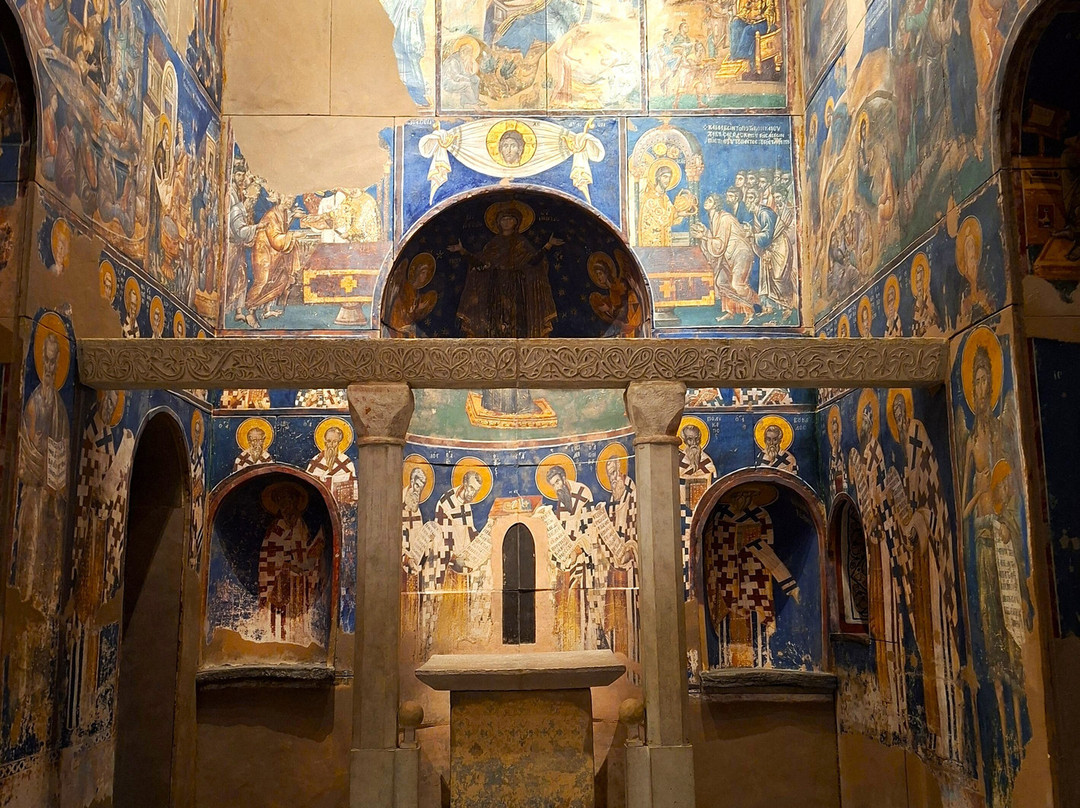
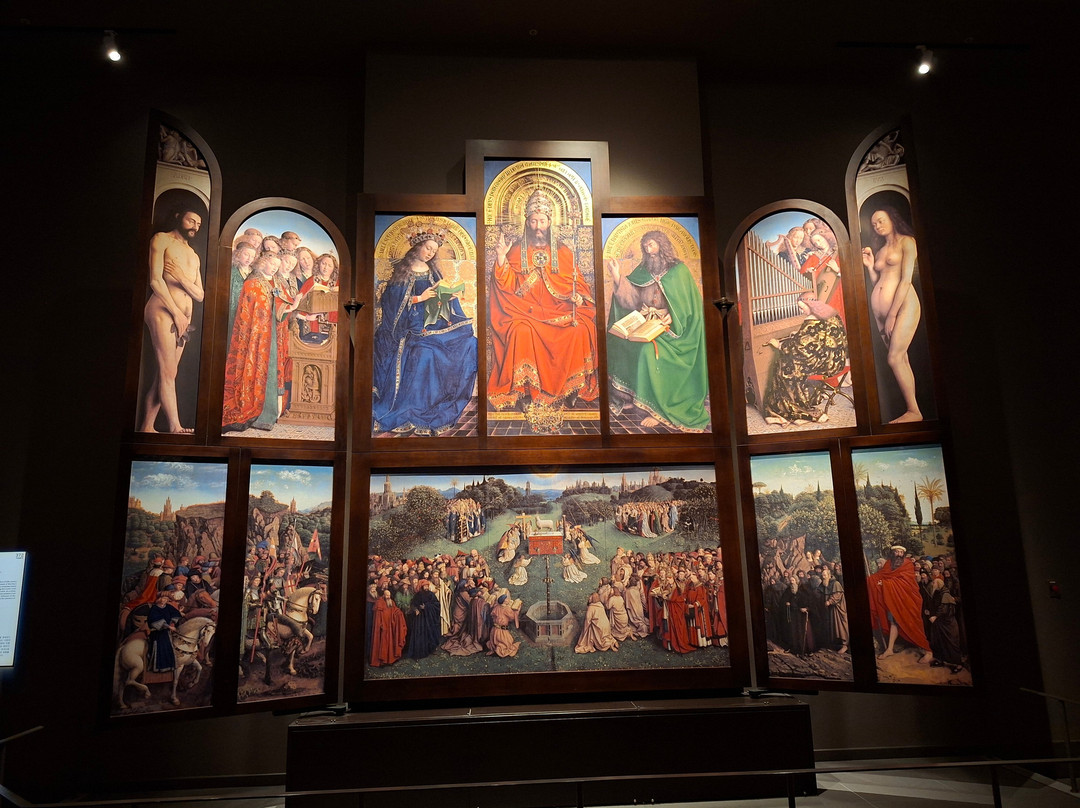
Here, I can view these three aforementioned masterpieces, along with countless other world-renowned paintings and frescoes, up close and at my own pace, without time constraints. I can even examine the brushstrokes in minute detail. It is truly moving.
The art museum stands as a prime example of corporate contribution to society; not only does it boost Tokushima’s ceramics and tourism industries, but its cultural impact is also of enduring significance.
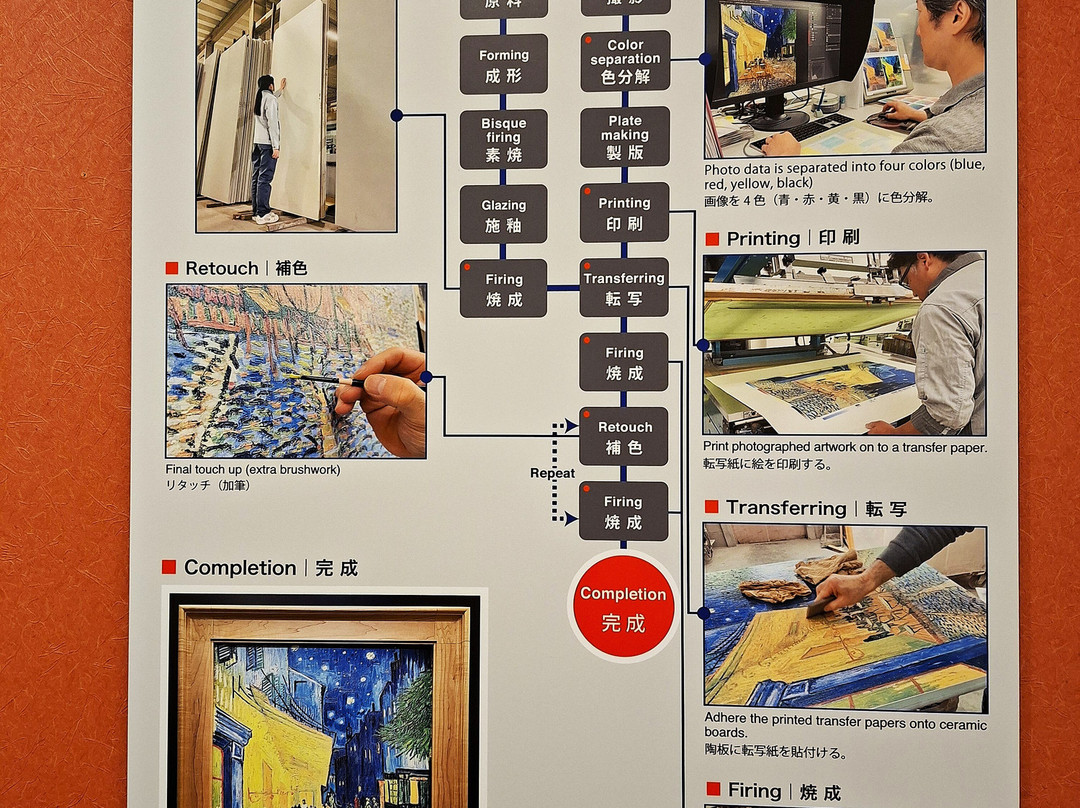
Beyond commending the corporation, I also wish to express my deepest respect and gratitude to Hiromasa Itagaki 板垣浩正, the inventor of the ceramic board painting technique; the late Masatomi Otsuka 大塚正富and the late Masahito Otsuka 大塚正士, the driving force behind the Otsuka Museum of Art.
翻译:我曾三次造访卢浮宫,但每次都只能隔着密密麻麻的人群从远处眺望《蒙娜丽莎》;我也去过梵蒂冈博物馆的西斯廷教堂,但参观过程匆匆忙忙,且禁止拍照;我两次前往米兰,却始终未能预约到在圣玛利亚修道院观看达·芬奇的《最后的晚餐》的15分钟机会;……
在这里,我可以观赏到上述这三幅杰作。我可以近距离地、按照自己的节奏来欣赏无数世界著名的绘画与壁画,完全不受时间限制。我甚至能够细致入微地观察每一笔 Brushstrokes。真是令人动容。
这座艺术博物馆堪称企业回馈社会的最佳典范;它不仅促进了德岛县的陶瓷产业与旅游业发展,其文化影响也具有持久意义。
除了称赞这家企业之外,我还要向陶瓷板绘画技术的发明者板垣浩正先生,以及大冢美术馆的创立推动力——已故的大塚正富先生和已故的大塚正士先生,表达我最崇高的敬意与感激之情。
在这里,我可以观赏到上述这三幅杰作。我可以近距离地、按照自己的节奏来欣赏无数世界著名的绘画与壁画,完全不受时间限制。我甚至能够细致入微地观察每一笔 Brushstrokes。真是令人动容。
这座艺术博物馆堪称企业回馈社会的最佳典范;它不仅促进了德岛县的陶瓷产业与旅游业发展,其文化影响也具有持久意义。
除了称赞这家企业之外,我还要向陶瓷板绘画技术的发明者板垣浩正先生,以及大冢美术馆的创立推动力——已故的大塚正富先生和已故的大塚正士先生,表达我最崇高的敬意与感激之情。

© 2026 Tripadvisor 版权所有。
部分照片由 VFM Leonardo 提供。
TripAdvisor公司对外部网站的内容一概不负责。优惠价格中不含税和其他费用。
ICP证:沪B2-20200433
沪ICP备20013175号
 沪公网安备31010502005427号
鹰程信息技术(上海)有限公司