下载App
资质规则
旅行
账户

Mairwen1
7
One for the History Buffs Only
Mure Etrusche的点评
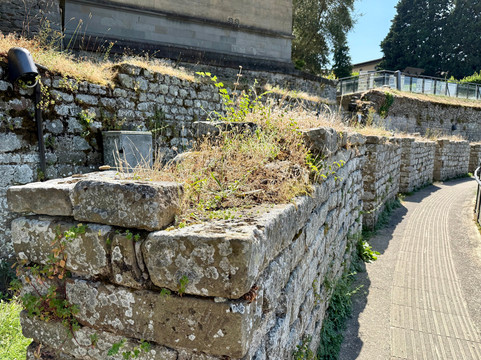
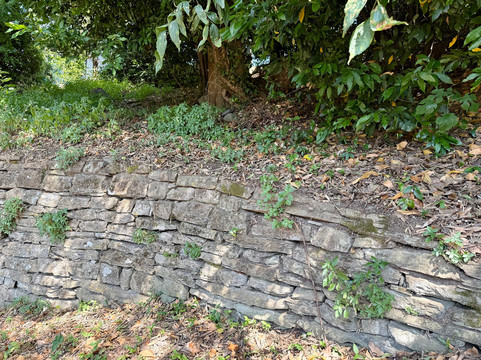
点评:Fragments of the massive, fortified walls that once surrounded the ancient Etruscan city can still be seen here at Fiesole.
It’s thought that they were built sometime around the 4th century BC, which pre-dates the ancient Romans. It's a pretty amazing thing to think that when these were built, Alexander the Great was just becoming a force and Socrates was being executed in Athens.
However there’s not a lot left and it takes a whole lot of imagination to picture what they might have looked like. It was all a bit beyond me and I think this is something that only a real history buff will appreciate.
You can see sections of wall from inside Fiesole’s Archaeological Area (it runs behind the Roman baths and Etruscan temple) but you can see a much larger section from outside, where it runs along Via delle Mura Etrusche. Another large part can also be seen along Via Mari. However the easiest place to see it is inside the Civic Archaeological Museum where you can see a section in Room 6.
It’s thought that they were built sometime around the 4th century BC, which pre-dates the ancient Romans. It's a pretty amazing thing to think that when these were built, Alexander the Great was just becoming a force and Socrates was being executed in Athens.
However there’s not a lot left and it takes a whole lot of imagination to picture what they might have looked like. It was all a bit beyond me and I think this is something that only a real history buff will appreciate.
You can see sections of wall from inside Fiesole’s Archaeological Area (it runs behind the Roman baths and Etruscan temple) but you can see a much larger section from outside, where it runs along Via delle Mura Etrusche. Another large part can also be seen along Via Mari. However the easiest place to see it is inside the Civic Archaeological Museum where you can see a section in Room 6.
翻译:在菲耶索莱,至今仍能看到曾经环绕着古伊特鲁里亚城邦的巨大城墙残迹。
据推测,这些城墙建于公元前4世纪左右,比古罗马时期还要早。想想看,当这些城墙建成时,亚历山大大帝正崭露头角,苏格拉底在雅典被处决,这真是令人惊叹。
然而,如今城墙残存不多,需要丰富的想象力才能还原它们昔日的风貌。这一切对我来说有点难以想象,我想只有真正的历史爱好者才能体会其中的奥妙。
在菲耶索莱考古区内(位于罗马浴场和伊特鲁里亚神庙后方),您可以看到部分城墙;而在外部,沿着伊特鲁里亚城墙大道(Via delle Mura Etrusche)延伸,则可以看到更大一段的城墙。沿着马里大道(Via Mari)也能看到另一段较大的城墙。不过,最便捷的观赏地点是市立考古博物馆,您可以在6号展厅看到一段城墙。
据推测,这些城墙建于公元前4世纪左右,比古罗马时期还要早。想想看,当这些城墙建成时,亚历山大大帝正崭露头角,苏格拉底在雅典被处决,这真是令人惊叹。
然而,如今城墙残存不多,需要丰富的想象力才能还原它们昔日的风貌。这一切对我来说有点难以想象,我想只有真正的历史爱好者才能体会其中的奥妙。
在菲耶索莱考古区内(位于罗马浴场和伊特鲁里亚神庙后方),您可以看到部分城墙;而在外部,沿着伊特鲁里亚城墙大道(Via delle Mura Etrusche)延伸,则可以看到更大一段的城墙。沿着马里大道(Via Mari)也能看到另一段较大的城墙。不过,最便捷的观赏地点是市立考古博物馆,您可以在6号展厅看到一段城墙。

© 2026 Tripadvisor 版权所有。
部分照片由 VFM Leonardo 提供。
TripAdvisor公司对外部网站的内容一概不负责。优惠价格中不含税和其他费用。
ICP证:沪B2-20200433
沪ICP备20013175号
 沪公网安备31010502005427号
鹰程信息技术(上海)有限公司