下载App
资质规则
旅行
账户

ah tee s
Where history and daily life coexist
洛邑古城的点评
点评:From Yuntaishan, we boarded a bus bound for Luoyang. The journey was long — more than four hours on the road. We left at 2:30 pm and only arrived close to 7:00 pm, which meant our first day in Luoyang was largely consumed by travel. That evening, drained from the ride, I managed only a brief visit to Yingtianmen, illuminated against the night sky.
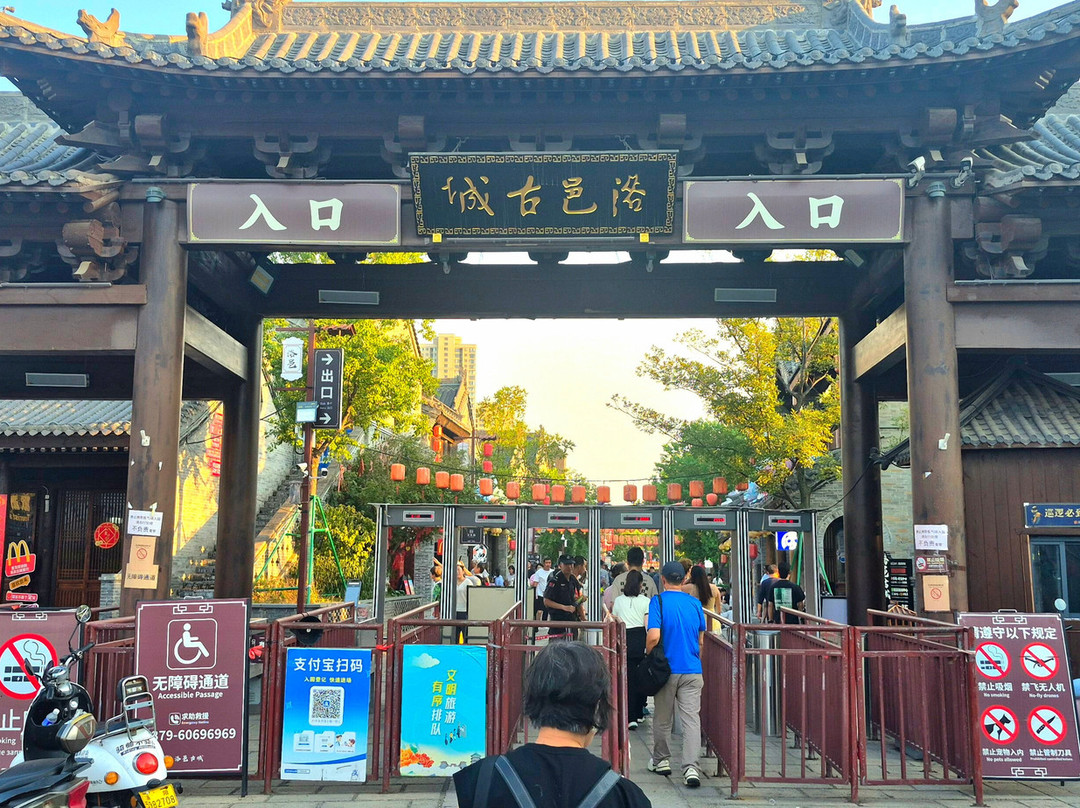
The following day was devoted entirely to two of Luoyang’s most iconic sites: the Longmen Grottoes and the White Horse Temple. After exploring the temple, we caught bus no. 58 directly to Luoyi Ancient City. By then, the hours of walking through grottoes and temple grounds had left us physically exhausted. Still, the ancient city welcomed us with free admission and a promise of cultural immersion.
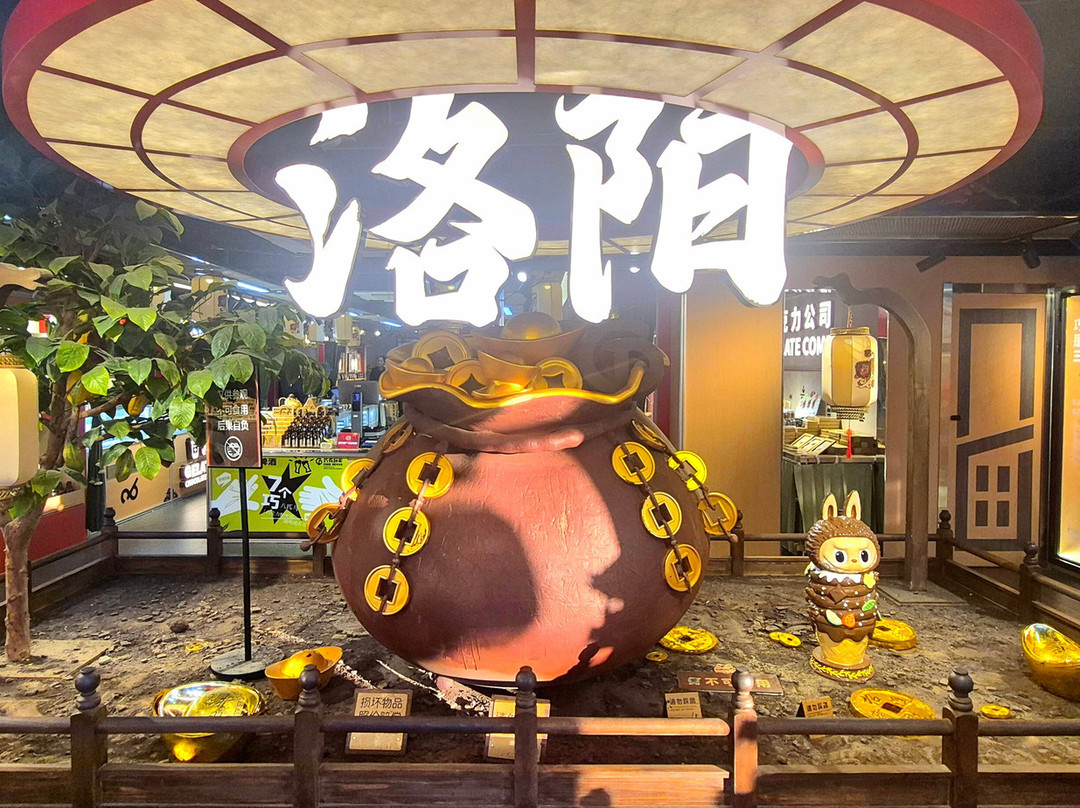
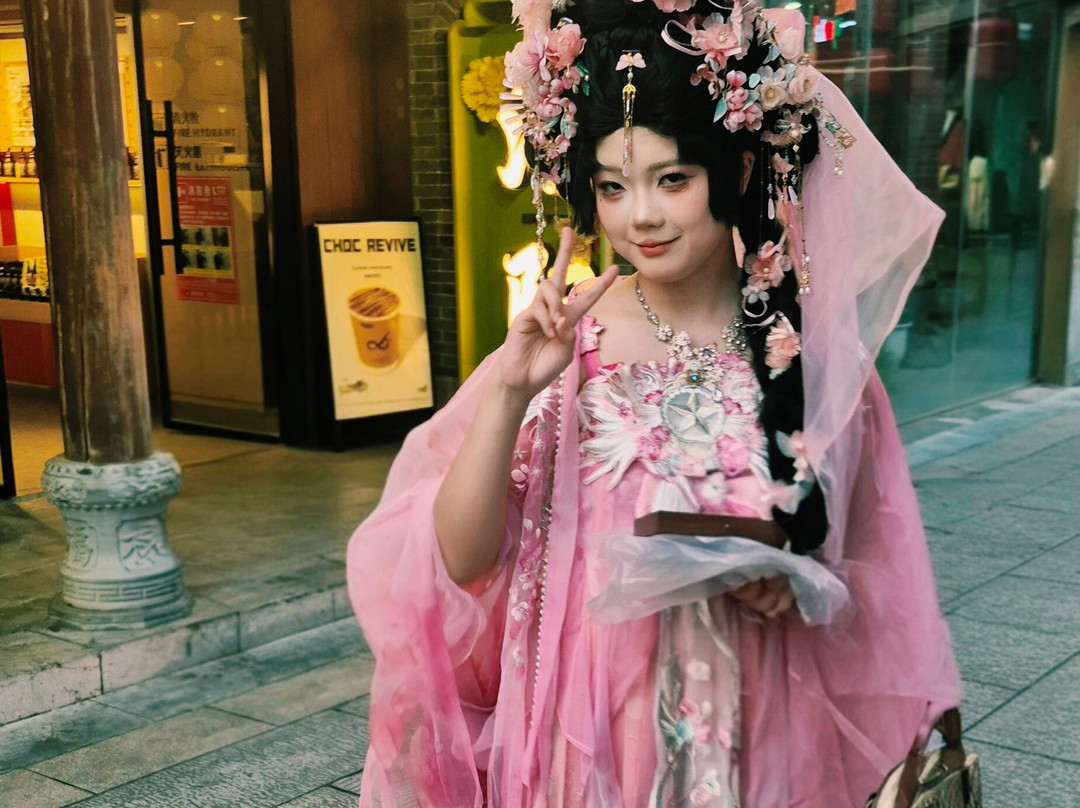
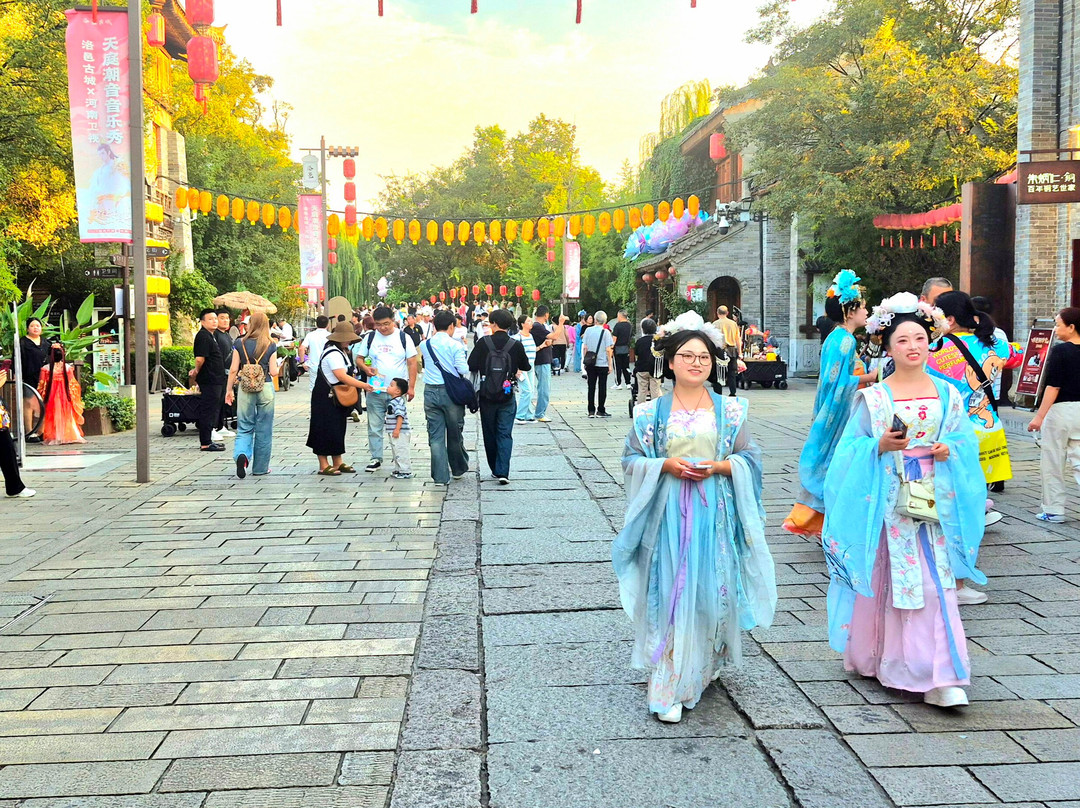
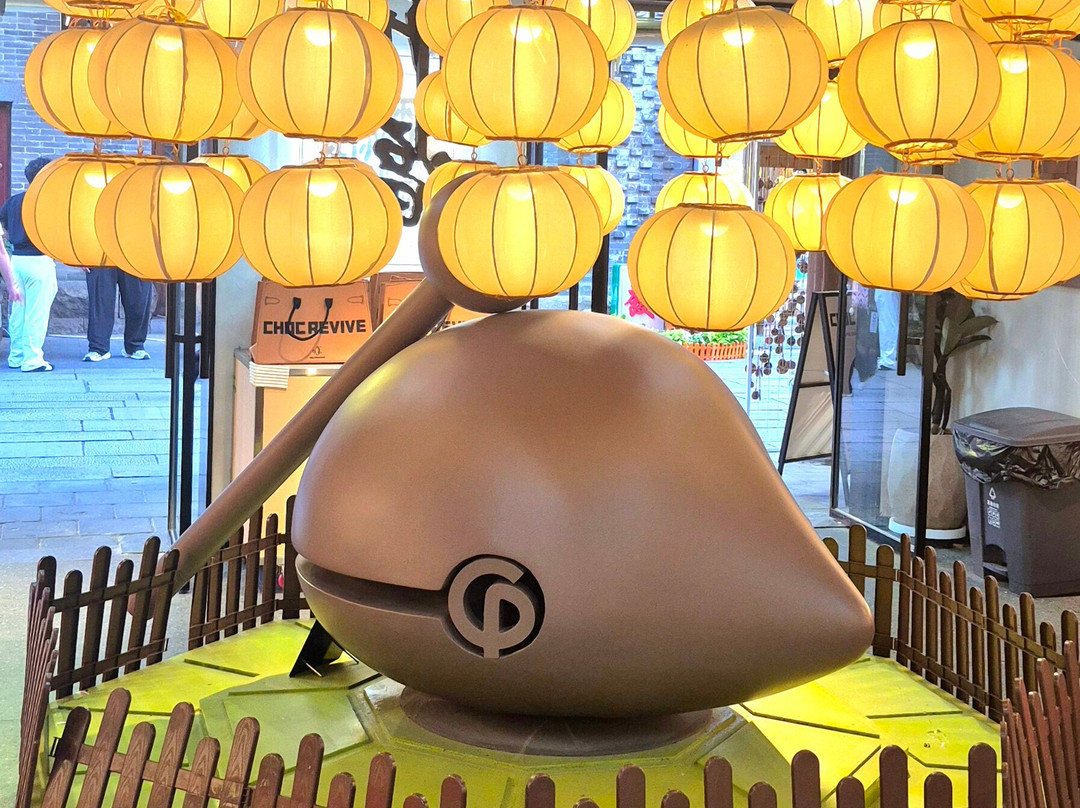
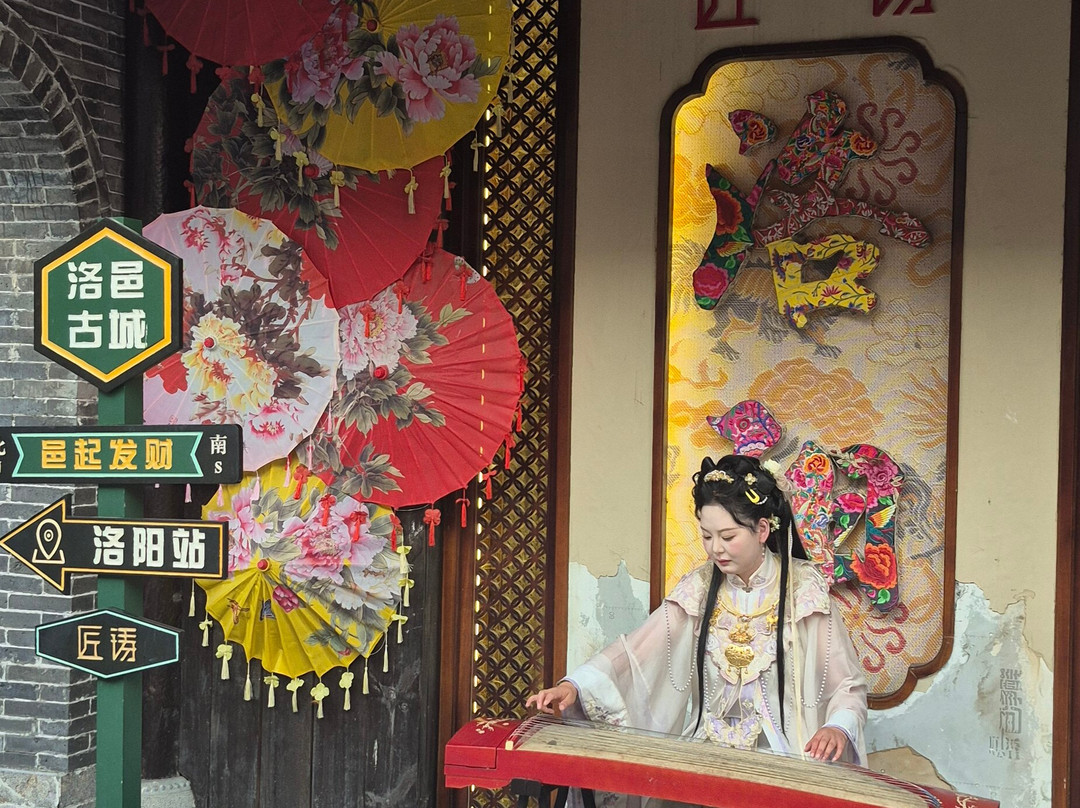
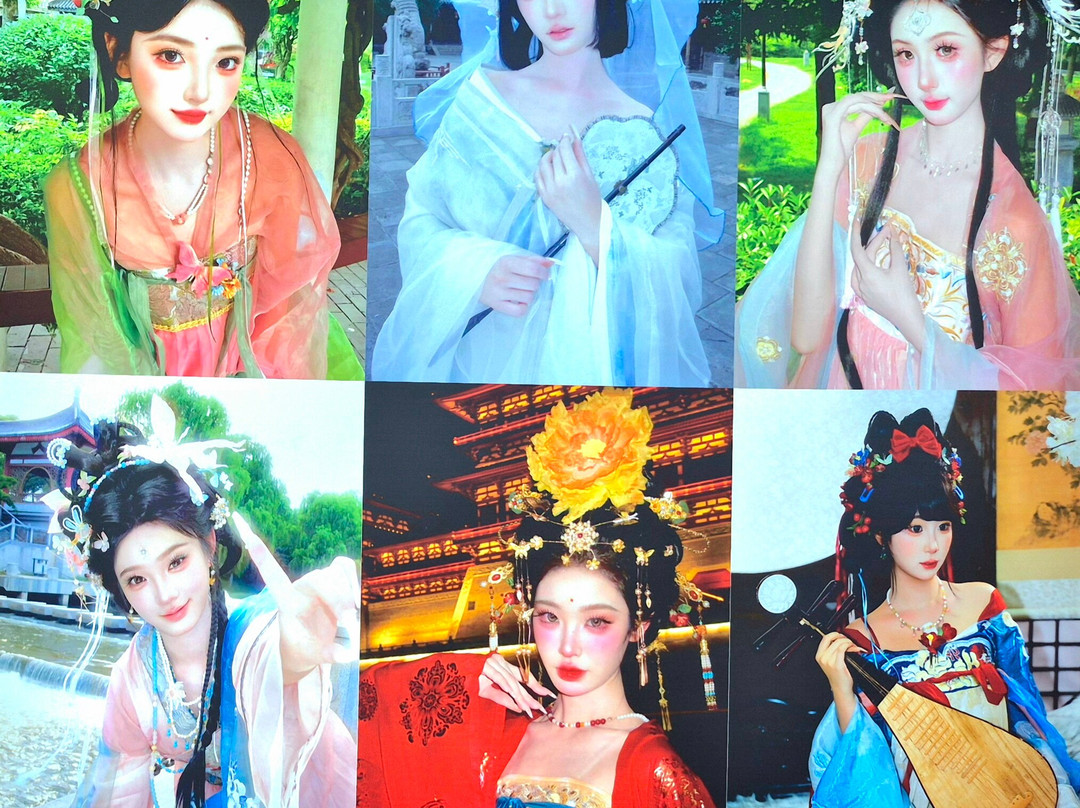
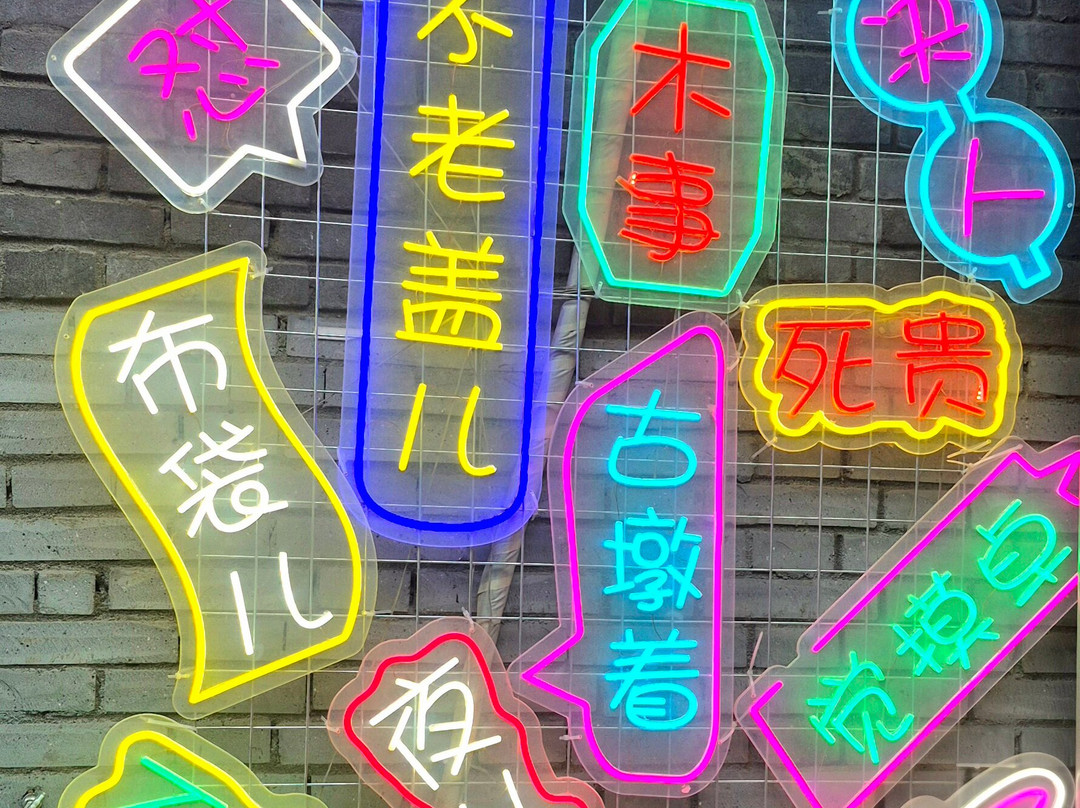
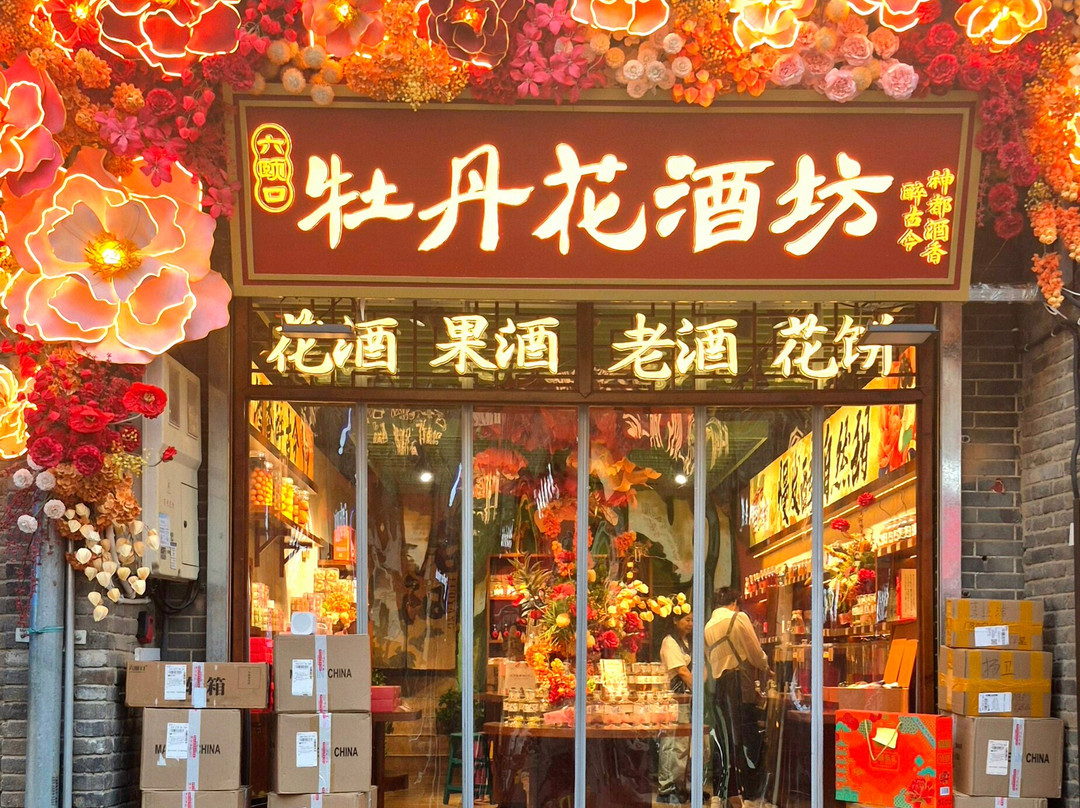
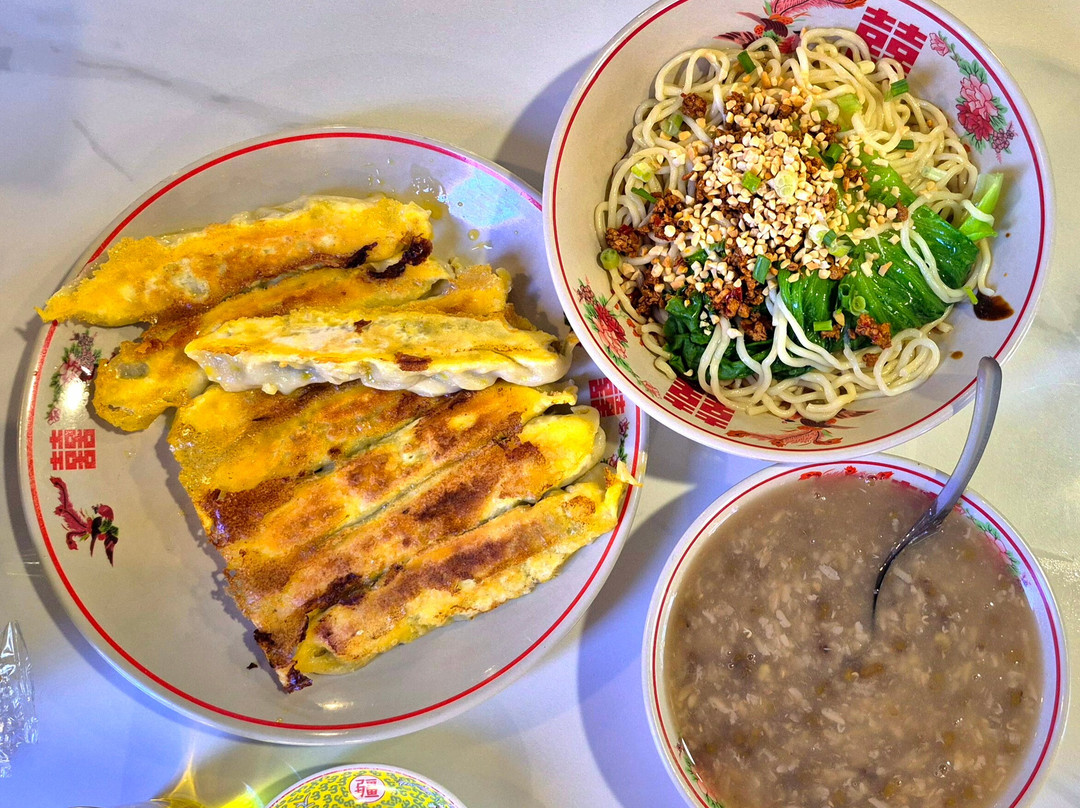
Dinner was taken at a basement food court along Minzhu Street. By the time we finished, night had fallen, and Luoyi Ancient City had transformed. The streets glittered with lanterns, music pulsed through the air, and the atmosphere was electric. Crowds gathered near the lake to watch 天女散花 — the “Fairy Scattering Flowers” dance performance — though we chose not to linger.
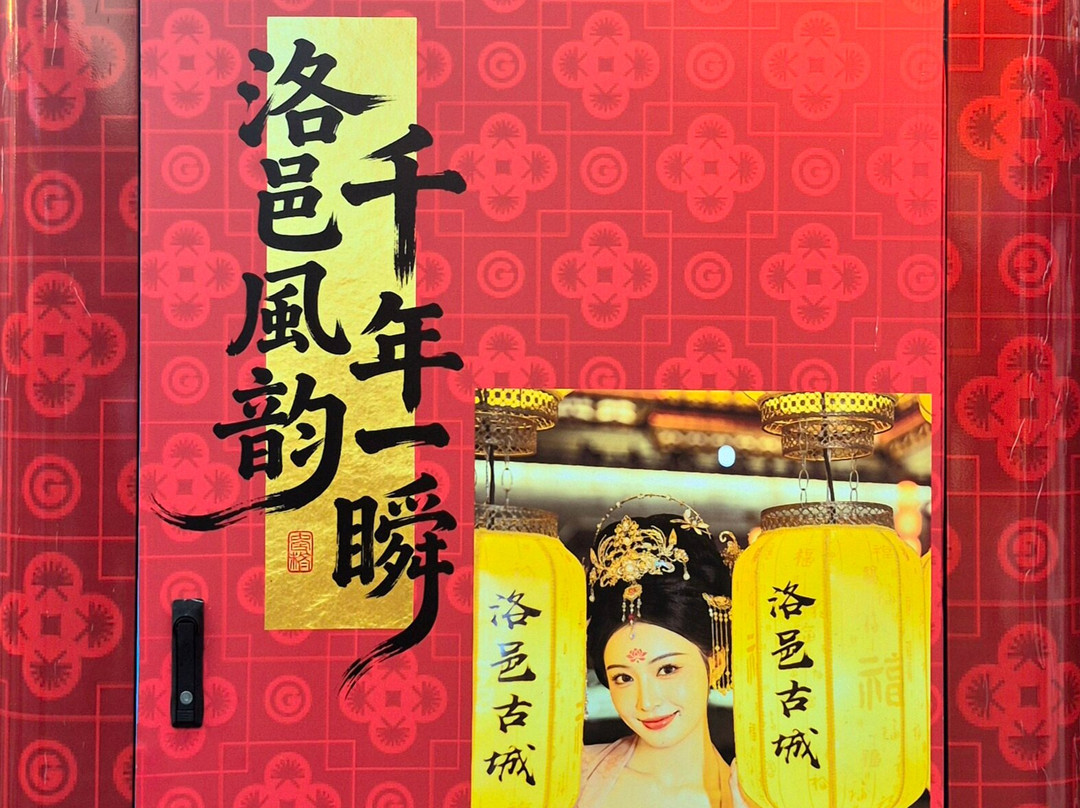
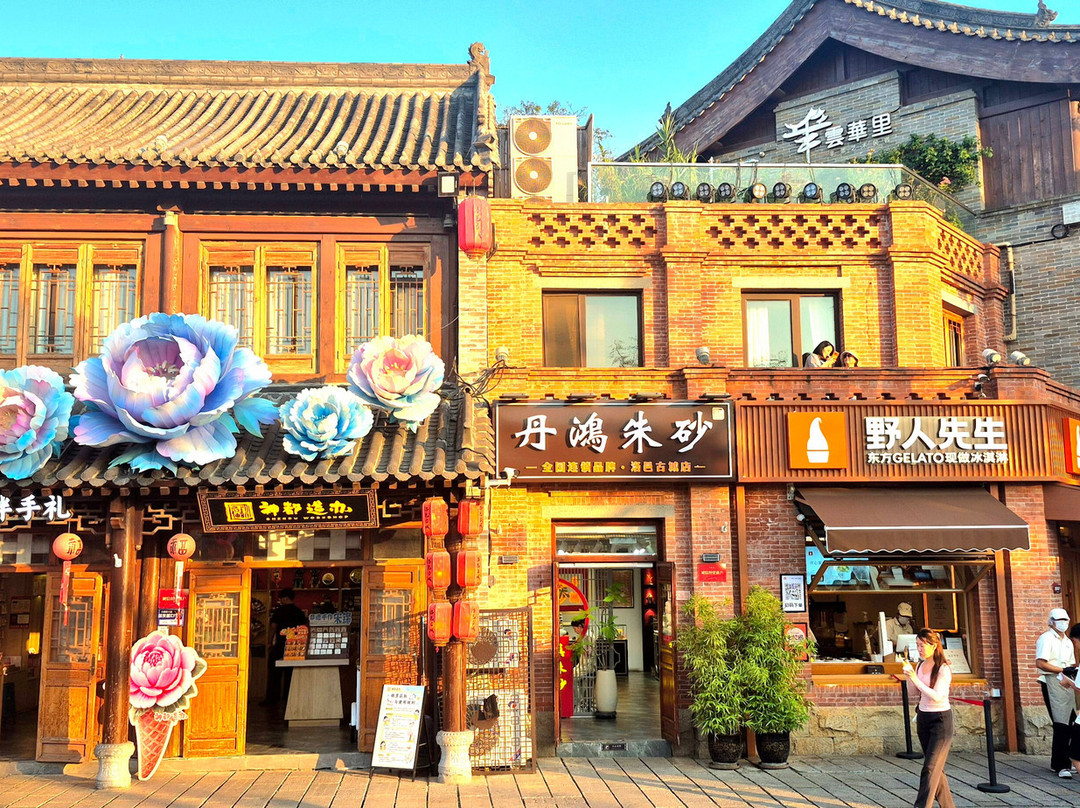
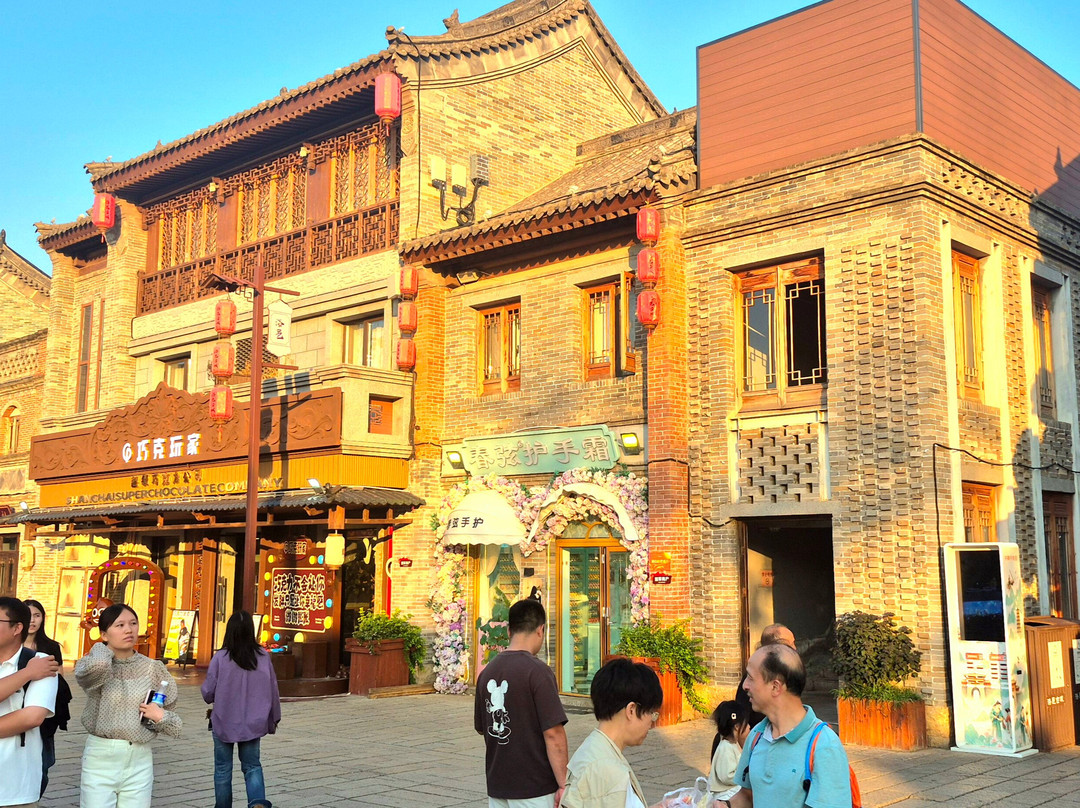
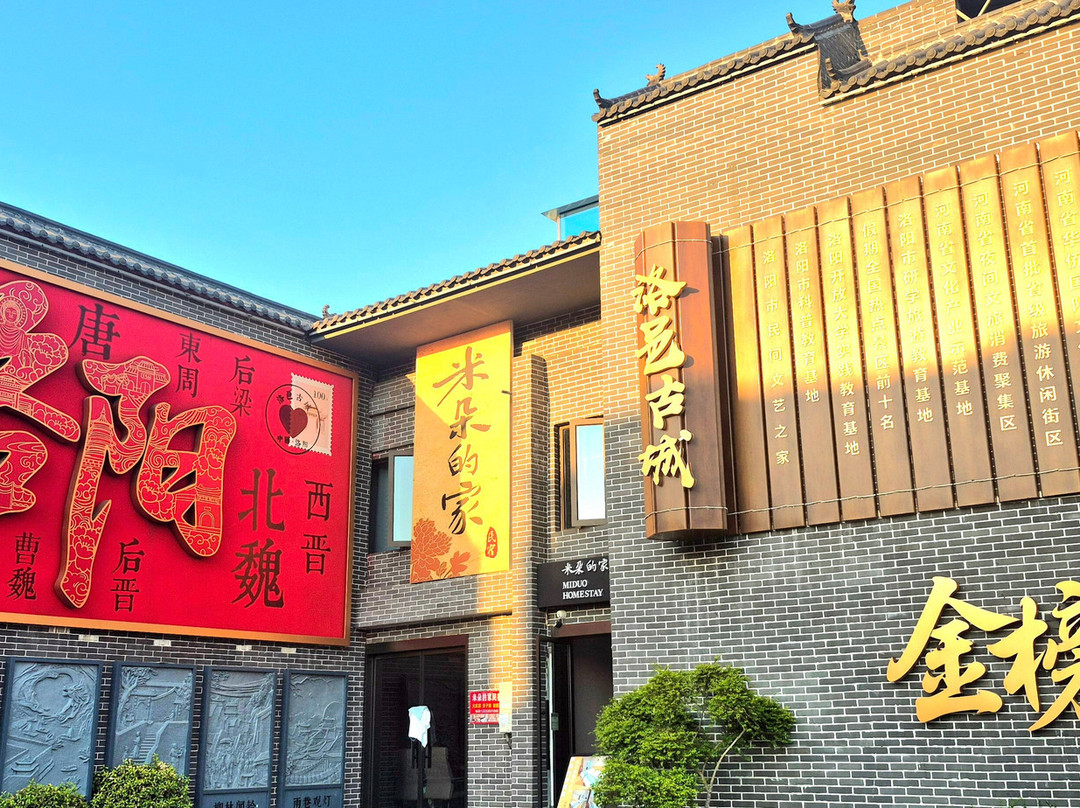
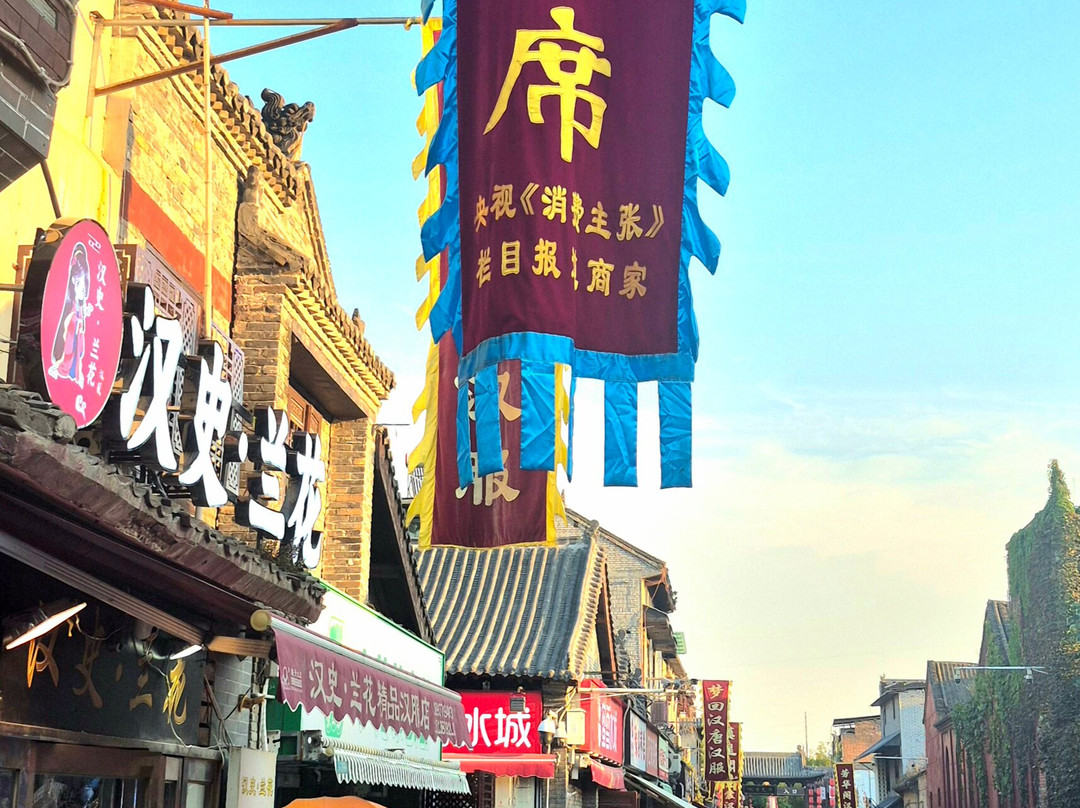
Luoyi Ancient City (洛邑古城) remains one of China’s most authentic living historic districts. Here, 3,000 years of dynastic history — from the Zhou to the Ming — can still be felt in its preserved city walls, pagodas, canals, and performances. It is not simply a relic of the past, but a vibrant cultural stage where history and daily life coexist.
翻译:从云台山出发后,我们乘上了前往洛阳的巴士。路程颇为漫长——路上花了四个多小时。我们下午2点半出发,直到接近晚上7点才抵达,这意味着我们在洛阳的第一天几乎都耗费在旅途上了。当晚,由于旅途劳累,我只匆匆游览了一下在夜色中灯火通明的应天门。
第二天,我们则专门游览了洛阳最为著名的两处景点:龙门石窟与白马寺。游览完寺庙后,我们乘坐58路巴士直达罗艺古城。此前在石窟与寺庙间徒步数小时,我们早已筋疲力尽。不过,这座古城以免门票的优惠以及丰富的文化体验来迎接我们。
晚餐是在民主街的一家地下美食广场解决的。当我们吃完时,夜幕已降临,罗艺古城也焕然一新。街道上灯笼闪烁,音乐声回荡在空中。现场气氛热烈无比。许多人聚集在湖边,观看“天女散花”——即那场“仙女撒花”的舞蹈表演;不过我们则选择没有久留。
洛邑古城至今仍是中国最具原汁原味的历史文化街区之一。在这里,从周朝到明朝,三千年的王朝历史仍能通过保存完好的城墙、佛塔、运河以及各种表演得以感受。它绝非仅仅是历史的遗迹而已。这里并非枯燥的博物馆,而是一个历史与日常生活和谐共存的充满活力的文化舞台。

© 2026 Tripadvisor 版权所有。
部分照片由 VFM Leonardo 提供。
TripAdvisor公司对外部网站的内容一概不负责。优惠价格中不含税和其他费用。
ICP证:沪B2-20200433
沪ICP备20013175号
 沪公网安备31010502005427号
鹰程信息技术(上海)有限公司