下载App
资质规则
旅行
账户

Noraatc
Textiles and Washingtoniana
纺织博物馆的点评
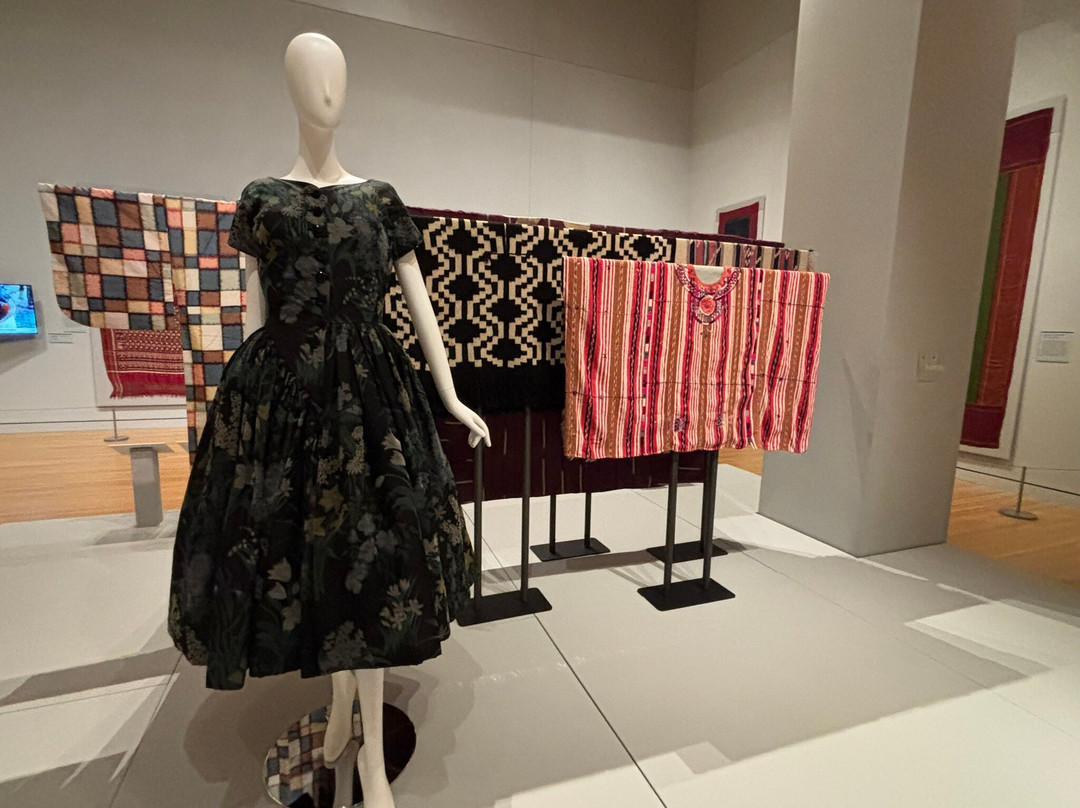
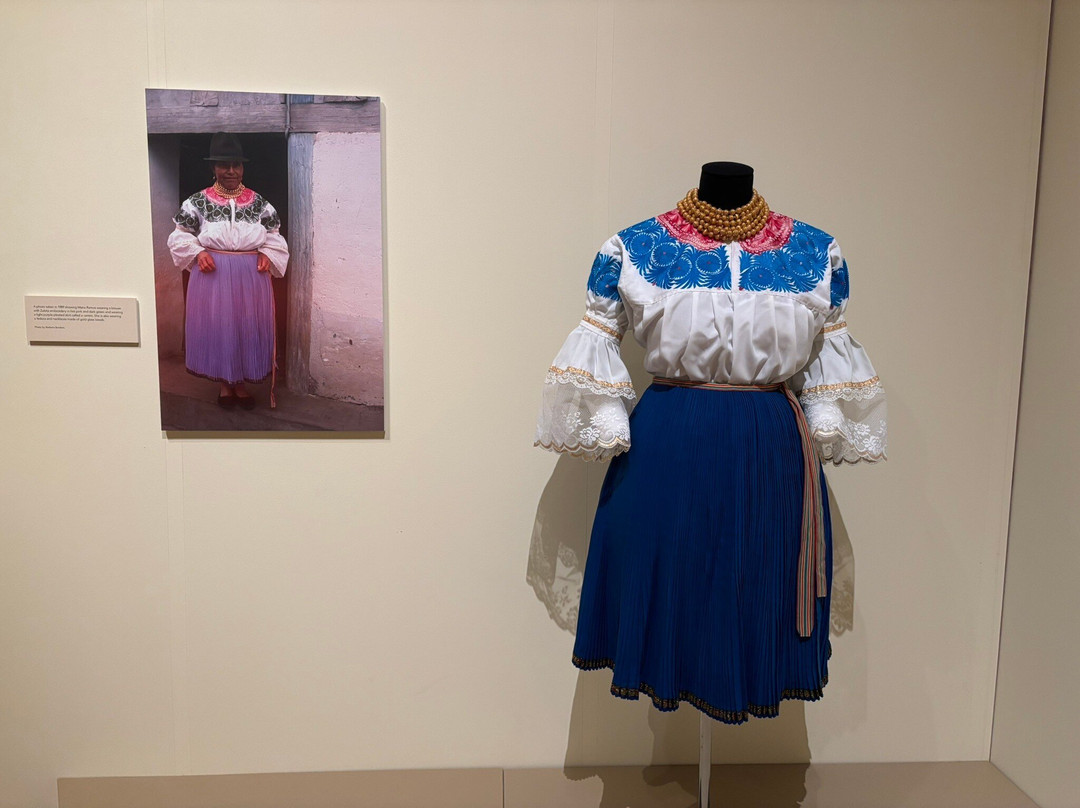
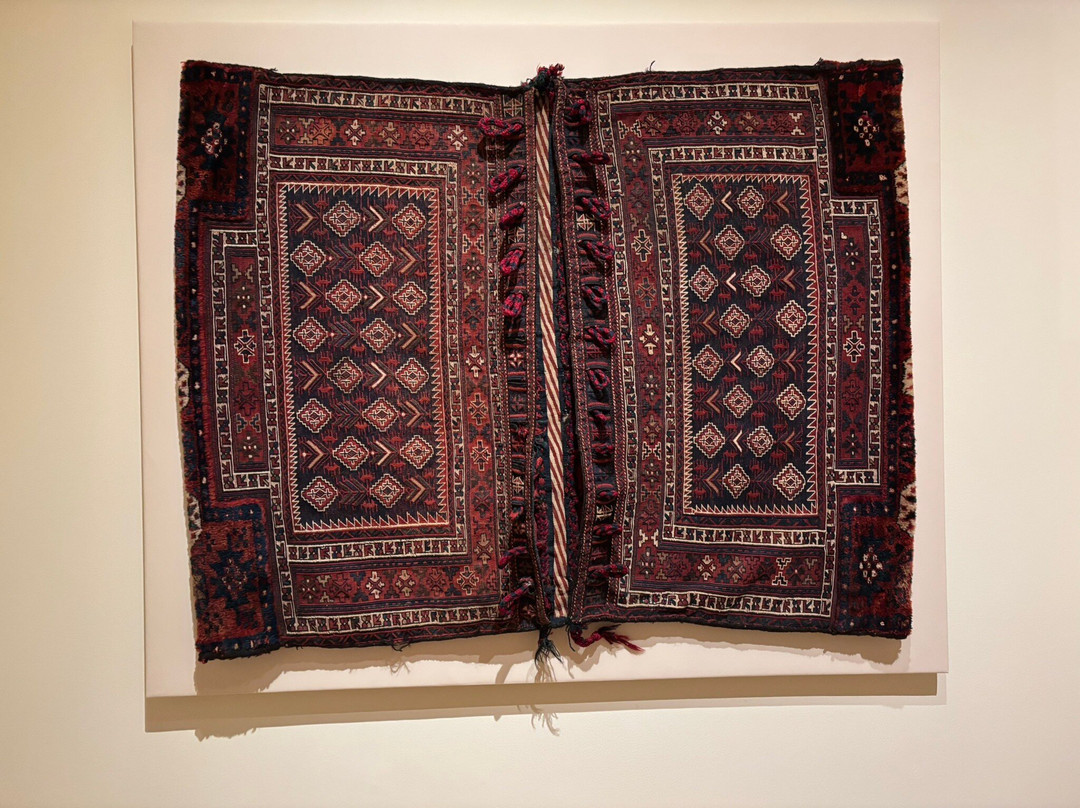
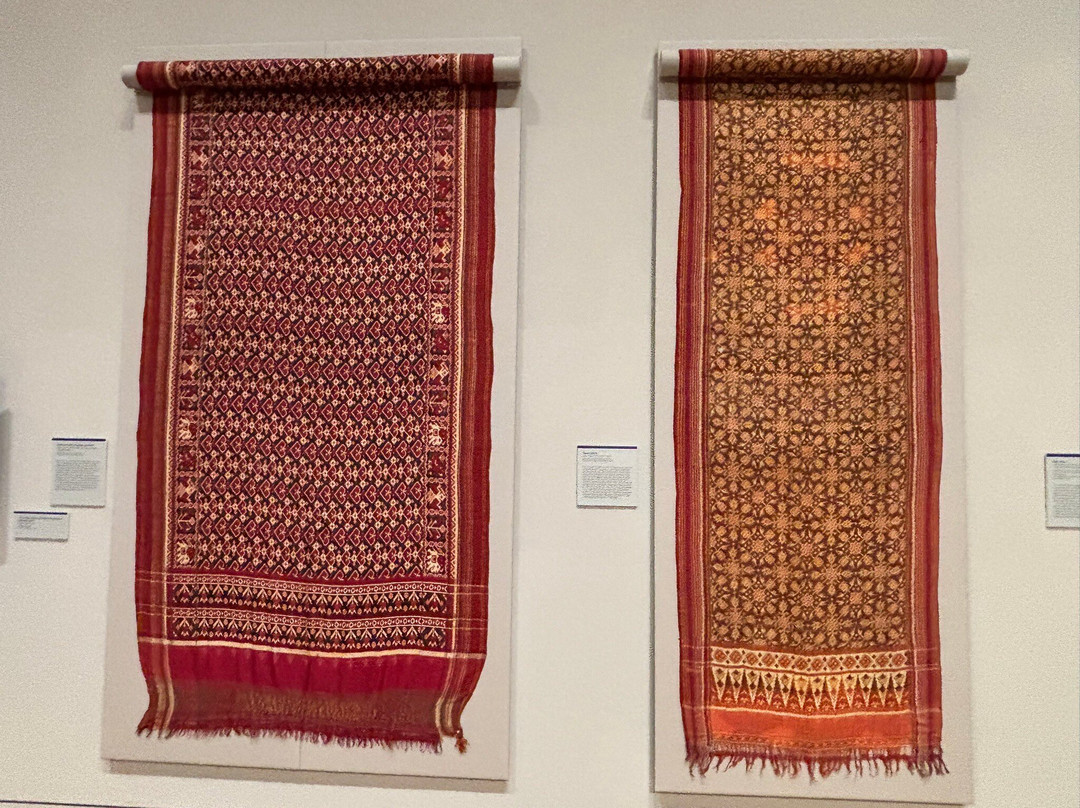
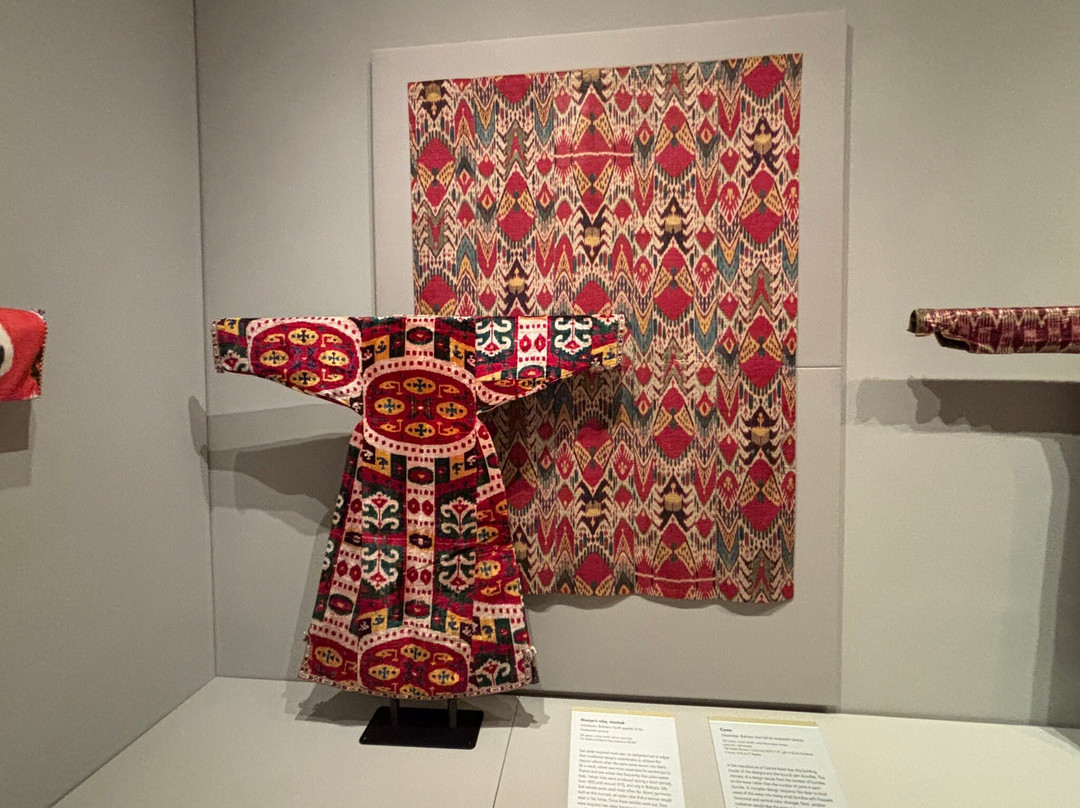
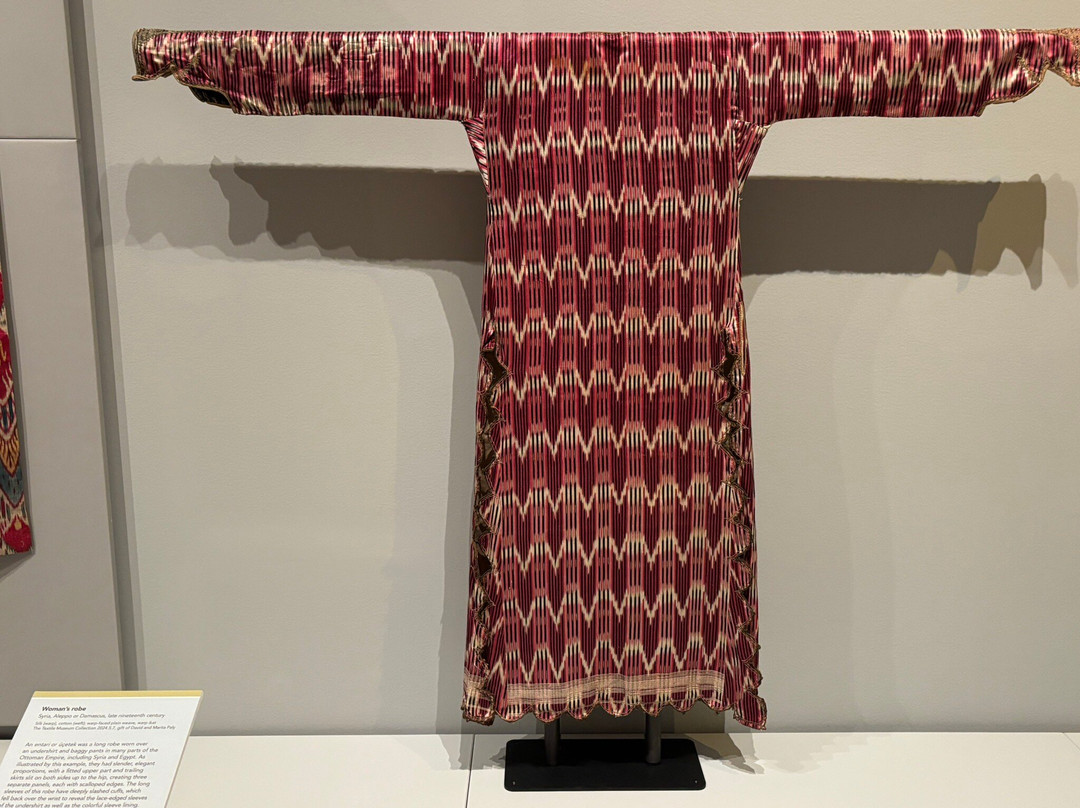
点评:I greatly enjoyed the “Irresistibles. The Global Patterns of Ikat” exhibit.
The craftsmanship from many corners of the world is phenomenal but I was particularly drawn to the Indian saris because of my three trips to India.
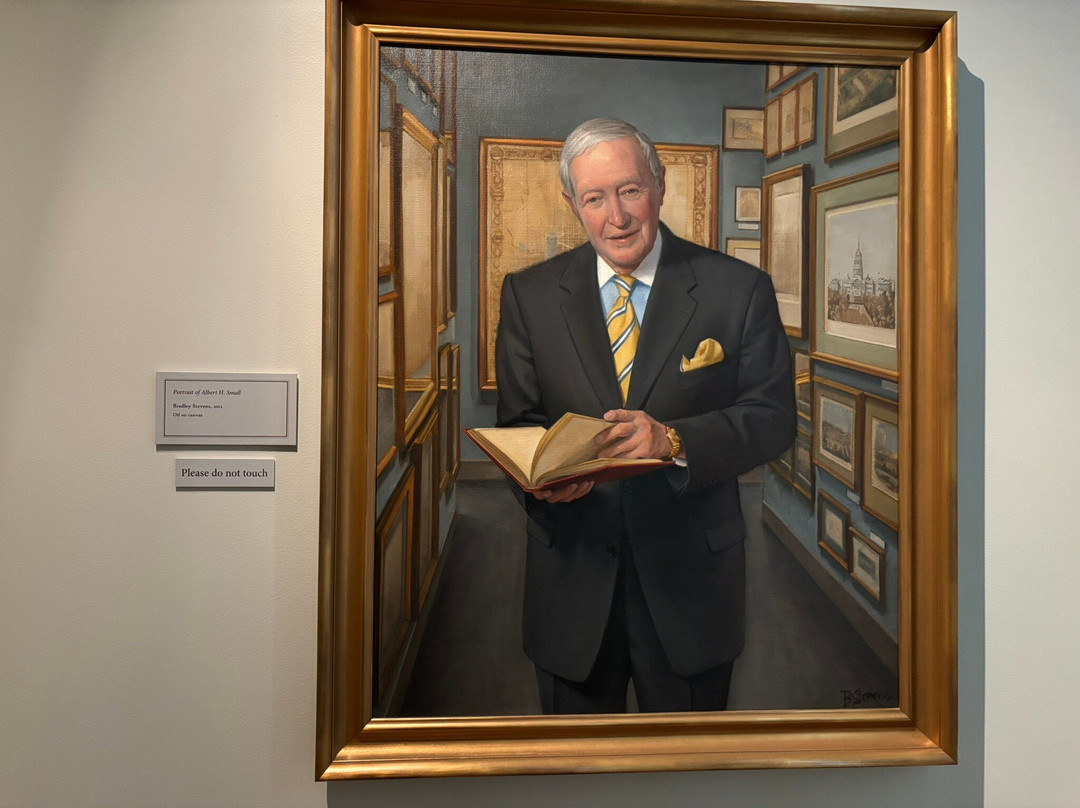
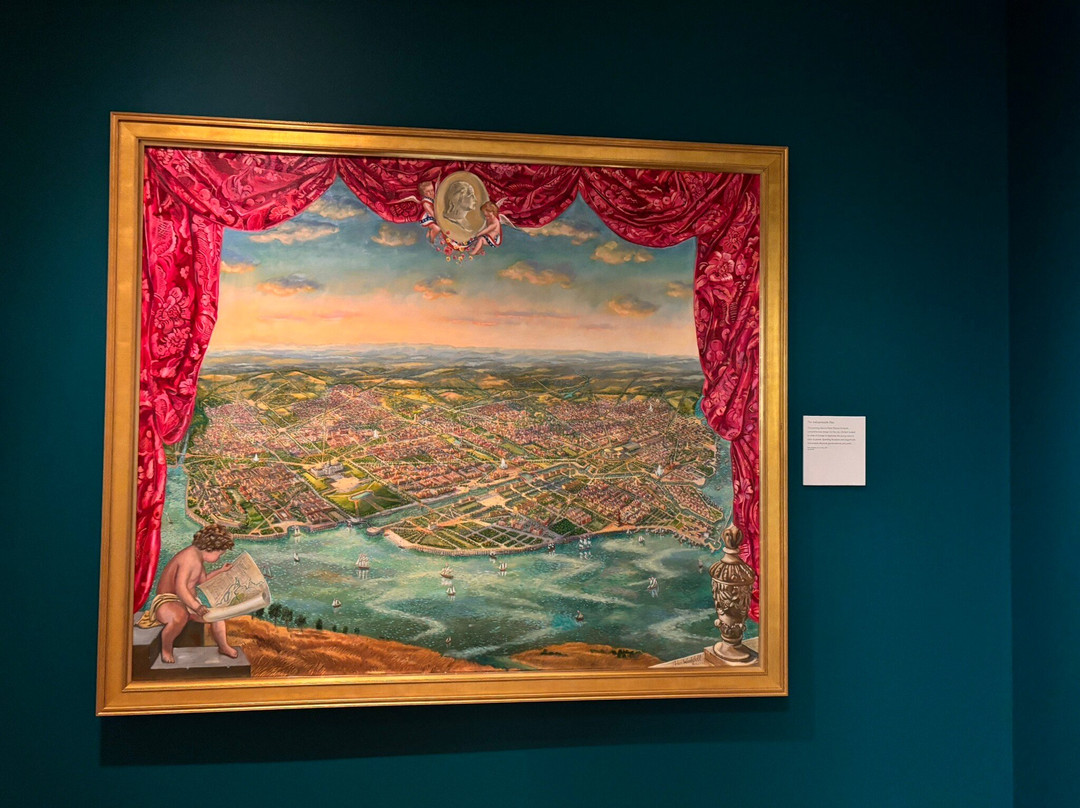
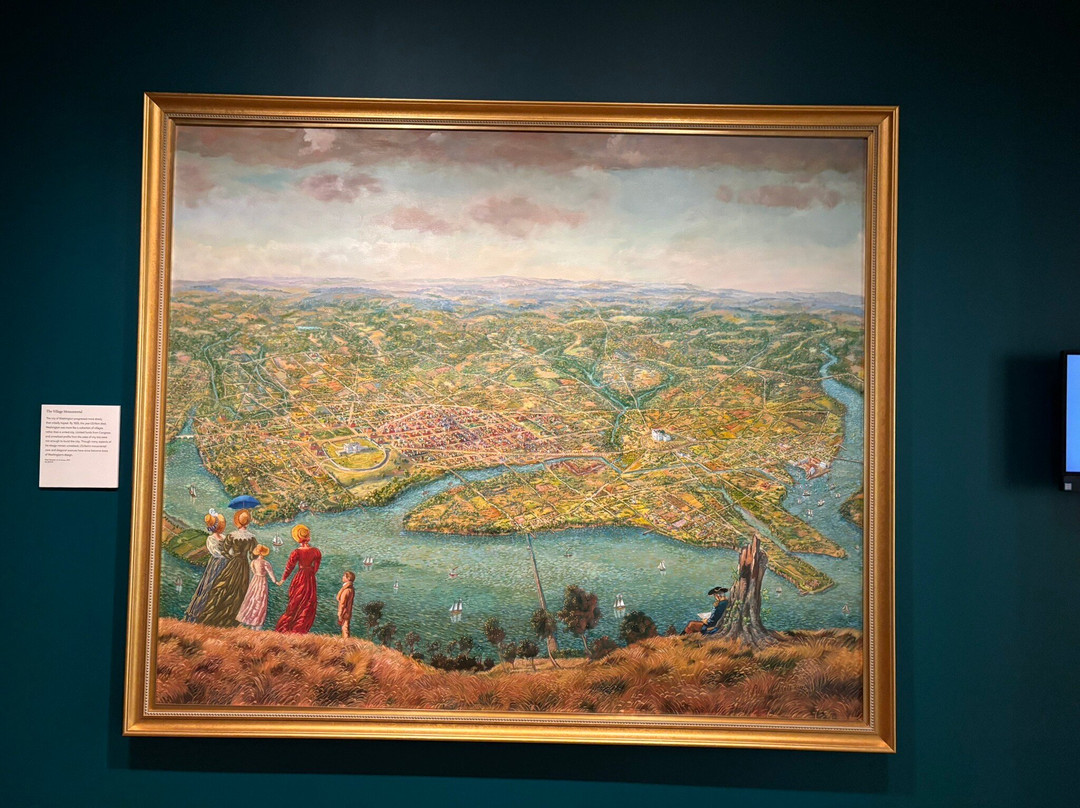
The second part of the museum is Albert H. Small’s “Washingtoniana” collection. Albert H. Small was a real estate developer and philanthropist who donated his collection to the George Washington University in 2011. A third generation Washingtonian, he decided to collect items related to the evolution of Washington, DC. His Washingtoniana Collection includes 2,000 prints, maps(the map of the city created in 1796, the 1838 view of the city), manuscripts, books, newspapers, photographs…
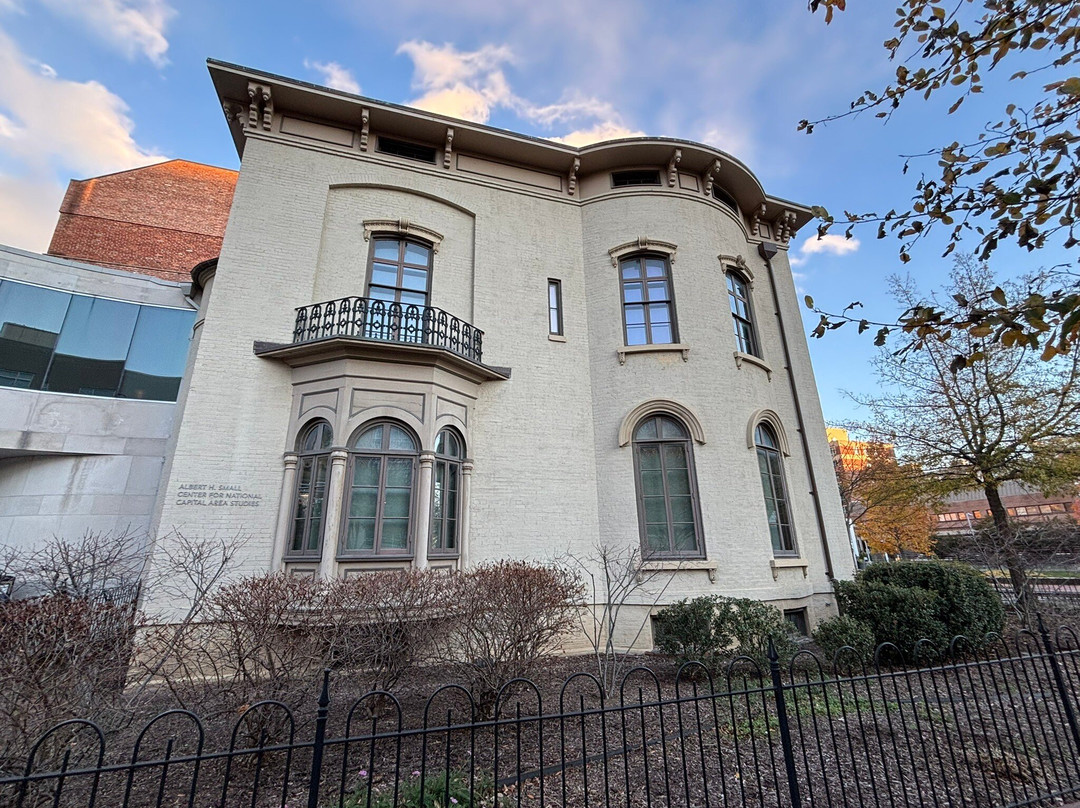
Another part of the “Washingtoniana” collection is the Woodhull House, which was restored thanks to the generous gift of Albert H.Small (five million dollars!).
The old home of the Textile Museum was the Myers Residence in the Kalorama district of the city. George Hewitt Myers had inherited the Bristol-Myers Company and started collecting textiles from all corners of the world. His collection was recently moved to the new building of the GWU Museum and his home is now a private residence.
The craftsmanship from many corners of the world is phenomenal but I was particularly drawn to the Indian saris because of my three trips to India.
The second part of the museum is Albert H. Small’s “Washingtoniana” collection. Albert H. Small was a real estate developer and philanthropist who donated his collection to the George Washington University in 2011. A third generation Washingtonian, he decided to collect items related to the evolution of Washington, DC. His Washingtoniana Collection includes 2,000 prints, maps(the map of the city created in 1796, the 1838 view of the city), manuscripts, books, newspapers, photographs…
Another part of the “Washingtoniana” collection is the Woodhull House, which was restored thanks to the generous gift of Albert H.Small (five million dollars!).
The old home of the Textile Museum was the Myers Residence in the Kalorama district of the city. George Hewitt Myers had inherited the Bristol-Myers Company and started collecting textiles from all corners of the world. His collection was recently moved to the new building of the GWU Museum and his home is now a private residence.
翻译:我非常喜欢“不可抗拒的魅力。伊卡特的全球图案”展览。
来自世界各地的工艺令人惊叹,但我对印度纱丽尤其着迷,因为我曾三次前往印度。
博物馆的第二部分是阿尔伯特·H·斯莫尔的“华盛顿”系列。阿尔伯特·H·斯莫尔是一位房地产开发商和慈善家,他于 2011 年将自己的藏品捐赠给了乔治华盛顿大学。作为第三代华盛顿人,他决定收集与华盛顿特区的发展有关的物品。他的华盛顿藏品包括 2,000 幅版画、地图(1796 年绘制的城市地图、1838 年的城市景观)、手稿、书籍、报纸、照片……
“华盛顿”系列的另一部分是伍德哈尔故居,该故居在阿尔伯特·H·斯莫尔的慷慨捐赠(五百万美元!)的帮助下得以修复。
纺织博物馆的旧址是位于该市卡洛拉马区的迈尔斯住宅。乔治·休伊特·迈尔斯继承了百时美施贵宝公司,开始收集来自世界各地的纺织品。他的藏品最近被转移到乔治华盛顿大学博物馆的新大楼,他的住宅现在是一处私人住宅。
来自世界各地的工艺令人惊叹,但我对印度纱丽尤其着迷,因为我曾三次前往印度。
博物馆的第二部分是阿尔伯特·H·斯莫尔的“华盛顿”系列。阿尔伯特·H·斯莫尔是一位房地产开发商和慈善家,他于 2011 年将自己的藏品捐赠给了乔治华盛顿大学。作为第三代华盛顿人,他决定收集与华盛顿特区的发展有关的物品。他的华盛顿藏品包括 2,000 幅版画、地图(1796 年绘制的城市地图、1838 年的城市景观)、手稿、书籍、报纸、照片……
“华盛顿”系列的另一部分是伍德哈尔故居,该故居在阿尔伯特·H·斯莫尔的慷慨捐赠(五百万美元!)的帮助下得以修复。
纺织博物馆的旧址是位于该市卡洛拉马区的迈尔斯住宅。乔治·休伊特·迈尔斯继承了百时美施贵宝公司,开始收集来自世界各地的纺织品。他的藏品最近被转移到乔治华盛顿大学博物馆的新大楼,他的住宅现在是一处私人住宅。

© 2026 Tripadvisor 版权所有。
部分照片由 VFM Leonardo 提供。
TripAdvisor公司对外部网站的内容一概不负责。优惠价格中不含税和其他费用。
ICP证:沪B2-20200433
沪ICP备20013175号
 沪公网安备31010502005427号
鹰程信息技术(上海)有限公司