下载App
资质规则
旅行
账户

selvakumar2015
CLEAN , well maintained Yogyakarta Railway Station - Smiling Staff - Punctual Trains. Uneven/undulating platforms.
Yogyakarta Station的点评
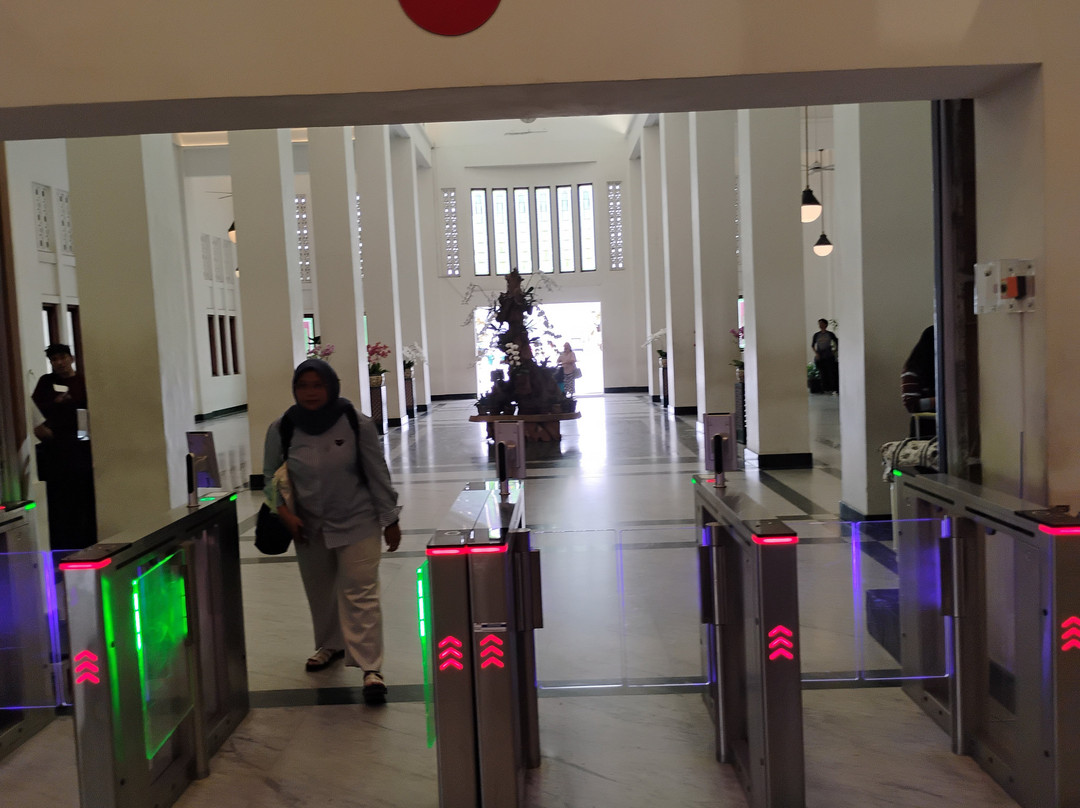
点评:The first thing one notices when entering Yogyakarta Railway Station (YK) is how clean the station premises are.
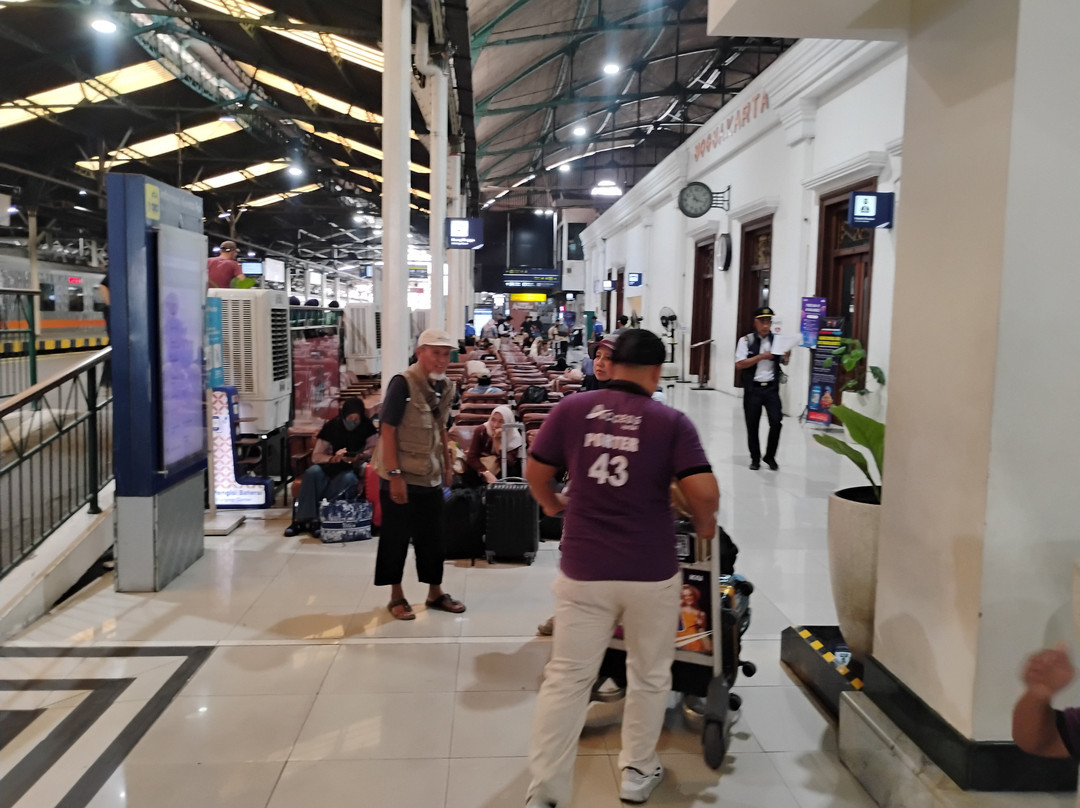
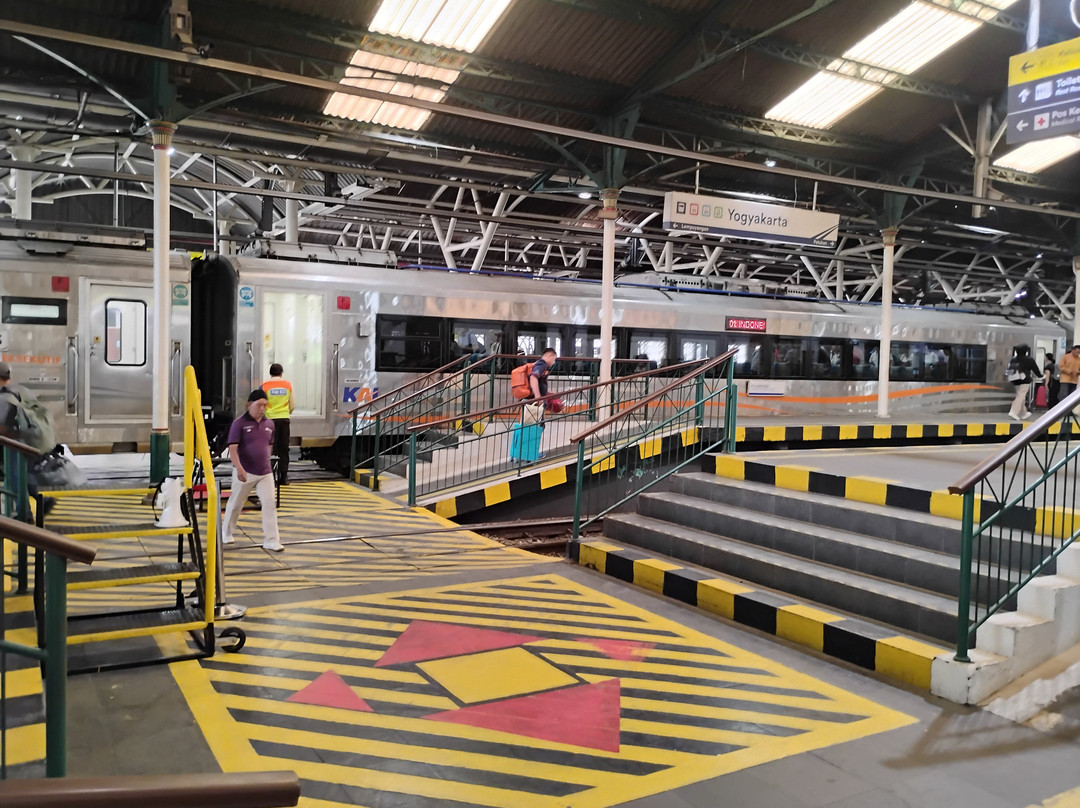
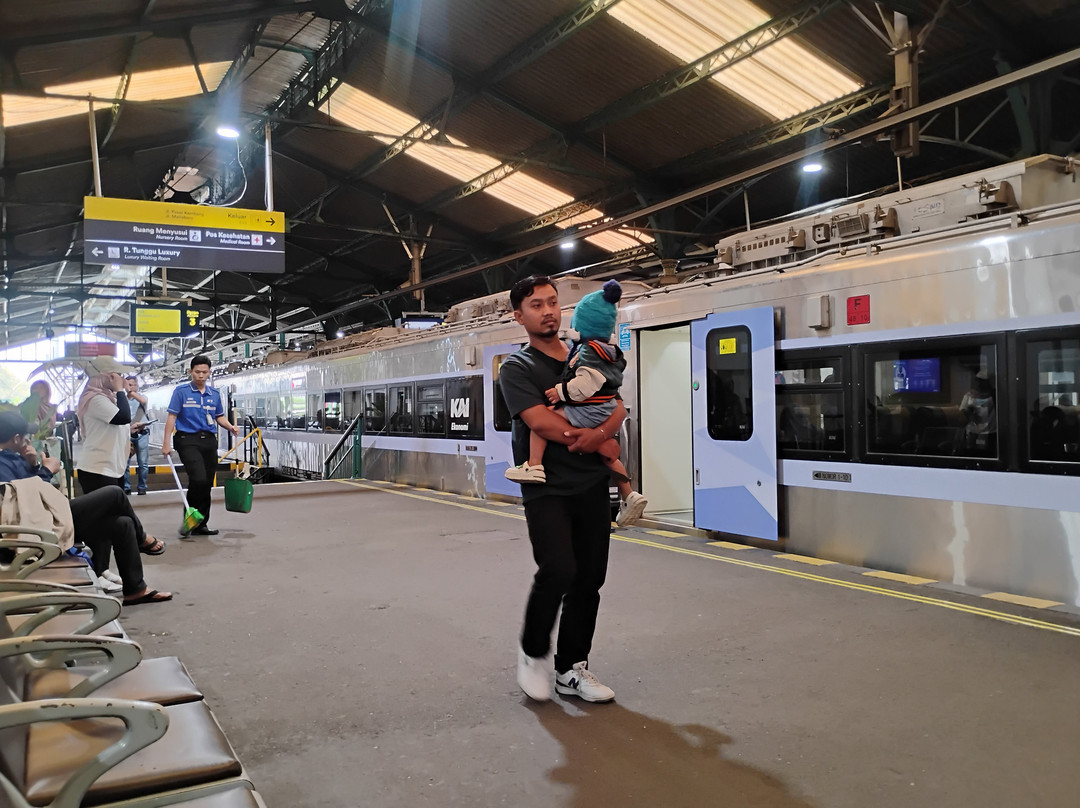
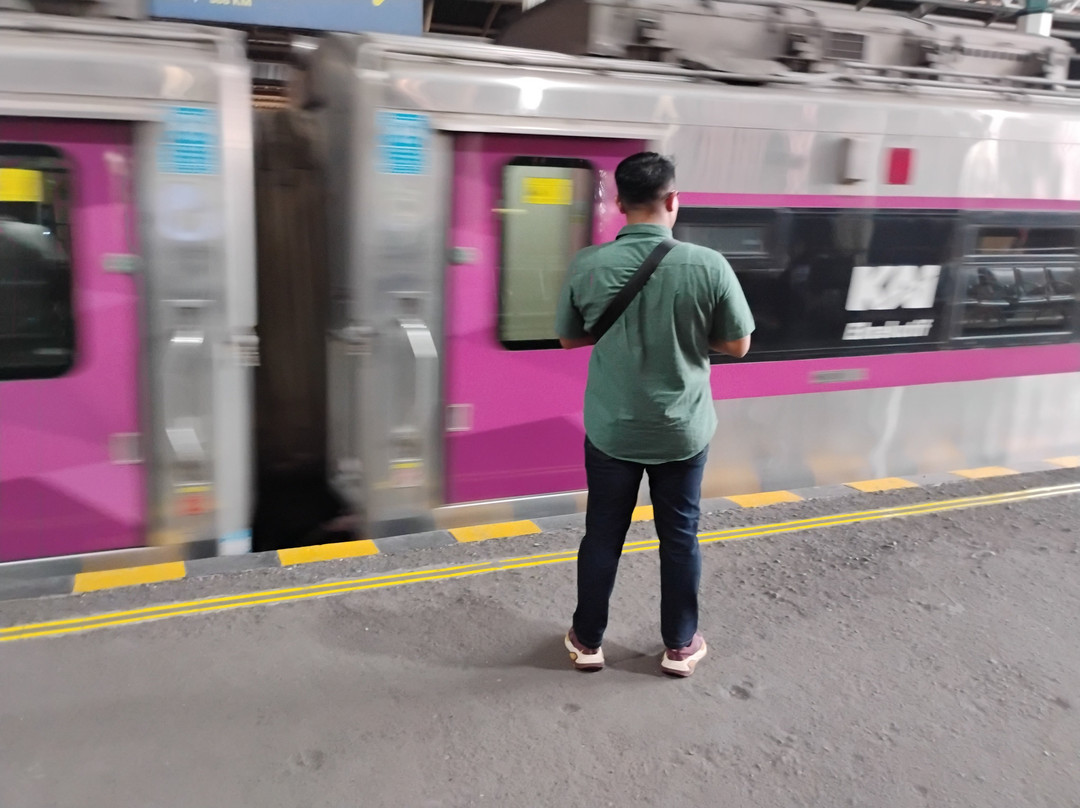
The platforms are CLEAN, the station staff are smiling and friendly and the railway tracks are clean.
To understand what I mean by clean railway tracks, you have to visit any railway station in India to realize how dirty a railway station and the railway tracks can be.
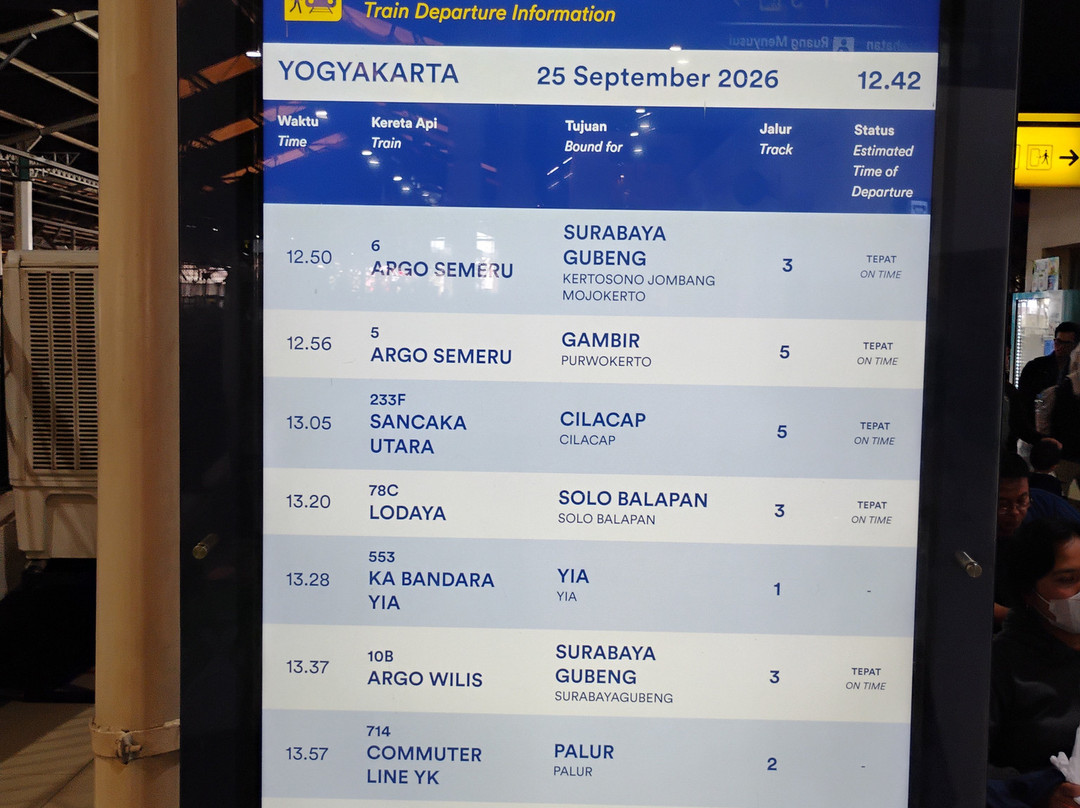
The moment I entered the turnstile, the smiling railway staff at the gates issued me TWO train tickets - One from YK to SUB in Argo Semeru 6 Train
and the other from SUB to GMR by Argo Semeru Train 5 scheduled a few days later.
The station is filled with travelers waiting patiently in the open waiting area. Even kids were muted.
For some strange reason, the platforms have benches but no fans for ventilations resulting in uncomfortable and hot wait for the train.
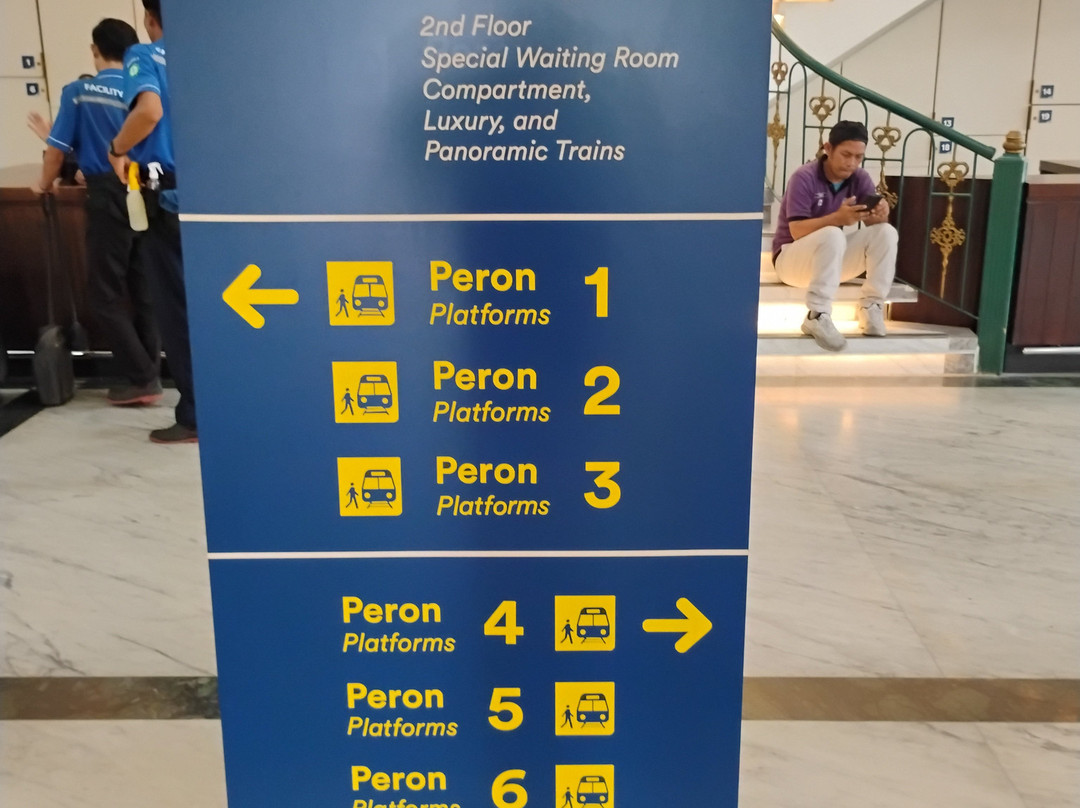
The platforms are not flat in the sense that the passengers have to walk to the next platform by crossing the manned track crossings. For those used to mile long flat platforms, well, mind your steps.
No overhead transfer decks.
For those with time to spare the station is lined up with many eateries, souvenir shops and Batik fabric dress shops ( See picture).
The boarding calls were mostly in Indonesian with 2x speed announcements in undecipherable English.
While the road traffic in Indonesia moves on the left side of the road, the trains are moving on the right side of the tracks which can be quite different and bit of a shocker.
Perhaps the legacy of the former Dutch colonial era.
The tracks are also quite narrow - 3 1/2 foot - called cape gauge.
India phased out its meter gauge trains decades ago due to visionary leadership of our former Prime Minister.
It is suggested that announcements can be made more frequently and more slowly in English.
It is also suggested that a 'May I Help You ? F1 ' help kiosk / desk could be provided on all platforms.
It is also suggested that visual display of arrangement/sequence of different classes of coaches could also be displayed for quicker boarding of the compartments.
The toilets at the railway station could be cleaner.
Indonesian train are punctual.
Those who are used to Indian train travel, be prepared to reach the railway station well in advance. The trains leave on time and reach their destination on time.
Be at the railway station well in advance.
Be prepared to sprint to your compartment as the train halts are in seconds, not minutes.
翻译:走进日惹火车站(YK)时,人们首先注意到的就是车站内有多么干净。
站台很干净,工作人员面带微笑且亲切友善,铁轨也干干净净。
要理解我所说的“干净的铁轨”是什么意思,你就得去印度的任意一座火车站看看,那样才会明白那里的火车站和铁轨能有多脏。
我一通过旋转门……车站入口处面带微笑的铁路工作人员给了我两张火车票——一张是乘坐6号阿戈·塞梅鲁号列车从YK前往SUB的车票;另一张则是几天后乘坐5号阿戈·塞梅鲁号列车从SUB前往GMR的车票。
站台上挤满了旅客,大家都在露天的候车区耐心等候。就连孩子们也都安静无声。
不知为何,站台上虽然设有长椅,却没有通风风扇,导致等待列车的过程中环境闷热难耐。这些站台并非平坦无障:乘客必须穿过有人值守的平交道口才能前往下一个站台。对于那些习惯于行走在绵延数英里的平坦站台上的人来说,可要小心脚步哦。
这里没有高架换乘通道。
对于时间充裕的旅客来说,车站周边有许多餐馆、纪念品店以及巴迪克布料服装店(见图片)。
广播提示大多使用印尼语;仅有两次以英语播报的提醒,但内容难以理解。虽然印度尼西亚的公路交通靠左侧行驶,但火车却在铁轨的右侧运行,这种差异相当明显,甚至会让人有些错愕。这或许是前荷兰殖民时期遗留下来的习惯吧。
这些铁轨也相当狭窄——宽度仅为3.5英尺,这种规格被称为“开普轨距”。
由于我国前总理富有远见的决策,印度早在几十年前便逐步淘汰了米轨列车。建议以更频繁且更缓慢的语速用英语发布公告。
还建议在所有站台上设立“需要帮助吗?按F1”服务台/咨询处。
另外,建议以视觉展示的方式呈现各类车厢的排列顺序,以便乘客更快速地找到对应的车厢。
火车站的厕所可以打扫得更干净一些。
印度尼西亚的火车很准时。
对于习惯乘坐印度火车的人来说……务必提前到达火车站。列车准时发车,也能准时抵达目的地。
请提前到达火车站。
列车停靠的时间只有几秒而非几分钟,所以要做好迅速冲向车厢的准备。


© 2026 Tripadvisor 版权所有。
部分照片由 VFM Leonardo 提供。
TripAdvisor公司对外部网站的内容一概不负责。优惠价格中不含税和其他费用。
ICP证:沪B2-20200433
沪ICP备20013175号
 沪公网安备31010502005427号
鹰程信息技术(上海)有限公司