下载App
资质规则
旅行
账户

Henna K
Innocent birds serving life sentences
Heinolan Lintutarha的点评
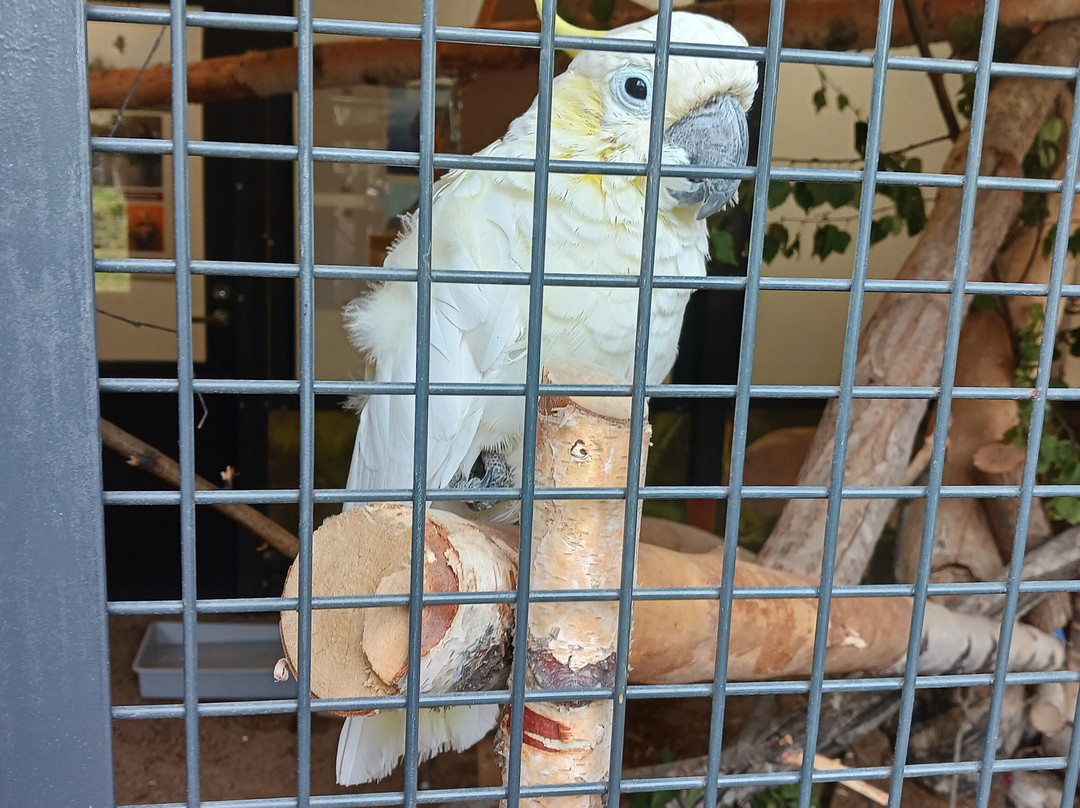
点评:It was disheartening to see how some of the birds—especially the parrots—are forced to live out their lives as life prisoners. Innocent creatures. They have hardly any opportunity to fly. They live without a loft, despite being highly social beings.
It was particularly infuriating that the parrot cages contained no living vegetation at all—only dead, skeletal tree branches. The vegetation in the other birds' cages wasn't much to speak of, either.
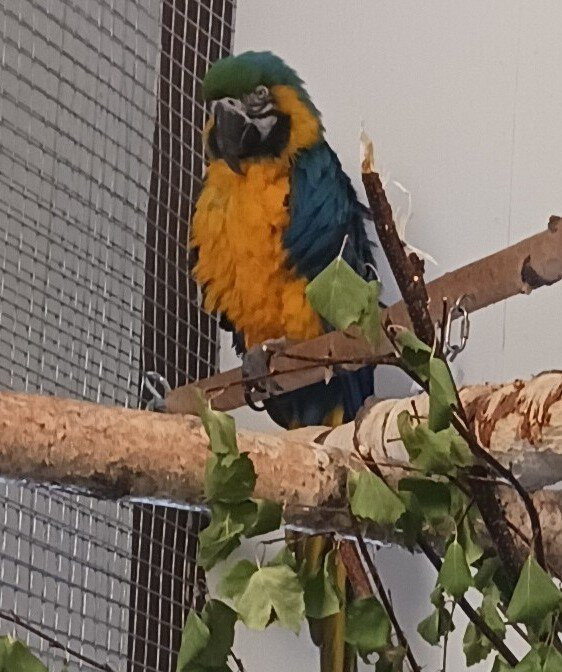
For instance, modern science compares the intelligence of macaws to that of small children. How can anyone justify keeping such intelligent creatures in conditions like these? The macaw in the photo sat motionless in a corner the entire time—apathetic and with its feathers fluffed up—even though we observed the parrot section for a long while. Both apathy and unkempt plumage are signs of mental health issues in birds.
A bird sanctuary should focus solely on birds that can be returned to the wild and find a more humane solution for the others. The keeping of tropical pet birds should be banned, as it is virtually impossible to provide them with adequate opportunities to fly.
It was particularly infuriating that the parrot cages contained no living vegetation at all—only dead, skeletal tree branches. The vegetation in the other birds' cages wasn't much to speak of, either.
For instance, modern science compares the intelligence of macaws to that of small children. How can anyone justify keeping such intelligent creatures in conditions like these? The macaw in the photo sat motionless in a corner the entire time—apathetic and with its feathers fluffed up—even though we observed the parrot section for a long while. Both apathy and unkempt plumage are signs of mental health issues in birds.
A bird sanctuary should focus solely on birds that can be returned to the wild and find a more humane solution for the others. The keeping of tropical pet birds should be banned, as it is virtually impossible to provide them with adequate opportunities to fly.
翻译:看到一些鸟类——尤其是鹦鹉——被迫终生囚禁于此,令人痛心。它们是无辜的生命,却几乎没有飞翔的机会。尽管它们是高度群居的动物,却连个栖身之所都没有。
尤其令人愤怒的是,鹦鹉笼子里竟然没有任何活的植物,只有枯死的树枝。其他鸟类的笼子里也几乎没什么植物可言。
例如,现代科学将金刚鹦鹉的智力与幼儿相提并论。怎么能有人为将如此聪明的生物囚禁在这样的环境中辩护呢?照片中的那只金刚鹦鹉一直静静地待在角落里,羽毛蓬松,神情冷漠——尽管我们长时间观察了鹦鹉区。冷漠和羽毛凌乱都是鸟类心理健康问题的征兆。
鸟类保护区应该只关注那些可以放归野外的鸟类,并为其他鸟类寻找更人道的解决方案。应该禁止饲养热带宠物鸟,因为几乎不可能为它们提供足够的飞行机会。
尤其令人愤怒的是,鹦鹉笼子里竟然没有任何活的植物,只有枯死的树枝。其他鸟类的笼子里也几乎没什么植物可言。
例如,现代科学将金刚鹦鹉的智力与幼儿相提并论。怎么能有人为将如此聪明的生物囚禁在这样的环境中辩护呢?照片中的那只金刚鹦鹉一直静静地待在角落里,羽毛蓬松,神情冷漠——尽管我们长时间观察了鹦鹉区。冷漠和羽毛凌乱都是鸟类心理健康问题的征兆。
鸟类保护区应该只关注那些可以放归野外的鸟类,并为其他鸟类寻找更人道的解决方案。应该禁止饲养热带宠物鸟,因为几乎不可能为它们提供足够的飞行机会。

© 2026 Tripadvisor 版权所有。
部分照片由 VFM Leonardo 提供。
TripAdvisor公司对外部网站的内容一概不负责。优惠价格中不含税和其他费用。
ICP证:沪B2-20200433
沪ICP备20013175号
 沪公网安备31010502005427号
鹰程信息技术(上海)有限公司