下载App
资质规则
旅行
账户

TravelingMerm
6
Fantastic birding spot!
Cottonwood Spring的点评
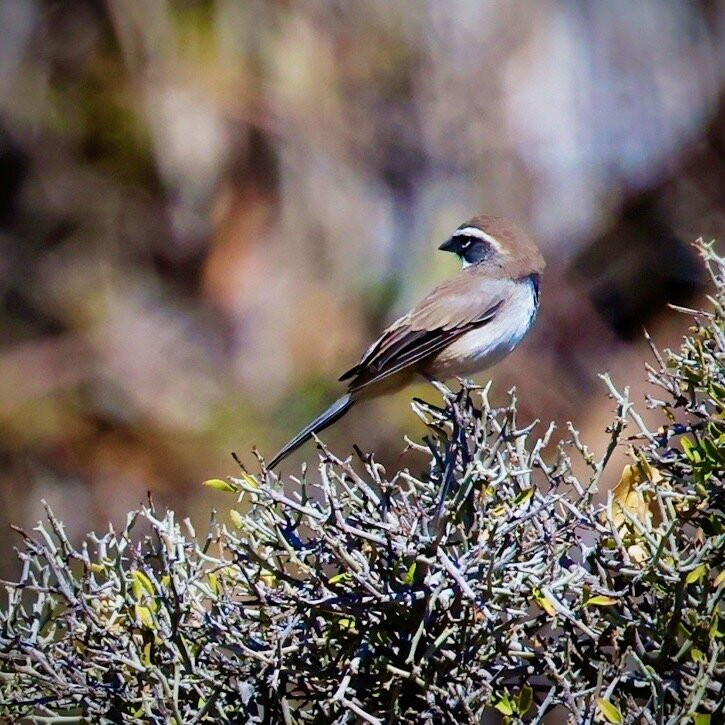
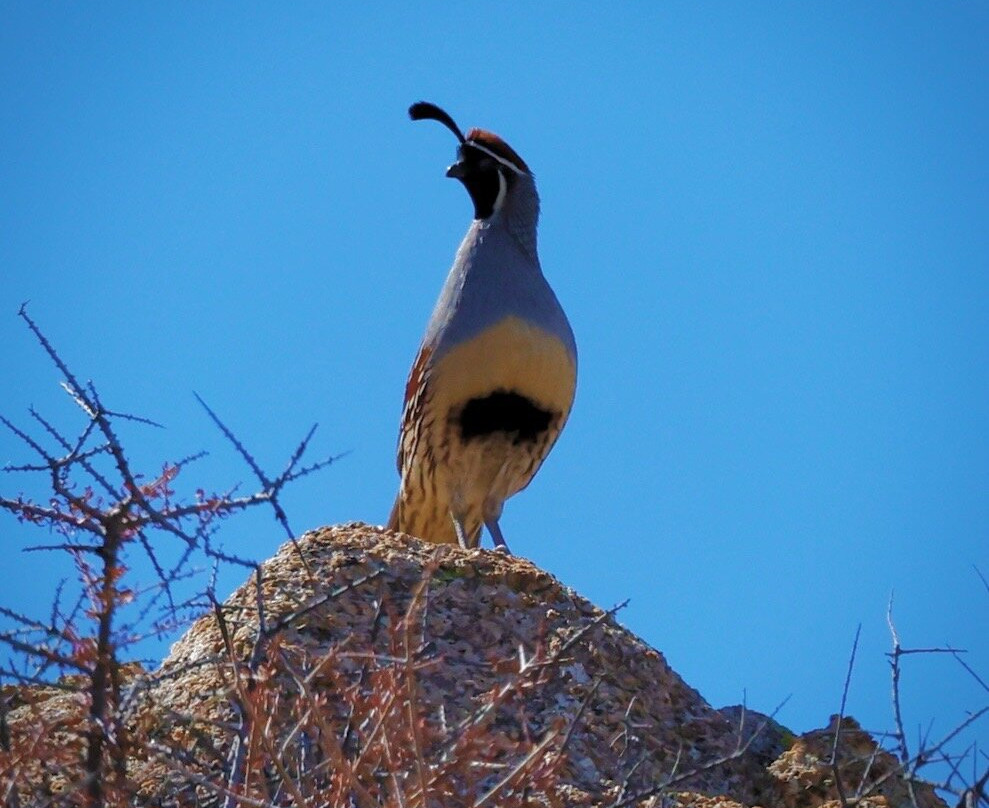
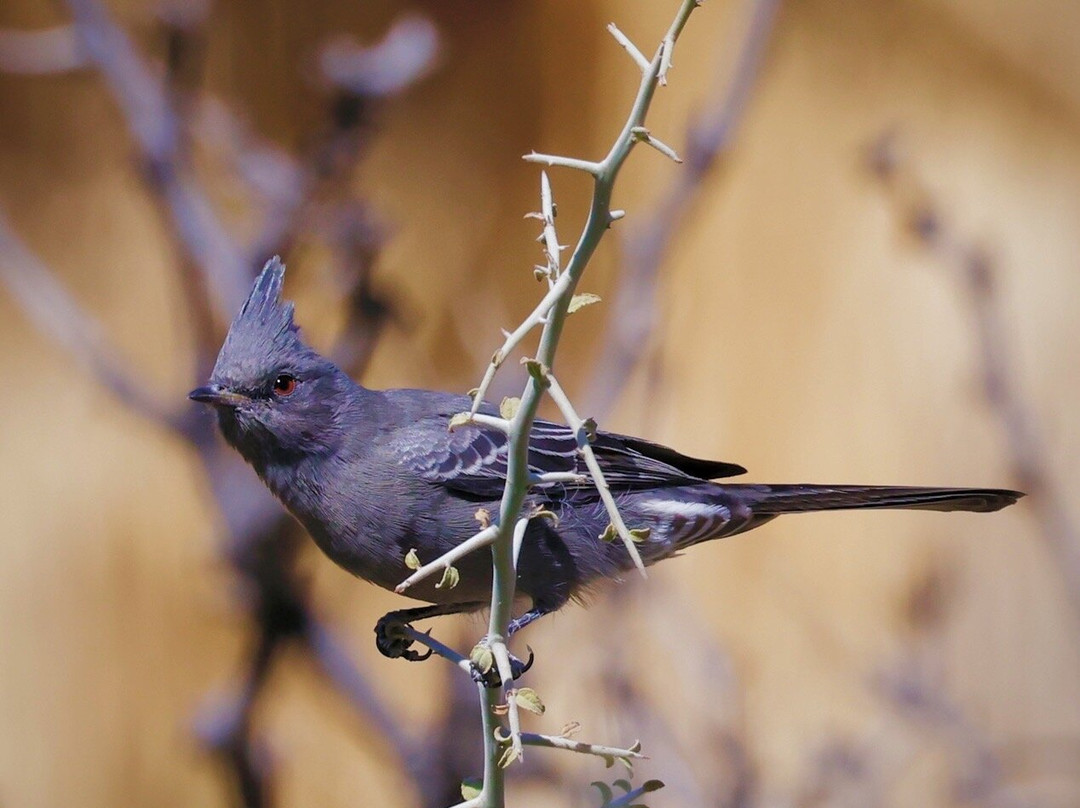
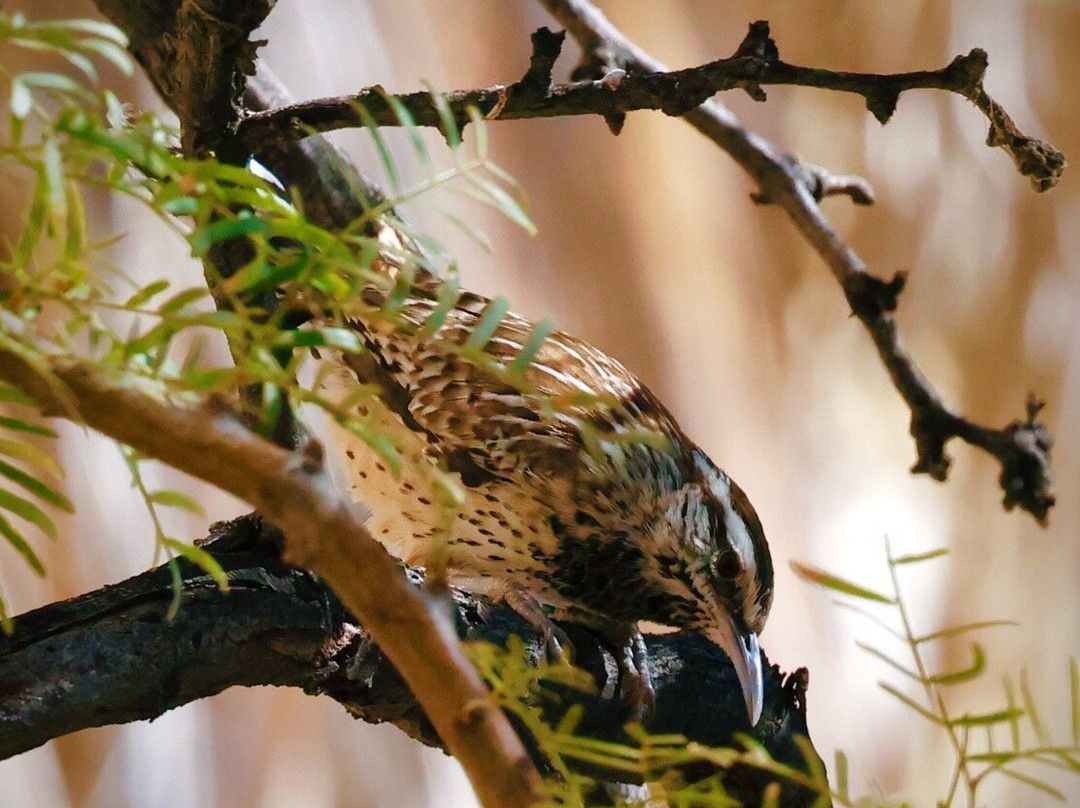
点评:One of the best spots in Joshua Tree National Park for wildlife - especially birds! I’ve never seen so many quails on a trail in all my years birding - it was wonderful! And I saw a gorgeous Black-throated Sparrow for the first time here too! The short, flat, sandy trail is easily accessible but there are several other trailheads in this spot if you want to extend your explorations.
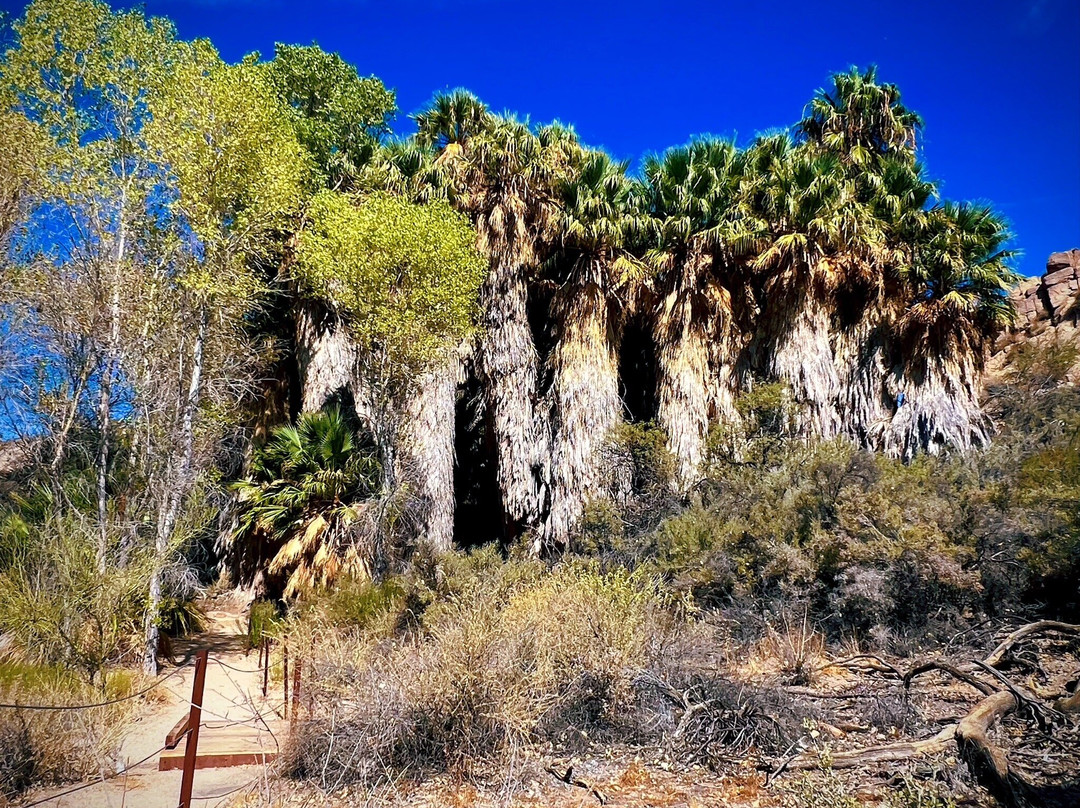
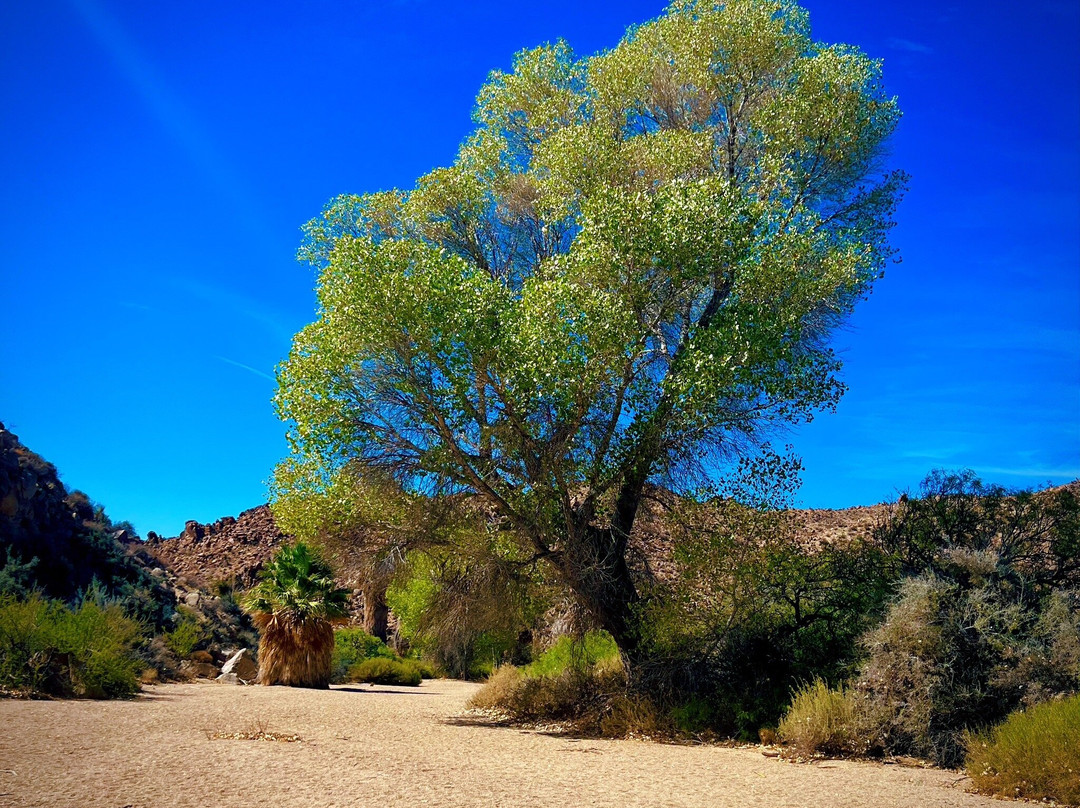
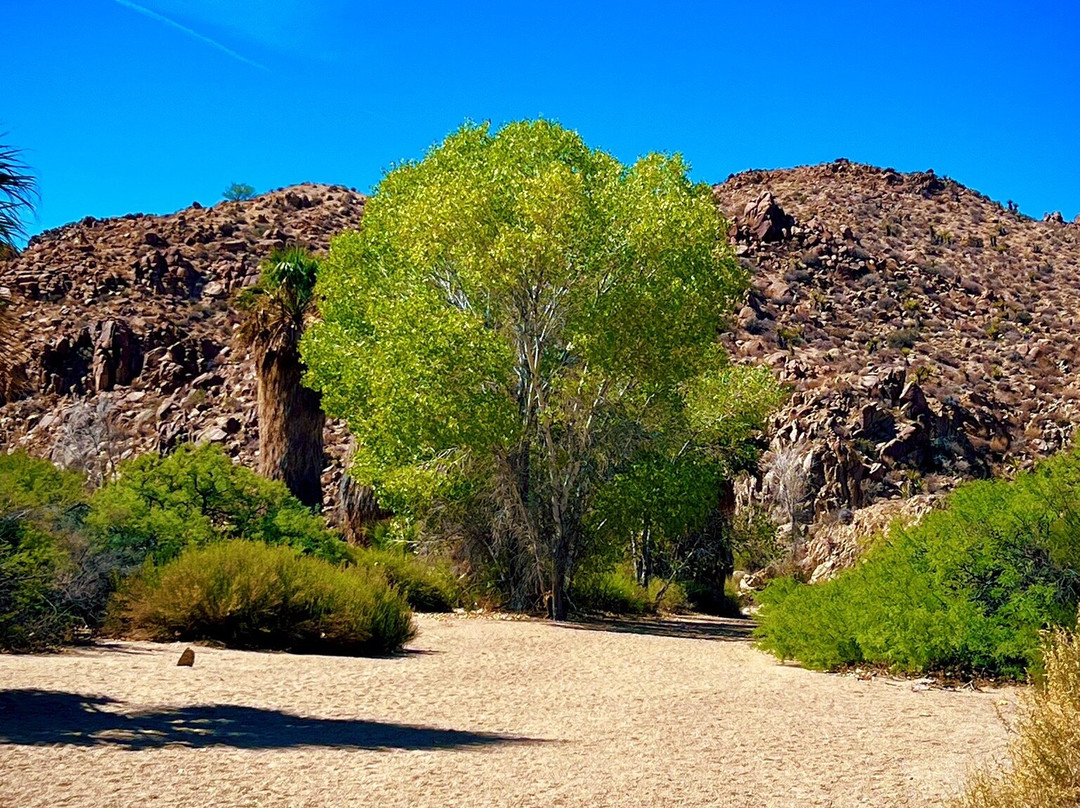
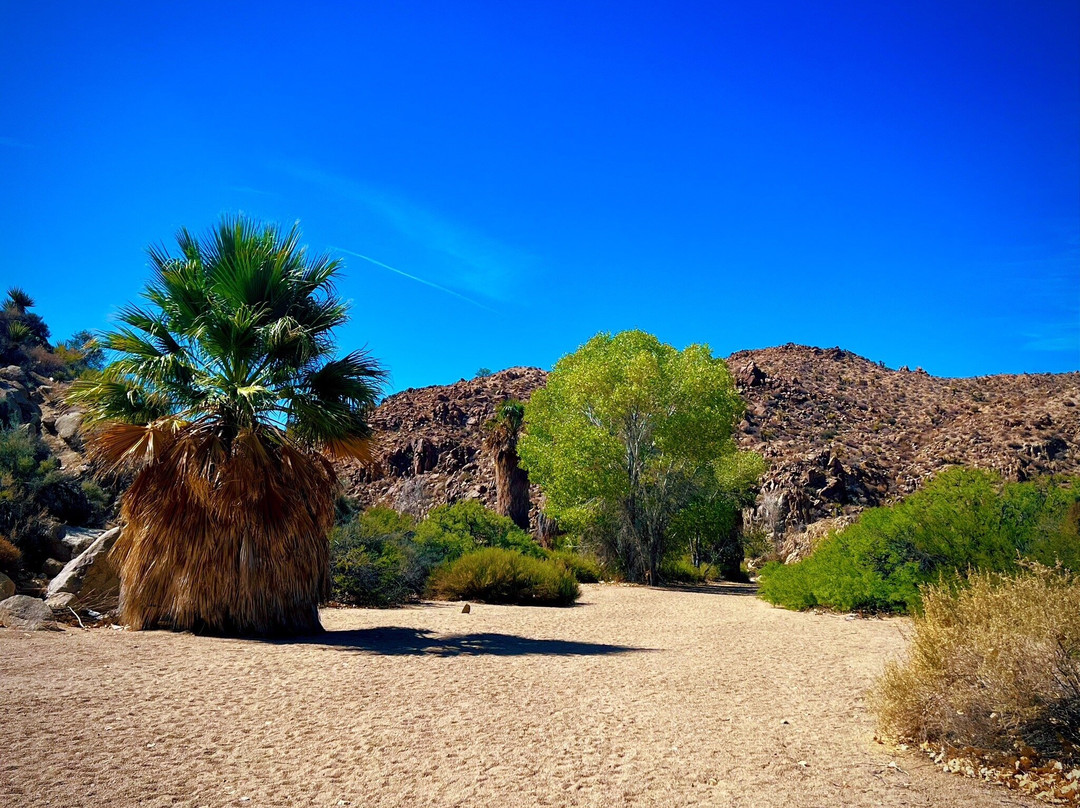
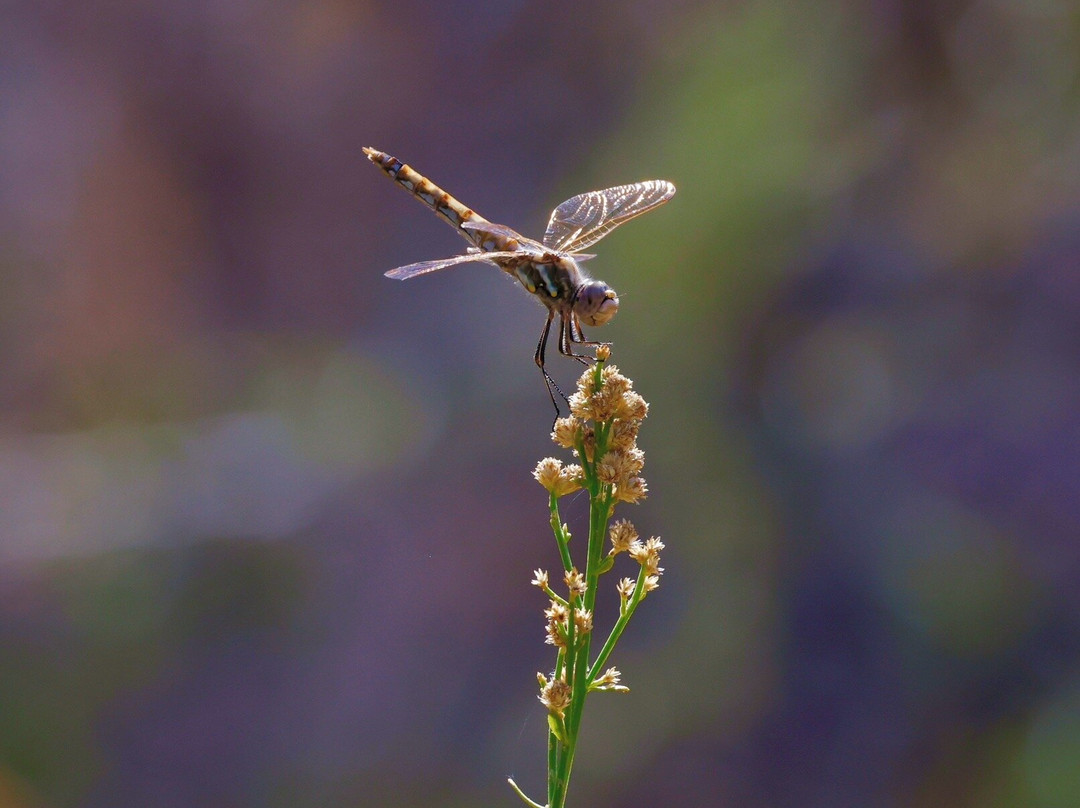
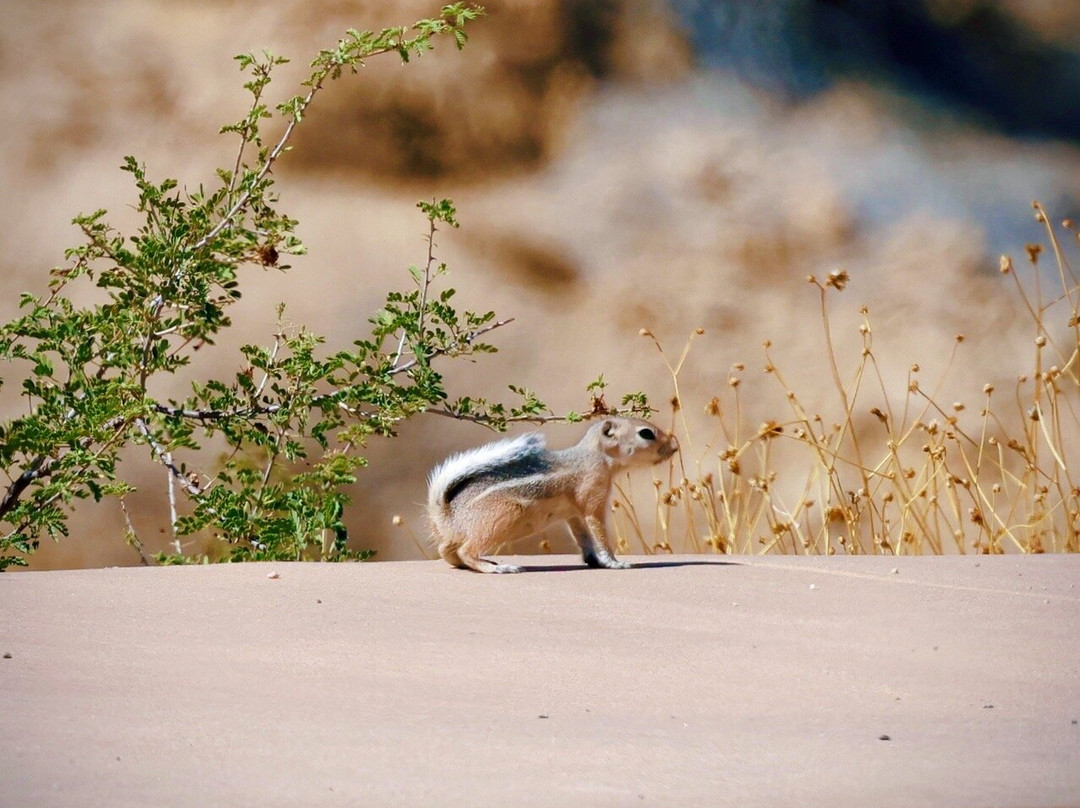
The Cottonwood Spring is actually a result of earthquake activity. And while I didn’t see any water and the wash was dry, there were plenty of signs indicating water is somewhere nearby. There are huge stands of native fan palms and wispy, beautiful Cottonwoods all throughout the wash - along with tons of bugs, bees, and all the other thirsty creatures. Apparently in heavy rains the dry sandy wash becomes a flowing river with a waterfall!
The spring season brings wildflowers and the autumn brings the fall colors for the Cottonwoods. Local Cahuilla people called this area home for centuries and you can still clearly see the bedrock mortars they used along the trail in places. Prospectors and miners also used the spring as a water stop on their way from Mecca to northern mines. This spring area was first mentioned in a gold mine claim filed in 1875 so there’s lots of history here surprisingly.
There are three main trails originating in this area- the short and flat Cottonwood Springs wash loop, the longer and more elevated Mastodon Peak, and the even longer and harder Lost Palms Oasis trail. Due to time constraints I was only able to spend a couple of hours here but definitely would’ve loved to have more time to explore - especially Mastodon Peak.
Cottonwood Springs is located just down from the visitor center at the south entrance - so you won’t see any Joshua Trees as those are all in the northern parts of the park. But it’s still definitely worth exploring. And there’s a campground about 1/2 mile away with picnic tables and bathrooms. There are also portapotties at the visitor center nearby.
The roads in this area are paved, well maintained, and there is plenty of paved parking at the trailhead. The National park charges a fee to enter with pay stations on the way into the park and a nice gift shop in the visitor center.
The Cottonwood Spring is actually a result of earthquake activity. And while I didn’t see any water and the wash was dry, there were plenty of signs indicating water is somewhere nearby. There are huge stands of native fan palms and wispy, beautiful Cottonwoods all throughout the wash - along with tons of bugs, bees, and all the other thirsty creatures. Apparently in heavy rains the dry sandy wash becomes a flowing river with a waterfall!
The spring season brings wildflowers and the autumn brings the fall colors for the Cottonwoods. Local Cahuilla people called this area home for centuries and you can still clearly see the bedrock mortars they used along the trail in places. Prospectors and miners also used the spring as a water stop on their way from Mecca to northern mines. This spring area was first mentioned in a gold mine claim filed in 1875 so there’s lots of history here surprisingly.
There are three main trails originating in this area- the short and flat Cottonwood Springs wash loop, the longer and more elevated Mastodon Peak, and the even longer and harder Lost Palms Oasis trail. Due to time constraints I was only able to spend a couple of hours here but definitely would’ve loved to have more time to explore - especially Mastodon Peak.
Cottonwood Springs is located just down from the visitor center at the south entrance - so you won’t see any Joshua Trees as those are all in the northern parts of the park. But it’s still definitely worth exploring. And there’s a campground about 1/2 mile away with picnic tables and bathrooms. There are also portapotties at the visitor center nearby.
The roads in this area are paved, well maintained, and there is plenty of paved parking at the trailhead. The National park charges a fee to enter with pay stations on the way into the park and a nice gift shop in the visitor center.
翻译:约书亚树国家公园中观赏野生动物(尤其是鸟类)的最佳地点之一!我观鸟这么多年,从来没有在一条小路上看到过这么多鹌鹑——太棒了!而且,我在这里第一次看到了一只美丽的黑喉麻雀!这条短而平坦的沙地小路很容易到达,但如果您想延长探索时间,这里还有其他几条小路。
棉白杨泉实际上是地震活动的结果。虽然我没有看到任何水,而且河沟是干的,但有很多迹象表明附近有水。整个河沟里都有大片的本地扇叶棕榈和纤细美丽的棉白杨——还有大量的虫子、蜜蜂和所有其他口渴的生物。显然,在大雨中,干涸的沙地河沟变成了一条带有瀑布的流动河流!
春季带来野花,秋季为棉白杨带来秋色。当地的卡胡埃拉人几个世纪以来一直称这个地区为家,你仍然可以清楚地看到他们在小径沿途使用的基岩砂浆。勘探者和矿工也将泉水用作从麦加前往北部矿山的途中的补水站。这个泉水区首次出现在 1875 年提交的一份金矿索赔中,因此令人惊讶的是,这里有很多历史。
该地区有三条主要小径 - 短而平坦的 Cottonwood Springs 冲刷环路、更长且更高的 Mastodon Peak 以及更长且更难的 Lost Palms Oasis 小径。由于时间限制,我只能在这里呆几个小时,但我绝对希望有更多时间去探索 - 尤其是 Mastodon Peak。
Cottonwood Springs 位于南入口游客中心的下方 - 所以你不会看到任何约书亚树,因为它们都在公园的北部。但它仍然值得探索。大约半英里外有一个露营地,里面有野餐桌和浴室。附近的游客中心也有移动厕所。
该地区的道路铺设良好,维护良好,步道入口处有很多铺好的停车位。国家公园需要收费,进入公园的路上设有付费站,游客中心还有一家不错的礼品店。
棉白杨泉实际上是地震活动的结果。虽然我没有看到任何水,而且河沟是干的,但有很多迹象表明附近有水。整个河沟里都有大片的本地扇叶棕榈和纤细美丽的棉白杨——还有大量的虫子、蜜蜂和所有其他口渴的生物。显然,在大雨中,干涸的沙地河沟变成了一条带有瀑布的流动河流!
春季带来野花,秋季为棉白杨带来秋色。当地的卡胡埃拉人几个世纪以来一直称这个地区为家,你仍然可以清楚地看到他们在小径沿途使用的基岩砂浆。勘探者和矿工也将泉水用作从麦加前往北部矿山的途中的补水站。这个泉水区首次出现在 1875 年提交的一份金矿索赔中,因此令人惊讶的是,这里有很多历史。
该地区有三条主要小径 - 短而平坦的 Cottonwood Springs 冲刷环路、更长且更高的 Mastodon Peak 以及更长且更难的 Lost Palms Oasis 小径。由于时间限制,我只能在这里呆几个小时,但我绝对希望有更多时间去探索 - 尤其是 Mastodon Peak。
Cottonwood Springs 位于南入口游客中心的下方 - 所以你不会看到任何约书亚树,因为它们都在公园的北部。但它仍然值得探索。大约半英里外有一个露营地,里面有野餐桌和浴室。附近的游客中心也有移动厕所。
该地区的道路铺设良好,维护良好,步道入口处有很多铺好的停车位。国家公园需要收费,进入公园的路上设有付费站,游客中心还有一家不错的礼品店。

© 2026 Tripadvisor 版权所有。
部分照片由 VFM Leonardo 提供。
TripAdvisor公司对外部网站的内容一概不负责。优惠价格中不含税和其他费用。
ICP证:沪B2-20200433
沪ICP备20013175号
 沪公网安备31010502005427号
鹰程信息技术(上海)有限公司