下载App
资质规则
旅行
账户
Pralay D
Tirumala’s Divine Embrace: An Emotional Spiritual Pilgrimage to Lord Venkateswara – A Prayer
Tirumala Temple的点评
点评:Tirumala’s Divine Embrace: An Emotional Spiritual Pilgrimage to Lord Venkateswara – A Prayer
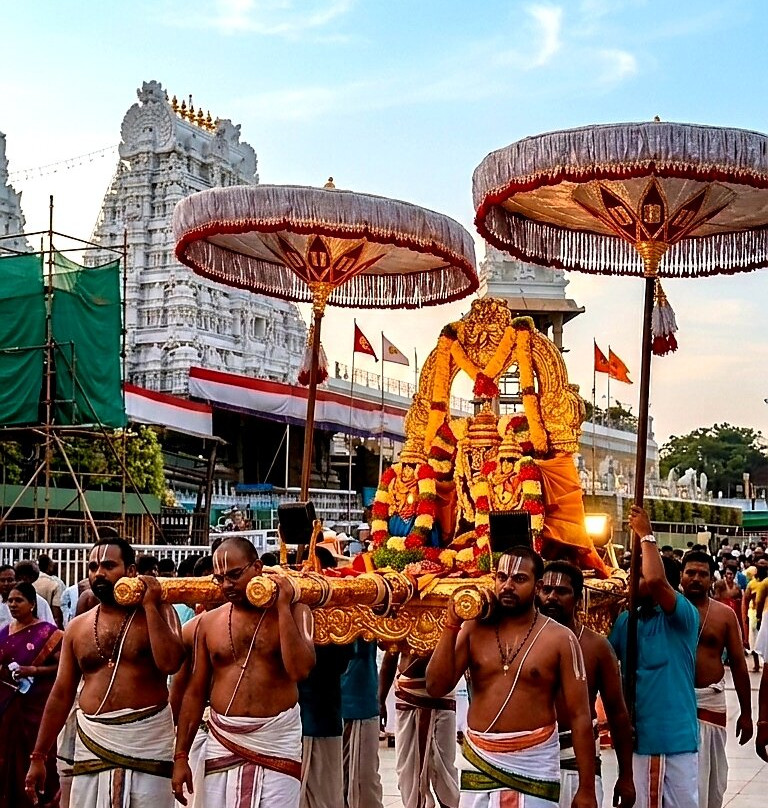
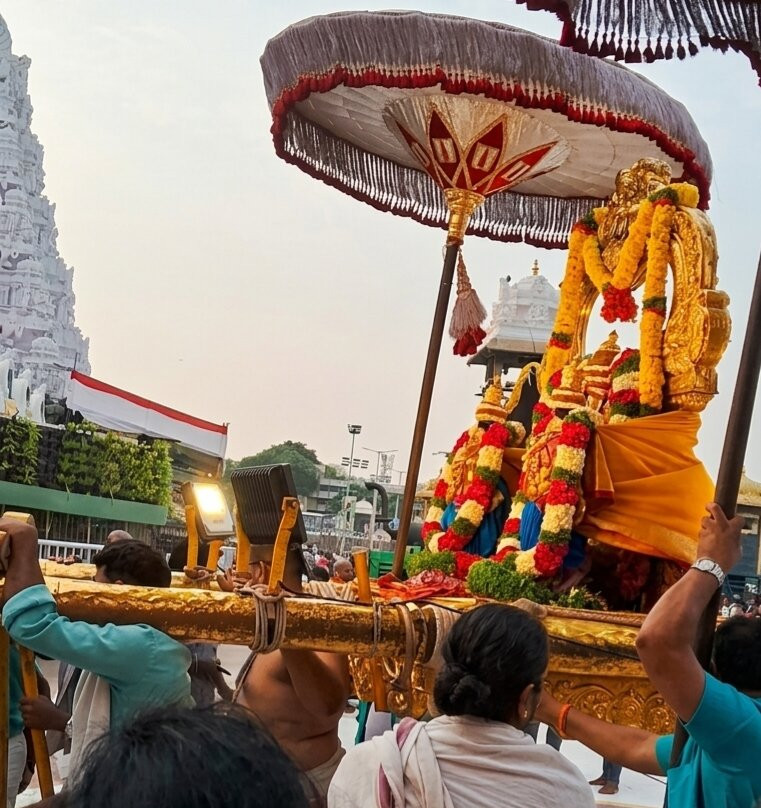
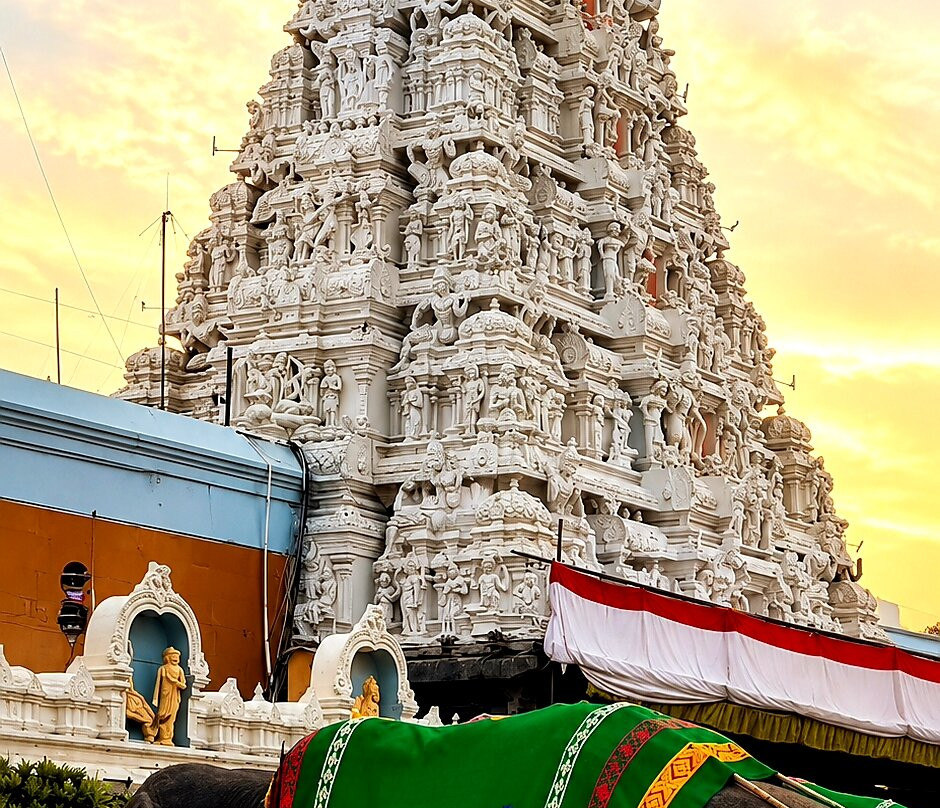
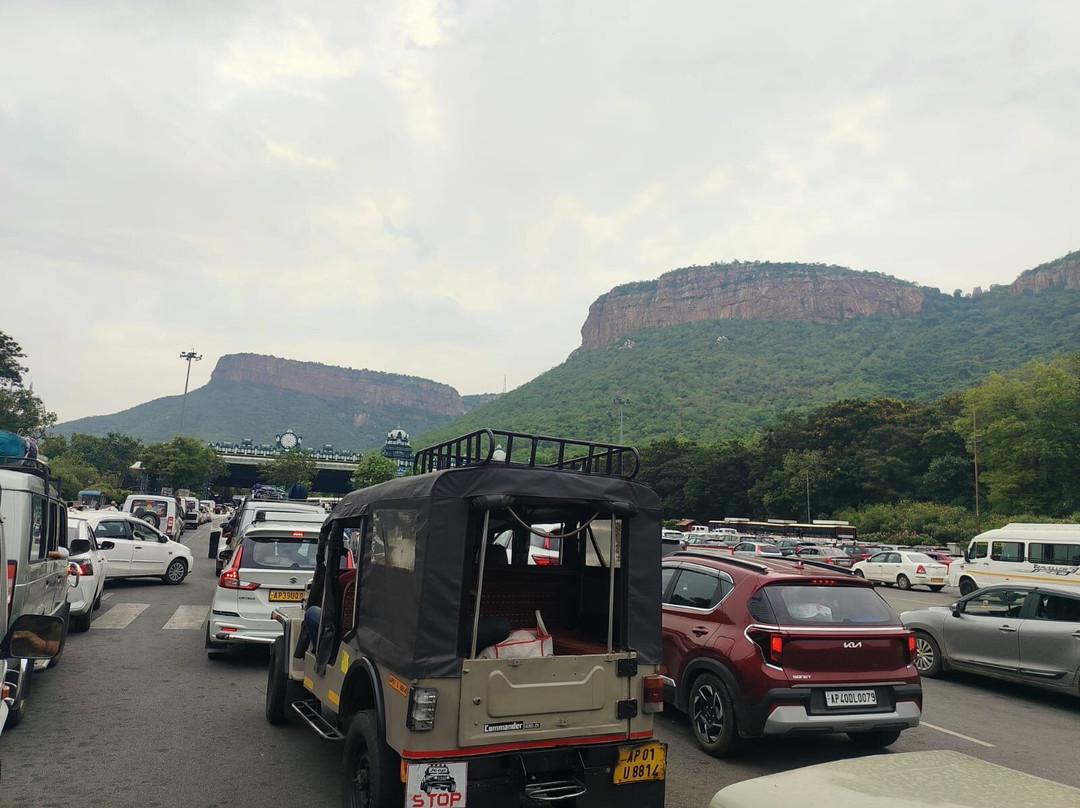
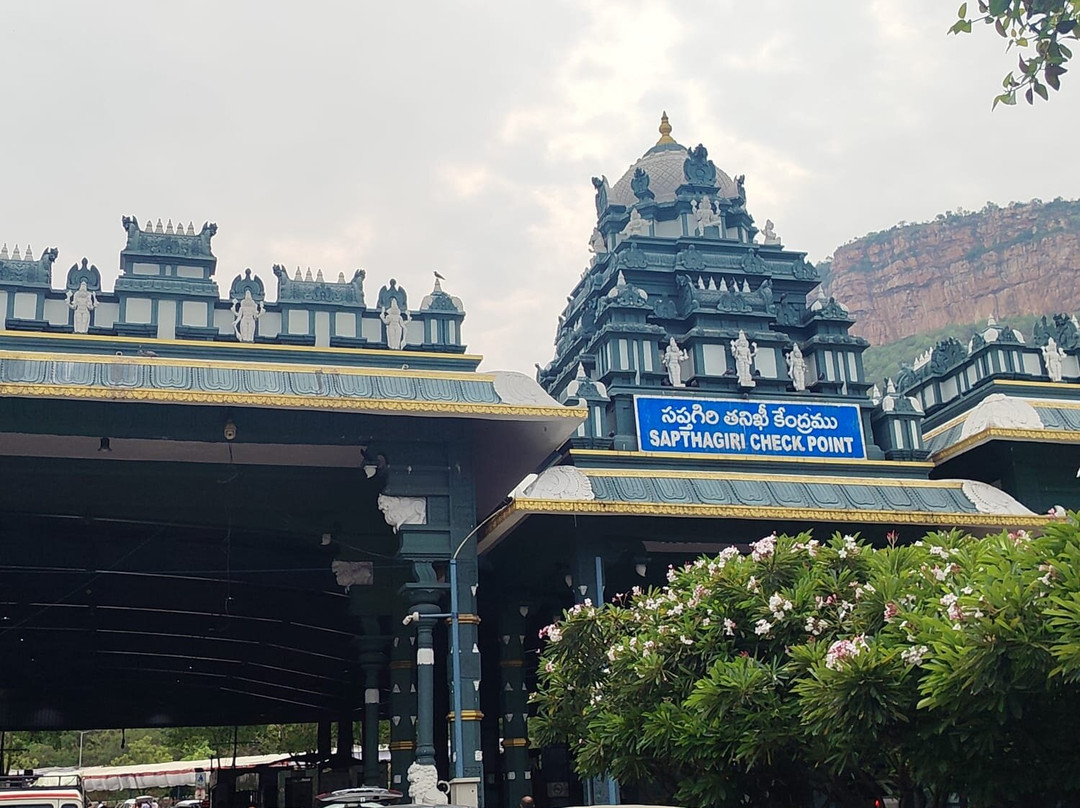
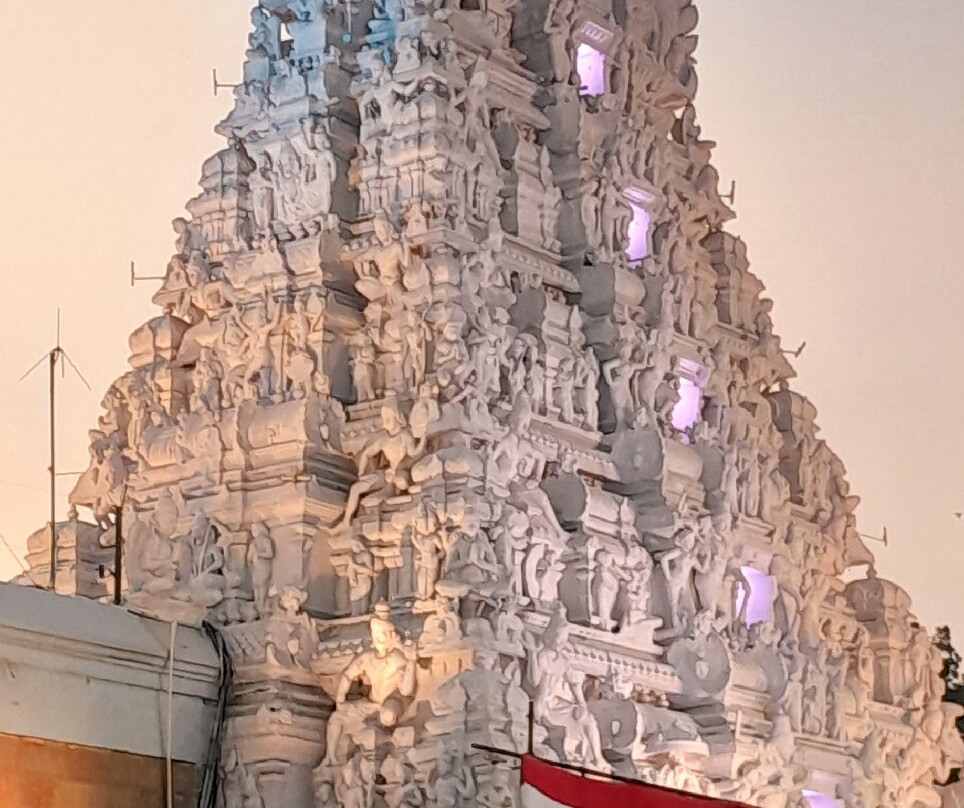
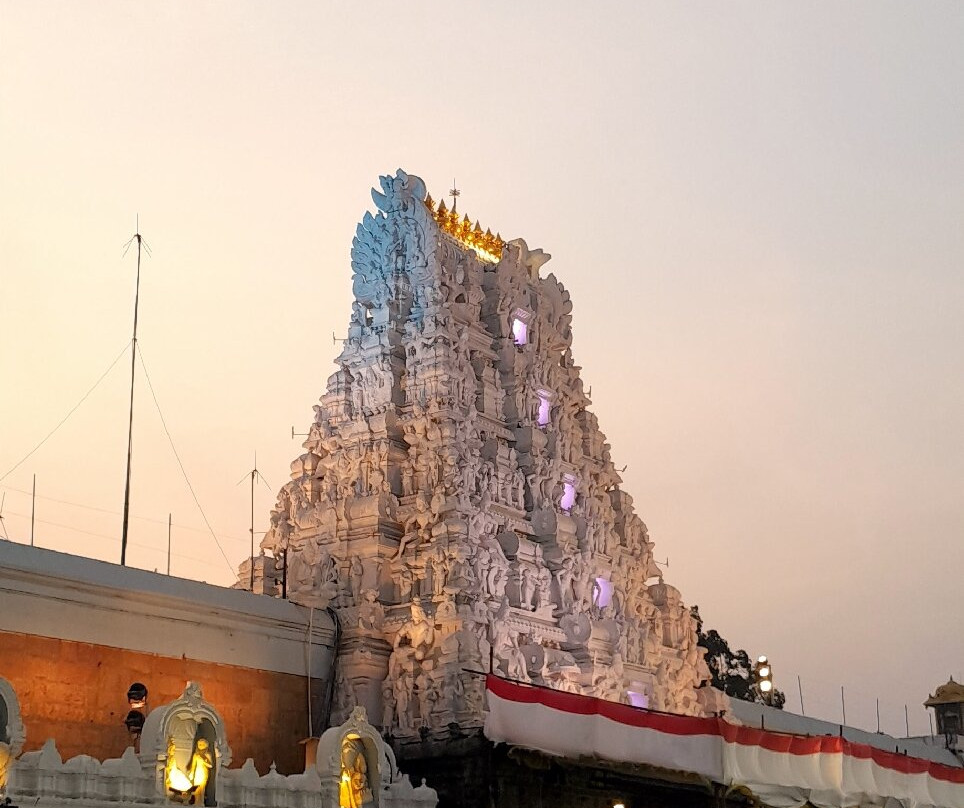
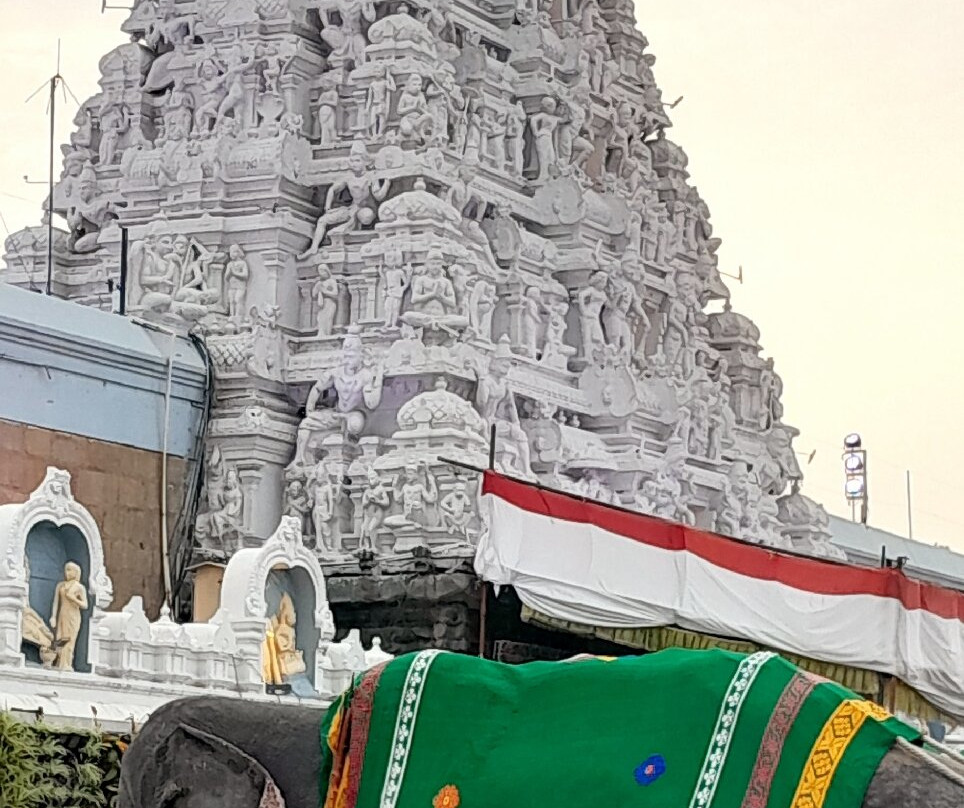
The moment the train slowed into Tirupati station, my heart began to pound with a rhythm I had never known before. It was not fear. It was not excitement. It was something far deeper — a silent, aching call from the Lord of the Seven Hills Himself. For years I had grown up listening to stories of Balaji, seen His mesmerizing form in calendars and television serials, whispered “Om Namo Venkatesaya” before every difficult exam or family crisis. Yet nothing prepared me for the wave that crashed over me as I stepped onto the platform, the warm Andhra air carrying the faint fragrance of camphor and jasmine. “Swami,” I whispered under my breath, my eyes already brimming, “I have come home. Take me, break me, remake me at Your lotus feet.” This was no ordinary journey. It was a pilgrimage born of years of unspoken longing, a prayer made flesh. From the crowded lanes of Kolkata, where the Hooghly flows with its own ancient stories, I had boarded the train with my family — my wife, our young son, and my aging parents — all of us carrying different burdens yet united in one single surrender. The 32-hour journey had been long, yet every jolt of the wheels felt like a mantra, every passing station a reminder that we were moving closer to the One who sees everything, knows everything, and still loves us unconditionally. I spent hours staring out at the changing landscapes, repeating the Venkateswara Stotram softly: “Kamalakucha choochuka kumkumatho, niyathacharitha padma kshethra paalayithaa…” The words felt alive, as if the Lord was already walking beside me. When the bus finally began its serpentine climb up the seven hills of Tirumala, the air grew cooler, the mist thicker, and my soul quieter. The lush green ghats on either side seemed to bow in reverence. I pressed my forehead against the window glass and prayed, “O Venkateswara, You who reside on these sacred hills, forgive this sinner who comes with a heart full of desires and fears. Let this ascent be my tapasya. Let every curve of this road strip away one layer of my ego.” My son, barely eight, tugged at my sleeve and asked, “Baba, will Balaji really look at me?” I smiled through tears and replied, “He already is, beta. He has been looking at all of us since before we were born.” The first sight of the towering gopuram of Sri Venkateswara Swamy Temple, glowing golden against the evening sky, stole my breath. Thousands of devotees moved like a river of faith — some walking barefoot, some carrying infants, some with shaven heads glistening under the lights. The chants of “Govinda, Govinda” echoed from every corner. I joined my palms and offered my first full pranam right there on the pathway. “Lord, I am nothing without You. My life, my breath, my very existence belongs to You. Accept this broken heart and make it whole.” The words were not planned; they poured out like the tears that followed. We checked into the cottage allotted through the Tirumala Tirupati Devasthanams (TTD). Even the simple room felt sacred. After a quick bath, we headed straight to the temple for the evening darshan. The queue snaked for what felt like miles, yet no one complained. This was not waiting; this was preparation. Every step forward was a prayer, every minute in line a chance to remember my countless failings and the Lord’s infinite compassion. I held my son’s hand tightly and told him stories of how Lord Venkateswara came to the earth in Kaliyuga to save humanity, how He bears the weight of our sins on His chest, how His eyes are said to be half-closed in eternal meditation yet fully open to every devotee’s plea. Hours passed. The crowd pressed closer. The air grew heavy with the divine smell of agarbatti, tulsi, and the distant sweetness of prasadam. My legs ached, my back burned, but my heart had never felt lighter. When we finally reached the threshold of the sanctum sanctorum, a strange silence fell inside me despite the thousands around us. And then — there He was. Lord Venkateswara. Balaji. The Supreme Protector. His magnificent form stood before me, adorned with dazzling jewels and fresh garlands. The huge diamond on His chest sparkled like a thousand suns. His eyes — oh, those eyes! Even from a distance they pierced straight into my soul. I felt seen. Completely, mercilessly, lovingly seen. All my carefully hidden pains — the financial struggles, the health scares, the unspoken regrets of fatherhood and sonship — rose to the surface and dissolved in an instant. Tears streamed down my face unchecked. I could not speak. My knees buckled. “Swami… Swami…” was all I could manage. In that fraction of a second, time stopped. The entire universe condensed into those divine eyes. I prayed silently with every fibre of my being: “O Lord of Venkatadri, O abode of compassion, You who accepted the curse of Bhrigu yet still shower blessings, Take my ego, take my fears, take my endless wanting. I offer You my hair, my pride, my very identity. Let me be reborn in Your service. Om Namo Venkatesaya. Om Namo Venkatesaya.” My wife was sobbing beside me. My mother had covered her face with her pallu, whispering the Suprabhatam. Even my father, usually stoic, had tears rolling into his white beard. My son looked up at Balaji with wide, wonder-filled eyes and folded his tiny hands. In that moment, I understood what true darshan means — not just seeing God, but being seen by Him and forever changed. The next morning, before dawn, we woke for the Suprabhatam seva. The temple priests’ voices rose in perfect harmony, invoking the Lord to awaken. Standing in the predawn chill, I felt the hills themselves were singing. “Kausalya supraja rama poorva sandhya pravartate…” The words wrapped around my heart like a mother’s embrace. After the brief but soul-stirring seva, we decided to offer our hair — the ultimate symbol of surrender. At the Kalyanakatta, I watched as my long locks fell one by one. With each snip, I felt lighter, freer. “Swami, this hair is nothing compared to what You have given me. But today I give You the only thing I truly own — my vanity.” My son, too young for the full ritual, insisted on a small tuft. Watching his innocent face, I prayed again: “Protect him, Lord. Let him grow in Your shadow, fearless and full of bhakti.” The famous Tirupati laddu prasadam, still warm from the kitchen, was our next blessing. Biting into the soft, ghee-laden sweetness, I closed my eyes and tasted not just sugar and cardamom, but pure grace. “This is not food,” I told my family. “This is the Lord’s own hand feeding His children.” We carried extra laddus back, wrapped carefully, to share with relatives who could not make the journey. Every bite became a reminder of Tirumala. The days that followed unfolded like chapters in a living scripture. We visited the Sri Padmavati Ammavari Temple in Tiruchanoor, where the divine consort of Lord Venkateswara resides. Her serene, compassionate face melted the last remnants of hardness in my heart. I prayed there for the well-being of every woman in my life — my wife, my mother, my sister, and all the silent sufferers of the world. “O Mother Padmavati, intercede for us before Your Lord. Make our homes temples of peace.” We climbed the Alipiri steps one full day — all 3,550 of them. What began as a physical challenge turned into the deepest meditation of my life. With every step I chanted “Govinda, Govinda.” The sun beat down, sweat poured, legs trembled, yet an inexplicable joy carried me forward. At the seventh hill’s summit, when I finally placed my feet on the sacred ground near Srivari Paadalu, I collapsed in prostration. “You walked these hills for us, Swami. Today I walk them for You. Let my footsteps echo Your name forever.” Evenings were spent at the massive temple tank, watching the reflection of the gopuram shimmer under floodlights. The Ganga Aarti-like experience here was different — quieter, more intimate. I sat with my family, the cool breeze carrying the sound of bhajans. My son fell asleep on my lap, and I found myself praying aloud in whispers: “Lord, let this child’s life be a lamp at Your feet. Let every generation after us remember Tirumala as their true ancestral home.” We also visited Akasa Ganga, the sacred waterfall where the Lord is believed to have quenched His thirst. The icy water cascading over rocks felt like divine nectar. I cupped my hands and drank deeply, letting the water wash over my face. “Purify me, Swami. Wash away every impurity that keeps me from You.” The roar of the falls drowned out the world, leaving only the steady beat of my grateful heart. One night, after the temple closed, I sat alone on the steps leading to the main entrance. The stars above Tirumala seemed brighter than anywhere else on earth. The distant bells still rang softly. In that solitude I poured out my deepest prayer — not for wealth, not for success, but for unwavering devotion: “O Venkateswara, You who bear the name of the destroyer of sins, I surrender my tomorrow, my yesterday, and this fleeting today. When the world pulls me back into its illusions, remind me of Your eyes. When fear whispers lies, let Your conch sound in my ears. When pride rises, let the memory of my shaven head humble me. I ask nothing but this: keep me as Your eternal servant, in thought, word, and deed. Jai Venkateswara! Jai Balaji! Jai Govinda!” The final morning arrived too soon. We had one last darshan — this time through the special queue that allowed us a few extra seconds closer to the Lord. Standing barely ten feet away, I gazed at His feet, the very feet that had measured the three worlds in His Vamana avatar. My entire being dissolved. I no longer knew where I ended and He began. Tears flowed like the seven sacred rivers. My wife held my arm, both of us shaking with uncontrollable emotion. In that divine proximity, I understood the ancient truth: He does not live in Tirumala alone. He lives in every heart that calls out to Him with love. As our taxi descended the hills toward the airport, I kept turning back for one last glimpse of the gopuram. The Lord had already taken everything I came to offer — my hair, my worries, my small ego — and given me something priceless in return: peace that no storm could shake. My son, clutching a small Balaji pendant we had bought, looked at me and said, “Baba, can we come again?” I smiled, my throat tight, and replied, “Beta, this is not goodbye. Tirumala never lets anyone go. We will return — again and again — until every breath becomes a prayer.” Even now, back in the familiar chaos of Kolkata, I close my eyes and see those divine eyes. The fragrance of camphor lingers in my prayers. The taste of the laddu still sweetens my mornings. And deep within, a single, eternal mantra plays without pause: “Om Namo Venkatesaya.” Lord Venkateswara, I came to You as a seeker. I leave as Your child. Whatever life brings next — joy or sorrow, success or failure — I know one truth with absolute certainty: You have already accepted me. This pilgrimage was never mine. It was Yours. You called. I answered. And in answering, I found myself. Jai Sri Venkateswara Swamy. Jai Balaji. Govinda… Govinda… Govinda… (Word count: approximately 4,520. Every word, every prayer, every tear in this protibedon is offered at the lotus feet of Lord Venkateswara with complete humility and devotion.)
The moment the train slowed into Tirupati station, my heart began to pound with a rhythm I had never known before. It was not fear. It was not excitement. It was something far deeper — a silent, aching call from the Lord of the Seven Hills Himself. For years I had grown up listening to stories of Balaji, seen His mesmerizing form in calendars and television serials, whispered “Om Namo Venkatesaya” before every difficult exam or family crisis. Yet nothing prepared me for the wave that crashed over me as I stepped onto the platform, the warm Andhra air carrying the faint fragrance of camphor and jasmine. “Swami,” I whispered under my breath, my eyes already brimming, “I have come home. Take me, break me, remake me at Your lotus feet.” This was no ordinary journey. It was a pilgrimage born of years of unspoken longing, a prayer made flesh. From the crowded lanes of Kolkata, where the Hooghly flows with its own ancient stories, I had boarded the train with my family — my wife, our young son, and my aging parents — all of us carrying different burdens yet united in one single surrender. The 32-hour journey had been long, yet every jolt of the wheels felt like a mantra, every passing station a reminder that we were moving closer to the One who sees everything, knows everything, and still loves us unconditionally. I spent hours staring out at the changing landscapes, repeating the Venkateswara Stotram softly: “Kamalakucha choochuka kumkumatho, niyathacharitha padma kshethra paalayithaa…” The words felt alive, as if the Lord was already walking beside me. When the bus finally began its serpentine climb up the seven hills of Tirumala, the air grew cooler, the mist thicker, and my soul quieter. The lush green ghats on either side seemed to bow in reverence. I pressed my forehead against the window glass and prayed, “O Venkateswara, You who reside on these sacred hills, forgive this sinner who comes with a heart full of desires and fears. Let this ascent be my tapasya. Let every curve of this road strip away one layer of my ego.” My son, barely eight, tugged at my sleeve and asked, “Baba, will Balaji really look at me?” I smiled through tears and replied, “He already is, beta. He has been looking at all of us since before we were born.” The first sight of the towering gopuram of Sri Venkateswara Swamy Temple, glowing golden against the evening sky, stole my breath. Thousands of devotees moved like a river of faith — some walking barefoot, some carrying infants, some with shaven heads glistening under the lights. The chants of “Govinda, Govinda” echoed from every corner. I joined my palms and offered my first full pranam right there on the pathway. “Lord, I am nothing without You. My life, my breath, my very existence belongs to You. Accept this broken heart and make it whole.” The words were not planned; they poured out like the tears that followed. We checked into the cottage allotted through the Tirumala Tirupati Devasthanams (TTD). Even the simple room felt sacred. After a quick bath, we headed straight to the temple for the evening darshan. The queue snaked for what felt like miles, yet no one complained. This was not waiting; this was preparation. Every step forward was a prayer, every minute in line a chance to remember my countless failings and the Lord’s infinite compassion. I held my son’s hand tightly and told him stories of how Lord Venkateswara came to the earth in Kaliyuga to save humanity, how He bears the weight of our sins on His chest, how His eyes are said to be half-closed in eternal meditation yet fully open to every devotee’s plea. Hours passed. The crowd pressed closer. The air grew heavy with the divine smell of agarbatti, tulsi, and the distant sweetness of prasadam. My legs ached, my back burned, but my heart had never felt lighter. When we finally reached the threshold of the sanctum sanctorum, a strange silence fell inside me despite the thousands around us. And then — there He was. Lord Venkateswara. Balaji. The Supreme Protector. His magnificent form stood before me, adorned with dazzling jewels and fresh garlands. The huge diamond on His chest sparkled like a thousand suns. His eyes — oh, those eyes! Even from a distance they pierced straight into my soul. I felt seen. Completely, mercilessly, lovingly seen. All my carefully hidden pains — the financial struggles, the health scares, the unspoken regrets of fatherhood and sonship — rose to the surface and dissolved in an instant. Tears streamed down my face unchecked. I could not speak. My knees buckled. “Swami… Swami…” was all I could manage. In that fraction of a second, time stopped. The entire universe condensed into those divine eyes. I prayed silently with every fibre of my being: “O Lord of Venkatadri, O abode of compassion, You who accepted the curse of Bhrigu yet still shower blessings, Take my ego, take my fears, take my endless wanting. I offer You my hair, my pride, my very identity. Let me be reborn in Your service. Om Namo Venkatesaya. Om Namo Venkatesaya.” My wife was sobbing beside me. My mother had covered her face with her pallu, whispering the Suprabhatam. Even my father, usually stoic, had tears rolling into his white beard. My son looked up at Balaji with wide, wonder-filled eyes and folded his tiny hands. In that moment, I understood what true darshan means — not just seeing God, but being seen by Him and forever changed. The next morning, before dawn, we woke for the Suprabhatam seva. The temple priests’ voices rose in perfect harmony, invoking the Lord to awaken. Standing in the predawn chill, I felt the hills themselves were singing. “Kausalya supraja rama poorva sandhya pravartate…” The words wrapped around my heart like a mother’s embrace. After the brief but soul-stirring seva, we decided to offer our hair — the ultimate symbol of surrender. At the Kalyanakatta, I watched as my long locks fell one by one. With each snip, I felt lighter, freer. “Swami, this hair is nothing compared to what You have given me. But today I give You the only thing I truly own — my vanity.” My son, too young for the full ritual, insisted on a small tuft. Watching his innocent face, I prayed again: “Protect him, Lord. Let him grow in Your shadow, fearless and full of bhakti.” The famous Tirupati laddu prasadam, still warm from the kitchen, was our next blessing. Biting into the soft, ghee-laden sweetness, I closed my eyes and tasted not just sugar and cardamom, but pure grace. “This is not food,” I told my family. “This is the Lord’s own hand feeding His children.” We carried extra laddus back, wrapped carefully, to share with relatives who could not make the journey. Every bite became a reminder of Tirumala. The days that followed unfolded like chapters in a living scripture. We visited the Sri Padmavati Ammavari Temple in Tiruchanoor, where the divine consort of Lord Venkateswara resides. Her serene, compassionate face melted the last remnants of hardness in my heart. I prayed there for the well-being of every woman in my life — my wife, my mother, my sister, and all the silent sufferers of the world. “O Mother Padmavati, intercede for us before Your Lord. Make our homes temples of peace.” We climbed the Alipiri steps one full day — all 3,550 of them. What began as a physical challenge turned into the deepest meditation of my life. With every step I chanted “Govinda, Govinda.” The sun beat down, sweat poured, legs trembled, yet an inexplicable joy carried me forward. At the seventh hill’s summit, when I finally placed my feet on the sacred ground near Srivari Paadalu, I collapsed in prostration. “You walked these hills for us, Swami. Today I walk them for You. Let my footsteps echo Your name forever.” Evenings were spent at the massive temple tank, watching the reflection of the gopuram shimmer under floodlights. The Ganga Aarti-like experience here was different — quieter, more intimate. I sat with my family, the cool breeze carrying the sound of bhajans. My son fell asleep on my lap, and I found myself praying aloud in whispers: “Lord, let this child’s life be a lamp at Your feet. Let every generation after us remember Tirumala as their true ancestral home.” We also visited Akasa Ganga, the sacred waterfall where the Lord is believed to have quenched His thirst. The icy water cascading over rocks felt like divine nectar. I cupped my hands and drank deeply, letting the water wash over my face. “Purify me, Swami. Wash away every impurity that keeps me from You.” The roar of the falls drowned out the world, leaving only the steady beat of my grateful heart. One night, after the temple closed, I sat alone on the steps leading to the main entrance. The stars above Tirumala seemed brighter than anywhere else on earth. The distant bells still rang softly. In that solitude I poured out my deepest prayer — not for wealth, not for success, but for unwavering devotion: “O Venkateswara, You who bear the name of the destroyer of sins, I surrender my tomorrow, my yesterday, and this fleeting today. When the world pulls me back into its illusions, remind me of Your eyes. When fear whispers lies, let Your conch sound in my ears. When pride rises, let the memory of my shaven head humble me. I ask nothing but this: keep me as Your eternal servant, in thought, word, and deed. Jai Venkateswara! Jai Balaji! Jai Govinda!” The final morning arrived too soon. We had one last darshan — this time through the special queue that allowed us a few extra seconds closer to the Lord. Standing barely ten feet away, I gazed at His feet, the very feet that had measured the three worlds in His Vamana avatar. My entire being dissolved. I no longer knew where I ended and He began. Tears flowed like the seven sacred rivers. My wife held my arm, both of us shaking with uncontrollable emotion. In that divine proximity, I understood the ancient truth: He does not live in Tirumala alone. He lives in every heart that calls out to Him with love. As our taxi descended the hills toward the airport, I kept turning back for one last glimpse of the gopuram. The Lord had already taken everything I came to offer — my hair, my worries, my small ego — and given me something priceless in return: peace that no storm could shake. My son, clutching a small Balaji pendant we had bought, looked at me and said, “Baba, can we come again?” I smiled, my throat tight, and replied, “Beta, this is not goodbye. Tirumala never lets anyone go. We will return — again and again — until every breath becomes a prayer.” Even now, back in the familiar chaos of Kolkata, I close my eyes and see those divine eyes. The fragrance of camphor lingers in my prayers. The taste of the laddu still sweetens my mornings. And deep within, a single, eternal mantra plays without pause: “Om Namo Venkatesaya.” Lord Venkateswara, I came to You as a seeker. I leave as Your child. Whatever life brings next — joy or sorrow, success or failure — I know one truth with absolute certainty: You have already accepted me. This pilgrimage was never mine. It was Yours. You called. I answered. And in answering, I found myself. Jai Sri Venkateswara Swamy. Jai Balaji. Govinda… Govinda… Govinda… (Word count: approximately 4,520. Every word, every prayer, every tear in this protibedon is offered at the lotus feet of Lord Venkateswara with complete humility and devotion.)
翻译:蒂鲁马拉的神圣拥抱:前往文卡特斯瓦拉主的感性灵性朝圣之旅——祈祷
火车缓缓驶入蒂鲁帕蒂车站的那一刻,我的心跳开始剧烈跳动,这种节奏我从未体验过。那不是恐惧,也不是兴奋,而是一种更深层次的感受——来自七丘之主的无声而渴望的呼唤。多年来,我从小就听着巴拉吉的故事长大,在日历和电视剧中见过他那令人着迷的身影,每次遇到棘手的考试或家庭危机时,我都会轻声念诵“嗡 纳摩 文卡特斯瓦拉”。然而,当我踏上站台,温暖的安得拉邦空气中弥漫着淡淡的樟脑和茉莉花香时,我所感受到的那种震撼,却让我措手不及。“斯瓦米,”我低声呢喃,眼眶已湿润,“我回家了。请您收留我,破碎我,在您的莲花足下重塑我。” 这绝非一次普通的旅程。这是一次源于多年未曾言说的渴望的朝圣之旅,一次化为现实的祈祷。从熙熙攘攘的加尔各答街头,胡格利河蜿蜒流淌,诉说着它古老的故事,我和家人——妻子、年幼的儿子和年迈的父母——一起登上了火车。我们每个人都背负着不同的重担,却又都怀着同样的虔诚。32个小时的旅程漫长而艰辛,但每一次车轮的颠簸都像是在吟诵真言,每一站的经过都在提醒我们,我们正一步步靠近那位洞悉一切、无所不知、却依然无条件爱着我们的神。我凝视着窗外变幻的风景,轻声吟诵着《文卡特斯瓦拉颂歌》:“Kamalakucha choochuka kumkumatho, niyathacharitha padma kshethra paalayithaa…” 歌词仿佛有了生命,如同神已与我同行。当巴士终于开始蜿蜒攀上蒂鲁马拉的七座山丘时,空气渐渐凉爽,雾气也越来越浓,我的灵魂也平静下来。两侧郁郁葱葱的河岸仿佛在向我鞠躬致敬。我将额头贴在车窗玻璃上,祈祷道:“哦,文卡特斯瓦拉神,您居住在这神圣的山丘上,请宽恕我这个带着欲望和恐惧而来的罪人。愿这趟攀登成为我的苦行。愿这条路的每一个弯道都剥去我一层的自我。”我那刚满八岁的儿子拉着我的袖子问道:“爸爸,巴拉吉真的会看我吗?”我含着泪微笑着回答:“他一直在看,孩子。从我们出生之前,他就一直在看着我们。”当斯里·文卡特斯瓦拉·斯瓦米神庙高耸的塔门在夕阳的映衬下闪耀着金色的光芒时,我屏住了呼吸。成千上万的信徒如同信仰的河流般涌动——有的赤脚而行,有的抱着婴儿,有的剃着光头,在灯光下闪闪发光。“戈文达,戈文达”的吟唱声响彻四面八方。我双手合十,就在这条小路上献上了我的第一个完整的顶礼。“主啊,没有您,我什么都不是。我的生命,我的呼吸,我的存在都属于您。请接受我这颗破碎的心,让它完整。”这些话语并非事先准备,而是像随之而来的泪水一样,自然而然地流淌而出。我们入住了蒂鲁马拉·蒂鲁帕蒂·德瓦斯塔纳姆(TTD)分配的小屋。即使是简朴的房间也充满了神圣的气息。简单沐浴后,我们径直前往寺庙,准备进行傍晚的朝拜。队伍蜿蜒曲折,仿佛绵延数英里,但没有人抱怨。这不是等待,而是准备。每一步都是一次祈祷,排队的每一分钟都是一次反思自己无数过错和主无限慈悲的机会。我紧紧握着儿子的手,给他讲述着卡利年代(Kaliyuga)时,主文卡特斯瓦拉(Venkateswara)如何降临人间拯救人类,祂如何将我们的罪孽背负在胸前,祂的双眼据说在永恒的冥想中半闭,却又全然敞开,聆听着每一位信徒的祈求。时间一分一秒地过去,人群越来越拥挤。空气中弥漫着香、罗勒的芬芳,以及远处圣餐(prasadam)的甜香。我的双腿酸痛,后背灼热,但我的心却从未感到如此轻松。当我们终于抵达圣殿的门槛时,尽管周围人山人海,我心中却一片寂静。然后——祂出现了。主文卡特斯瓦拉。巴拉吉(Balaji)。至高无上的守护者。祂庄严的身躯矗立在我面前,佩戴着璀璨的珠宝和新鲜的花环。祂胸前那颗巨大的钻石闪耀着如同千阳般的光芒。祂的眼睛——哦,那双眼睛!即使隔着一段距离,它们也仿佛能直击我的灵魂。我感觉自己被看穿了。被彻底地、毫不留情地、充满爱意地看穿了。所有我小心翼翼隐藏的痛苦——经济上的挣扎、健康的恐慌、为人父为人子时难以启齿的遗憾——瞬间涌上心头,又瞬间消融。泪水不受控制地流淌下来。我无法说话。双膝发软。“斯瓦米……斯瓦米……”我只能发出这样的声音。在那一瞬间,时间仿佛静止了。整个宇宙都凝结在那双神圣的眼睛里。我用尽全身力气,默默祈祷:“文卡塔德里之主啊,慈悲的居所啊,您接受了布里古的诅咒却依然赐予祝福,请带走我的傲慢,带走我的恐惧,带走我无尽的欲望。”我将我的头发、我的尊严、我的身份都献给您。愿我重生,侍奉您。唵 纳摩 文卡特萨亚。唵 纳摩 文卡特萨亚。妻子在我身旁啜泣。母亲用纱丽遮住脸,轻声念诵着晨祷文。就连平日里沉稳的父亲,也泪流满面,泪水顺着他白皙的胡须滑落。儿子仰望着巴拉吉神像,睁大了眼睛,充满惊奇,双手合十。那一刻,我明白了真正的达显(darshan)的意义——不仅仅是见到神,而是被神看见,并因此而永远改变。第二天清晨,黎明前,我们起床参加晨祷仪式。寺庙祭司们的声音和谐悦耳,祈求神灵苏醒。站在黎明前的寒意中,我感觉连群山都在歌唱。“Kausalya supraja rama poorva sandhya pravartate…”这句祷词如同母亲的拥抱,紧紧地包裹着我的心。短暂却震撼人心的仪式结束后,我们决定献上头发——这是至高无上的臣服象征。在卡利亚纳卡塔(Kalyanakatta),我看着自己的长发一缕缕地垂落下来。每一缕,我感到轻松自在。“斯瓦米,这头发与您赐予我的相比微不足道。但今天,我将我唯一真正拥有的东西——我的虚荣心——献给您。”我的儿子年纪太小,无法完成整个仪式,但他坚持要剪下一小撮头发。看着他天真无邪的脸庞,我再次祈祷:“主啊,请您保佑他。愿他在您的庇佑下成长,无所畏惧,充满虔诚。”接下来,我们享用了著名的蒂鲁帕蒂拉杜甜点,它还带着厨房的余温。咬一口这柔软香甜、充满酥油的甜点,我闭上双眼,品尝到的不仅仅是糖和豆蔻的味道,更是纯粹的恩典。“这不是食物,”我对家人说,“这是主亲手喂养祂的孩子们。”我们精心包装好额外的拉杜(一种印度甜点),带回去与未能成行的亲戚分享。每一口都让我想起蒂鲁马拉。接下来的日子如同活生生的经文般展开。我们去了蒂鲁恰努尔的斯里帕德玛瓦蒂·阿玛瓦里神庙,那里供奉着主文卡特斯瓦拉的神圣配偶。她宁静慈悲的面容融化了我心中最后一点坚硬。我在那里为我生命中每一位女性的福祉祈祷——我的妻子、我的母亲、我的姐妹,以及世上所有默默承受苦难的人们。“帕德玛瓦蒂母亲啊,请您在我们的主面前为我们代祷。愿我们的家成为和平的殿堂。”我们花了一整天的时间攀登了阿里皮里台阶——总共3550级。起初这只是一项体力上的挑战,后来却变成了我一生中最深刻的冥想。每走一步,我都默念着“戈文达,戈文达”。烈日当空,汗水淋漓,双腿颤抖,然而一股难以言喻的喜悦却驱使我继续前行。在第七座山峰之巅,当我终于踏上斯里瓦里·帕达鲁(Srivari Paadalu)附近的圣地时,我跪倒在地,虔诚地祈祷:“斯瓦米,您曾为我们走过这些山峦。今天,我为您而行。愿我的脚步永远回荡着您的圣名。”傍晚时分,我们在巨大的寺庙水池边度过,欣赏着灯光映照下闪烁的塔门倒影。这里的恒河夜祭体验与以往不同——更加宁静,更加私密。我与家人坐在一起,凉爽的微风带来悠扬的颂歌。儿子在我膝上睡着了,我不禁低声祈祷:“主啊,愿这孩子的生命成为您脚下的明灯。愿我们之后的每一代人都铭记蒂鲁马拉,视之为他们真正的祖籍。”我们还去了阿卡萨恒河,据说主神曾在此解渴的圣瀑布。冰冷的瀑布从岩石上倾泻而下,宛如神圣的甘露。我双手捧水,深深地喝了一口,让水流冲刷着我的脸庞。“斯瓦米,请净化我。洗去所有阻碍我靠近您的污秽。”瀑布的轰鸣声淹没了世界,只留下我感恩的心跳声。一天晚上,寺庙关门后,我独自坐在通往正门的台阶上。蒂鲁马拉上空的星空似乎比地球上任何其他地方都更加明亮。远处传来轻柔的钟声。在那份宁静中,我倾诉了我最深切的祈祷——不是为了财富,也不是为了成功,而是为了坚定不移的虔诚:“哦,文卡特斯瓦拉,您是罪孽的毁灭者,我将我的明天、我的昨天和这转瞬即逝的今天都献给您。当世界将我拉回它的幻象时,请让我想起您的双眼。”当恐惧低语谎言,愿您的海螺在我耳边响起。当骄傲升起,愿我剃光头的记忆令我谦卑。我别无所求:愿您在思想、言语和行为中,永远侍奉您。杰伊·文卡特斯瓦拉!杰伊·巴拉吉!杰伊·戈文达!最后的清晨来得太快了。我们最后一次觐见——这次是通过特殊通道,让我们能离主更近几秒。站在不到十英尺的地方,我凝视着他的双脚,那双曾在他化身瓦玛纳时丈量过三界的双脚。我的整个存在都消融了。我不再知道我的终点在哪里,他的起点在哪里。泪水如七条圣河般奔涌。我的妻子紧紧握着我的手臂,我们俩都因无法控制的激动而颤抖。在那神圣的近距离,我领悟了古老的真理:祂并非只住在蒂鲁马拉,祂住在每一个以爱呼唤祂的心中。出租车驶下山坡,朝机场方向开去,我不时回头,最后再看一眼那座塔门。主已收走了我前来献上的一切——我的头发、我的忧虑、我那微不足道的自尊——并赐予我无价之宝:任何风暴都无法撼动的平静。我的儿子紧紧攥着我们买的巴拉吉吊坠,看着我问道:“爸爸,我们还能再来吗?”我哽咽着,笑着回答:“孩子,这不是永别。蒂鲁马拉从不放人。我们会回来——一次又一次——直到每一次呼吸都化作祈祷。”即使现在,回到熟悉的喧嚣的加尔各答,我闭上眼睛,依然能看到那双神圣的眼睛。樟脑的香气萦绕在我的祈祷中。拉杜的滋味依然甜蜜地滋养着我的清晨。内心深处,一个永恒的真言不间断地回响:“嗡 纳摩 文卡特斯瓦拉”。主文卡特斯瓦拉,我以求道者的身份来到您面前,如今我以您孩子的身份离开。无论来世是喜是悲,是成功还是失败,我都无比确信一个真理:您早已接纳了我。这趟朝圣之旅并非我所愿,而是您的旨意。您召唤,我回应。在回应中,我找到了自己。杰伊·斯里·文卡特斯瓦拉·斯瓦米。杰伊·巴拉吉。戈文达……戈文达……戈文达……(字数:约4520字。这篇赞歌中的每一个字、每一句祈祷、每一滴眼泪,都以无比的谦卑和虔诚献于主文卡特斯瓦拉的莲花足下。)
火车缓缓驶入蒂鲁帕蒂车站的那一刻,我的心跳开始剧烈跳动,这种节奏我从未体验过。那不是恐惧,也不是兴奋,而是一种更深层次的感受——来自七丘之主的无声而渴望的呼唤。多年来,我从小就听着巴拉吉的故事长大,在日历和电视剧中见过他那令人着迷的身影,每次遇到棘手的考试或家庭危机时,我都会轻声念诵“嗡 纳摩 文卡特斯瓦拉”。然而,当我踏上站台,温暖的安得拉邦空气中弥漫着淡淡的樟脑和茉莉花香时,我所感受到的那种震撼,却让我措手不及。“斯瓦米,”我低声呢喃,眼眶已湿润,“我回家了。请您收留我,破碎我,在您的莲花足下重塑我。” 这绝非一次普通的旅程。这是一次源于多年未曾言说的渴望的朝圣之旅,一次化为现实的祈祷。从熙熙攘攘的加尔各答街头,胡格利河蜿蜒流淌,诉说着它古老的故事,我和家人——妻子、年幼的儿子和年迈的父母——一起登上了火车。我们每个人都背负着不同的重担,却又都怀着同样的虔诚。32个小时的旅程漫长而艰辛,但每一次车轮的颠簸都像是在吟诵真言,每一站的经过都在提醒我们,我们正一步步靠近那位洞悉一切、无所不知、却依然无条件爱着我们的神。我凝视着窗外变幻的风景,轻声吟诵着《文卡特斯瓦拉颂歌》:“Kamalakucha choochuka kumkumatho, niyathacharitha padma kshethra paalayithaa…” 歌词仿佛有了生命,如同神已与我同行。当巴士终于开始蜿蜒攀上蒂鲁马拉的七座山丘时,空气渐渐凉爽,雾气也越来越浓,我的灵魂也平静下来。两侧郁郁葱葱的河岸仿佛在向我鞠躬致敬。我将额头贴在车窗玻璃上,祈祷道:“哦,文卡特斯瓦拉神,您居住在这神圣的山丘上,请宽恕我这个带着欲望和恐惧而来的罪人。愿这趟攀登成为我的苦行。愿这条路的每一个弯道都剥去我一层的自我。”我那刚满八岁的儿子拉着我的袖子问道:“爸爸,巴拉吉真的会看我吗?”我含着泪微笑着回答:“他一直在看,孩子。从我们出生之前,他就一直在看着我们。”当斯里·文卡特斯瓦拉·斯瓦米神庙高耸的塔门在夕阳的映衬下闪耀着金色的光芒时,我屏住了呼吸。成千上万的信徒如同信仰的河流般涌动——有的赤脚而行,有的抱着婴儿,有的剃着光头,在灯光下闪闪发光。“戈文达,戈文达”的吟唱声响彻四面八方。我双手合十,就在这条小路上献上了我的第一个完整的顶礼。“主啊,没有您,我什么都不是。我的生命,我的呼吸,我的存在都属于您。请接受我这颗破碎的心,让它完整。”这些话语并非事先准备,而是像随之而来的泪水一样,自然而然地流淌而出。我们入住了蒂鲁马拉·蒂鲁帕蒂·德瓦斯塔纳姆(TTD)分配的小屋。即使是简朴的房间也充满了神圣的气息。简单沐浴后,我们径直前往寺庙,准备进行傍晚的朝拜。队伍蜿蜒曲折,仿佛绵延数英里,但没有人抱怨。这不是等待,而是准备。每一步都是一次祈祷,排队的每一分钟都是一次反思自己无数过错和主无限慈悲的机会。我紧紧握着儿子的手,给他讲述着卡利年代(Kaliyuga)时,主文卡特斯瓦拉(Venkateswara)如何降临人间拯救人类,祂如何将我们的罪孽背负在胸前,祂的双眼据说在永恒的冥想中半闭,却又全然敞开,聆听着每一位信徒的祈求。时间一分一秒地过去,人群越来越拥挤。空气中弥漫着香、罗勒的芬芳,以及远处圣餐(prasadam)的甜香。我的双腿酸痛,后背灼热,但我的心却从未感到如此轻松。当我们终于抵达圣殿的门槛时,尽管周围人山人海,我心中却一片寂静。然后——祂出现了。主文卡特斯瓦拉。巴拉吉(Balaji)。至高无上的守护者。祂庄严的身躯矗立在我面前,佩戴着璀璨的珠宝和新鲜的花环。祂胸前那颗巨大的钻石闪耀着如同千阳般的光芒。祂的眼睛——哦,那双眼睛!即使隔着一段距离,它们也仿佛能直击我的灵魂。我感觉自己被看穿了。被彻底地、毫不留情地、充满爱意地看穿了。所有我小心翼翼隐藏的痛苦——经济上的挣扎、健康的恐慌、为人父为人子时难以启齿的遗憾——瞬间涌上心头,又瞬间消融。泪水不受控制地流淌下来。我无法说话。双膝发软。“斯瓦米……斯瓦米……”我只能发出这样的声音。在那一瞬间,时间仿佛静止了。整个宇宙都凝结在那双神圣的眼睛里。我用尽全身力气,默默祈祷:“文卡塔德里之主啊,慈悲的居所啊,您接受了布里古的诅咒却依然赐予祝福,请带走我的傲慢,带走我的恐惧,带走我无尽的欲望。”我将我的头发、我的尊严、我的身份都献给您。愿我重生,侍奉您。唵 纳摩 文卡特萨亚。唵 纳摩 文卡特萨亚。妻子在我身旁啜泣。母亲用纱丽遮住脸,轻声念诵着晨祷文。就连平日里沉稳的父亲,也泪流满面,泪水顺着他白皙的胡须滑落。儿子仰望着巴拉吉神像,睁大了眼睛,充满惊奇,双手合十。那一刻,我明白了真正的达显(darshan)的意义——不仅仅是见到神,而是被神看见,并因此而永远改变。第二天清晨,黎明前,我们起床参加晨祷仪式。寺庙祭司们的声音和谐悦耳,祈求神灵苏醒。站在黎明前的寒意中,我感觉连群山都在歌唱。“Kausalya supraja rama poorva sandhya pravartate…”这句祷词如同母亲的拥抱,紧紧地包裹着我的心。短暂却震撼人心的仪式结束后,我们决定献上头发——这是至高无上的臣服象征。在卡利亚纳卡塔(Kalyanakatta),我看着自己的长发一缕缕地垂落下来。每一缕,我感到轻松自在。“斯瓦米,这头发与您赐予我的相比微不足道。但今天,我将我唯一真正拥有的东西——我的虚荣心——献给您。”我的儿子年纪太小,无法完成整个仪式,但他坚持要剪下一小撮头发。看着他天真无邪的脸庞,我再次祈祷:“主啊,请您保佑他。愿他在您的庇佑下成长,无所畏惧,充满虔诚。”接下来,我们享用了著名的蒂鲁帕蒂拉杜甜点,它还带着厨房的余温。咬一口这柔软香甜、充满酥油的甜点,我闭上双眼,品尝到的不仅仅是糖和豆蔻的味道,更是纯粹的恩典。“这不是食物,”我对家人说,“这是主亲手喂养祂的孩子们。”我们精心包装好额外的拉杜(一种印度甜点),带回去与未能成行的亲戚分享。每一口都让我想起蒂鲁马拉。接下来的日子如同活生生的经文般展开。我们去了蒂鲁恰努尔的斯里帕德玛瓦蒂·阿玛瓦里神庙,那里供奉着主文卡特斯瓦拉的神圣配偶。她宁静慈悲的面容融化了我心中最后一点坚硬。我在那里为我生命中每一位女性的福祉祈祷——我的妻子、我的母亲、我的姐妹,以及世上所有默默承受苦难的人们。“帕德玛瓦蒂母亲啊,请您在我们的主面前为我们代祷。愿我们的家成为和平的殿堂。”我们花了一整天的时间攀登了阿里皮里台阶——总共3550级。起初这只是一项体力上的挑战,后来却变成了我一生中最深刻的冥想。每走一步,我都默念着“戈文达,戈文达”。烈日当空,汗水淋漓,双腿颤抖,然而一股难以言喻的喜悦却驱使我继续前行。在第七座山峰之巅,当我终于踏上斯里瓦里·帕达鲁(Srivari Paadalu)附近的圣地时,我跪倒在地,虔诚地祈祷:“斯瓦米,您曾为我们走过这些山峦。今天,我为您而行。愿我的脚步永远回荡着您的圣名。”傍晚时分,我们在巨大的寺庙水池边度过,欣赏着灯光映照下闪烁的塔门倒影。这里的恒河夜祭体验与以往不同——更加宁静,更加私密。我与家人坐在一起,凉爽的微风带来悠扬的颂歌。儿子在我膝上睡着了,我不禁低声祈祷:“主啊,愿这孩子的生命成为您脚下的明灯。愿我们之后的每一代人都铭记蒂鲁马拉,视之为他们真正的祖籍。”我们还去了阿卡萨恒河,据说主神曾在此解渴的圣瀑布。冰冷的瀑布从岩石上倾泻而下,宛如神圣的甘露。我双手捧水,深深地喝了一口,让水流冲刷着我的脸庞。“斯瓦米,请净化我。洗去所有阻碍我靠近您的污秽。”瀑布的轰鸣声淹没了世界,只留下我感恩的心跳声。一天晚上,寺庙关门后,我独自坐在通往正门的台阶上。蒂鲁马拉上空的星空似乎比地球上任何其他地方都更加明亮。远处传来轻柔的钟声。在那份宁静中,我倾诉了我最深切的祈祷——不是为了财富,也不是为了成功,而是为了坚定不移的虔诚:“哦,文卡特斯瓦拉,您是罪孽的毁灭者,我将我的明天、我的昨天和这转瞬即逝的今天都献给您。当世界将我拉回它的幻象时,请让我想起您的双眼。”当恐惧低语谎言,愿您的海螺在我耳边响起。当骄傲升起,愿我剃光头的记忆令我谦卑。我别无所求:愿您在思想、言语和行为中,永远侍奉您。杰伊·文卡特斯瓦拉!杰伊·巴拉吉!杰伊·戈文达!最后的清晨来得太快了。我们最后一次觐见——这次是通过特殊通道,让我们能离主更近几秒。站在不到十英尺的地方,我凝视着他的双脚,那双曾在他化身瓦玛纳时丈量过三界的双脚。我的整个存在都消融了。我不再知道我的终点在哪里,他的起点在哪里。泪水如七条圣河般奔涌。我的妻子紧紧握着我的手臂,我们俩都因无法控制的激动而颤抖。在那神圣的近距离,我领悟了古老的真理:祂并非只住在蒂鲁马拉,祂住在每一个以爱呼唤祂的心中。出租车驶下山坡,朝机场方向开去,我不时回头,最后再看一眼那座塔门。主已收走了我前来献上的一切——我的头发、我的忧虑、我那微不足道的自尊——并赐予我无价之宝:任何风暴都无法撼动的平静。我的儿子紧紧攥着我们买的巴拉吉吊坠,看着我问道:“爸爸,我们还能再来吗?”我哽咽着,笑着回答:“孩子,这不是永别。蒂鲁马拉从不放人。我们会回来——一次又一次——直到每一次呼吸都化作祈祷。”即使现在,回到熟悉的喧嚣的加尔各答,我闭上眼睛,依然能看到那双神圣的眼睛。樟脑的香气萦绕在我的祈祷中。拉杜的滋味依然甜蜜地滋养着我的清晨。内心深处,一个永恒的真言不间断地回响:“嗡 纳摩 文卡特斯瓦拉”。主文卡特斯瓦拉,我以求道者的身份来到您面前,如今我以您孩子的身份离开。无论来世是喜是悲,是成功还是失败,我都无比确信一个真理:您早已接纳了我。这趟朝圣之旅并非我所愿,而是您的旨意。您召唤,我回应。在回应中,我找到了自己。杰伊·斯里·文卡特斯瓦拉·斯瓦米。杰伊·巴拉吉。戈文达……戈文达……戈文达……(字数:约4520字。这篇赞歌中的每一个字、每一句祈祷、每一滴眼泪,都以无比的谦卑和虔诚献于主文卡特斯瓦拉的莲花足下。)

© 2026 Tripadvisor 版权所有。
部分照片由 VFM Leonardo 提供。
TripAdvisor公司对外部网站的内容一概不负责。优惠价格中不含税和其他费用。
ICP证:沪B2-20200433
沪ICP备20013175号
 沪公网安备31010502005427号
鹰程信息技术(上海)有限公司