下载App
资质规则
旅行
账户

Cyber0515
Minamata Disease Museum: A powerful reminder of history and hope for the future
Minamata Disease Museum的点评
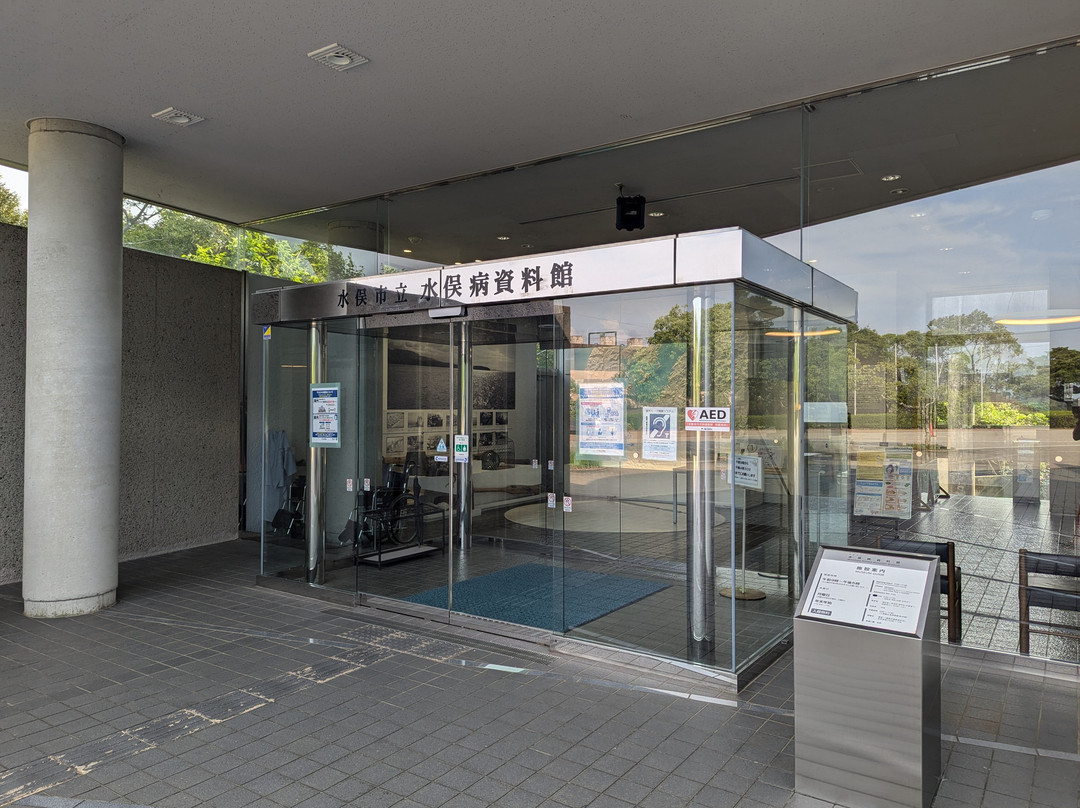
点评:水俣市に立ち寄る機会があれば、必ず訪れるべき資料館、と言っても過言ではないと思う。
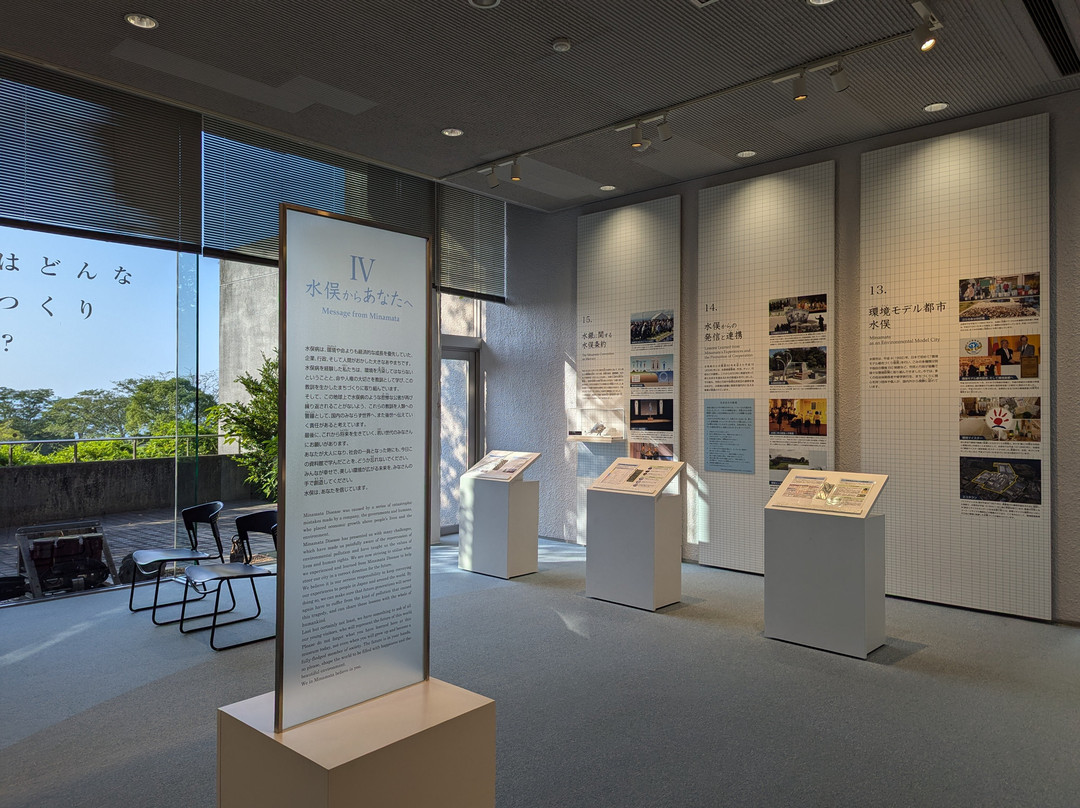
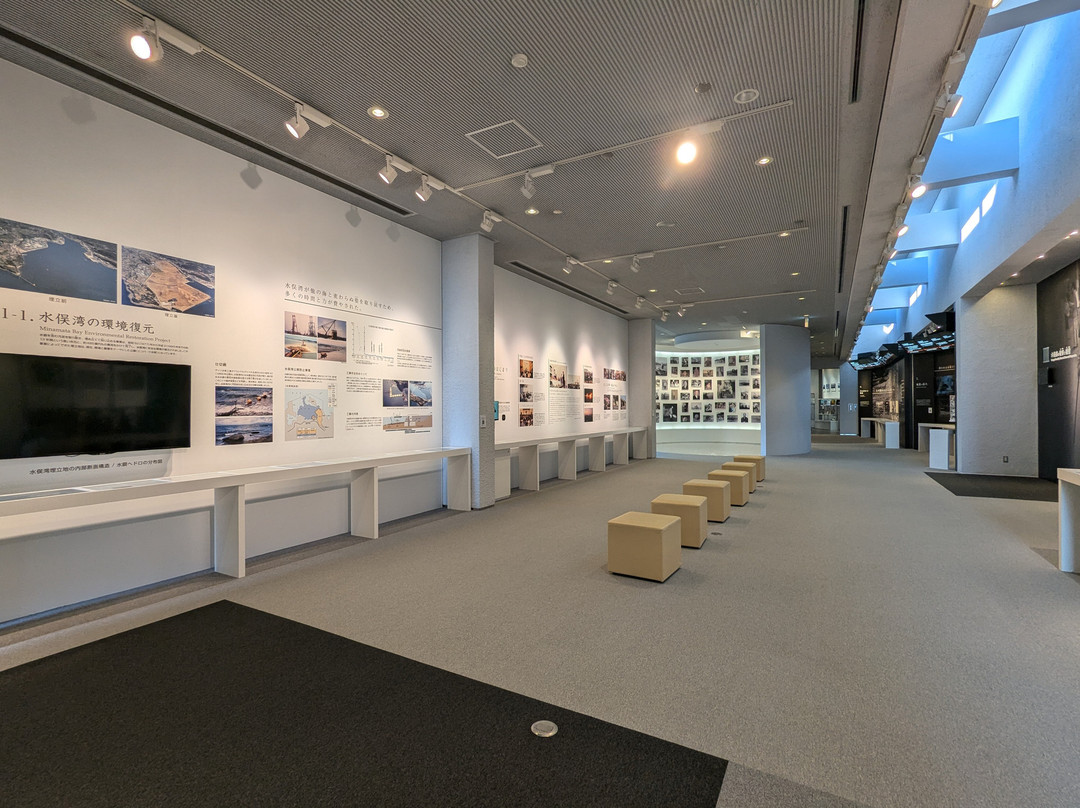
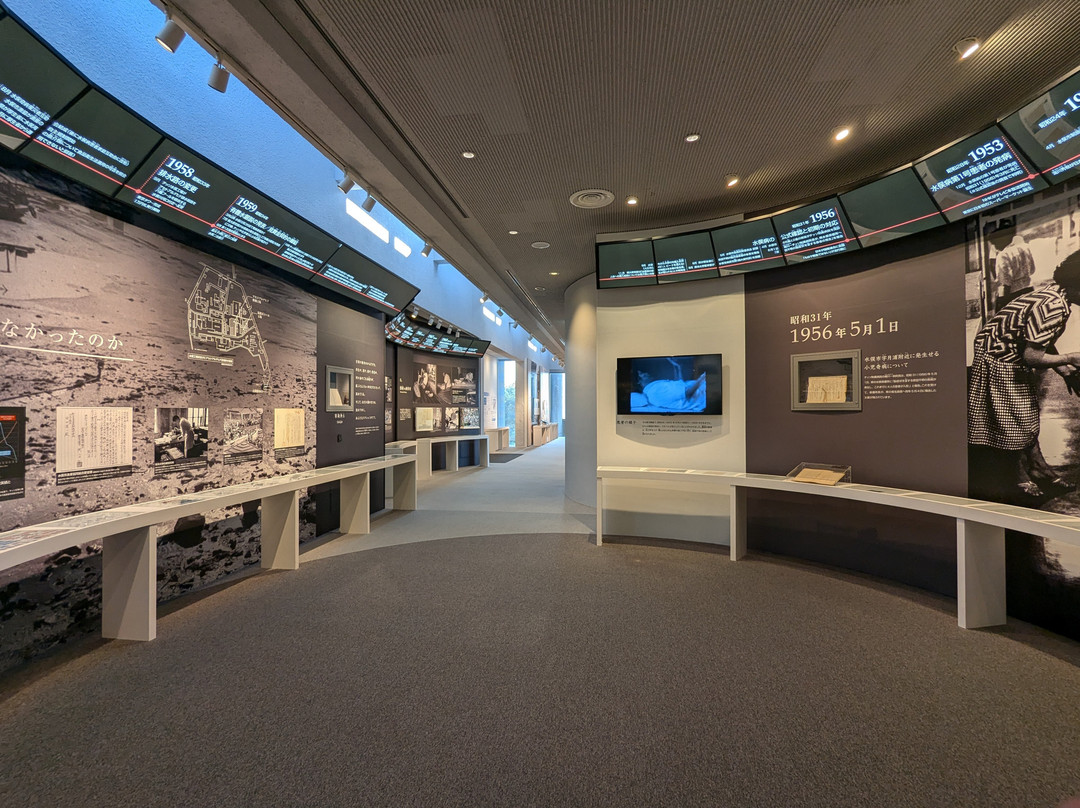
水俣病とは何か、水俣病の原因、対応の遅れ、謂れのない差別や誹謗中傷とそれに市民が立ち向かっていくプロセス、多数の被害者の声、二度とこのような被害が出ないようにするための官民一体となった取り組み、そう言った要素が体系的に分かりやすく展示されている。全ての展示を隅々まで観て回っても1時間程度で済み、しかも誰もが無料で利用できる。
展示の内容も、決して被害を受けた患者の、感情的に偏ったものばかりではない。原因となった廃液を排水した新日本窒素肥料(現:チッソ)も、水俣市の経済発展に寄与した側面も少なからずあり、完全な悪役としての展示ではない。いずれの展示も事実及び科学的根拠をベースとしている。
工業用廃液の基準の厳格化や徹底した排水管理を経て、2000年代に入れば新規に水俣病患者として認定された人は皆無となった。しかしそれでも存命の水俣病患者は多数おり、今も尚水俣病は完全に収束していないことが分かる。この資料館は、風化させてはいけない過去と、二度と水俣病のような公害病を出さないためにどのように取り組んでいけばいいかの未来を提示していると思う。
If you have the opportunity to visit Minamata City, this museum is a must-see. It provides a comprehensive and clear explanation of Minamata disease, including its causes, the delays in addressing the issue, the baseless discrimination and slander faced by victims, and how citizens stood up against these challenges. The museum also highlights the voices of numerous victims and the collaborative efforts by the government and private sectors to prevent such tragedies from happening again.
The exhibits are thoughtfully organized and easy to understand. You can explore the entire museum in about an hour, and admission is free for everyone.
The content is not merely emotionally charged from the victims’ perspective. It also acknowledges the contributions of the company responsible, Shin Nihon Chisso Hiryo (now Chisso Corporation), to the economic development of Minamata City. The exhibits are based on facts and scientific evidence rather than casting any party as a complete villain.
Thanks to stricter regulations on industrial wastewater and thorough water management, no new cases of Minamata disease have been officially recognized since the 2000s. However, many patients are still living with the condition today, showing that the disease is not entirely a thing of the past.
This museum serves as a reminder of a history we must not let fade and offers insights into how we can prevent environmental disasters like Minamata disease in the future.
水俣病とは何か、水俣病の原因、対応の遅れ、謂れのない差別や誹謗中傷とそれに市民が立ち向かっていくプロセス、多数の被害者の声、二度とこのような被害が出ないようにするための官民一体となった取り組み、そう言った要素が体系的に分かりやすく展示されている。全ての展示を隅々まで観て回っても1時間程度で済み、しかも誰もが無料で利用できる。
展示の内容も、決して被害を受けた患者の、感情的に偏ったものばかりではない。原因となった廃液を排水した新日本窒素肥料(現:チッソ)も、水俣市の経済発展に寄与した側面も少なからずあり、完全な悪役としての展示ではない。いずれの展示も事実及び科学的根拠をベースとしている。
工業用廃液の基準の厳格化や徹底した排水管理を経て、2000年代に入れば新規に水俣病患者として認定された人は皆無となった。しかしそれでも存命の水俣病患者は多数おり、今も尚水俣病は完全に収束していないことが分かる。この資料館は、風化させてはいけない過去と、二度と水俣病のような公害病を出さないためにどのように取り組んでいけばいいかの未来を提示していると思う。
If you have the opportunity to visit Minamata City, this museum is a must-see. It provides a comprehensive and clear explanation of Minamata disease, including its causes, the delays in addressing the issue, the baseless discrimination and slander faced by victims, and how citizens stood up against these challenges. The museum also highlights the voices of numerous victims and the collaborative efforts by the government and private sectors to prevent such tragedies from happening again.
The exhibits are thoughtfully organized and easy to understand. You can explore the entire museum in about an hour, and admission is free for everyone.
The content is not merely emotionally charged from the victims’ perspective. It also acknowledges the contributions of the company responsible, Shin Nihon Chisso Hiryo (now Chisso Corporation), to the economic development of Minamata City. The exhibits are based on facts and scientific evidence rather than casting any party as a complete villain.
Thanks to stricter regulations on industrial wastewater and thorough water management, no new cases of Minamata disease have been officially recognized since the 2000s. However, many patients are still living with the condition today, showing that the disease is not entirely a thing of the past.
This museum serves as a reminder of a history we must not let fade and offers insights into how we can prevent environmental disasters like Minamata disease in the future.
翻译:我想,如果你有机会来水俣市的话,说这个博物馆是必去的地方一点也不夸张。
什么是水俣病?水俣病的起因、反应迟缓、无端歧视和诽谤,以及公民反抗的过程、众多受害者的心声,以及如何防止此类损害再次发生。和私营部门正在共同努力实现这一目标,并且系统且清晰地展示了这些要素。从上到下参观完所有展品只需要一个小时左右,而且任何人都可以免费使用。
展览的内容绝不仅限于受害者的带有情感偏见的故事。排放造成问题的废液的日本氮肥公司(现为智索)也在某些方面为水俣市的经济发展做出了贡献,因此它并没有作为一个彻底的恶棍被展现出来。所有展品都有事实和科学依据。
到了2000年代,在工业废水标准更加严格和废水管理彻底之后,没有人被新认定为水俣病患者。但目前仍有不少水俣病患者还活着,可见水俣病尚未完全根除。我认为这个博物馆向我们展示了不应该被遗忘的过去,以及我们应该如何努力防止水俣病等与污染相关的疾病再次发生的未来。
如果您有机会访问水俣市,这个博物馆是必去之地。它全面而清晰地解释了水俣病,包括水俣病的起因、解决问题的拖延、受害者面临的毫无根据的歧视和诽谤,以及有关水俣病的信息。博物馆还强调了众多受害者的声音以及政府和私营部门为防止此类悲剧再次发生而做出的合作努力。
展品精心组织且易于理解,您可以在大约一个小时内探索整个博物馆,并且所有人免费入场。
内容不仅从受害者的角度充满情感,还承认了负责公司新日本智索有限公司(现为智索株式会社)对水俣市经济发展的贡献。展品基于事实和科学证据。而不是将任何一方视为彻头彻尾的恶棍。
由于对工业废水的严格监管和彻底的水管理,自 2000 年代以来,官方没有发现新的水俣病病例。然而,许多患者至今仍患有这种疾病,这表明这种疾病并没有完全成为过去。 。
这个博物馆提醒我们不能让历史褪色,并为我们如何预防未来水俣病等环境灾难提供见解。
什么是水俣病?水俣病的起因、反应迟缓、无端歧视和诽谤,以及公民反抗的过程、众多受害者的心声,以及如何防止此类损害再次发生。和私营部门正在共同努力实现这一目标,并且系统且清晰地展示了这些要素。从上到下参观完所有展品只需要一个小时左右,而且任何人都可以免费使用。
展览的内容绝不仅限于受害者的带有情感偏见的故事。排放造成问题的废液的日本氮肥公司(现为智索)也在某些方面为水俣市的经济发展做出了贡献,因此它并没有作为一个彻底的恶棍被展现出来。所有展品都有事实和科学依据。
到了2000年代,在工业废水标准更加严格和废水管理彻底之后,没有人被新认定为水俣病患者。但目前仍有不少水俣病患者还活着,可见水俣病尚未完全根除。我认为这个博物馆向我们展示了不应该被遗忘的过去,以及我们应该如何努力防止水俣病等与污染相关的疾病再次发生的未来。
如果您有机会访问水俣市,这个博物馆是必去之地。它全面而清晰地解释了水俣病,包括水俣病的起因、解决问题的拖延、受害者面临的毫无根据的歧视和诽谤,以及有关水俣病的信息。博物馆还强调了众多受害者的声音以及政府和私营部门为防止此类悲剧再次发生而做出的合作努力。
展品精心组织且易于理解,您可以在大约一个小时内探索整个博物馆,并且所有人免费入场。
内容不仅从受害者的角度充满情感,还承认了负责公司新日本智索有限公司(现为智索株式会社)对水俣市经济发展的贡献。展品基于事实和科学证据。而不是将任何一方视为彻头彻尾的恶棍。
由于对工业废水的严格监管和彻底的水管理,自 2000 年代以来,官方没有发现新的水俣病病例。然而,许多患者至今仍患有这种疾病,这表明这种疾病并没有完全成为过去。 。
这个博物馆提醒我们不能让历史褪色,并为我们如何预防未来水俣病等环境灾难提供见解。

© 2026 Tripadvisor 版权所有。
部分照片由 VFM Leonardo 提供。
TripAdvisor公司对外部网站的内容一概不负责。优惠价格中不含税和其他费用。
ICP证:沪B2-20200433
沪ICP备20013175号
 沪公网安备31010502005427号
鹰程信息技术(上海)有限公司