下载App
资质规则
旅行
账户

drsathya444
Devine place with disaster managment
Kukke Shree Subramanya Temple的点评
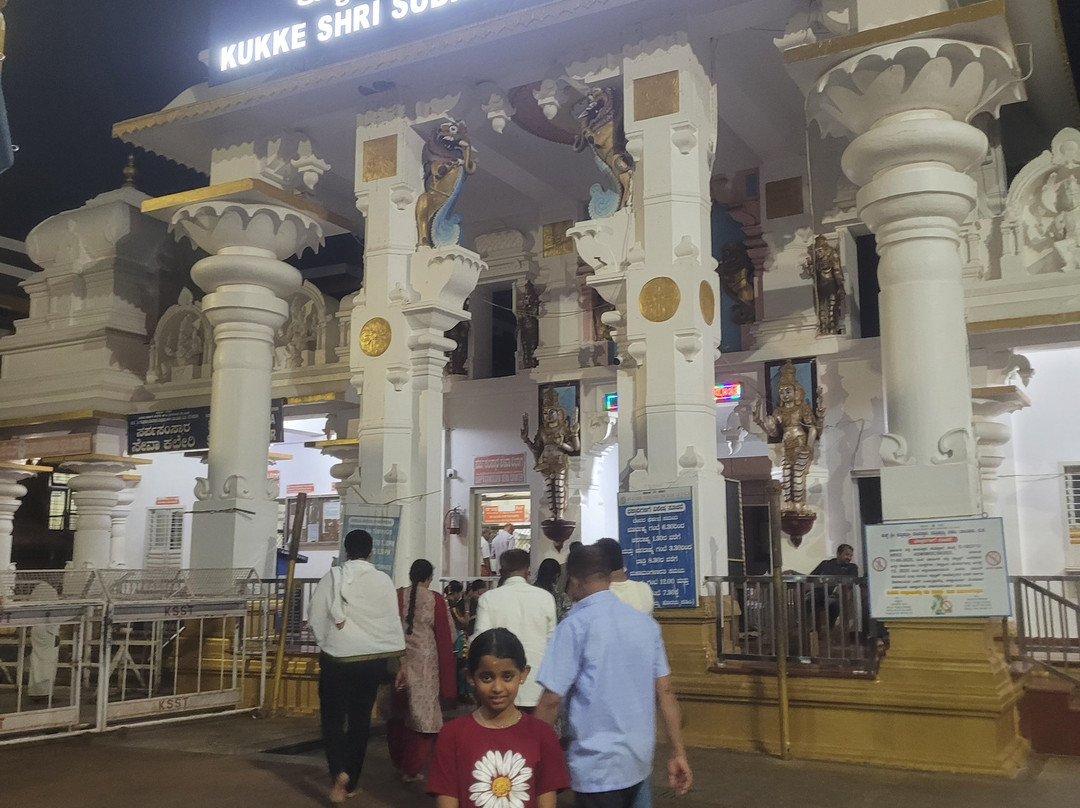
点评:Clearly, one can see the difference between government run temples and privately managed family temples when comparing Kukke Subramanya Temple and Dharmasthala.
The Sarpa Samskara ritual is scheduled for 8:00 AM, but it had not even started by 10:00 AM. Devotees are simply asked to come to the Yaga ritual hall and made to sit for 2–3 hours without any briefing or information about what is going on. People are left waiting without even a hint about the delay.
Bathing in the river is another disaster. A majority of devotees bathe half-naked, use soap and shampoo in the river, and leave behind undergarments, plastic bottles, and other waste. This turns what should be a sacred and clean bathing place into a filthy area.
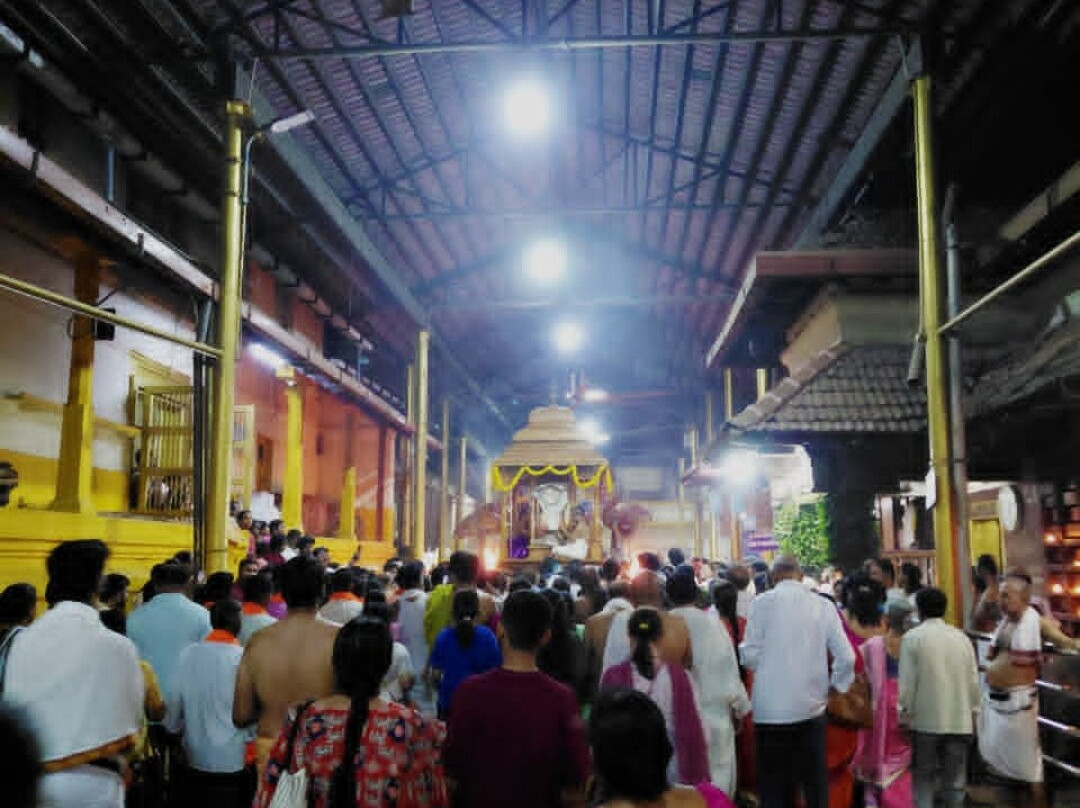
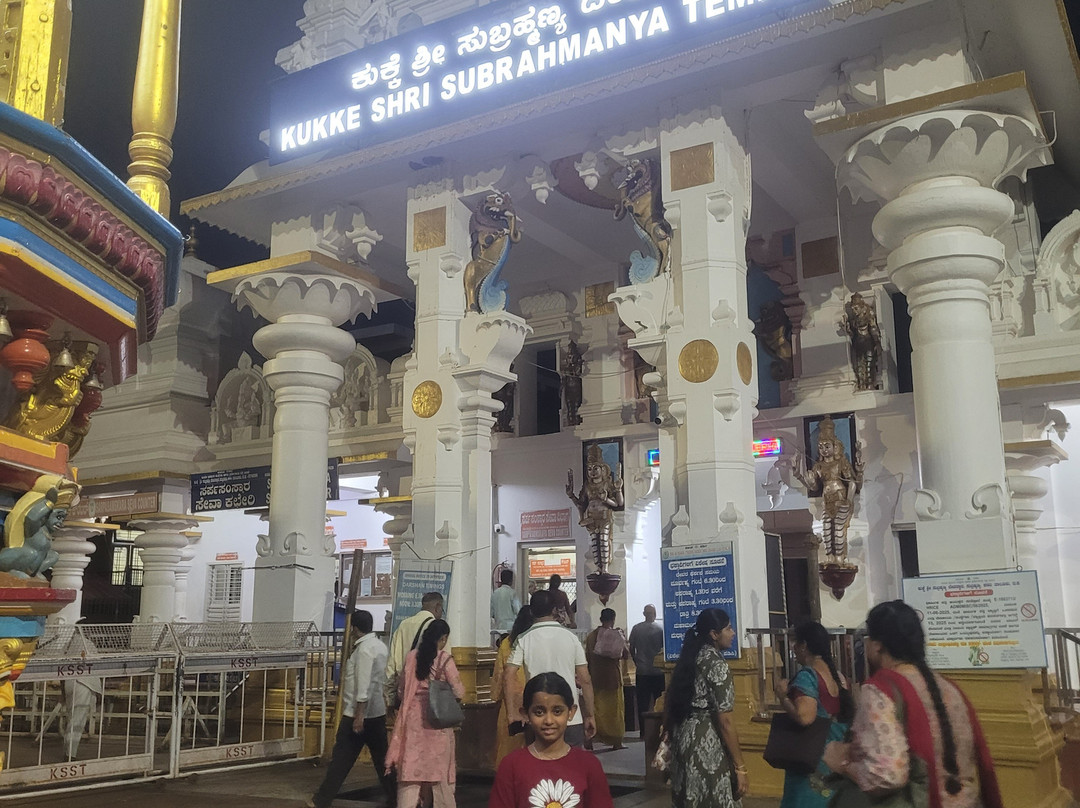
The buildings including the dining hall and the Yaga ritual hall have peeling paint and look old and poorly maintained, creating a rather negative atmosphere. It almost feels as if the temple administrative officer is on holiday somewhere else. In his absence, the employees appear disorganized: everyone assumes someone else is doing the work, but in reality, no one seems to be doing their job properly.
The Sarpa Samskara ritual costs ₹4,200 per family, and with more than 200 devotees participating, a significant amount of money is collected. Yet, despite this revenue, there seems to be little visible effort from either the government or the temple management to maintain facilities or improve the devotees’ experience.
The Sarpa Samskara ritual is scheduled for 8:00 AM, but it had not even started by 10:00 AM. Devotees are simply asked to come to the Yaga ritual hall and made to sit for 2–3 hours without any briefing or information about what is going on. People are left waiting without even a hint about the delay.
Bathing in the river is another disaster. A majority of devotees bathe half-naked, use soap and shampoo in the river, and leave behind undergarments, plastic bottles, and other waste. This turns what should be a sacred and clean bathing place into a filthy area.
The buildings including the dining hall and the Yaga ritual hall have peeling paint and look old and poorly maintained, creating a rather negative atmosphere. It almost feels as if the temple administrative officer is on holiday somewhere else. In his absence, the employees appear disorganized: everyone assumes someone else is doing the work, but in reality, no one seems to be doing their job properly.
The Sarpa Samskara ritual costs ₹4,200 per family, and with more than 200 devotees participating, a significant amount of money is collected. Yet, despite this revenue, there seems to be little visible effort from either the government or the temple management to maintain facilities or improve the devotees’ experience.
翻译:库克·苏布拉马尼亚寺和达摩斯塔拉寺之间的差异显而易见,政府运营的寺庙与私人管理的家族寺庙截然不同。
蛇祭仪式(Sarpa Samskara)原定于早上8点开始,但到了10点仍未开始。信徒们被直接叫到祭祀大厅,然后就被要求坐上两三个小时,没有任何关于仪式内容的说明或信息。人们就这样干等着,却连延迟的原因都不知道。
在河里沐浴更是糟糕透顶。大多数信徒半裸着身子,在河里使用肥皂和洗发水,然后把内衣、塑料瓶和其他垃圾留在河里。这把原本应该神圣洁净的沐浴场所变成了肮脏不堪的地方。
包括餐厅和祭祀大厅在内的建筑油漆剥落,看起来老旧破败,维护不善,营造出一种令人压抑的氛围。感觉寺庙的管理人员好像在度假一样。他不在的时候,员工们显得很混乱:每个人都以为有人在干活,但实际上,似乎没有人认真做好自己的工作。
蛇祭仪式(Sarpa Samskara)每个家庭需要花费4200卢比,由于有200多名信徒参加,因此筹集到的资金相当可观。然而,尽管收入颇丰,政府和寺庙管理方似乎都没有采取任何措施来维护设施或改善信徒的体验。
蛇祭仪式(Sarpa Samskara)原定于早上8点开始,但到了10点仍未开始。信徒们被直接叫到祭祀大厅,然后就被要求坐上两三个小时,没有任何关于仪式内容的说明或信息。人们就这样干等着,却连延迟的原因都不知道。
在河里沐浴更是糟糕透顶。大多数信徒半裸着身子,在河里使用肥皂和洗发水,然后把内衣、塑料瓶和其他垃圾留在河里。这把原本应该神圣洁净的沐浴场所变成了肮脏不堪的地方。
包括餐厅和祭祀大厅在内的建筑油漆剥落,看起来老旧破败,维护不善,营造出一种令人压抑的氛围。感觉寺庙的管理人员好像在度假一样。他不在的时候,员工们显得很混乱:每个人都以为有人在干活,但实际上,似乎没有人认真做好自己的工作。
蛇祭仪式(Sarpa Samskara)每个家庭需要花费4200卢比,由于有200多名信徒参加,因此筹集到的资金相当可观。然而,尽管收入颇丰,政府和寺庙管理方似乎都没有采取任何措施来维护设施或改善信徒的体验。

© 2026 Tripadvisor 版权所有。
部分照片由 VFM Leonardo 提供。
TripAdvisor公司对外部网站的内容一概不负责。优惠价格中不含税和其他费用。
ICP证:沪B2-20200433
沪ICP备20013175号
 沪公网安备31010502005427号
鹰程信息技术(上海)有限公司