下载App
资质规则
旅行
账户
Mairwen1
18
The Curious Case of the Crossed Legged Crusaders
St. Andrew's Church的点评
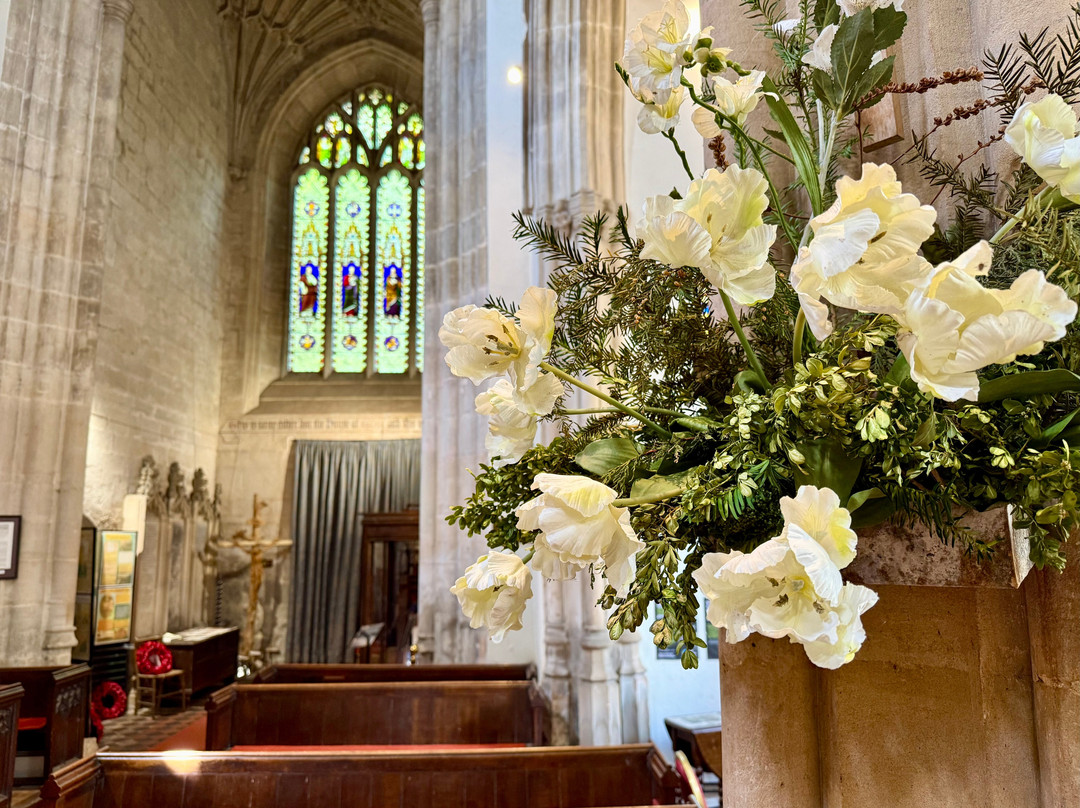
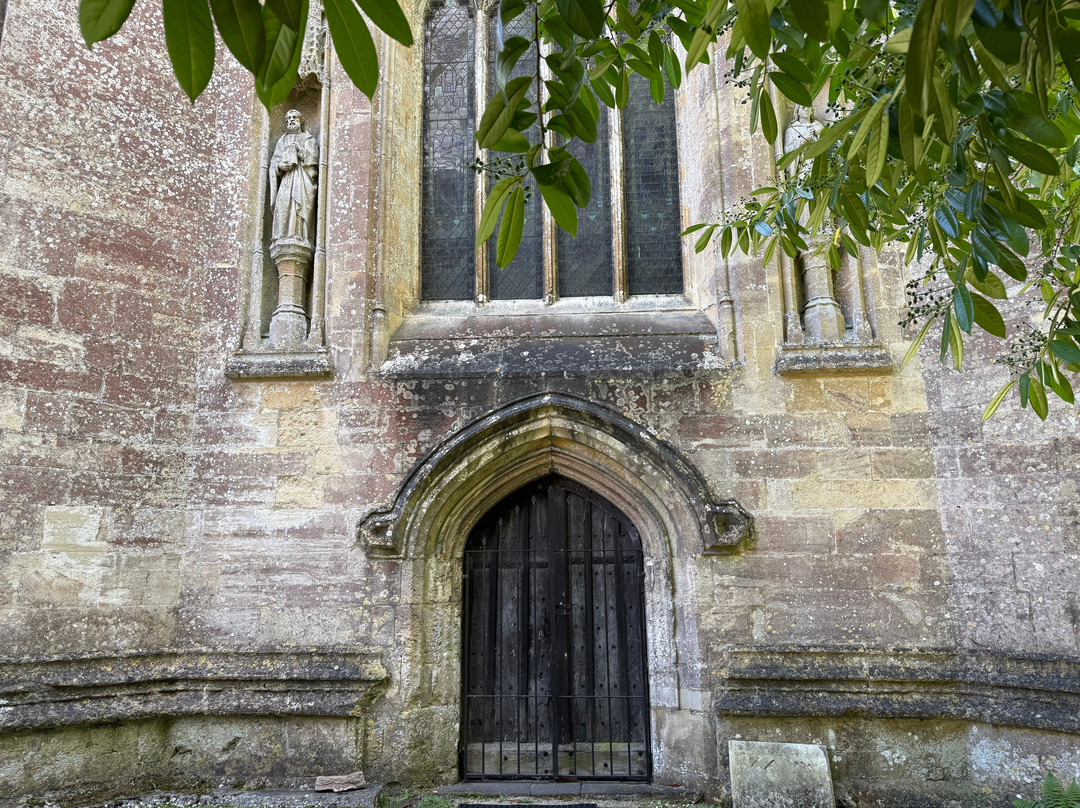
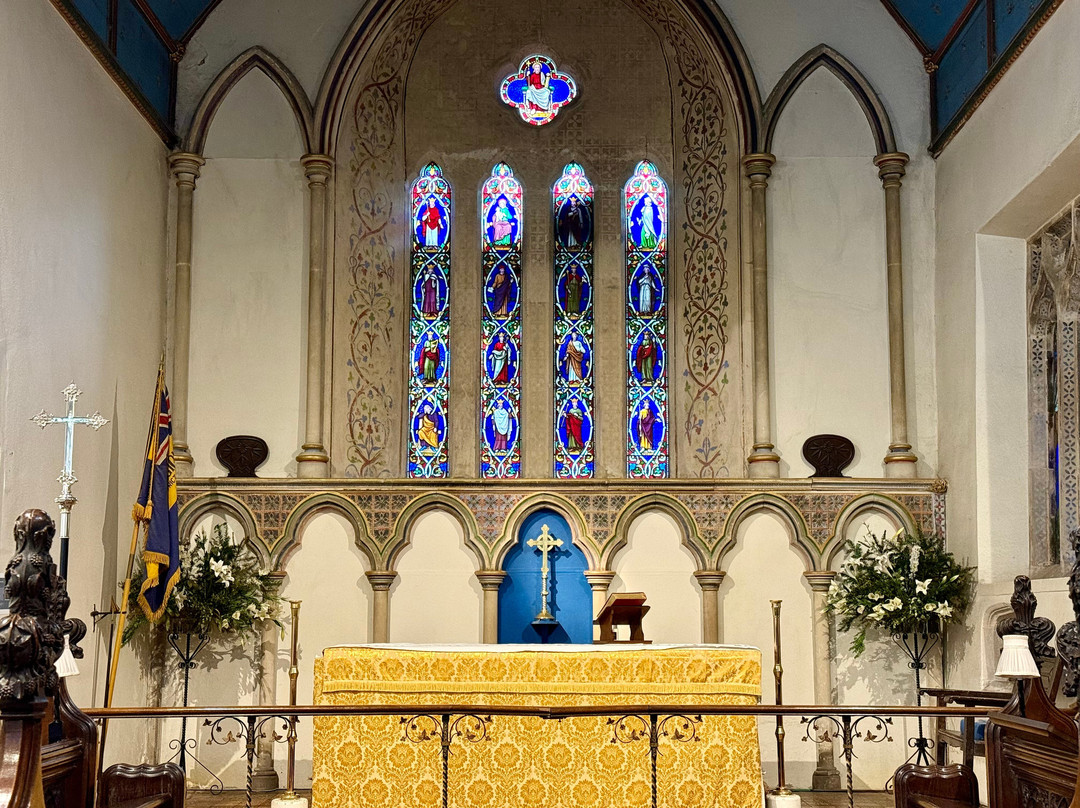
点评:Built in the 13th century, St Andrew’s Church stands in the centre of tiny Castle Combe village. When we were there recently, a lot of work was being done to the exterior so we couldn’t see a lot of it but we were still able to go inside.
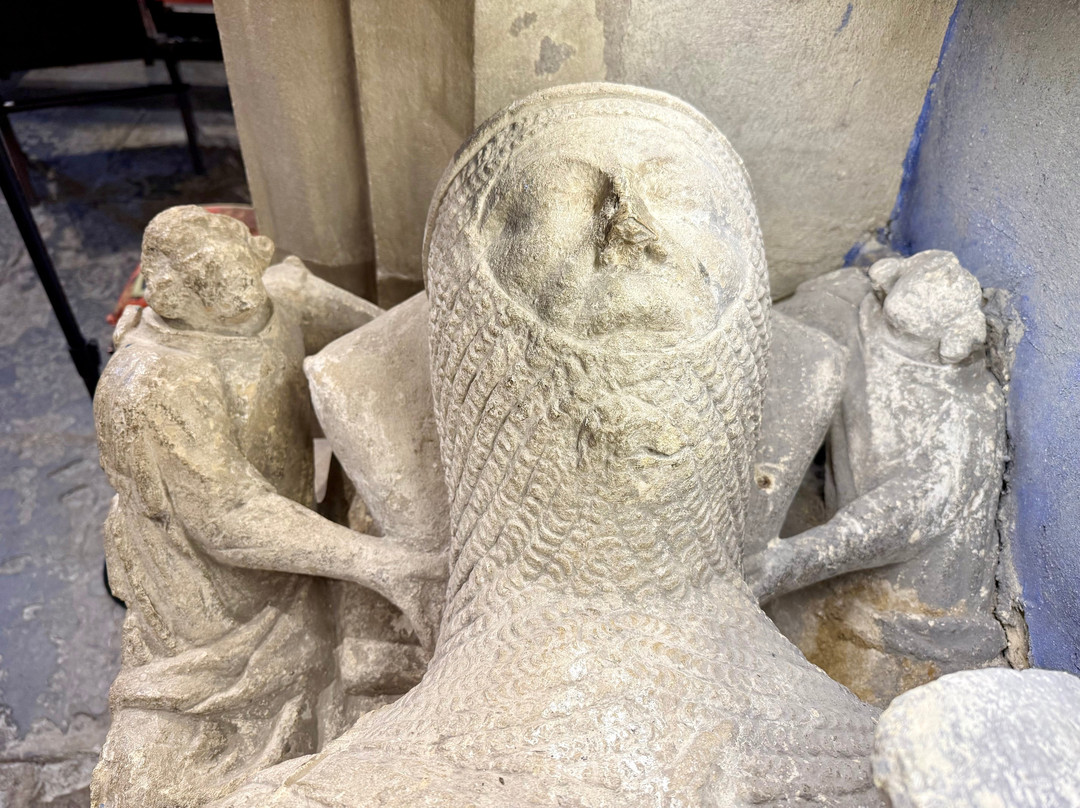
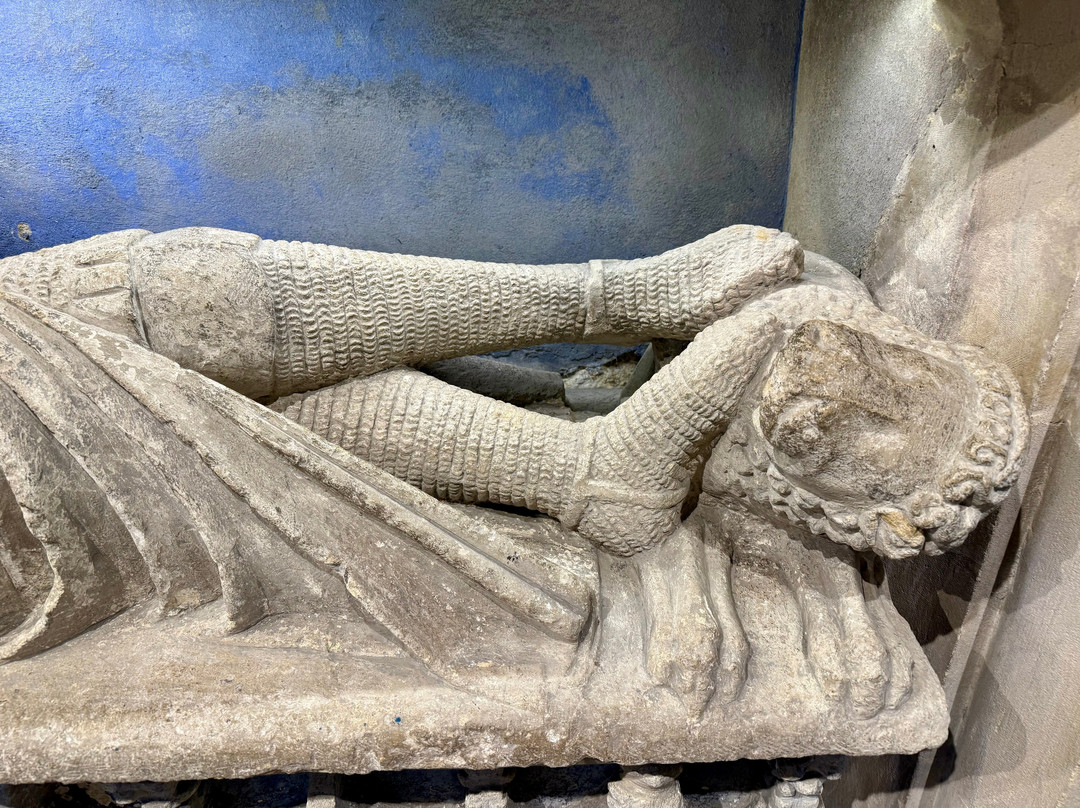
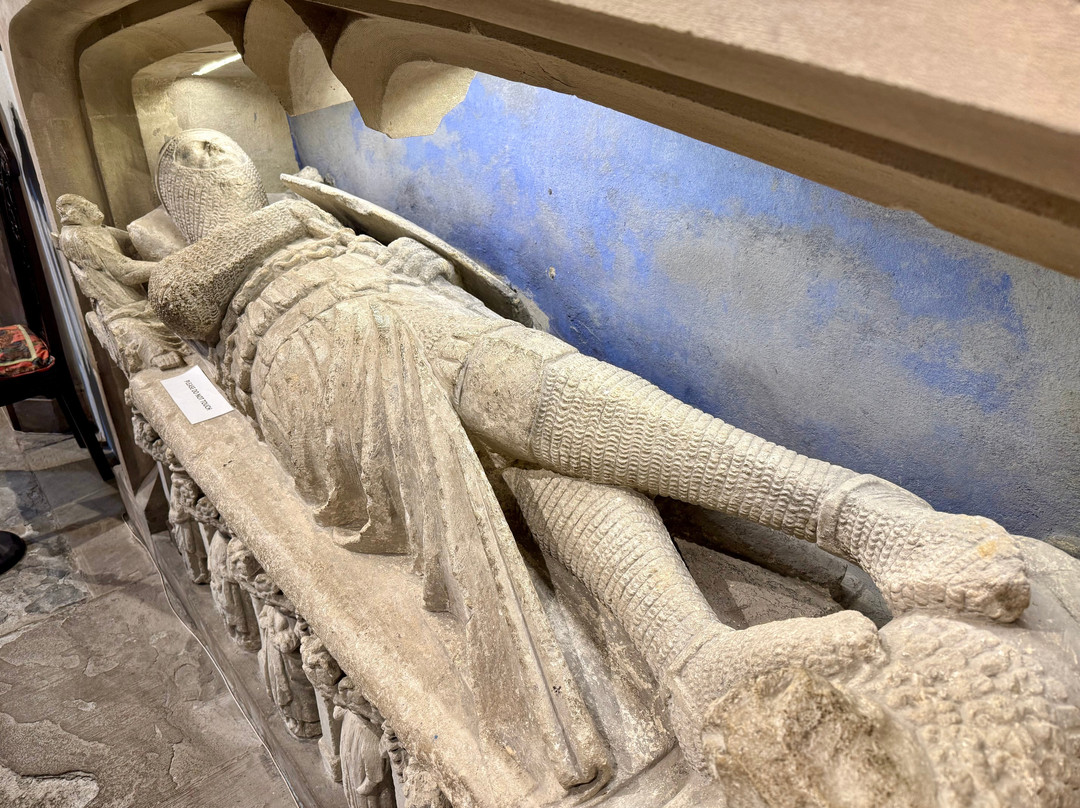
The most interesting feature inside is the elaborate tomb of the Norman knight, Sir Walter de Dunstanville, Baron of Castle Combe who died in 1270. A detailed carved stone monument of Sir Walter shows him wearing a knight’s armour, lying with one arm across his chest drawing his sword and the other, holding his shield.
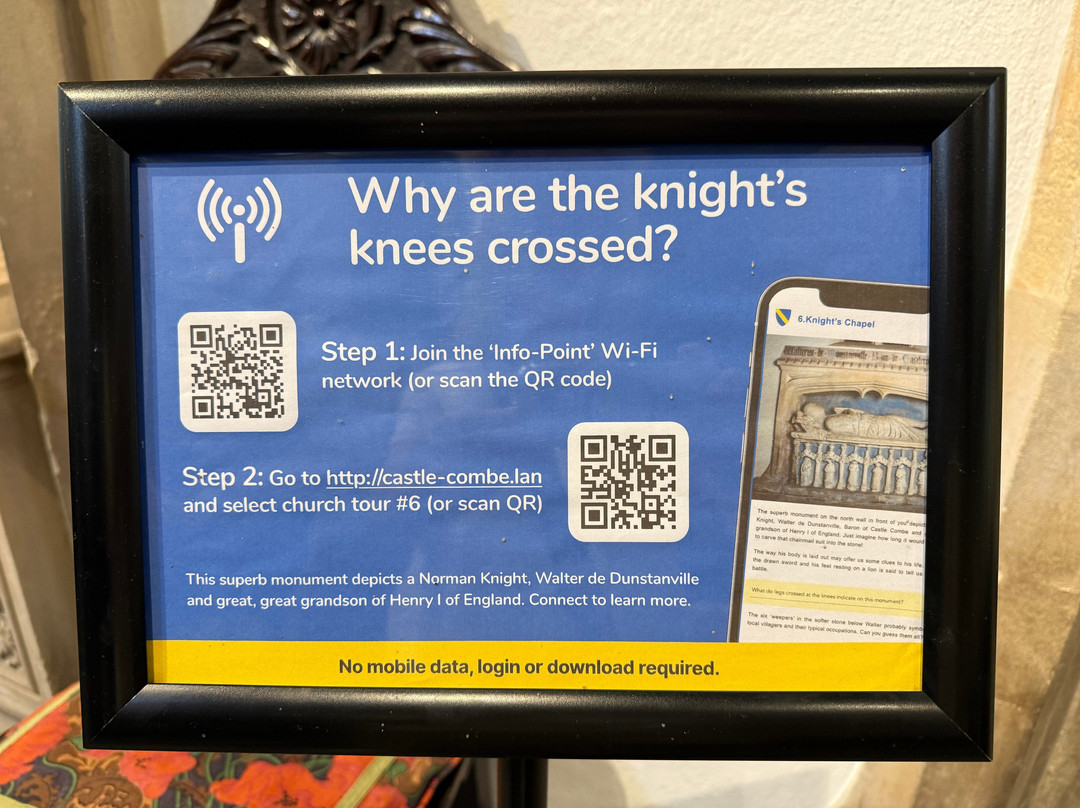
Curiously, his legs are crossed at the knees in a ballerina-like pose. It's a strange pose. A sign next to the tomb has a QR code that explains that this cross-legged position meant that Sir Walter had been on two crusades. Crossed legs at the ankles indicated one crusade but crossed legs at the knee, like Sir Walter's, signified two.
That seemed like a nice little bit of trivia to store away in our memories but we have since learnt that this idea doesn’t hold a lot of currency any more. Scholars have rubbished it, pointing out plenty of crusaders’ tombs where the legs are not crossed and other tombs where the person never left England but still has crossed legs anyway.
The most interesting feature inside is the elaborate tomb of the Norman knight, Sir Walter de Dunstanville, Baron of Castle Combe who died in 1270. A detailed carved stone monument of Sir Walter shows him wearing a knight’s armour, lying with one arm across his chest drawing his sword and the other, holding his shield.
Curiously, his legs are crossed at the knees in a ballerina-like pose. It's a strange pose. A sign next to the tomb has a QR code that explains that this cross-legged position meant that Sir Walter had been on two crusades. Crossed legs at the ankles indicated one crusade but crossed legs at the knee, like Sir Walter's, signified two.
That seemed like a nice little bit of trivia to store away in our memories but we have since learnt that this idea doesn’t hold a lot of currency any more. Scholars have rubbished it, pointing out plenty of crusaders’ tombs where the legs are not crossed and other tombs where the person never left England but still has crossed legs anyway.
翻译:圣安德鲁教堂建于13世纪,坐落在卡斯尔库姆小村庄的中心。我们最近去的时候,教堂外墙正在进行大规模修缮,所以我们没能看到教堂内部的大部分,但还是进去参观了。
教堂内最引人注目的是诺曼骑士沃尔特·德·邓斯坦维尔爵士(卡斯尔库姆男爵)的精美陵墓,他于1270年去世。沃尔特爵士的石雕纪念碑栩栩如生,他身着骑士盔甲,一只手臂横放在胸前,拔出宝剑,另一只手握着盾牌。
奇怪的是,他的双腿膝盖交叉,摆出芭蕾舞演员般的姿势。这是一个奇特的姿势。陵墓旁的标牌上有一个二维码,解释说这种交叉双腿的姿势意味着沃尔特爵士参加过两次十字军东征。脚踝交叉表示参加过一次十字军东征,而像沃尔特爵士这样膝盖交叉的姿势则表示参加过两次。
这似乎是个值得记在脑海里的有趣小知识,但我们后来了解到,这种说法早已过时。学者们驳斥了这种观点,指出许多十字军战士的墓碑上,死者的双腿并没有交叉;还有一些墓碑上的死者生前从未离开过英国,但双腿依然交叉。
教堂内最引人注目的是诺曼骑士沃尔特·德·邓斯坦维尔爵士(卡斯尔库姆男爵)的精美陵墓,他于1270年去世。沃尔特爵士的石雕纪念碑栩栩如生,他身着骑士盔甲,一只手臂横放在胸前,拔出宝剑,另一只手握着盾牌。
奇怪的是,他的双腿膝盖交叉,摆出芭蕾舞演员般的姿势。这是一个奇特的姿势。陵墓旁的标牌上有一个二维码,解释说这种交叉双腿的姿势意味着沃尔特爵士参加过两次十字军东征。脚踝交叉表示参加过一次十字军东征,而像沃尔特爵士这样膝盖交叉的姿势则表示参加过两次。
这似乎是个值得记在脑海里的有趣小知识,但我们后来了解到,这种说法早已过时。学者们驳斥了这种观点,指出许多十字军战士的墓碑上,死者的双腿并没有交叉;还有一些墓碑上的死者生前从未离开过英国,但双腿依然交叉。

© 2026 Tripadvisor 版权所有。
部分照片由 VFM Leonardo 提供。
TripAdvisor公司对外部网站的内容一概不负责。优惠价格中不含税和其他费用。
ICP证:沪B2-20200433
沪ICP备20013175号
 沪公网安备31010502005427号
鹰程信息技术(上海)有限公司