下载App
资质规则
旅行
账户
ITRT
Three Tables
普普科亚海滨公园的点评
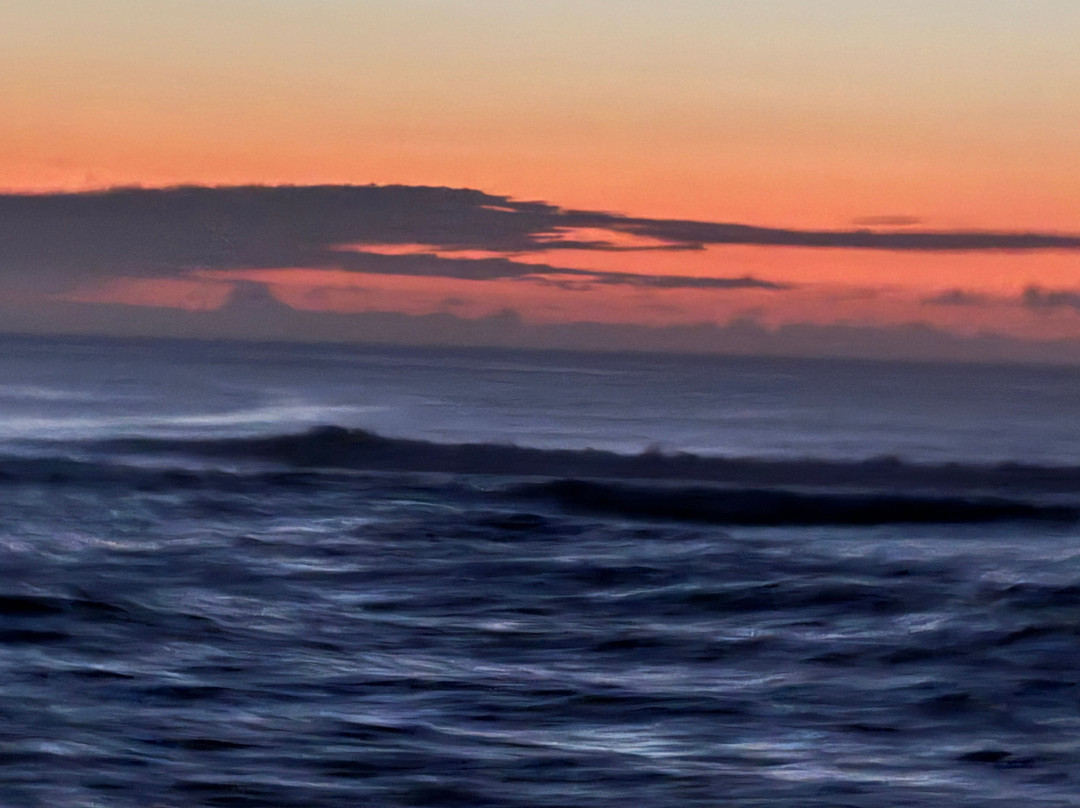
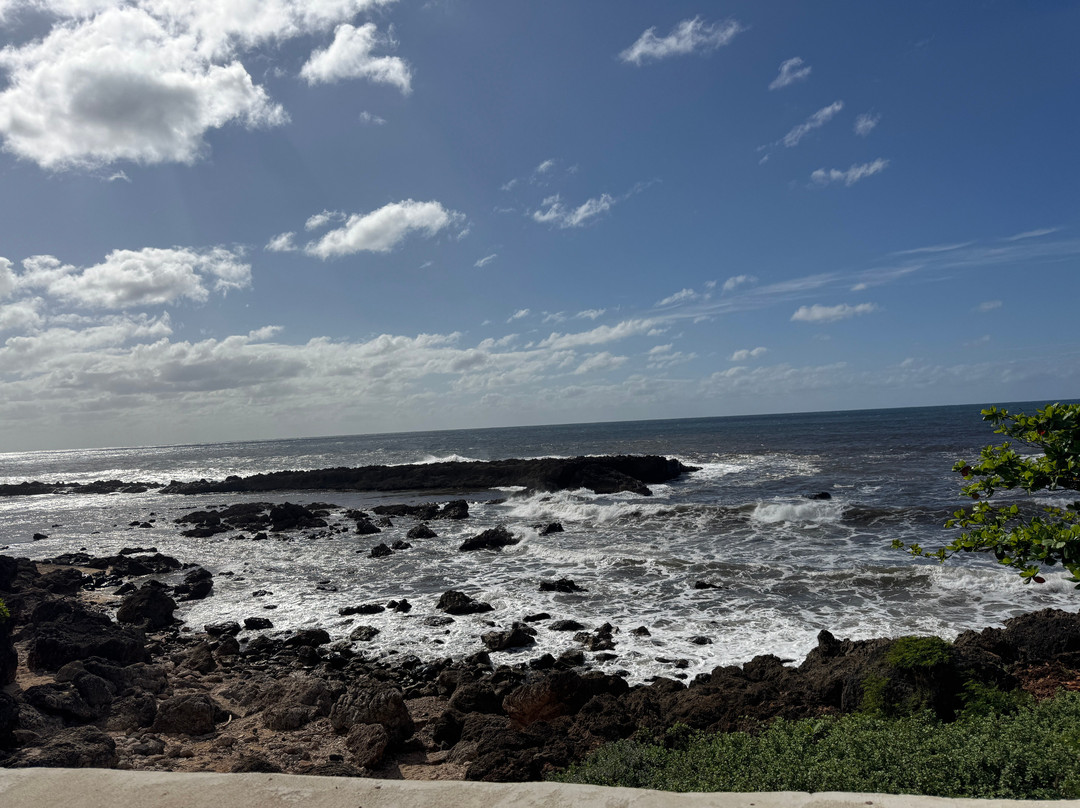
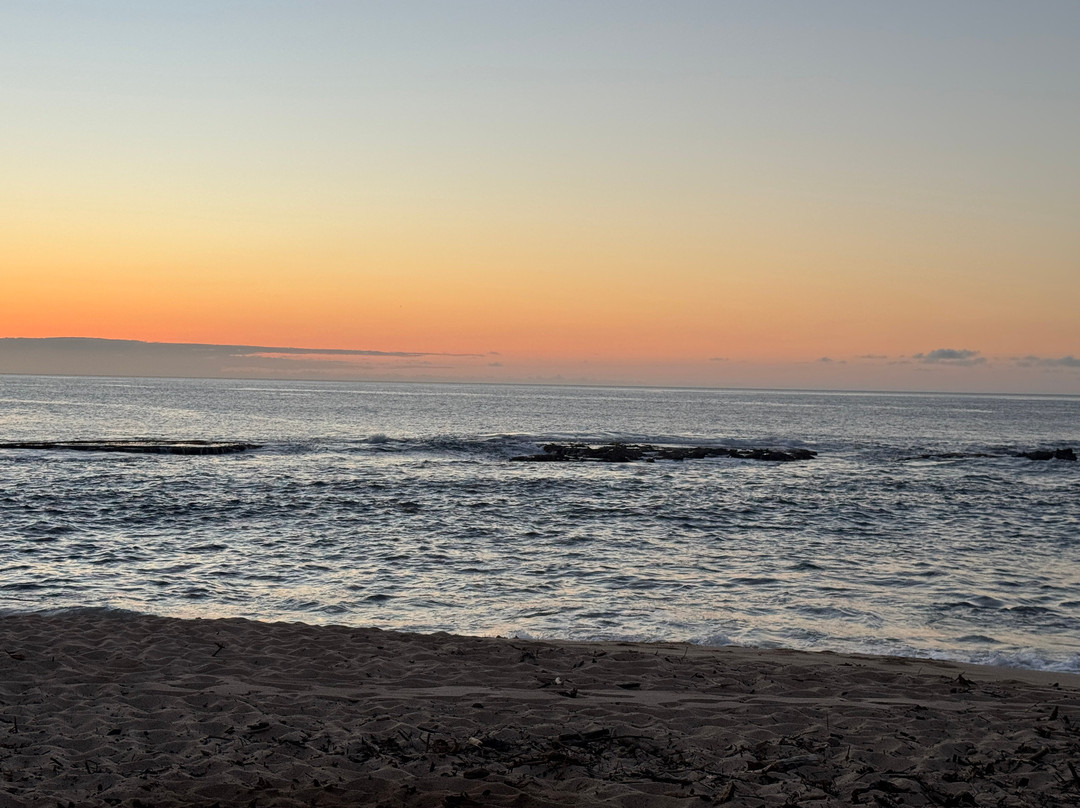
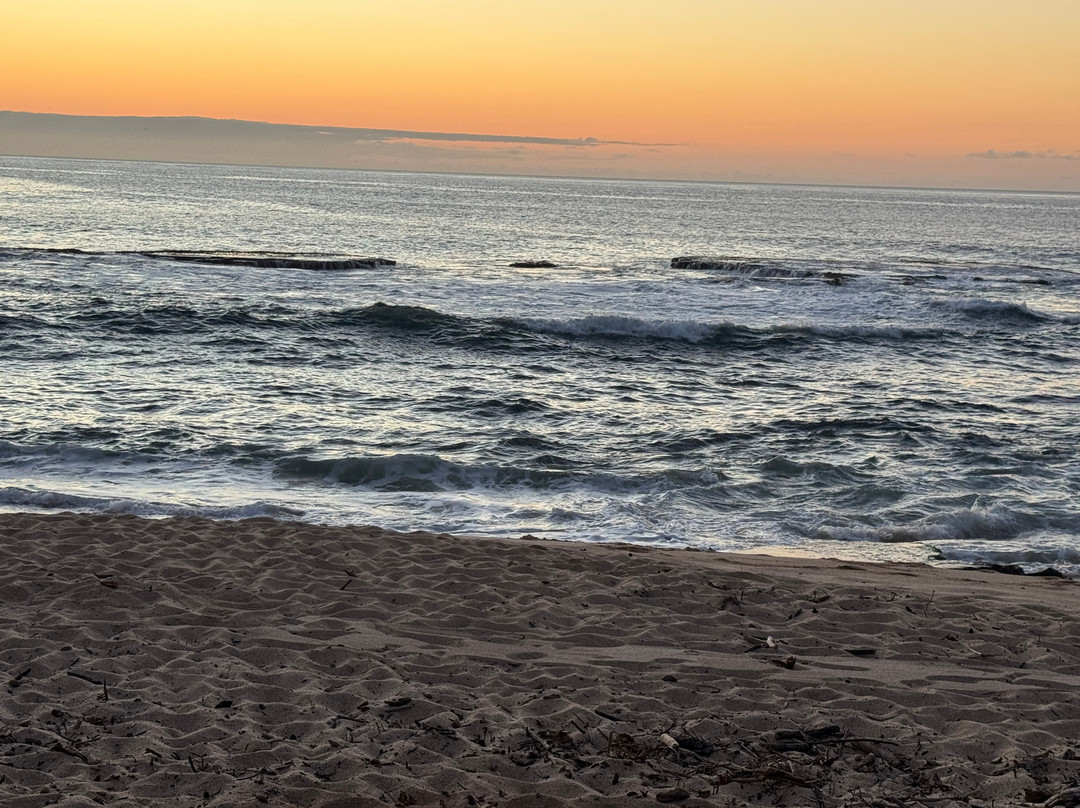
点评:One thing that confused me about Oahu is that a place can be known by two different names. Pūpūkea Beach Park, a free public access beach, is on Oahu’s North Shore is sometimes referred to as “Three Tables”. The park has a nice sandy beach, ideal for relaxing and watching the sun set. Three Tables is so called because of the three flat reefs that can be seen off the beach. They are quite visible during low tide. Hence the name “Three Tables”. It is located between the surf breaks of Sharks Cove and Waimea Bay. Tidal pools are formed when the tide retreats offering all a close-up view of a thriving marine life. Lava rocks surround the beach which provide a protective barrier forming tide pools for children and adults to enjoy as well as protecting swimmers and snorkelers from currents and swells.
Doing some research after our visit, I learned the tables are estimated to be over 80 million years old and are remnants of a volcanic crater. In Hawaiian, the name Puapua translates to “flat rock of pig”. The rock formations look like a pig’s snout. For ancient Hawaiians, these reefs were used for fishing and as places for prayers.
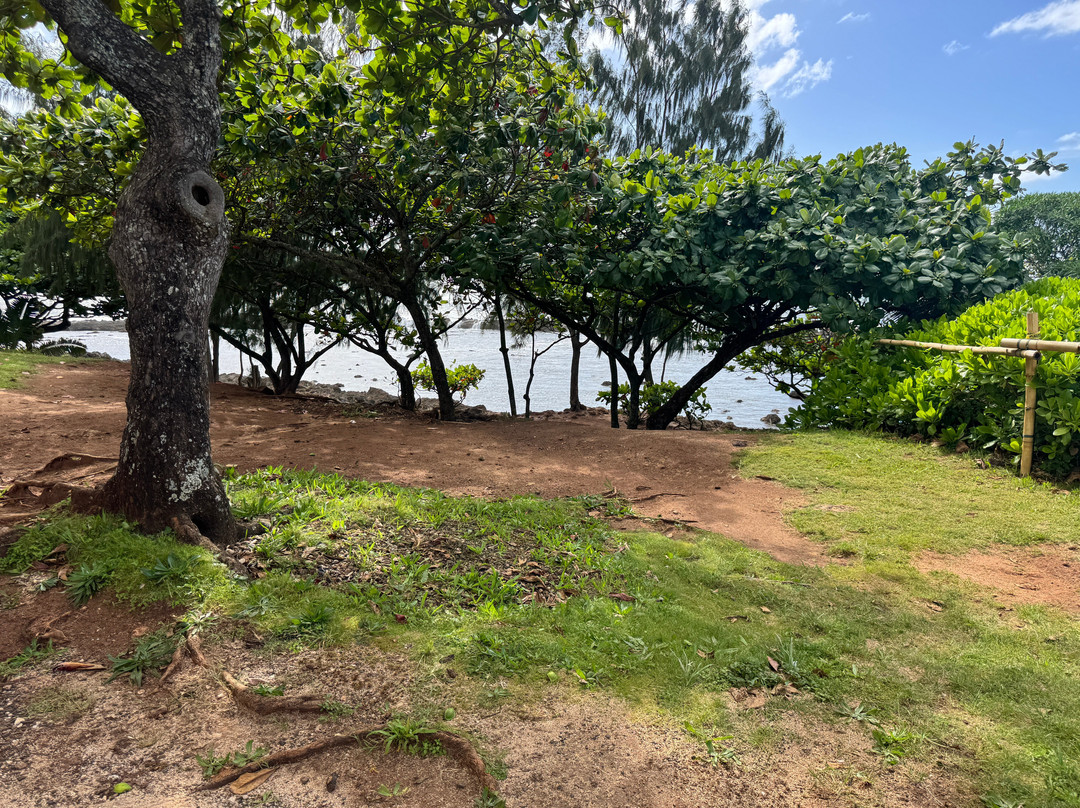
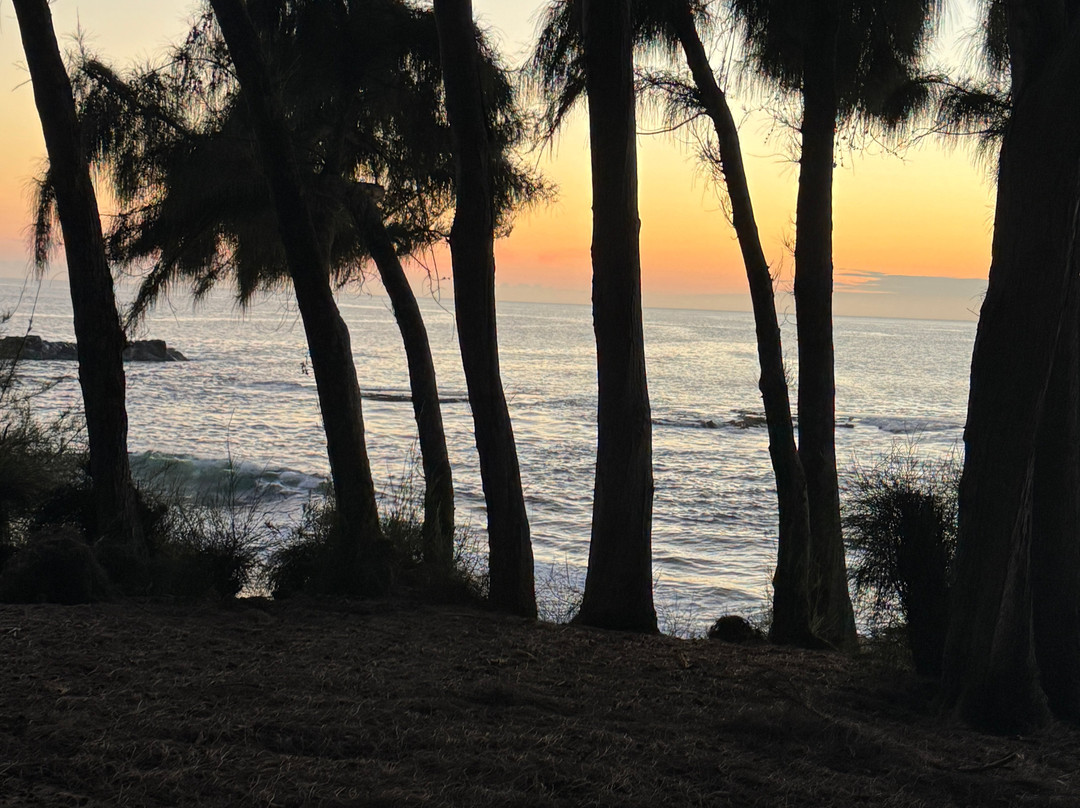
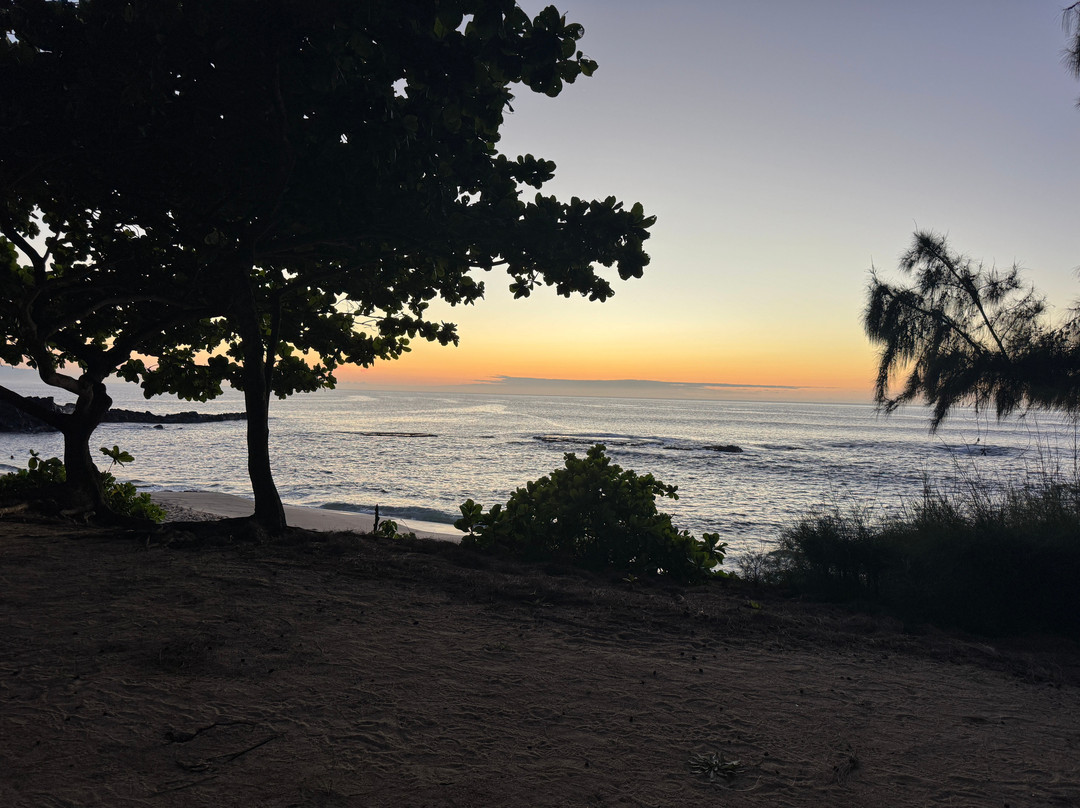
The beach is a short walk from a small parking lot. There are trees lining the edge of the beach. A must place to visit if you are looking for a less crowded beach on Oahu.
Doing some research after our visit, I learned the tables are estimated to be over 80 million years old and are remnants of a volcanic crater. In Hawaiian, the name Puapua translates to “flat rock of pig”. The rock formations look like a pig’s snout. For ancient Hawaiians, these reefs were used for fishing and as places for prayers.
The beach is a short walk from a small parking lot. There are trees lining the edge of the beach. A must place to visit if you are looking for a less crowded beach on Oahu.
翻译:欧胡岛有一点让我很困惑,那就是同一个地方可能有两个不同的名字。普普凯亚海滩公园(Pūpūkea Beach Park)位于欧胡岛北岸,是一个免费的公共海滩,有时也被称为“三桌礁”(Three Tables)。公园拥有美丽的沙滩,是放松身心、欣赏日落的理想场所。之所以被称为“三桌礁”,是因为海滩附近可以看到三块平坦的礁石。退潮时,这些礁石清晰可见,因此得名“三桌礁”。它位于鲨鱼湾(Sharks Cove)和威美亚湾(Waimea Bay)的冲浪点之间。退潮时,潮水会形成潮汐池,让游客可以近距离观察生机勃勃的海洋生物。海滩周围环绕着熔岩石,形成了一道天然屏障,既为儿童和成人提供了嬉戏玩耍的潮汐池,也保护了游泳者和浮潜者免受水流和涌浪的侵袭。
参观结束后,我查阅了一些资料,了解到这些石板据估计已有超过8000万年的历史,是火山喷发后形成的火山口遗迹。在夏威夷语中,“Puapua”的意思是“猪的扁平岩石”。这些岩石的形状酷似猪的鼻子。对于古代夏威夷人来说,这些礁石既是捕鱼的场所,也是祈祷的场所。
从小型停车场步行不远即可到达海滩。海滩边缘绿树成荫。如果您想在瓦胡岛寻找一处人迹罕至的海滩,这里绝对是您的不二之选。
参观结束后,我查阅了一些资料,了解到这些石板据估计已有超过8000万年的历史,是火山喷发后形成的火山口遗迹。在夏威夷语中,“Puapua”的意思是“猪的扁平岩石”。这些岩石的形状酷似猪的鼻子。对于古代夏威夷人来说,这些礁石既是捕鱼的场所,也是祈祷的场所。
从小型停车场步行不远即可到达海滩。海滩边缘绿树成荫。如果您想在瓦胡岛寻找一处人迹罕至的海滩,这里绝对是您的不二之选。

© 2026 Tripadvisor 版权所有。
部分照片由 VFM Leonardo 提供。
TripAdvisor公司对外部网站的内容一概不负责。优惠价格中不含税和其他费用。
ICP证:沪B2-20200433
沪ICP备20013175号
 沪公网安备31010502005427号
鹰程信息技术(上海)有限公司