下载App
资质规则
旅行
账户
Asiyah Noemi K
11
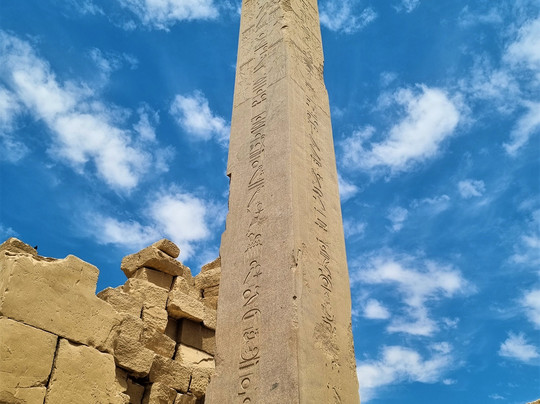
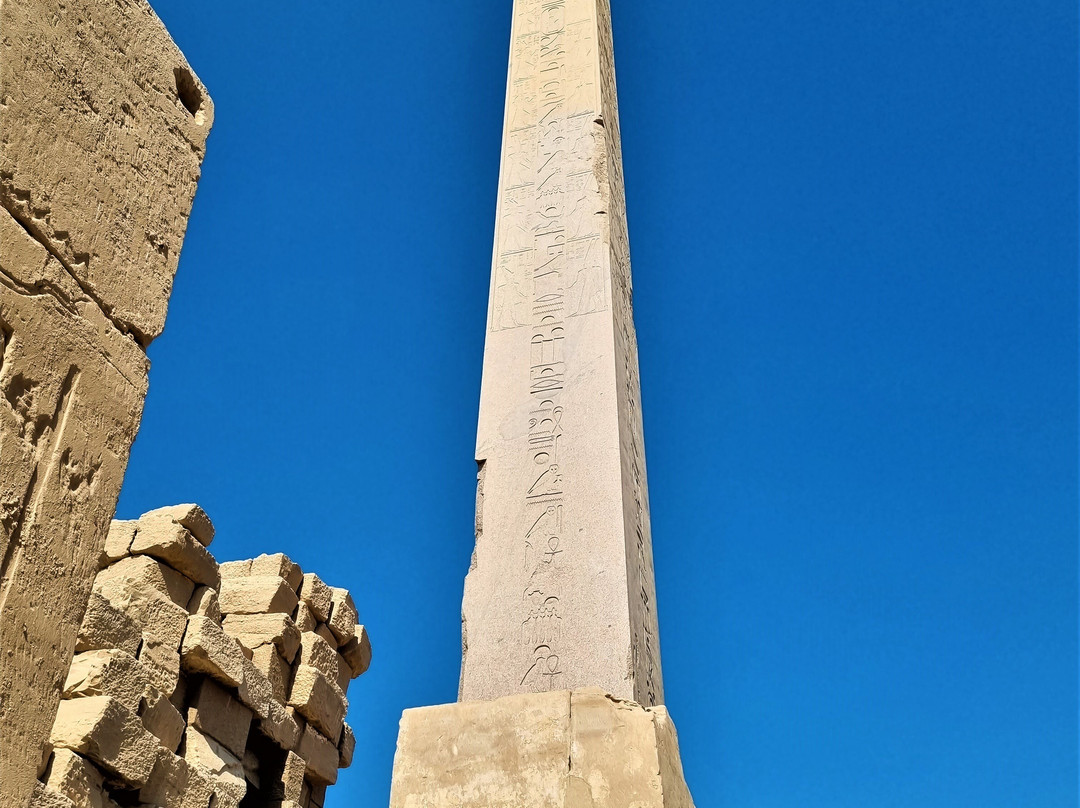
Wonderful obelisk of Queen Hatshepsut at Karnak
Obelisk of Queen Hapshetsut,的点评
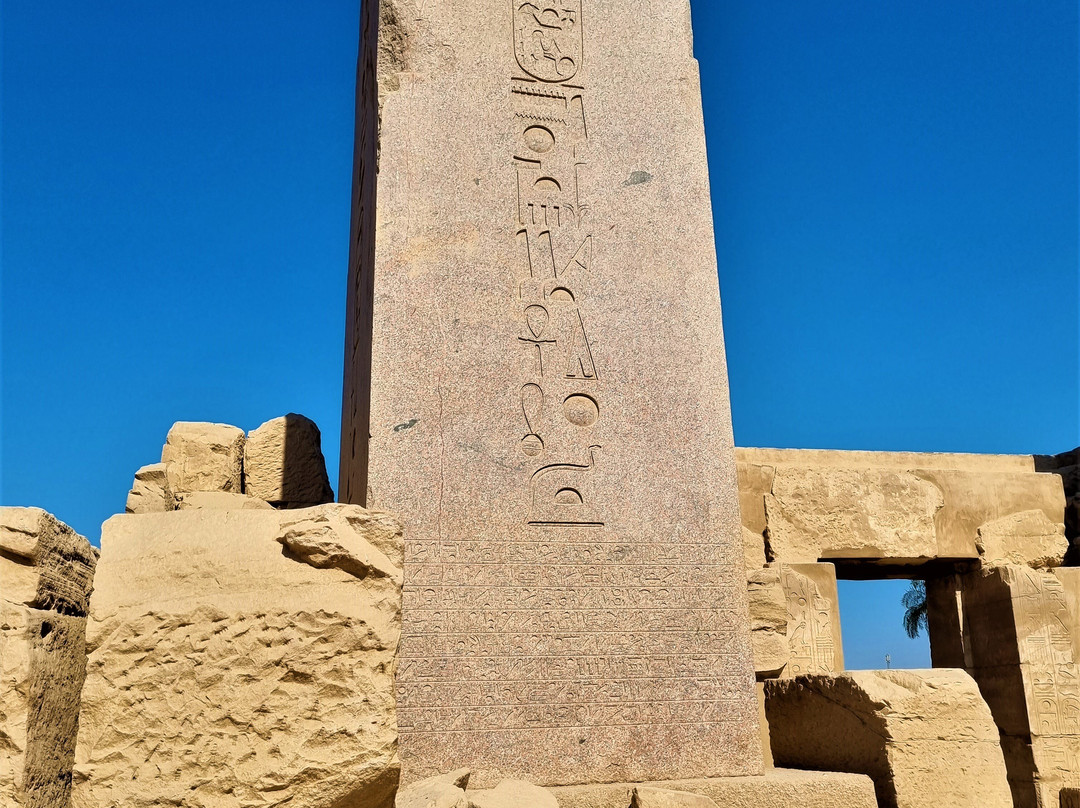
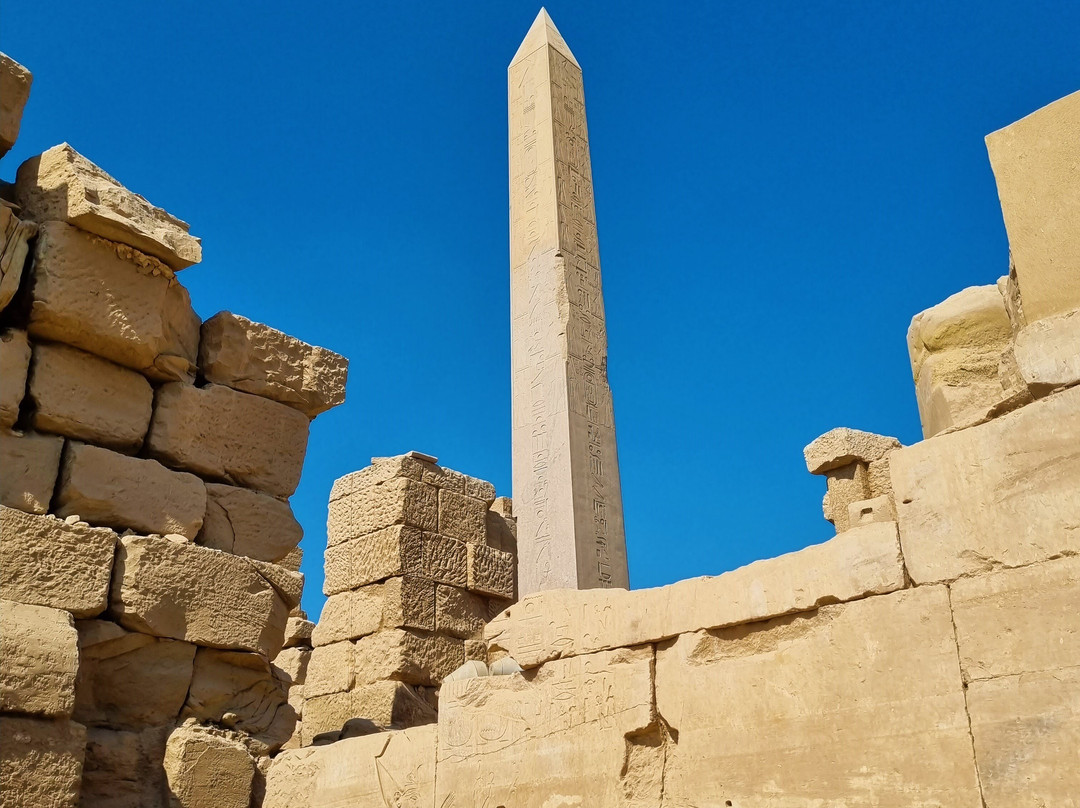
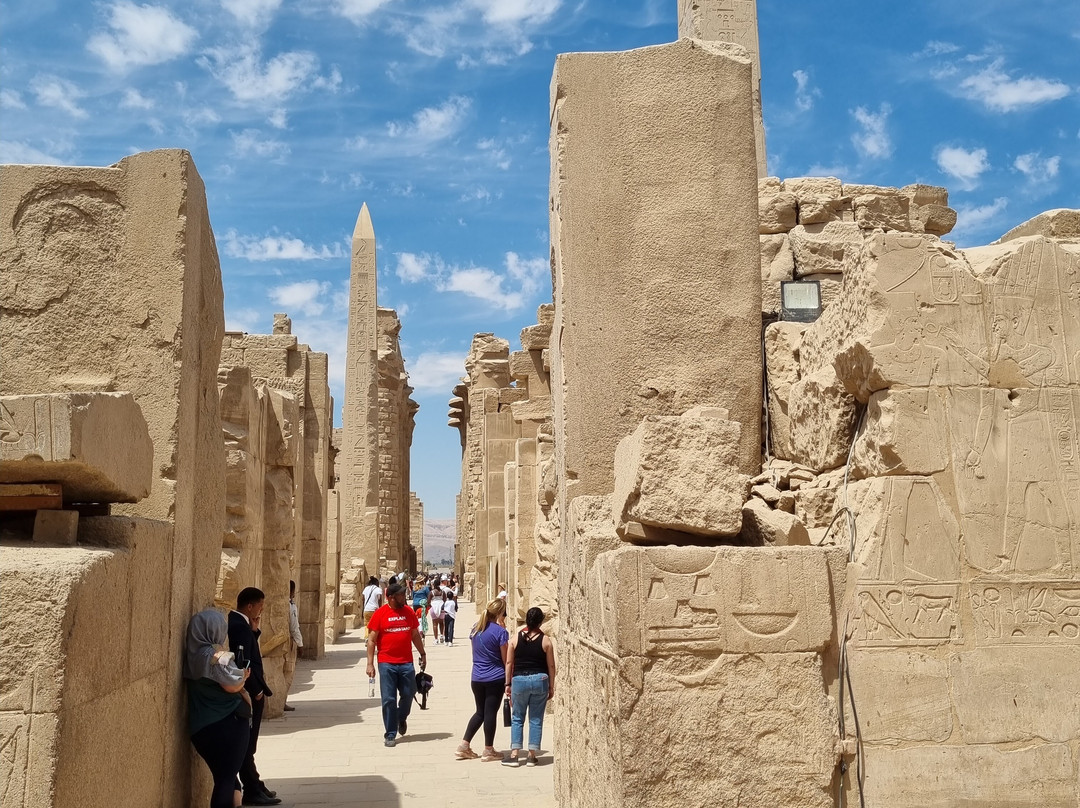
点评:The name "obelisk" is Greek for "spit", as in a long pointed piece of wood generally used for cooking, because the Greek historian Herodotus was the first to write about them and so named them. The Egyptians called them tekhenu which means "to pierce" as in "to pierce the sky". The obelisks of ancient Egypt represented the benben, the primordial mound upon which the god Atum stood at the creation of the world. Queen Hatshepsut was a successful and beloved leader. During her reign, Egypt experienced great prosperity. The obelisk of Queen Hatshepsut, built in the year 1457 BC, during the XVIII dynasty, is the second biggest of all the ancient Egyptian obelisks. Made of one single piece of pink granite, it has a height of 28.58 metres and its weight is 343 tons. During her reign, she had two obelisks built, one of which still stands in these Big Temple of Amon, in Karnak. The dual obelisks were raised in honor of a great king's accomplishments (or, in the case of Hatshepsut, a great queen), but also served to honor the gods or, more often, a specific god in these case the god Amon. Unfortunately, roughly 25 years after Hatshepsut's death at around age 49, Thutmose III systematically destroyed his aunt's legacy, burying all evidence of her in the Egyptian sand. He stripped her name and associated phrases like “Wife of Amen” from obelisks, statues, and even from the interiors of the temple Deir el-Bahri.
翻译:“方尖碑”这个名字在希腊语中是“吐痰”的意思,就像通常用于烹饪的长而尖的木头一样,因为希腊历史学家希罗多德是第一个写下它们并因此命名的人。埃及人称它们为 tekhenu,意思是“刺穿”,就像“刺穿天空”一样。古埃及的方尖碑代表了本本,即阿图姆神在创世时所站立的原始土丘。哈特谢普苏特女王是一位成功且深受爱戴的领袖。在她统治期间,埃及经历了巨大的繁荣。建于公元前 1457 年的第十八王朝时期的哈特谢普苏特女王方尖碑是所有古埃及方尖碑中第二大的。它由一整块粉红色花岗岩制成,高 28.58 米,重 343 吨。在她统治期间,她建造了两座方尖碑,其中一座至今仍屹立在卡纳克神庙中的阿蒙神庙中。双方尖碑是为了纪念一位伟大的国王的成就(或者,在哈特谢普苏特的情况下,是一位伟大的女王)而竖立的,但也用于纪念众神,或者更常见的是,在这些情况下,一个特定的神阿蒙神。不幸的是,在哈特谢普苏特 49 岁左右去世大约 25 年后,图特摩斯三世系统地摧毁了他姑姑的遗产,将她的所有证据埋在埃及的沙子里。他从方尖碑、雕像,甚至代尔巴赫里 (Deir el-Bahri) 神庙的内部,都删除了她的名字和相关短语,例如“阿门的妻子”。
© 2026 Tripadvisor 版权所有。
部分照片由 VFM Leonardo 提供。
TripAdvisor公司对外部网站的内容一概不负责。优惠价格中不含税和其他费用。
ICP证:沪B2-20200433
沪ICP备20013175号
 沪公网安备31010502005427号
鹰程信息技术(上海)有限公司