下载App
资质规则
旅行
账户

VadimM67
Leiden`s Ponte Vecchio.The corn bridge without corn.
Koornbrug的点评
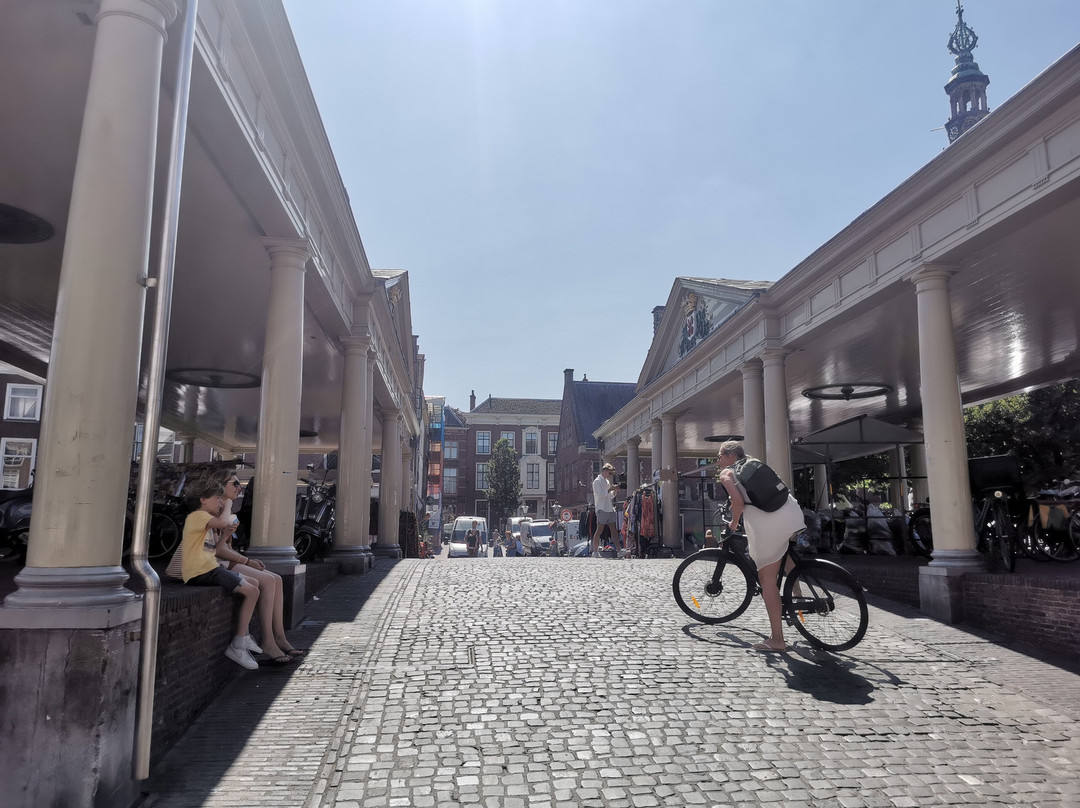
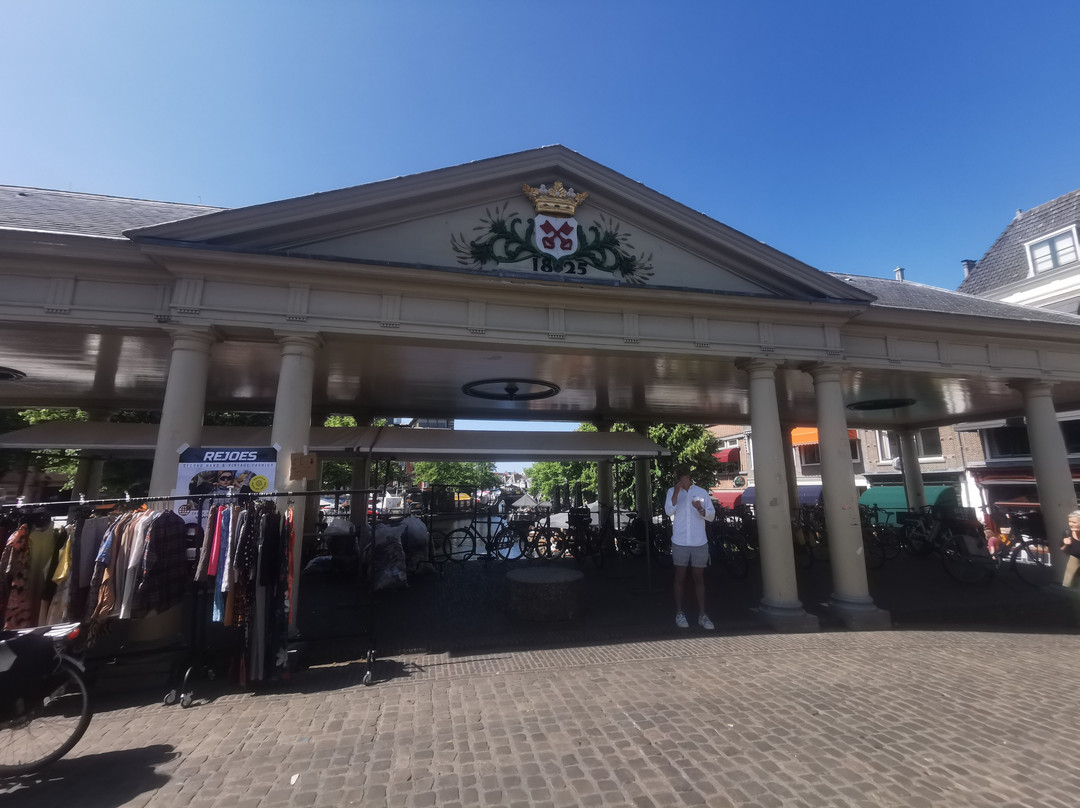
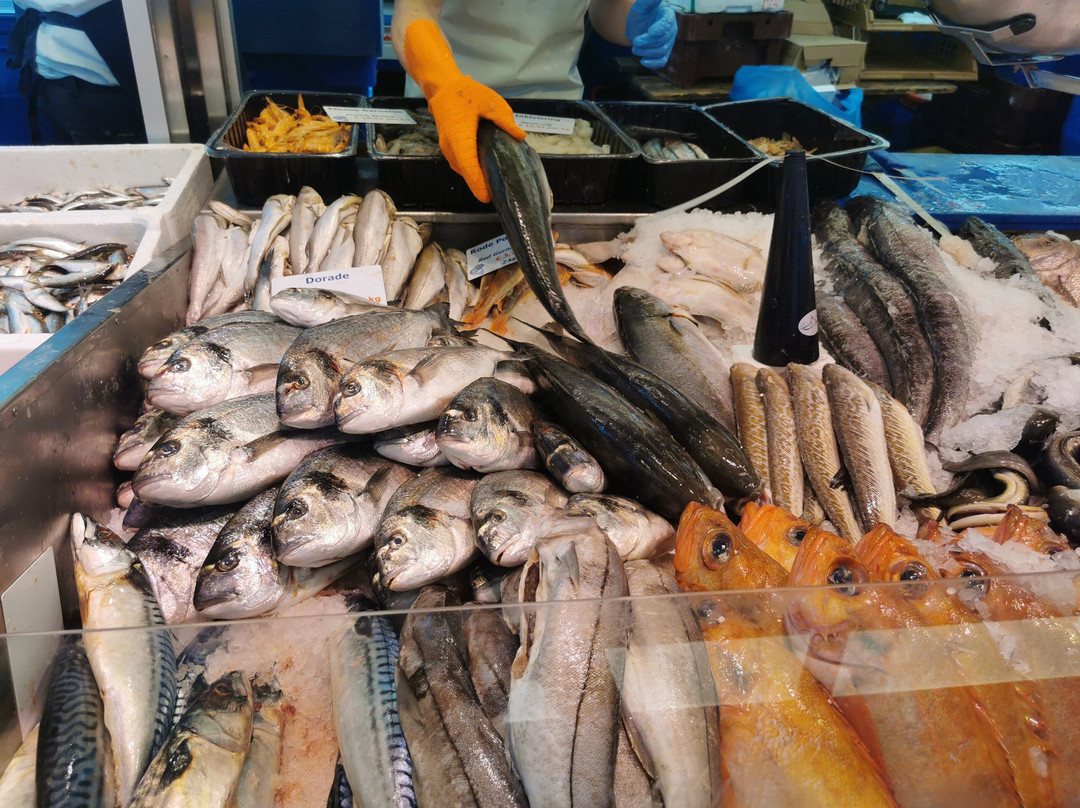
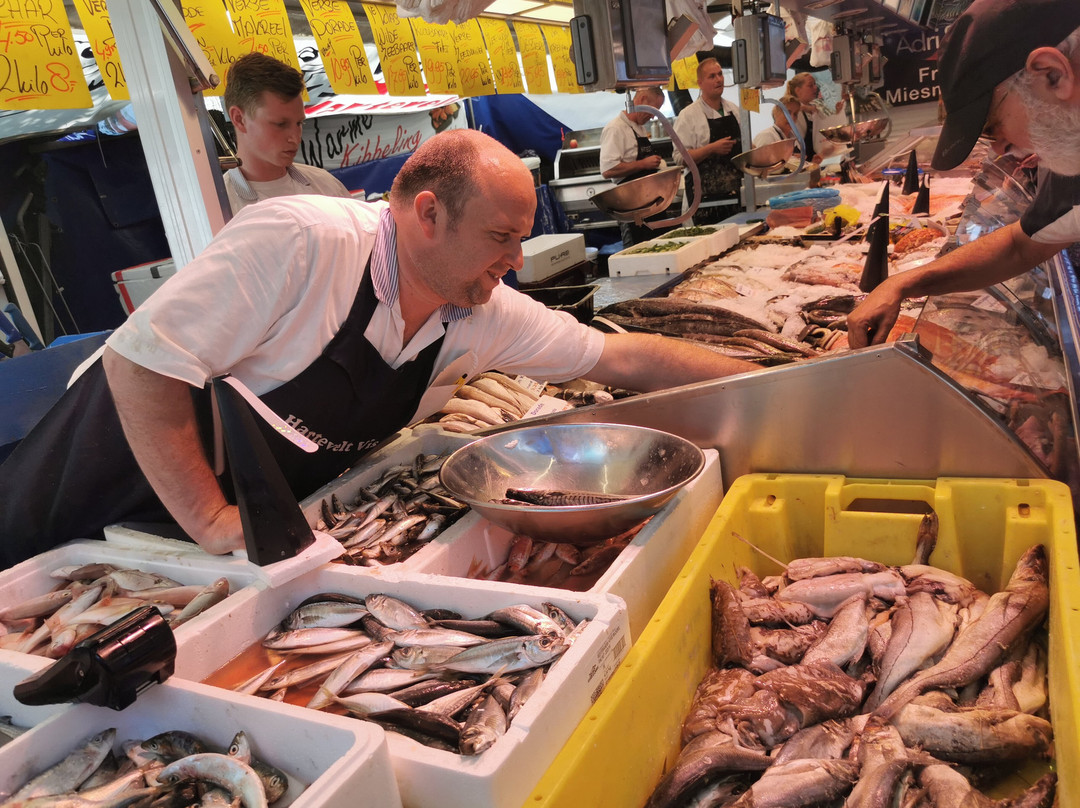
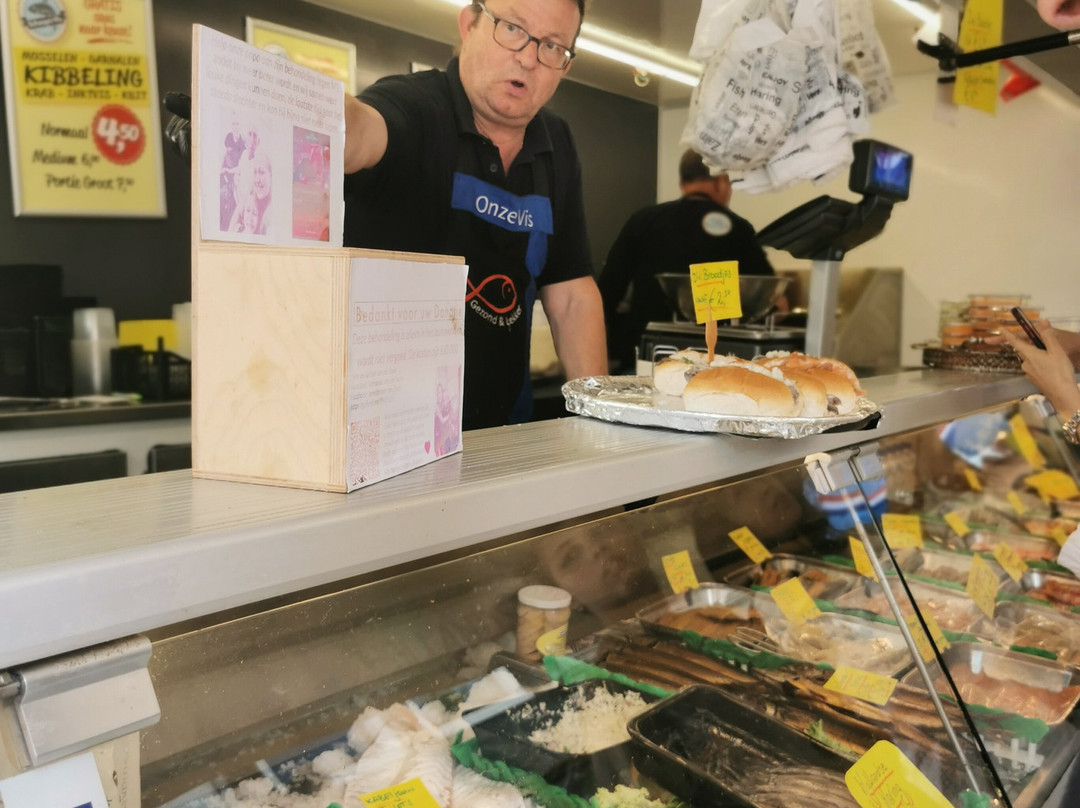
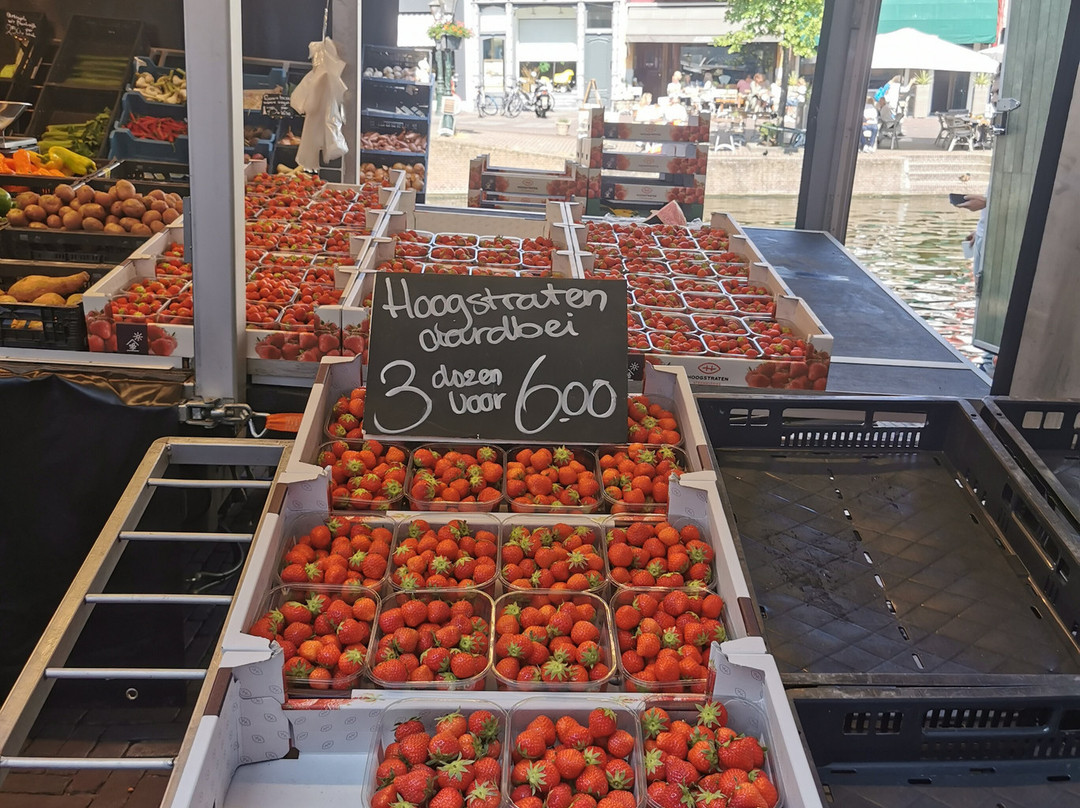
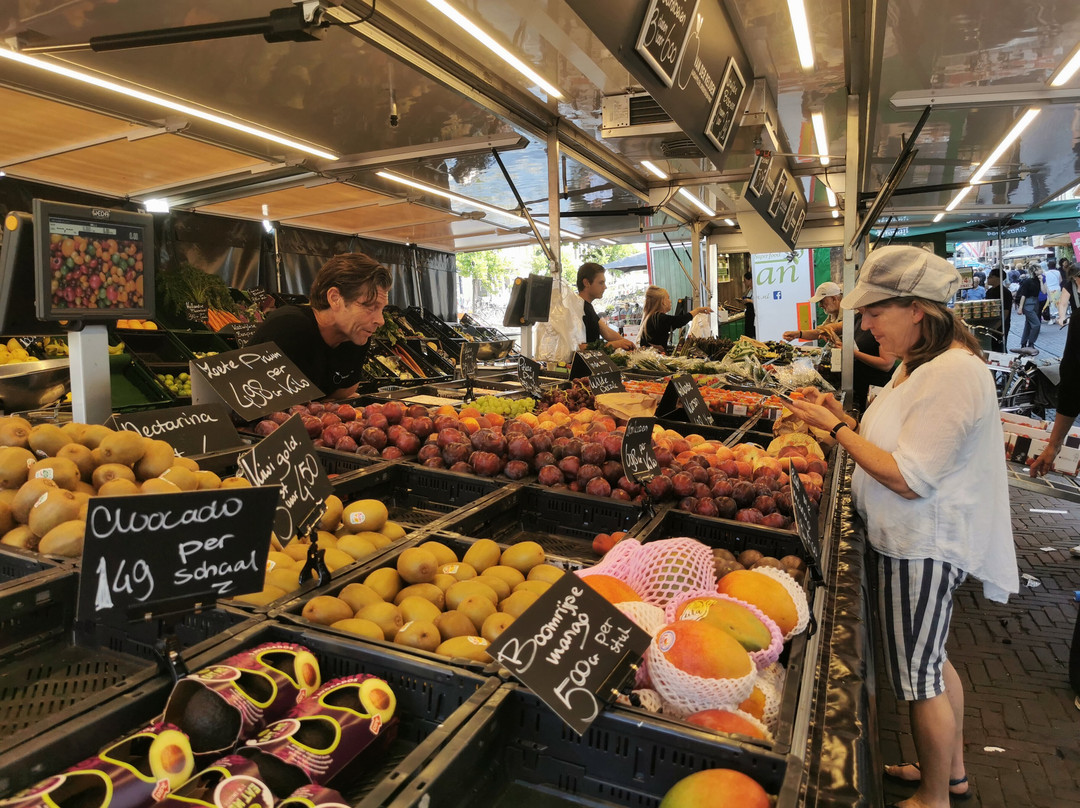
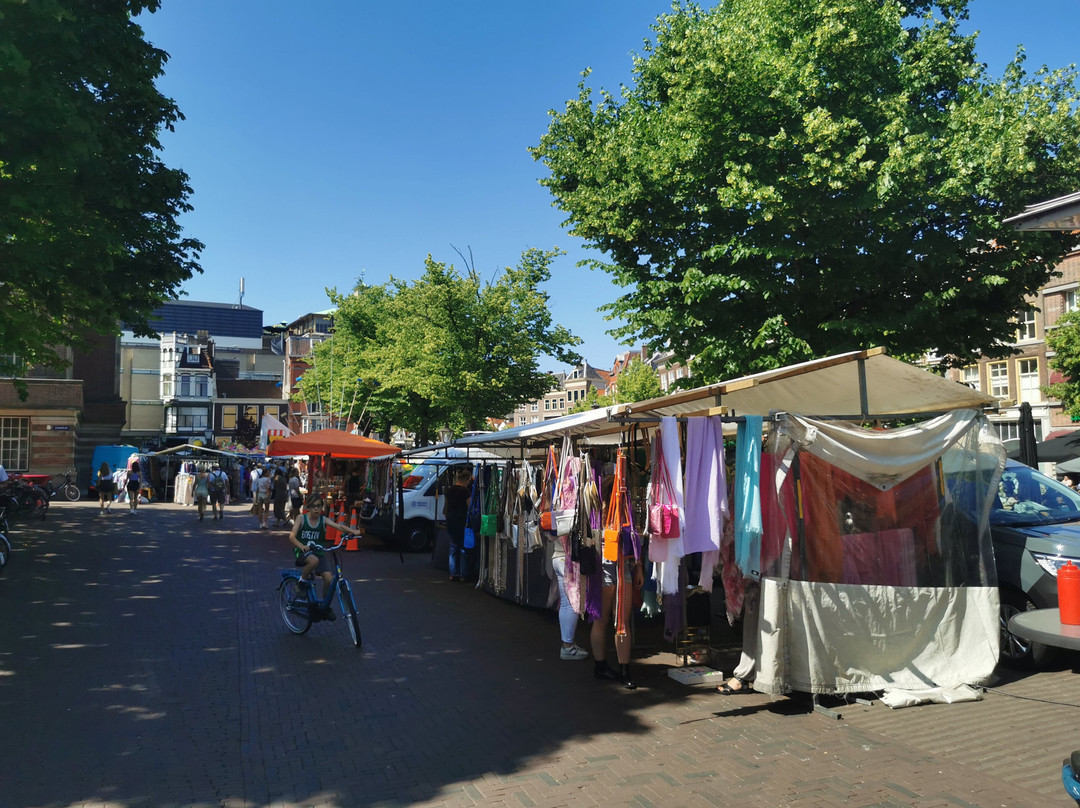
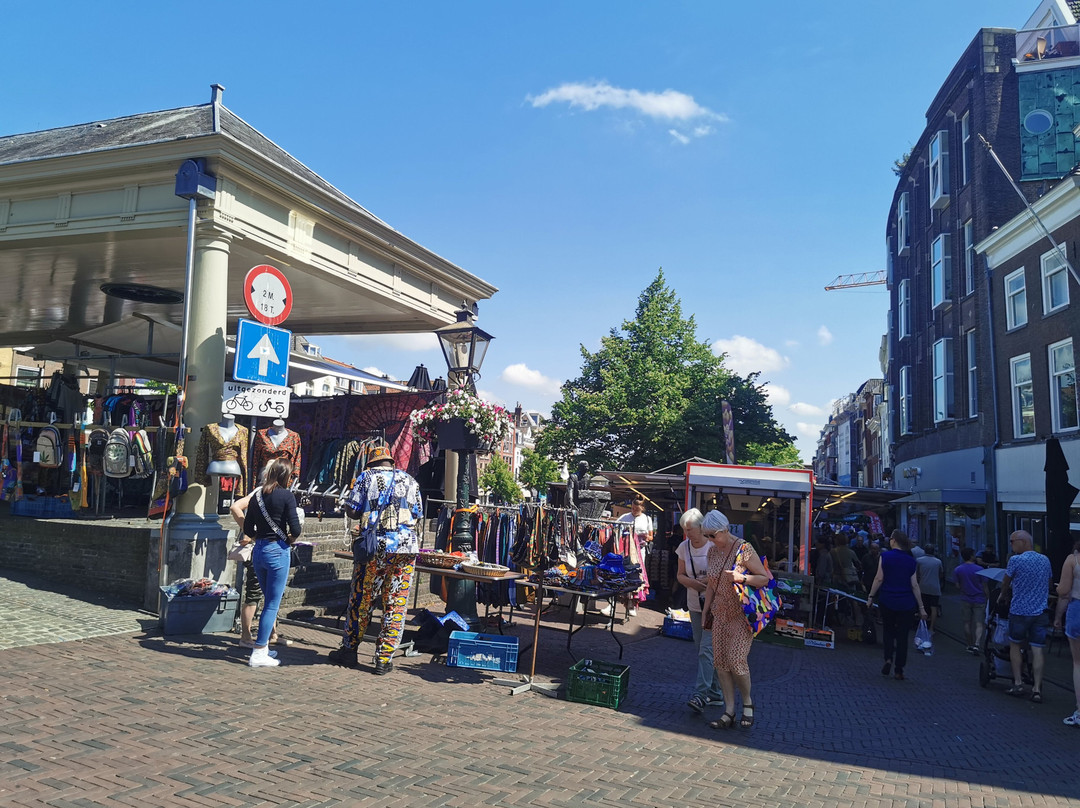
点评:The name of this bridge over the Rhine is translated from West Frisian as Corn Bridge. As is often the case with street names and other geographical features, the name has become fixed due to the dominant type of activity. Since about the XV century, corn has been traded here for centuries. Now the trade is still brisk, but I did not notice corn here. The unique difference between this bridge and other bridges in Leiden is the presence of a canopy installed in 1824 to protect goods. The grain was now stored under a canopy, and so that it would not rot in the humid Dutch climate, holes were made at the top for ventilation. Now, on this stone arch bridge and next to it, there is still a riotous trade in farm products: fish, flowers, fruits, vegetables. And, of course, you can taste the divine herring of the North Sea. Which I did! Associatively, this bridge reminded me of the Florentine Ponte Vecchio. Even if, instead of gold jewelry, they sell herring, which for the Dutch has been the same gold for centuries...
翻译:这座莱茵河上的桥梁的名称从西弗里斯兰语翻译为玉米桥。与街道名称和其他地理特征的情况一样,该名称由于主要活动类型而变得固定。大约从十五世纪开始,这里的玉米贸易已经有几个世纪了。现在贸易依然活跃,但我没有注意到这里有玉米。这座桥与莱顿其他桥梁的独特之处在于其于 1824 年安装的雨篷,用于保护货物。现在,谷物被储存在天篷下,为了避免在荷兰潮湿的气候中腐烂,在顶部打了洞以便通风。现在,在这座石拱桥上及其旁边,仍然进行着热闹的农产品贸易:鱼、花、水果、蔬菜。当然,您还可以品尝北海的美味鲱鱼。我做到了!这座桥让我想起了佛罗伦萨的老桥。即使他们出售的不是黄金首饰,而是鲱鱼,对于荷兰人来说,几个世纪以来鲱鱼一直是同样的黄金......




© 2026 Tripadvisor 版权所有。
部分照片由 VFM Leonardo 提供。
TripAdvisor公司对外部网站的内容一概不负责。优惠价格中不含税和其他费用。
ICP证:沪B2-20200433
沪ICP备20013175号
 沪公网安备31010502005427号
鹰程信息技术(上海)有限公司